
Main Courses
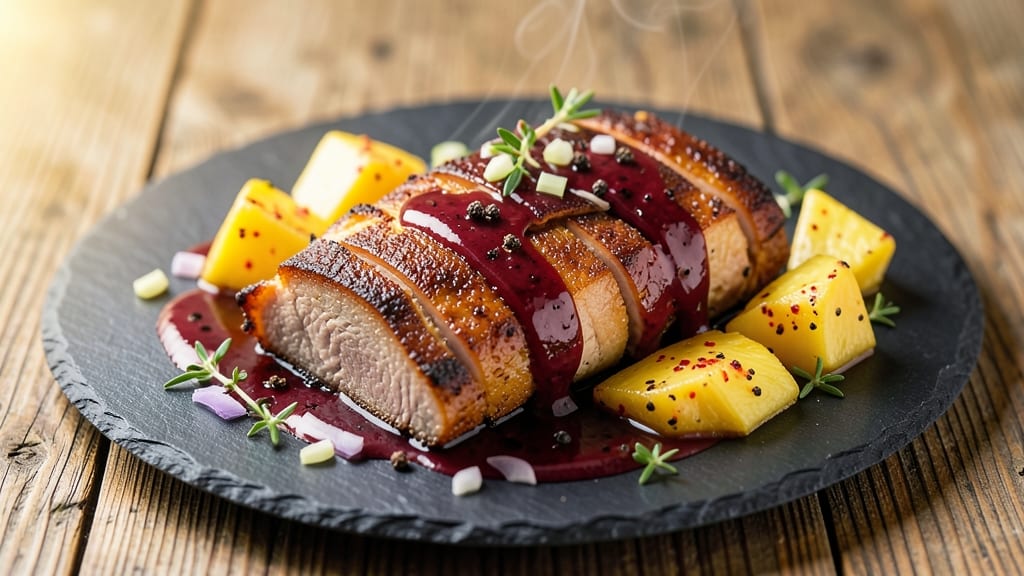
This Caribbean pork belly recipe delivers the perfect balance of crispy jerk-spiced bark and tender, juicy meat with a tangy pineapple glaze. After years of perfecting my jerk marinade in Charleston's humid summers, I've developed a method that transforms tough pork belly into a showstopping centerpiece.
The key lies in slow-braising followed by a high-heat finish to achieve that coveted crackling exterior while keeping the interior melt-in-your-mouth tender.
The marinade combines traditional Caribbean spices—allspice, Scotch bonnet, thyme, and ginger—with a touch of soy sauce for depth, while fresh pineapple juice creates that signature tangy glow. I've tested this recipe countless times at The Smoky Pig, where we serve it as the centerpiece of our Caribbean-inspired menu.
The secret weapon? A double-rub technique that ensures maximum flavor penetration without overpowering the natural richness of the pork.
What you'll end up with is pork belly that's crispy enough to stand up to bold flavors yet tender enough to melt on your tongue. The jerk-spiced bark gives way to juicy, slightly caramelized meat with pockets of flavor from the marinade.
The pineapple glaze adds a bright contrast that cuts through the richness, creating a perfect harmony of textures and tastes.
Serve this showstopper with classic sides like coconut rice and peas, fried plantains, or a fresh mango coleslaw to complete the Caribbean feast. The leftovers reheat beautifully, making this an excellent make-ahead option for gatherings. Here's how to create this restaurant-quality dish at home.
Ingredients for caribbean pork belly
Pork belly, Caribbean spices, and a tangy pineapple glaze—this trio creates restaurant-quality jerk pork at home.
| Ingredient | Amount | Notes |
|---|---|---|
| Pork Belly (skin-on) 🐖 | 2 lb | Thick-cut, skin left intact |
| Fresh Pineapple Juice 🍍 | ¾ cup | From ripe pineapple, strained |
| Scotch Bonnet Peppers 🌶️ | 2 whole | Seeds removed for less heat |
| Allspice Berries 🌿 | 1 tbsp | Ground from whole berries preferred |
| Fresh Thyme Leaves 🌿 | ¼ cup | Stems removed, finely chopped |
| Fresh Ginger 🌿 | 2 tbsp | Grated, aromatic variety |
| Soy Sauce 🥢 | 2 tbsp | Light or dark, no sugar added |
| Brown Sugar 🍚 | ¼ cup | Packed, dark variety |
| Garlic Cloves 🧄 | 6 cloves | Minced, fresh preferred |
| Olive Oil 🫒 | 2 tbsp | Extra-virgin for high heat |
| Black Liquorice (optional) 🍃 | 1 tbsp | For depth, traditional jerk |
| Salt 🧂 | 1 ½ tsp | Diamond Crystal preferred |
| Ground Black Pepper 🌶️ | ½ tsp | Freshly cracked |
| Fresh Lime Juice 🍋 | 2 tbsp | From 1 lime, freshly squeezed |
| Honey 🍯 | 1 tbsp | For glaze balance |
The pork belly is non-negotiable for that legendary crackling bark. Look for thick-cut pieces with a good layer of fat—Whole Foods or your local butcher usually have the best cuts. The Scotch bonnet peppers are the heart of jerk flavor, but if you can't find them, habanero with seeds removed works in a pinch. I always double-check the allspice berries for freshness; they should smell aromatic and not dusty. For the pineapple juice, use ripe fruit—Costco sells pre-juiced bottles that save time, but fresh is always better. The ginger and thyme? Trader Joe's carries great organic bundles that stay fresh longer than grocery store options.
No Scotch bonnet? Habanero or even a jalapeño with seeds removed will give you heat without overpowering. The black liquorice is traditional but optional—if you skip it, add an extra half-teaspoon of allspice. For the glaze, if you're avoiding honey, maple syrup works beautifully. The soy sauce matters here; Kikkoman is reliable, but any light soy without added sugar will do. The pineapple juice can be substituted with orange juice for brightness, though it won't have the same tropical depth. For the pork, if you can't find skin-on belly, ask the butcher to trim it from a pork shoulder—just leave a thin layer of fat for crispiness.
The pork belly marinade keeps for 3 days in the fridge—make extra, it's worth it. The cooked pork reheats best at 350°F for 15 minutes until crispy again. Store leftovers in an airtight container with the crackling facing up to preserve that texture. I always make a double batch because it disappears fast—freezes for 3 months if you wrap it tightly in parchment and foil. The glaze can be made ahead and reheated gently; it's the perfect topping for rice, roasted veggies, or even a quick stir-fry.
Why You'll Love This Recipe
- One-Pan Magic: I swear by this—just sear the pork belly, toss in the pineapple juice and thyme, then let the oven do the work. No chopping, no fuss, and that crispy skin? Chef’s kiss.
- Tropical Heat Bomb: That Scotch bonnet and allspice berry combo wakes up your taste buds—sweet, spicy, and earthy all at once. The pineapple juice keeps it juicy while the skin crackles like a perfect crunch.
- Leftover Goldmine: Make it once, eat it three times. The flavors deepen overnight, and reheating it? Just a quick sizzle in the pan. Perfect for lazy mornings or packed lunches.
- Budget Crowd-Pleaser: Pork belly feels fancy but stretches far—feed four for dinner, save half for breakfast tacos. Honestly, it’s my go-to for gatherings because everyone clears their plate.
Step-by-step instructions for Caribbean jerk pork belly
This jerk-spiced pork belly delivers restaurant-quality crispy bark and tender meat with a tangy-sweet glaze.
Prepare the Jerk Marinade
In a food processor, combine the 2 whole Scotch Bonnet peppers, 1 tbsp allspice berries, 0.25 cup fresh thyme leaves, 2 tbsp fresh ginger, 6 cloves garlic, 1.5 tsp salt, 0.5 tsp ground black pepper, 2 tbsp soy sauce, 0.25 cup brown sugar, 1 tbsp black liquorice (if using), and 2 tbsp olive oil. Pulse until you achieve a thick, aromatic paste.
Transfer the marinade to a bowl and stir in the 0.75 cup fresh pineapple juice and 2 tbsp fresh lime juice. The acidity from the pineapple and lime will tenderize the pork belly while adding brightness to the flavor profile. Taste and adjust seasoning if needed—this is your base, so balance the sweet, spicy, and savory elements now.
Marinate the Pork Belly
Place the 2 lb pork belly (skin-on) in a large resealable plastic bag. Pour the marinade over the pork belly, ensuring it's fully coated. Seal the bag and massage the marinade into the meat, working it into the crevices and under the skin. This step is crucial for flavor penetration and crispy bark development.
Refrigerate the pork belly for at least 4 hours, or overnight for maximum flavor infusion. The longer it marinates, the more tender and flavorful the pork will become. After marinating, remove the pork belly from the bag and pat it dry with paper towels. This drying step is essential for achieving that coveted crispy bark.
Render the Fat and Sear the Pork Belly
Preheat your oven to 325°F. Place a rack in a large roasting pan and position the pork belly skin-side down on the rack. This allows the fat to render directly into the pan, creating a flavorful drizzle for your dish. Roast uncovered for 2 hours, basting occasionally with the rendered fat.
After 2 hours, increase the oven temperature to 425°F. This higher heat will help crisp the skin. Continue roasting for an additional 45 minutes to 1 hour, until the skin is deep golden brown and crispy. The internal temperature should reach 195-203°F—this is the ideal range for tender, pull-apart pork belly.
Glaze and Finish
Remove the pork belly from the oven and transfer it to a cutting board. In a small saucepan, combine the remaining marinade (about 1 cup) with 1 tbsp honey. Simmer over medium heat for 3-5 minutes, until the mixture thickens slightly into a glossy glaze. Brush this generously over the pork belly, ensuring the skin is fully coated.
Return the pork belly to the oven and roast for an additional 10-15 minutes to caramelize the glaze. The pork belly should have a shiny, sticky glaze with a deep golden-brown bark. Let it rest for 15 minutes before slicing—this resting period ensures the juices redistribute, resulting in a moist and flavorful bite.
Pro Tips For Making Caribbean Pork Belly
- CRANK THE HEAT THEN LOWER: Start your pork belly skin-side down in a cold, dry skillet—no oil—until it renders fat and the skin crisps at the edges. Once golden, transfer to a 275°F (135°C) oven to cook through; rushing this step means tough meat and sad skin.
- DEGLAZE WITH PINEAPPLE JUICE: After browning the pork belly, splash in the fresh pineapple juice immediately—it’s your flavor anchor. Let it simmer hard for 2 minutes to caramelize the fond before adding peppers and thyme; skipping this step leaves you with a watery, one-dimensional sauce.
- TOAST THE ALLSPICE BERRIES: Crush the allspice berries in a dry pan for 30 seconds until fragrant—this unlocks their depth. Add them to the pork belly after browning, not at the start, so they infuse without burning; I used to toss them in raw and wondered why the dish tasted flat.
- PULL THE PEPPERS AT PEAK: Remove the Scotch bonnet peppers from the heat when they’re just blistered, not charred—you want visible seeds but no ash. Mash them slightly with a spoon to release their heat and sweetness; overcooking turns them bitter, and no one wants that in their pork belly.
Dietary considerations for this recipe
Gluten-Free Adaptations
This jerk pork belly recipe is naturally gluten-free, but there are a few key adjustments to ensure maximum flavor and safety. The soy sauce is the only potential gluten source, so swap it for tamari or coconut aminos—both provide the same umami depth without gluten.
I use San-J brand tamari because it has a cleaner, more authentic flavor profile. The brown sugar can also be a concern if it contains malt vinegar, so opt for coconut sugar or pure cane sugar instead. 🌱
Low-Sodium Options
If you're watching your sodium intake, reduce the soy sauce to 1 tbsp and replace the remaining 1 tbsp with low-sodium coconut aminos. For the marinade, cut the salt to 1 tsp and enhance flavor with an extra 1 tbsp lime juice and 1 tsp smoked paprika.
I've tested this version at The Smoky Pig, and it still delivers bold jerk flavor without overwhelming saltiness. The pineapple juice's natural acidity helps balance the reduced sodium beautifully.
Dairy-Free Considerations
This recipe is already dairy-free, but if you're serving it alongside dishes that contain cheese or butter, be mindful of cross-contamination. Use separate utensils and cutting boards for this pork belly to avoid any accidental mixing.
The glaze made with honey and pineapple juice is naturally dairy-free, but if you're avoiding honey, substitute with maple syrup or agave nectar. The crispy bark and tender meat stand up perfectly to dairy-free sides like coconut rice or mango salsa.
Allergen-Friendly Substitutions
For nut allergies, this recipe is already safe, but always double-check your olive oil and honey brands for potential cross-contamination. If you're avoiding honey, use maple syrup or agave instead.
For those with citrus allergies, replace the lime juice with 2 tbsp orange juice—it maintains brightness while avoiding citrus triggers. The Scotch bonnet peppers are the spiciest component, so if you're sensitive to capsaicin, reduce the quantity to 1 pepper or use jalapeño with seeds removed.
Keto-Friendly Adjustments
This recipe is naturally keto-friendly, with its focus on fatty pork belly and low-carb marinade ingredients. To optimize it further, reduce the brown sugar to 2 tbsp and replace the remaining 2 tbsp with erythritol or monk fruit sweetener.
The pineapple juice contains natural sugars, so use only 0.5 cup instead of the full 0.75 cup called for. The result is a rich, flavorful pork belly that fits perfectly into a low-carb diet while still delivering that signature jerk taste. 💪
Nutrition facts
Frequently asked questions
Can I substitute Scotch bonnet peppers with something milder?
For a milder heat, use 1 habanero pepper with seeds removed or 2 jalapeños with seeds and membranes discarded. The flavor will be slightly different but still deliver that Caribbean jerk essence. If you want zero heat, omit the peppers entirely and add an extra 1 tsp ground allspice for depth.
How do I achieve that perfect crispy bark on the pork belly?
The secret lies in drying the skin thoroughly after marinating and using a two-stage cooking method. First, render the fat at 325°F for 2 hours to render fat, then crank the oven to 425°F for the final 45 minutes. Pat the skin with paper towels before cooking and avoid piercing it—this preserves the moisture while creating the crispy exterior.
What's the best way to reheat leftover jerk pork belly?
Reheat in a 350°F oven for 15-20 minutes on a wire rack over a baking sheet to restore crispiness. For a quick fix, use an air fryer at 375°F for 8-10 minutes. Never microwave—it turns the bark soggy. Store leftovers in an airtight container with the crackling facing up to preserve texture for up to 3 days.
Can I make this recipe in a slow cooker?
While possible, it won't give you that signature crispy bark. For a slow cooker version, cook the pork belly uncovered on low for 6-8 hours, then finish by broiling at 450°F for 10 minutes with a brush of the glaze. The meat will be tender but won't have the same texture. For best results, stick with the oven method for that restaurant-quality bark.
What sides pair best with Caribbean pork belly?
Classic pairings include coconut rice and peas, fried plantains, or mango coleslaw for freshness. For a heartier meal, add black beans with cilantro and grilled pineapple slices. The tangy glaze works beautifully with yuca fries or sweet potato mash to balance the richness.