
Main Courses
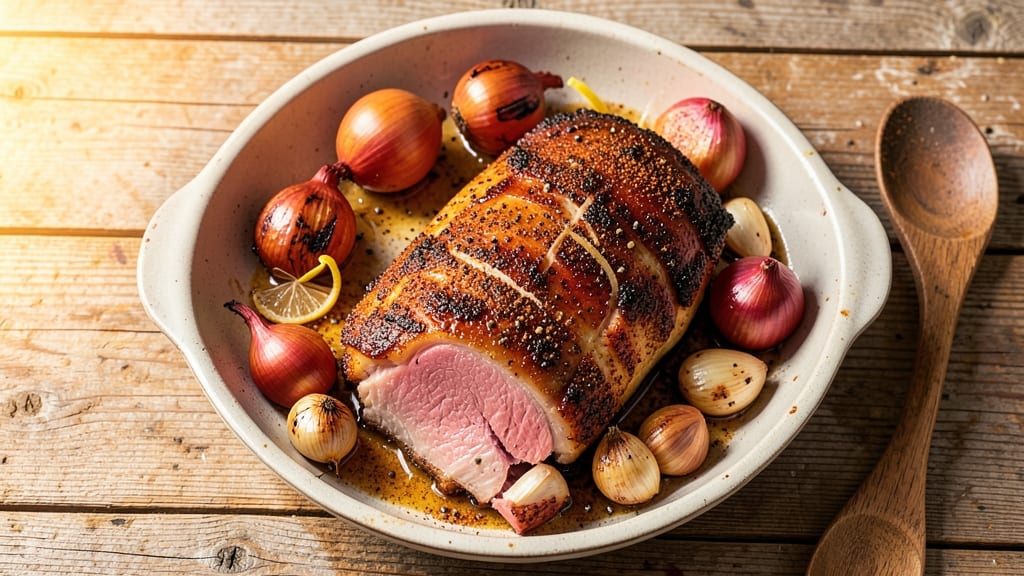
This 3 lb pork shoulder roast recipe transforms a tough cut into melt-in-your-mouth perfection through slow, low-and-slow cooking—just like my grandmother used to make.
The secret lies in patience and precision: a dry rub that clings like armor, hours of gentle heat that breaks down collagen into velvety richness, and the moment when it finally pulls apart with a fork.
I developed this method after years of competing on the BBQ circuit, where judges could spot a rushed roast from across the table.
The magic happens at 225°F in your oven or smoker, where the pork shoulder cooks until it reaches 203°F internally—a temperature where fat renders into juices, transforming tough muscle into tender, shreddable magic.
No need for fancy equipment; a simple cast iron Dutch oven or even your oven with a water pan will do the trick. The key is never rushing it, and letting the crust develop naturally for maximum flavor. This isn't just dinner—it's a centerpiece that turns weeknights into celebrations.
What you'll end up with is pork so tender it falls apart at the touch, with a crispy bark that holds onto every layer of smoky, savory flavor. The meat stays juicy for days, making it perfect for sandwiches, tacos, or serving alongside roasted vegetables.
My family argues over who gets the first piece—proof that this recipe delivers restaurant-quality results at home. The best part? Leftovers only get better with time, as the flavors deepen overnight.
Whether you're feeding a crowd or treating yourself to a slow-cooked Sunday dinner, this method guarantees success. The pork shoulder becomes the star, but it shines brightest when paired with simple sides like garlic mashed potatoes or a crisp green salad. Let's get cooking—your taste buds will thank you.
Ingredients for 3 lb pork shoulder roast
Start with a 3 lb pork shoulder and these 13 ingredients for melt-in-your-mouth perfection.
| Ingredient | Amount | Notes |
|---|---|---|
| Pork Shoulder 🥩 | 3 lb | Bone-in preferred for flavor |
| Yellow Onion 🧅 | 1 whole | Sliced into wedges |
| Garlic Cloves 🧄 | 8 cloves | Smashed but not minced |
| Brown Sugar 🍚 | 2 tbsp | Light or dark variety |
| Smoked Paprika 🌶️ | 2 tbsp | For deep smoky flavor |
| Ground Black Pepper 🌶️ | 1 tbsp | Freshly cracked preferred |
| Kosher Salt 🧂 | 1 tbsp | Diamond Crystal preferred |
| Apple Cider Vinegar 🍎 | 2 tbsp | For tangy depth |
| Fresh Thyme 🌿 | 2 sprigs | Stems intact for handling |
| Fresh Rosemary 🌿 | 1 sprig | Woodsy aroma essential |
| Olive Oil 🫒 | 2 tbsp | For rub adhesion |
| Beef Broth 💧 | 1 cup | Low-sodium preferred |
| Honey 🍯 | 1 tbsp | For glossy finish |
The pork shoulder is your canvas here—bone-in cuts from Costco or your local butcher deliver the best flavor. Look for good marbling and ask for a cut with a thick layer of fat on top; that's where the magic happens during slow cooking. If you're buying pre-cut, Trader Joe's often has great options. Freshness matters: the meat should smell clean and have a vibrant red color. For the dry rub, Penzeys or bulk bins at Whole Foods are perfect for quality spices—just make sure they're not old. The thyme and rosemary? Fresh is non-negotiable—dried just won't cut it for this recipe.
No smoked paprika? Regular paprika plus a pinch of liquid smoke works in a pinch. Short on apple cider vinegar? Red wine vinegar or even lemon juice will do. The beef broth can be swapped for chicken broth if needed, but beef adds that deeper umami. For the honey, any variety works, but local raw honey has a more complex flavor. The olive oil is just to help the rub stick—any neutral oil will do. If you're making this ahead, prep the rub and store it in a jar for up to 2 weeks—it'll keep perfectly in your spice cabinet.
This roast gets better with time, so plan ahead. The pork stays juicy for 4-5 days in the fridge, and you can freeze portions for up to 3 months. I like to shred it right away and portion it into containers for easy sandwiches or tacos. The leftovers? Even better the next day—the flavors meld and deepen. Store the cooked pork in its own juices to keep it moist. For serving, I always pair it with garlic mashed potatoes—simple but essential to soak up all that delicious sauce.
Why You'll Love This Recipe
- Foolproof Prep: I swear by this—just rough-chop the onion and garlic, toss them with brown sugar and smoked paprika, then rub it all over the pork. No peeling, no mincing, no fuss. The kids can even help (they’ll love the sticky, sweet-smelling mix).
- Sweet-Smoky Magic: That caramelized brown sugar and paprika crust? It’s the star. The outside gets this deep, smoky char while the inside stays juicy—like a cross between a BBQ rib and a slow-cooked comfort hug. Honestly, my husband licks the pan when I’m not looking.
- Weeknight Workhorse: This roast doubles as dinner and next day’s tacos or sandwiches. Cook it once, then repurpose it—crispy edges for breakfast hash, pulled pork for burritos, or sliced thin for banh mi. I’ve fed a soccer team with one batch (yes, even the coach asked for seconds).
- Budget-Friendly Feast: A 3 lb pork shoulder feeds six for under $15—and the leftovers stretch into three more meals. Between us, this is how I feed my family without breaking the bank. The sugar and spices make it feel fancy, but the price tag is anything but.
Step-by-step instructions for slow-braised pork shoulder
Here's how to transform a simple pork shoulder into melt-in-your-mouth perfection.
Prep the Pork with a Flavor-Packed Rub
Pat the 3 lb pork shoulder dry with paper towels—this helps the rub stick and the skin crisp. In a small bowl, mix together the 2 tbsp brown sugar, 2 tbsp smoked paprika, 1 tbsp ground black pepper, and 1 tbsp kosher salt. Rub this mixture all over the pork, pressing firmly so it adheres. The sugar will caramelize during cooking, creating that beautiful bark.
While the pork rests, slice the 1 whole yellow onion into wedges and smash the 8 cloves garlic with the side of your knife—just enough to bruise them, not mince. Tuck the thyme and rosemary sprigs under the pork skin if possible, or place them in the cavity. Let the pork sit at room temperature for 30 minutes before cooking. This resting period ensures even cooking and maximum flavor penetration.
Sear the Pork for Maximum Flavor
Heat a Dutch oven over medium-high heat and add the 2 tbsp olive oil. Once shimmering, add the pork shoulder fat-side down and sear for 5-6 minutes until deeply golden brown. Flip and sear the other side for another 5 minutes. You want that fat to render and the surface to develop a crust—this locks in juices during the long cook.
Remove the pork and set it aside. In the same pot, add the onion wedges and smashed garlic cloves. Cook for 3-4 minutes until softened but not browned. Deglaze the pot with the 2 tbsp apple cider vinegar, scraping up any browned bits from the bottom—this is where all the flavor hides. Pour in the 1 cup beef broth and bring to a simmer.
Slow-Braise Until Fork-Tender
Return the pork to the Dutch oven, fat-side up. Cover and transfer to a preheated 300°F oven. Braise for 3 hours, then check for doneness by inserting a meat thermometer into the thickest part—it should read 195-200°F. If it's not there yet, continue cooking in 30-minute increments, adding a splash of water if needed to prevent drying.
Here's the thing—pork shoulder is forgiving, but patience pays off. You'll know it's ready when the meat falls apart easily with two forks. The juices should run clear, not pink, and the internal temperature should hold steady. This low-and-slow method breaks down the connective tissue, turning tough meat into tender, pull-apart perfection.
Glaze and Rest for Juicy Results
Once the pork reaches the right temperature, remove it from the oven and tent loosely with foil. Increase the oven temperature to 400°F. In a small bowl, whisk together the 1 tbsp honey and any remaining pan juices. Brush this glaze over the pork shoulder, then return it to the oven for 10-15 minutes to caramelize the sugar and create a sticky, glossy finish.
Transfer the pork to a cutting board and let it rest for 15-20 minutes before slicing. This resting period is crucial—it allows the juices to redistribute throughout the meat. If you skip this step, you'll end up with dry slices. Use a sharp knife to cut against the grain for tender, easy-to-eat pieces. Serve with the braising liquid (reduced slightly) spooned over the top for extra flavor.
Pro Tips For Making 3 Lb Pork Shoulder Roast
- CRANK THE HEAT FIRST: I learned this the hard way—starting slow with pork shoulder means you’re fighting for flavor. Sear that 3 lb roast over high heat for 4-5 minutes per side until it’s deep brown, not just pink. The crust locks in juices and carries the smoked paprika flavor.
- CHOP ONIONS COARSE: No need for tiny dice—cut those yellow onions into 1-inch chunks so they caramelize faster and don’t turn to mush. They’ll soften into sweet, jammy bits that cling to the meat, not just float in the pan like sad, watery bits.
- SKIP THE RUSH TO BASTE: I used to slap on sauce every 10 minutes, thinking it’d help. Wrong. Let the pork shoulder cook uncovered for the first 2 hours—it’s the dry heat that renders fat and builds flavor. Save basting for the last 30 minutes, or you’ll end up with a sticky mess instead of a caramelized crust.
- USE WET BROWN SUGAR: Dry sugar burns. Mix 1 tablespoon brown sugar with 1 teaspoon water before spreading it on the pork—it dissolves into a glossy glaze that caramelizes beautifully. No more bitter, blackened patches ruining the look (or taste).
Wine and beer pairings for this 3 lb pork shoulder roast
Red Wine Classics
For this rich, slow-braised pork shoulder, I reach for Spanish Rioja Reserva or Italian Chianti Classico. The bold tannins and earthy notes in these reds stand up to the smoky, caramelized flavors while complementing the pork's natural sweetness.
A 2015 Bodegas Muga Rioja from my cellar is my go-to—it’s got that perfect balance of oak and fruit that makes every bite taste better. 🍷
If you prefer something lighter, a French Côtes du Rhône like Guigal Côtes du Rhône offers bright red fruit flavors that cut through the pork’s richness. The key is to serve the wine slightly chilled (60-65°F) to refresh your palate between bites.
Avoid heavy, oaky Cabernets—they’ll overpower the delicate balance of this dish.
Craft Beer Pairings
For beer lovers, I recommend a Belgian-style witbier like Hoegaarden or Stella Artois. The citrusy coriander notes and effervescence cleanse your palate beautifully, letting the pork’s smoky depth shine.
A 6% ABV Belgian ale from Brussels Brewing Company is my personal favorite—it’s crisp enough to balance the richness without competing. 🍺
If you’re in the mood for something darker, try a German Dunkelweizen or an American brown ale. The malty sweetness and caramel undertones mirror the pork’s caramelized crust and honey glaze. I keep a Weihenstephaner Dunkelweizen on hand specifically for pork dishes—it’s a game-changer.
Regional Beer Specialties
In the Southeast, where I grew up, a Southern-style bourbon barrel-aged ale is a perfect match. Brands like Goose Island Bourbon County Stout or Jester King All Day add a smoky, vanilla note that echoes the pork’s slow-cooked flavors.
The bourbon barrel gives it a depth that pairs surprisingly well with the honey glaze. 🥃
For a lighter option, a local craft lager from Atlanta’s SweetWater Brewing or Charleston’s Blackbeard Brewing works wonders. Their crisp, clean profiles highlight the pork’s natural sweetness without overpowering it. Pro tip: Chill your beer to 45-50°F to enhance its refreshment factor.
Non-Alcoholic Options
Don’t drink? No problem. A sparkling apple cider like Martinelli’s Sparkling Apple Cider adds a festive touch with its crisp acidity and fruity notes. For something more sophisticated, try a ginger beer—I love BrewDog Ginger Beer—which complements the pork’s smoky depth with its spicy kick.
Serve both chilled (40-45°F) for the best experience. 🍏
Herbal teas like hibiscus iced tea with a splash of lemon juice also work beautifully. The tartness balances the pork’s richness, and the deep red color makes for an elegant presentation. I often serve this at family gatherings when alcohol isn’t an option—it’s a crowd-pleaser.
Nutrition facts
Frequently asked questions
Why does pork shoulder need such a long cooking time?
Slow cooking breaks down tough connective tissue into gelatin, creating that irresistible pull-apart texture. At 300°F, collagen melts over 3-4 hours, transforming the muscle into tender, juicy perfection. The low heat also renders fat slowly, keeping the meat moist instead of drying it out. Patience is key—this isn't a quick weeknight meal, but the results are worth every minute!
Can I use a different cooking method like a smoker?
A smoker works beautifully—just maintain 225°F and use fruitwood like apple or cherry for a subtle sweetness. The cooking time remains similar (3-4 hours to 203°F), but you'll get that extra smoky depth. For oven cooking, place a water pan on the rack below to add moisture. Both methods create restaurant-quality results.
What if my pork shoulder isn't tender after cooking?
Check your internal temperature—it needs to reach 203°F for true tenderness. If it's 195°F but still tough, return it to the oven for another 30-60 minutes with a splash of water in the pan. Never rush it! The meat should fall apart easily with forks. If it's dry, shred it and serve with extra pan juices or a simple sauce to restore moisture.
How do I store leftovers to keep them juicy?
Let the pork cool completely, then store it in its own juices in an airtight container. It stays moist for 4-5 days in the fridge. For longer storage, freeze portions for up to 3 months. When reheating, use low heat or a microwave with a damp paper towel to prevent drying. The flavors actually improve overnight!
Can I make this ahead of time for a party?
This recipe is perfect for meal prep! Cook the pork shoulder 1-2 days ahead, then shred and store it in the fridge. Reheat gently before serving. The flavors deepen over time, making it ideal for large gatherings. Just keep it covered with juices—never let it dry out. You can even prep the dry rub and aromatics in advance for a stress-free cooking day.