
You have read a hundred of these
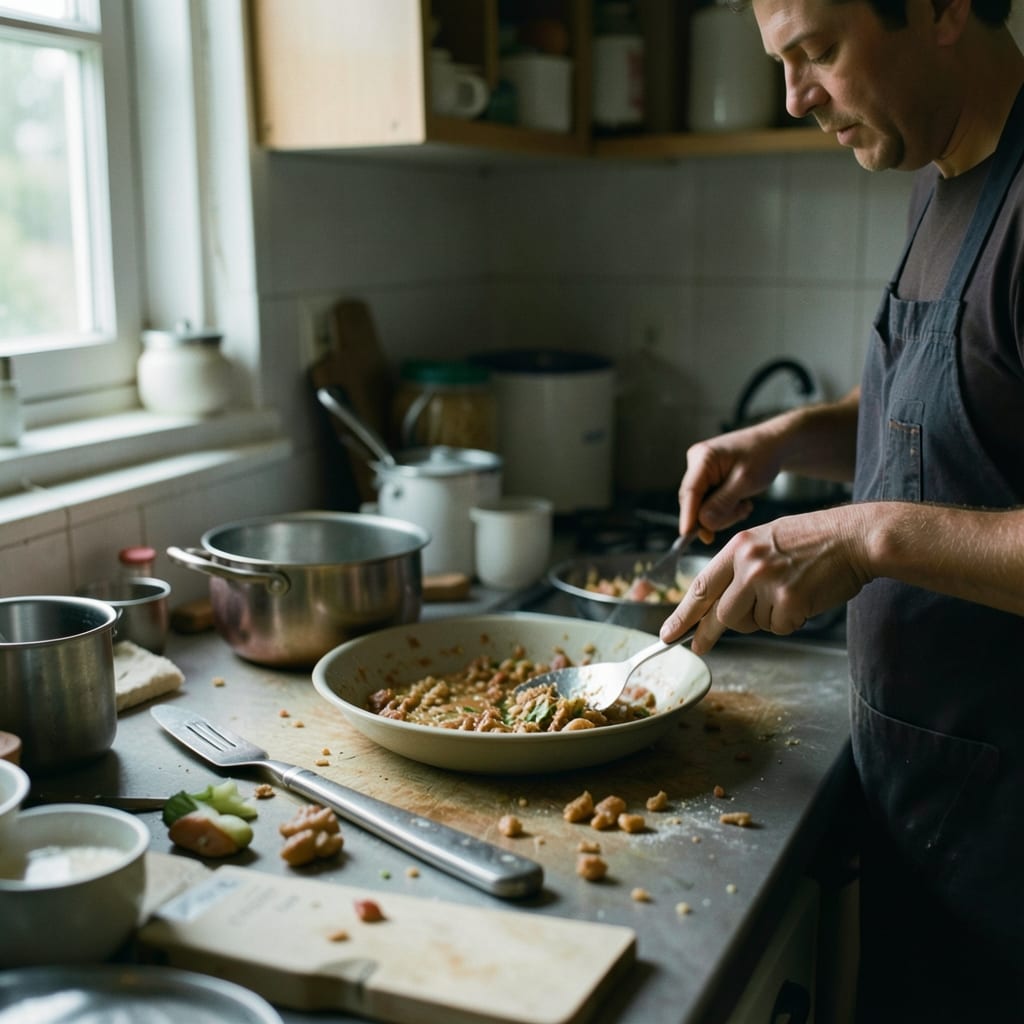
You’re right to be sceptical. The difference here isn’t that we’ve discovered some secret about pork—it’s that we refuse to pretend we haven’t failed. Every recipe on this site has been tested until it works, or until we stopped trying.
That means some dishes you’ll never see: the ones that burned, the ones that turned out too salty, the ones that just didn’t taste like pork at all. The ones that *did* work? Those are the ones worth sharing.
We don’t hide behind terms like ‘foolproof’ or ‘easy.’ If a method takes eight hours, we say so. If a cut of meat needs to marinate overnight, we don’t suggest a shortcut.
And if a technique is worth doing, we explain why—because the ‘how’ only matters if the ‘why’ makes sense. This isn’t about impressing you. It’s about giving you something that actually works when you’re standing in your kitchen, not in a food studio.
It’s not. Not unless it admits what you already know: most recipe sites are a mix of wishful thinking and half-measures.
Anyone can write that they test things
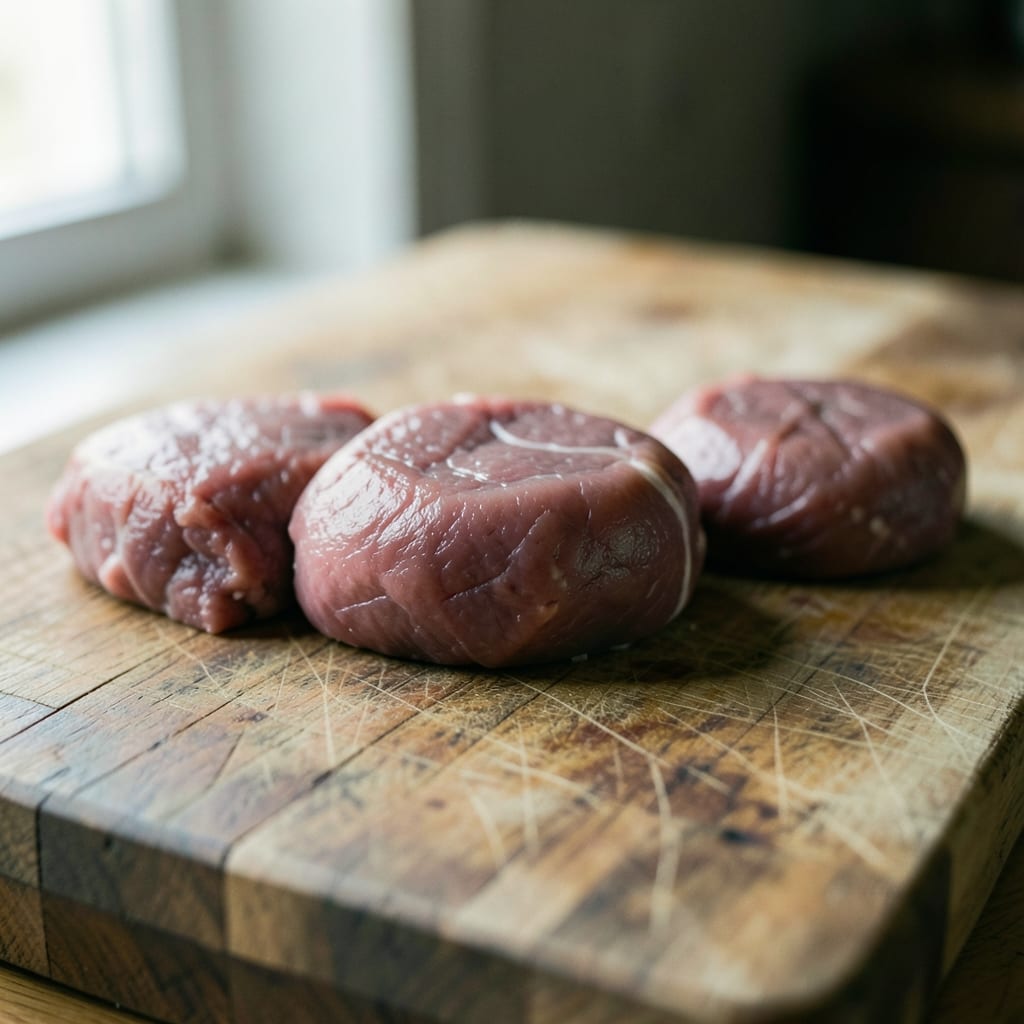
Testing here means cooking the same dish at least three times—once to get the basics right, once to refine the details, and once more to make sure it still works when you’re tired or distracted.
We use the same tools you do: a basic meat thermometer, a timer that beeps, and a kitchen scale that’s seen better decades. No sous-vide machines, no lab equipment. Just a stove, a pot, and enough patience to wait for pork to come apart on its own.
The first batch of any recipe goes into the trash. Literally. If the brine is too weak, the rub sticks like glue, or the smoke gets away before the meat does, we start over. Some methods take twenty attempts. Others take two.
But we don’t stop until the result matches what we tasted in someone else’s kitchen—or what we remember from our own. That’s the only standard that matters.
Not unless you can say how many times, what went wrong, and what you threw away.
About the author

Nadia Pappas is the founder and editor of *Pork Recipes Brine*, and she writes here because she still can’t resist the moment when a piece of pork falls apart at the touch of a fork.
The rules i work by
- 1Never trust the first try
The first batch of anything—brine, rub, or slow-cooked method—is a prototype. If it doesn’t work, we scrap it and start again. That means wasted meat, ruined pans, and at least one burned finger per week. It’s the price of knowing what actually tastes good.
- 2Measure everything twice
Salt, sugar, and time are the only things that matter in pork. A misjudged brine can turn tender meat to mush; a rushed cook can leave it dry. We weigh every ingredient, set exact timings, and never assume ‘close enough’ is good enough. Precision isn’t perfection—it’s the difference between a dish that works and one that doesn’t.
- 3Cook like it’s for company
Even if you’re the only one eating it, treat the pork like it’s for guests. That means no cutting corners on rest time, no rushing the smoke, and no skipping the taste test. Good pork doesn’t need to be fancy—it just needs to be *right*. And ‘right’ isn’t something you can fake.
- 4Admit when you’re wrong
If a method fails three times, we drop it. If a recipe doesn’t taste like pork anymore, we rewrite it. The only rule that doesn’t change is this: if it doesn’t work, we’ll say so. No excuses, no ‘well, it’s traditional,’ no ‘that’s how my grandma did it.’ Just the truth.
- 5Write for the kitchen you have
No pressure cookers, no specialty tools, no ‘you’ll need a dehydrator.’ Just a stove, a pot, and ingredients you can find at any grocery store. If a technique requires something you don’t own, we’ll tell you how to work around it—or why you might want to invest in it.
Breaking one of these rules usually means throwing something out. A batch of brine that’s too salty goes down the drain. A rub that clumps like glue gets tossed. A piece of pork that’s still tough after eight hours? That’s the one you don’t serve.
The kitchen becomes a battlefield of scraps and second chances, and the only way to win is to learn from every loss.
This will not be right for everyone
If you’re looking for quick fixes, shortcuts, or dishes that sound better than they taste, close this page now. This site isn’t for people who want pork to be ‘easy’—it’s for those who want it to be *good*.
That means time, attention, and a willingness to do things the way they’ve been done for decades, even if it’s slower than the alternatives.
You’ll also want to look elsewhere if you’re allergic to salt, smoke, or the idea of waiting. Pork that’s worth eating takes patience, and this site doesn’t apologise for that.
But if you’re the kind of cook who likes the smell of a house full of smoke, who doesn’t mind a kitchen that’s a little messy, and who still believes that some things are worth doing right—then you’re in the right place.
You could just be told what you want to hear
If there’s something else you’d like to know—something we haven’t covered, or something you think we’re getting wrong—you can tell us on the contact page.
Worth telling us
- The exact temperature your pork needs to reach—and why guessing it is a bad idea.
- How long a brine *really* needs to sit, and what happens if you cut it short.
- The one thing you can do to ruin a slow-cooked shoulder, and how to avoid it.
The recipes are grouped by category: Appetizers, Beverages, Breakfast & Brunch, Desserts, Main Courses and Reviews.