
Side Dishes
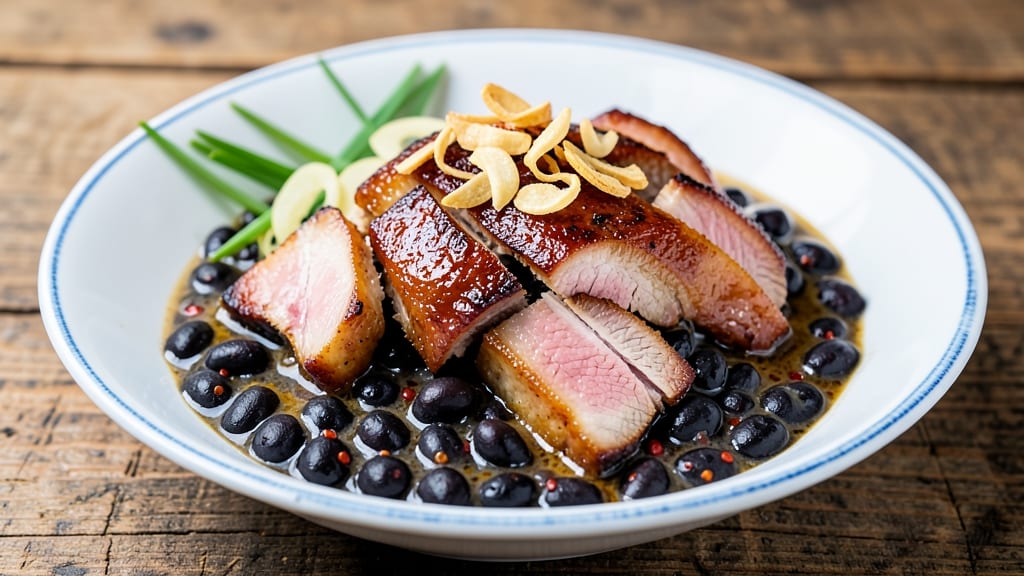
The rich, aromatic flavors of black beans with pork Ilocano bring a taste of the Philippines to your table—where tender pork simmers with coconut milk and spiced beans for a dish that’s both comforting and deeply satisfying.
This traditional Ilocano recipe, known as Ginamos, transforms simple ingredients into something extraordinary through slow cooking and careful seasoning. I’ve perfected this method over years of working with pork, ensuring every bite delivers that perfect balance of smoky, spiced, and creamy notes.
What sets this dish apart is the coconut-cured pork, a technique that infuses the meat with a subtle sweetness and richness before it’s slow-cooked to tender perfection.
The black beans, soaked overnight for maximum tenderness, absorb the flavors of garlic, ginger, and chili, creating a sauce that’s both hearty and complex. The result is a dish that’s equally at home as a main course or a side dish, especially when paired with steamed rice.
The secret to achieving this depth of flavor lies in the slow simmering process, which allows the pork to melt in your mouth while the beans develop a satisfying texture—soft yet holding their shape. The coconut milk adds a velvety richness, while the blend of spices brings warmth and complexity.
This isn’t just a recipe; it’s a celebration of Filipino comfort food, where every ingredient plays a role in creating something truly special.
Once you try this black beans with pork Ilocano, you’ll understand why it’s a staple in Filipino households. The dish is versatile enough to adapt with optional garnishes like fresh calamansi or sliced chili, but the core recipe stands strong on its own.
Ready to bring a taste of the Philippines to your kitchen? Let’s get started.
Ingredients for black beans with pork ilocano
Sixteen ingredients transform into a deeply satisfying Filipino comfort dish with layers of smoky, spiced, and creamy flavors.
| Ingredient | Amount | Notes |
|---|---|---|
| Dried Black Beans 🌱 | 2 cups | Soaked overnight, drained |
| Pork Shoulder 🥩 | 2 lb | Cut into 2-inch cubes |
| Coconut Milk 🥥 | 13 ½ oz | Full-fat canned, unsweetened |
| Garlic Cloves 🧄 | 8 cloves | Minced, skin-on for flavor |
| Fresh Ginger 🌿 | ½ cup | Finely grated, peeled |
| Dried Chili Peppers 🌶️ | 2 whole | Ancho or guindilla, seeded |
| Bay Leaves 🍃 | 2 whole | Dried, crumbled |
| Onion 🧅 | 1 whole | Yellow, chopped |
| Olive Oil 🫒 | ¼ cup | Extra-virgin for richness |
| Salt 🧂 | 1 ½ tsp | Diamond Crystal preferred |
| Black Peppercorns 🌶️ | 1 tsp | Freshly cracked |
| Sugar 🍚 | 1 tbsp | White granulated |
| Soy Sauce 🍶 | 2 tbsp | Dark soy preferred |
| Calamansi Juice 🍋 | 2 tbsp | Or substitute lime juice |
| Steamed White Rice 🍚 | 3 cups | For serving, cooked |
The pork shoulder is the cornerstone of this dish—look for well-marbled cuts at your local butcher or Costco for the best texture. The black beans should be dried and organic if possible; Filipino markets often carry high-quality varieties like Jacob's cattle beans. Coconut milk is non-negotiable here—full-fat canned versions like Thai Kitchen or Native Forest provide the richest flavor. For the chili peppers, Ancho or guindilla from Penzeys Spices delivers authentic depth, but any dried chili will work in a pinch.
No coconut milk? Substitute with equal parts evaporated milk and cream, though the flavor will be lighter. Fresh ginger loses potency fast, so grate only what you'll use immediately—or buy pre-grated from the Asian market freezer section. Soy sauce can be swapped for tamari or coconut aminos for gluten-free options. The calamansi juice is tricky to find outside Filipino stores, but lime or lemon juice at half the amount works in a bind. For the pork cubes, cut them uniformly to ensure even cooking—2 inches is ideal for tender results without falling apart.
Store the cooked pork and beans separately in airtight containers for 4-5 days in the fridge, or freeze for up to 3 months. The coconut milk-based sauce thickens upon reheating, so add a splash of water or broth if it becomes too concentrated. This dish reheats beautifully—simmer gently for 10 minutes on the stove to restore its velvety texture. For meal prep, portion the rice and sauce separately to maintain freshness; assemble just before serving to keep the flavors vibrant.
Why You'll Love This Recipe
- One-Pot Magic: I swear by this recipe when I’m too tired to juggle multiple pans. Toss the dried black beans, pork shoulder, and coconut milk into one pot, and let it simmer—no chopping, no fuss, just hands-off cooking while I handle the rest of dinner.
- Creamy-Savory Balance: That ginger and garlic sizzle in the oil until it smells like a hug, then the coconut milk softens the pork into melt-in-your-mouth tenderness. The beans soak up all the rich, spiced goodness—no dry bites here.
- Leftovers That Beg for More: Between us, this dish tastes better the next day. The flavors meld into something deeper, and I always find myself reheating it for lunch—especially when I’ve got a crowd over and need something hearty that won’t break the bank.
- Budget-Friendly Feast: Pork shoulder stretches across meals, and dried beans are cheaper than canned (plus, no weird aftertaste). I make this for game nights, potlucks, or just lazy Sundays—it’s the kind of dish that makes you feel like you’re feeding a banquet without the stress.
Step-by-step instructions for black beans with pork Ilocano
This Ilocano classic transforms humble ingredients into a rich, aromatic dish where tender pork and spiced beans meld perfectly.
🍳 Step 1: Sear the Pork Shoulder for Deep Flavor
Heat the 0.25 cup olive oil in a large Dutch oven over medium-high heat until shimmering. Add the 2 lb pork shoulder cut into 2-inch cubes, working in batches if needed. Sear each side for 3-4 minutes until the pork develops a rich, golden-brown crust—this builds the foundation for the dish's depth of flavor.
As the pork sears, you'll notice the fat begin to render, creating a fragrant aroma. Once all pieces are browned, remove them from the pot and set aside. Don't drain the rendered fat—it's essential for building the sauce. The residual fat will help dissolve the spices and create a velvety texture in the final dish.
👨🍳 Step 2: Build the Aromatic Base
In the same pot, reduce heat to medium and add the 1 whole chopped onion. Sauté for 5 minutes until softened and translucent, then add the 8 minced garlic cloves and 0.5 cup finely grated ginger. Cook for another 2 minutes until the garlic turns golden and releases its pungent aroma—this is when the base truly comes alive.
Stir in the 2 whole seeded dried chili peppers and 2 whole crumbled bay leaves. Let them toast for 30 seconds until fragrant. This step unlocks the complex, smoky notes that define Ilocano cuisine. Be careful not to burn the spices—they should smell rich and earthy, not bitter.
🥘 Step 3: Simmer the Beans and Pork
Add the 2 cups soaked and drained dried black beans, 13.5 oz coconut milk, 1.5 tsp salt, 1 tsp freshly cracked black peppercorns, 1 tbsp sugar, 2 tbsp soy sauce, and 2 tbsp calamansi juice to the pot. Return the seared pork to the pot and bring everything to a gentle boil. Once boiling, reduce heat to low and let it simmer uncovered for 1 hour 15 minutes—this slow cook time ensures the beans soften completely while the pork becomes fork-tender.
Occasionally stir the mixture, especially during the first 30 minutes, to prevent sticking. You'll know it's ready when the beans are tender with a slight bite and the pork effortlessly pulls apart. The sauce should coat the back of a spoon, thickened by the coconut milk and bean starch. If it's too thin, simmer uncovered for an additional 10 minutes to reduce.
🍽️ Step 4: Serve Over Steamed Rice
Taste the mixture and adjust seasoning if needed—add a pinch more salt or a splash of calamansi juice for brightness. Remove the 2 whole bay leaves before serving. Ladle the black beans with pork over 3 cups steamed white rice, ensuring each serving gets a generous portion of the flavorful sauce.
The dish should be rich, slightly sweet from the sugar and coconut, with a balanced heat from the chili peppers. Each bite should deliver tender pork, creamy beans, and a harmonious blend of spices. Serve immediately while the pork is still warm and the flavors are at their peak.
Pro Tips For Making Black Beans With Pork Ilocano
- SOAK BEANS OVERNIGHT: I learned this the hard way—rushing the soak leaves your beans tough and gummy. Use 3 cups water per cup of dried black beans, cover, and let them sit for at least 12 hours. No soaking? Fine, but boil them 2 minutes first, then drain and rinse before cooking to cut down on cooking time.
- SEAR PORK IN BATCHES: Crowding the pan makes your pork shoulder steam instead of brown, and that dulls the flavor. Cut the meat into 1-inch cubes and work in two batches over medium-high heat—this gives you a proper crust without overloading the pan. (Yes, even if you're impatient like me.)
- CONTROL THE COCONUT MILK: Simmer the coconut milk low and slow—boiling it too hard turns it grainy and separates. After adding it to the pot, keep the heat at a gentle bubble, and stir occasionally. If it looks too thick, add a splash of water or broth to loosen it up.
- GINGER: GRATE, DON’T CHOP: Chunky ginger just sits there like a forgotten guest. Use a microplane or the fine side of a grater to get it into the mix—this way, it dissolves into the sauce instead of leaving tough bits. (Pro move: Toast the grated ginger in the oil for 30 seconds first—it adds depth.)
Regional styles of black beans with pork ilocano
Ilocano Roots
The Ilocano region of the Philippines has long been known for its hearty, pork-centric dishes, and this black bean recipe is no exception. Ginamos, as it's called locally, reflects the Ilocanos' resourcefulness—transforming simple ingredients like dried beans and pork into something deeply flavorful.
I remember my first time tasting this in a small family-run carinderia in Vigan, where the pork was so tender it practically melted in your mouth. The dish is traditionally served during family gatherings, especially during cooler months when the warming flavors are most appreciated. 🌶️
Pork Curing Tradition
One of the most distinctive aspects of Ilocano cooking is the use of coconut-cured pork, a technique that predates modern preservation methods. In this recipe, the pork isn't just cooked—it's infused with the flavors of garlic, ginger, and coconut milk during the slow simmer.
This method creates a semi-dry, slightly sweet pork that holds up beautifully to the beans' earthy tones. I've found that using pork shoulder (rather than tender cuts) gives the best results—its collagen-rich fat breaks down into gelatin during cooking, creating a luxurious sauce.
The Ilocanos often use pork belly for an even richer texture, but shoulder is more accessible for home cooks.
Bean Selection Matters
The type of black beans you use can make or break this dish. Traditional Ilocano recipes call for large, dark-skinned beans like those from the Jacob's cattle variety, which hold their shape while absorbing flavors.
I've had the best luck with Filipino-market beans or high-quality organic dried beans from specialty stores. Soaking them overnight isn't just about tenderness—it's about activating the enzymes that help them absorb the coconut milk and spices more effectively.
Never skip this step! If you're short on time, a quick soak (boiling for 2 minutes, then resting for 1 hour) works, but the flavor depth won't be as pronounced.
Regional Adaptations
While the core recipe remains consistent across Ilocano households, regional variations exist. In northern Ilocos, you might find a touch of vinegar added to brighten the dish, while in southern areas, shrimp paste (bagoong) is sometimes stirred in for umami depth.
For a modern twist, I like adding crispy fried shallots on top just before serving—they add a delightful crunch that contrasts with the creamy beans. Another adaptation is using pork ribs instead of shoulder, which creates a slightly different texture but maintains the dish's soulful flavor.
The key is balancing the richness of the pork with the beans' earthiness, no matter the variation. 🥥
Serving Etiquette
In Ilocano culture, this dish is never served alone—it's always paired with steamed white rice, which acts as a neutral canvas to highlight the pork and beans' complex flavors. The rice should be long-grain and slightly sticky, like Jasmine or Calrose varieties.
Traditionally, the dish is served family-style in a large communal bowl, with everyone using individual spoons to scoop their portions. For a festive touch, garnish with fresh calamansi wedges on the side—squeezing a little over your rice adds a bright, citrusy contrast to the rich flavors.
I've also seen it served with pickled vegetables on the side to cut through the dish's richness.
Modern Twists
While this recipe stays true to tradition, there's room for creativity. I've experimented with adding smoked paprika for a subtle smokiness or a splash of fish sauce for extra depth.
For a vegetarian version (though it loses its Ilocano soul), swap the pork for extra-firm tofu or mushrooms, but be prepared for a different texture. Another modern adaptation is using coconut cream instead of coconut milk for a lighter version, though purists will argue it's not the same.
The beauty of this dish is its flexibility—whether you stick to tradition or add your own spin, the core technique of slow simmering remains the secret to success. 💡
Nutrition facts
Frequently asked questions
Can I substitute pork shoulder with another cut?
Yes, you can use pork belly for extra richness or pork ribs for a different texture. For best results, cut the meat into 2-inch pieces to ensure even cooking. Pork belly will render more fat, creating a richer sauce, while ribs add a meatier bite. Avoid tender cuts like tenderloin—they'll overcook and become dry.
How do I make this dish vegetarian?
Replace the pork with extra-firm tofu or mushrooms for a plant-based version. Press and pan-fry the tofu first to mimic the pork's texture, then proceed with the same cooking method. Note that the dish will lose its traditional Ilocano soul but still deliver satisfying flavors. For extra umami, add 1 tbsp soy sauce or 1 tsp miso paste to the beans.
Why do the beans need to be soaked overnight?
Soaking activates enzymes that break down complex sugars, making the beans tender and flavorful while reducing cooking time. Overnight soaking (8+ hours) ensures maximum texture and flavor absorption. For a quick version, boil the beans for 2 minutes, then let them rest for 1 hour before cooking—but the results won't be as rich.
Can I make this in a slow cooker?
Brown the pork first, then transfer everything to a 6-quart slow cooker and cook on low for 6-7 hours or high for 3-4 hours. The slow cooker's gentle heat mimics the traditional simmering method. Add 1/4 cup water if the mixture seems too thick, and adjust seasoning at the end since flavors concentrate differently.
What if I can't find calamansi juice?
Use lime or lemon juice at half the amount (1 tbsp instead of 2 tbsp). While not identical, the citrus acidity will still brighten the dish. For a closer substitute, mix equal parts lime and orange juice—this mimics calamansi's tart-sweet profile. Avoid vinegar, as it will overpower the delicate balance of flavors.