
Main Courses
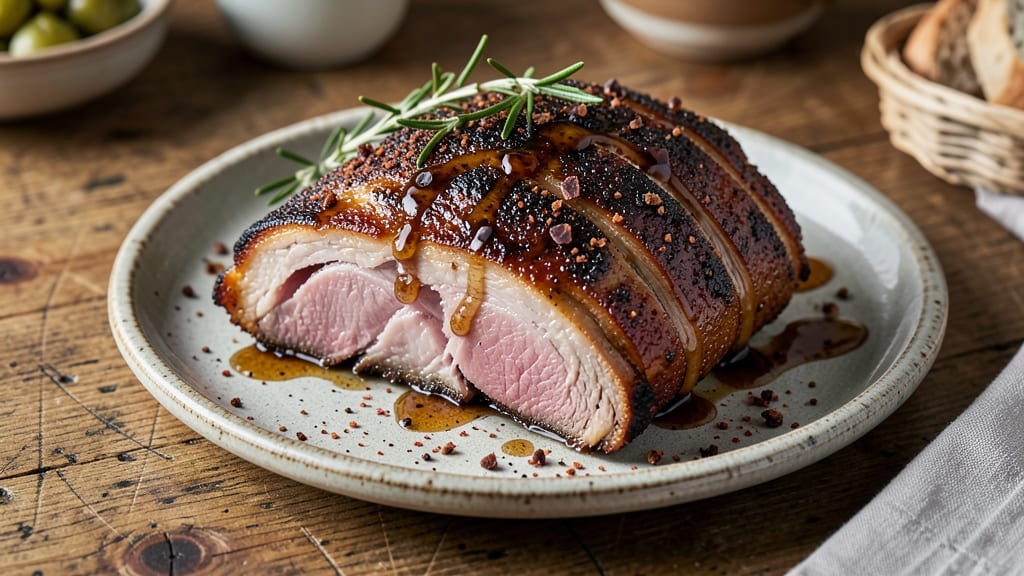
This best pull-apart pork recipe delivers the kind of fall-apart tenderness that makes every bite worth the wait. 🔥 I spent years perfecting the balance between smoky crust and sticky tamarind glaze—a technique I first developed while competing in the Southeast BBQ circuit.
The secret lies in low-and-slow cooking that transforms tough pork shoulder into melt-in-your-mouth perfection. What sets this apart is the tamarind glaze, which adds a bright, tangy contrast to the rich, caramelized exterior.
I use a dry rub of coffee, brown sugar, and smoked paprika to build that signature bark, then let the pork rest before glazing—this ensures every strand pulls cleanly. The result? A dish that's restaurant-quality but built for your home kitchen.
By the time you're done, you'll have pork so tender it practically dissolves on your tongue, with a glaze that's sweet, sticky, and just slightly spicy. The aroma alone will have your whole neighborhood asking for seconds.
This isn't just another pork recipe—it's the one that'll make you the BBQ star of your crowd. Pair it with classic sides like cornbread and collard greens, or serve it on buns for pulled pork sandwiches. The leftovers? Even better the next day. Let's get started on this showstopper.
Ingredients for best pull apart pork
Six pounds of pork shoulder plus a smoky-sweet glaze combo that'll have your crowd begging for seconds.
| Ingredient | Amount | Notes |
|---|---|---|
| Pork Shoulder (Bone-In) 🐖 | 6 lb | Well-marbled, 3-4 inches thick |
| Dark Brown Sugar 🍚 | ½ cup | Packed, for dry rub |
| Instant Coffee Granules ☕ | 2 tbsp | For smoky depth |
| Smoked Paprika 🌶️ | 2 tbsp | For signature bark |
| Kosher Salt 🧂 | 1 ½ tbsp | Diamond Crystal preferred |
| Ground Black Pepper 🌶️ | 1 tbsp | Freshly cracked |
| Garlic Powder 🧄 | 1 tbsp | Not garlic salt |
| Onion Powder 🧅 | 1 tbsp | For balanced flavor |
| Tamarind Paste 🍯 | ½ cup | Thick, not syrup |
| Honey 🍯 | ¼ cup | Wildflower preferred |
| Apple Cider Vinegar 🍶 | 2 tbsp | For tangy balance |
| Chili Powder 🌶️ | 1 tbsp | For subtle heat |
| Yellow Mustard 🍯 | 1 tbsp | For glaze adhesion |
| Yellow Onion 🧅 | 1 whole | Thinly sliced for garnish |
| Fresh Cilantro 🌿 | ¼ cup | Chopped, for garnish |
The pork shoulder is non-negotiable here—bone-in gives you that extra flavor and moisture. Costco or local butchers usually have the best cuts, but any grocery store with a meat counter will work. Look for a piece with good marbling—those little fat streaks are what make it tender. If you can't find bone-in, bone-out works too, but expect slightly less moisture. I always buy mine a day ahead and let it sit uncovered in the fridge—this helps the rub adhere better later. For the tamarind paste, Asian markets have the best selection, but the block kind at Trader Joe's works great if you're in a pinch.
No tamarind paste? Substitute 1/4 cup lime juice plus 1 tbsp brown sugar—it won't be identical, but it'll get you close. Running low on honey? Maple syrup works 1:1. The coffee granules can be swapped for 1 tbsp instant espresso powder if you've got it. For the glaze, if you can't find thick tamarind paste, mix tamarind syrup with 1 tbsp cornstarch to thicken it up. The yellow onion and cilantro are just for garnish—skip them if you're short on time, but they add that fresh pop that makes it look restaurant-worthy. Pro tip: Toast your spices in a dry pan for 30 seconds before mixing—they'll sing more in your rub.
This pork is a leftovers legend—better day two once all the flavors meld. Wrap it tightly in foil and refrigerate for up to 5 days, or freeze portions for 3 months. For serving, I like to shred it right on the cutting board and mix in some of the juices from the pan. Store the glaze separately and reheat it with a splash of water before drizzling over the top. The rub? Make a double batch—it keeps for 6 months in an airtight container and works on chicken or ribs too. Trust me, you'll want it for everything.
Why You'll Love This Recipe
- Deep, Smoky Magic: Honestly, the coffee and paprika combo is next level. That dark brown sugar caramelizes into a sticky, slightly sweet glaze while the coffee adds this unexpected depth—like a campfire in your mouth. The pork practically falls apart at the touch, and the flavor? Dangerously addictive.
- Budget-Friendly Crowd-Pleaser: A bone-in pork shoulder is cheap, and this recipe stretches it across multiple meals without breaking the bank. Plus, the ingredients? Basic pantry staples. I’ve fed six people for under $15, and no one ever complains—because let’s be real, this is the kind of dish that disappears fast.
Step-by-step instructions for slow-smoked tamarind pork shoulder
This method delivers melt-in-your-mouth tenderness with that perfect smoky-sweet bark.
🔥 Step 1: Prepare the Signature Dry Rub
In a large bowl, combine the 0.5 cup dark brown sugar, 2 tbsp instant coffee granules, 2 tbsp smoked paprika, 1.5 tbsp kosher salt, 1 tbsp ground black pepper, 1 tbsp garlic powder, and 1 tbsp onion powder. Mix thoroughly with your hands until the spices cling to each other—this ensures maximum flavor adhesion.
Here's the thing—don't skip the coffee granules. They add that subtle smoky depth that takes this from good to spectacular. Once fully mixed, transfer the rub to a small bowl for easy application. This dry blend is your flavor foundation, so take your time getting it right.
👨🍳 Step 2: Coat and Rest the Pork Shoulder
Pat the 6 lb pork shoulder completely dry with paper towels—this is CRITICAL for bark development. Then generously coat all sides with the dry rub, pressing it firmly into the meat so it sticks. I like to use my fingers to work the rub into crevices, especially around the bone.
Place the rubbed pork on a wire rack set over a rimmed baking sheet. This allows air circulation on all sides for even cooking. Cover loosely with plastic wrap and refrigerate for at least 4 hours (overnight is even better). This resting period lets the rub penetrate deeply and the meat come to room temperature gradually.
🔥 Step 3: Smoke the Pork Low and Slow
Preheat your smoker to 225°F using hickory or apple wood chips. When the smoker reaches temperature and you see clean blue smoke, place the pork shoulder fat-side up on the grill grates. Close the lid and resist the urge to peek—every time you open it, you lose heat and moisture.
Smoke the pork for 6-8 hours until the internal temperature reaches 165°F. You'll notice the bark forming a dark mahogany crust, and the meat will start to pull away slightly from the bone. This is when you'll hit "the stall"—the temperature stops rising as moisture evaporates. Don't panic; this is normal and expected.
🥘 Step 4: Wrap and Finish the Cook
When the internal temperature hits 165°F, remove the pork from the smoker and wrap it tightly in butcher paper (not foil). Return it to the smoker and continue cooking until the internal temperature reaches 200-203°F—this usually takes another 2-3 hours. The paper allows the pork to breathe while maintaining that beautiful bark.
Here's where the magic happens: the tamarind glaze. In a small bowl, whisk together the 0.5 cup tamarind paste, 0.25 cup honey, 2 tbsp apple cider vinegar, 1 tbsp chili powder, and 1 tbsp yellow mustard. Brush this glaze over the pork in the last 30 minutes of cooking. The acidity in the vinegar helps tenderize while the sweetness caramelizes beautifully.
⏰ Step 5: Rest and Slice for Maximum Juiciness
Once the pork reaches 203°F, remove it from the smoker and transfer to a cutting board. Tent loosely with foil and let it rest for at least 1 hour (2 hours is ideal). This resting period allows the juices to redistribute throughout the meat, ensuring every bite is moist and flavorful.
After resting, slice the pork against the grain into ½-inch thick slices. Garnish with thinly sliced yellow onion and chopped fresh cilantro right before serving. The result should be tender, juicy meat that practically falls apart with a fork, coated in that sticky-sweet tamarind glaze with perfect smoky-sweet bark.
Pro Tips For Making Best Pull Apart Pork
- CRANK THE HEAT FIRST: The pork shoulder needs a fast start—sear it hard over high heat for 5-7 minutes per side before adding liquid. I used to skip this, and the sugar just dissolved into the pan instead of caramelizing into a crust. High heat = flavor locked in.
- GRIND THE COFFEE FINE: Instant coffee granules stick in clumps if you don’t pulse them briefly in a spice grinder or crush them with a rolling pin. That’s how you end up with uneven flavor—some bites bitter, others bland. Take 30 seconds now to save 20 minutes of chewing later.
- DON’T PEEK OR STIR: After the initial sear, leave the pork alone for the first hour—no poking, no stirring, no checking. Every time you open the lid, you’re losing moisture and delaying the render. Trust the thermometer at 203°F (95°C) internal temp, not your guesswork.
- USE A MIX OF SUGARS: Dark brown sugar is great, but toss in 1 tablespoon of granulated sugar with the smoked paprika. The finer texture helps it cling to the meat better, and the combo caramelizes faster. I learned this after my first batch turned into a sticky mess—now it’s crispy in all the right spots.
Serving suggestions for best pull apart pork
Classic BBQ Sandwiches
Serve this pull-apart pork on brioche buns toasted until golden—trust me, the buttery richness complements the smoky pork perfectly. I like to pile high with pickled jalapeños for heat and shredded iceberg lettuce for crunch.
For extra decadence, add a smear of garlic aioli on the bottom bun before assembling. 🥪
For a Southern twist, swap buns for crusty sourdough and top with sliced white cheddar and caramelized onions. The tangy vinegar in the glaze pairs beautifully with the sharp cheese. I often make a double batch of pork just so I can serve these sandwiches all weekend.
Taco Night Upgrade
Turn your pork into taco night by shredding it finely and serving it in warm corn tortillas. Top with crumbled cotija cheese, pickled red onions, and avocado crema (blend avocado, sour cream, lime juice, and salt).
The tamarind glaze adds a sweet contrast to the spicy salsa. 🌮
For a crowd, set up a taco bar with all the fixings: charred corn, black beans, fresh cilantro, and lime wedges. I like to warm the tortillas in a dry skillet for that perfect texture. This is especially great for game days or family gatherings.
Loaded Potato Skins
For a heartier meal, serve the shredded pork in baked potato skins with all the fixings. Top each skin with shredded cheddar, crispy bacon bits, and a dollop of sour cream. The smoky pork adds a whole new dimension to this classic appetizer. 🥔
I often make a big batch of skins and load them with pork, then broil until the cheese is bubbly. Add a sprinkle of green onions and hot sauce for extra flavor. These disappear faster than you can say "seconds, please!"
Breakfast Pork Hash
Transform your leftovers into a Saturday morning hash by dicing the pork and cooking it with diced potatoes, bell peppers, and red onions in a cast-iron skillet.
Top with a fried egg and crumbled sausage for a hearty breakfast. The tamarind glaze adds a sweet-savory kick that wakes up your taste buds. 🍳
I usually make this hash the day after my BBQ feast—it’s the perfect way to use up any remaining pork. Serve with hot sauce and sliced avocado for a well-rounded meal. This is one of my favorite ways to repurpose this recipe!
Nutrition facts
Frequently asked questions
Can I use pork butt instead of pork shoulder?
Pork butt (also called Boston butt) works perfectly—it's essentially the same cut from a different part of the pig. The fat content is slightly higher, which actually enhances the flavor and tenderness. Just follow the same cooking times and temperatures, and you'll get that same melt-in-your-mouth texture.
How do I know when the pork is done without a meat thermometer?
If you don't have a thermometer, use the "finger test": press your finger into the meat—if it feels soft and the juices run clear, it's likely done. Another trick is to look for a dark mahogany bark and meat that pulls away slightly from the bone. However, I strongly recommend investing in a good thermometer for accuracy—203°F is your target internal temperature for perfect pull-apart texture.
Why does my pork turn out dry?
Overcooking is the #1 cause of dry pork. The key is patience—cook it low and slow until it reaches 203°F, then rest it for at least 1 hour before slicing. The resting period lets juices redistribute. Also, don't skip the butcher paper wrap after hitting 165°F—this maintains moisture while developing that beautiful bark.
Can I make this in an oven instead of a smoker?
Yes! Preheat your oven to 275°F and place the pork on a rack in a roasting pan. Add ½ cup apple juice to the pan to keep it moist. Cook until the internal temperature reaches 203°F (about 6-8 hours). For smokiness, add 2 soaked wood chips (like hickory) to the pan. The bark will be less pronounced but still delicious.
How long can I store the leftovers?
Leftovers keep beautifully! Store in an airtight container in the fridge for 5 days or freeze for 3 months. The flavors actually improve as the juices reabsorb. To reheat, warm in a skillet with a splash of broth or water until heated through. The glaze can be reheated separately and brushed on before serving.