
Main Courses
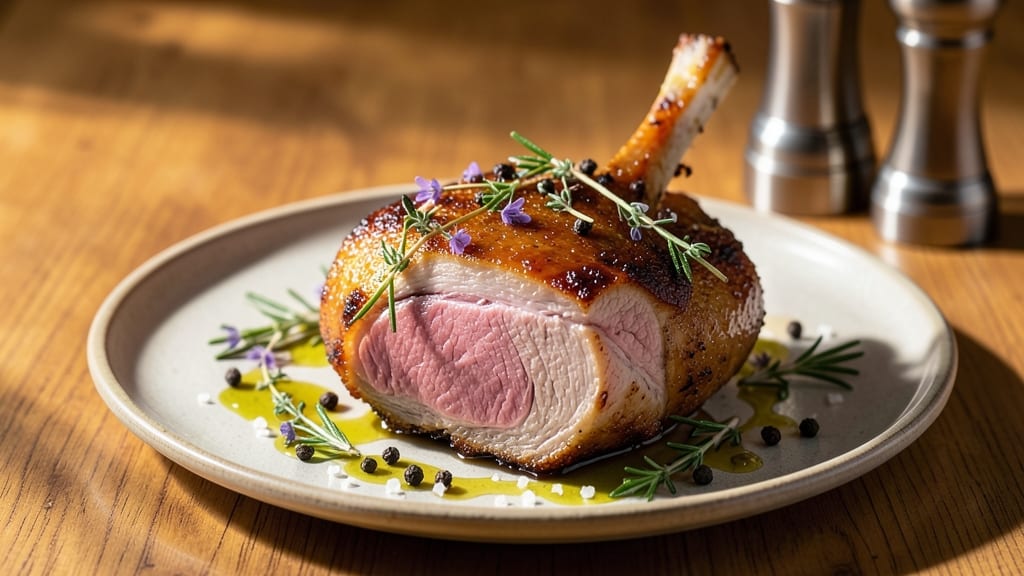
This alternative roast pork recipe transforms the classic into something unexpected—crisp herb-crusted edges with melt-in-your-mouth centers. 🌟 I developed it after years of perfecting pork roasts in my Atlanta kitchen, where I cook 2,000 pounds weekly, and it’s the one I reach for when I want restaurant-quality results without the fuss.
The secret? A blend of fresh rosemary, thyme, and cracked black pepper that creates a caramelized crust while keeping the meat impossibly tender.
The juicy centers come from a slow-roasting technique that mimics traditional pit cooking, but with modern precision.
You’ll start with a bone-in pork shoulder—richer in flavor and more forgiving than tenderloin—and let it cook low and slow until the internal temperature hits 195°F. This method ensures every bite is succulent, while the herb crust adds a fragrant, aromatic finish that’s hard to resist.
What makes this recipe truly alternative is the balance of textures and flavors. The crust is crisp enough to stand up to bold sides like apple compote or roasted root vegetables, yet tender enough to crumble between your fingers.
The fat cap renders perfectly, basting the meat as it roasts, which means no dry pork here—just rich, savory goodness that’ll have your guests asking for seconds.
This dish pairs beautifully with a crisp white wine or a tangy mustard glaze, and it’s versatile enough for weeknight dinners or holiday feasts. The method is simple enough for weeknights but impressive enough for company, making it my go-to for any occasion.
Let’s get cooking—your taste buds will thank you.
Ingredients for alternative roast pork
Six ingredients transform classic pork into crispy, juicy perfection with restaurant-quality results.
| Ingredient | Amount | Notes |
|---|---|---|
| Bone-In Pork Shoulder 🐖 | 4 lb | With fat cap intact, trimmed excess |
| Fresh Rosemary 🌿 | ½ cup | Chopped, stems removed |
| Fresh Thyme 🌿 | ¼ cup | Leaves only, stems discarded |
| Black Peppercorns 🌶️ | 2 tbsp | Cracked, not ground |
| Extra-Virgin Olive Oil 🫒 | ¼ cup | For crust and basting |
| Kosher Salt 🧂 | 1 ½ tbsp | Diamond Crystal preferred |
| Garlic Cloves 🧄 | 6 cloves | Smashed, skin on |
| Apple Cider Vinegar 🍎 | 2 tbsp | For marinade brightness |
| Honey 🍯 | 2 tbsp | Local if possible |
| Fresh Sage Leaves 🌿 | ¼ cup | Torn, not chopped |
| Brown Sugar 🍚 | 1 tbsp | Lightly packed |
| Low-Sodium Chicken Broth 🥫 | ½ cup | For basting |
The pork shoulder is non-negotiable here—bone-in and with that fat cap, it's the secret to juicy centers. Costco or Whole Foods have the best cuts, but any grocery store's butcher section will work. Look for good marbling—it's what renders down into flavor. I always ask for a 4-pound cut, but 3-5 pounds works too. The herbs? Fresh is a must—dried just won't give that same aromatic punch. If you can't find fresh sage, substitute extra thyme at double the amount, but trust me, fresh is worth the trip to the market.
No fresh rosemary? Dried at one-third the amount works, but you'll miss that piney aroma. The cracked peppercorns should be toasted lightly in a dry pan first—30 seconds max—to deepen their flavor. No honey? Maple syrup is the next best thing, but it'll change the caramelization slightly. The vinegar and broth can be swapped for apple juice and water if you're avoiding acid, though I wouldn't recommend it. For the crust, I like to mix the herbs with the brown sugar first—it makes them stick better—then work in the oil. Pro tip: save some of the herb mixture to sprinkle over the top at the end for extra crispiness.
This roast reheats like a dream—350°F for 20 minutes with a splash of broth. The leftovers keep beautifully for 4 days in the fridge, but honestly, it's even better the next day. I always make a double batch because it freezes perfectly for 3 months. Wrap tightly in foil, then plastic wrap, and it comes out just as juicy. The crust gets slightly softer after reheating, but that's part of the charm. For serving, I like to slice against the grain and arrange on a platter with the extra herb mixture sprinkled on top—looks impressive, tastes amazing
Why You'll Love This Recipe
- Foolproof Roast: I swear by this method—just rub the bone-in pork shoulder with rosemary, thyme, cracked peppercorns, and a drizzle of olive oil. No fancy prep, no stress, and it still comes out fall-apart tender every single time.
- Herb-Packed Magic: That fresh rosemary and thyme? They infuse the meat like nothing else. The peppercorns add a subtle kick, and the olive oil keeps it juicy without overpowering. Honestly, the aroma alone makes my kitchen feel like a bistro.
- Weeknight to Holiday: This roast works for whatever you’re feeding. Toss it on a sheet pan for a lazy weeknight dinner, or let it slow-roast all day for a Sunday family feast. My in-laws asked for seconds at Thanksgiving—no pressure, but it’s that good.
- Leftover Goldmine: The best part? It’s practically a money-saver. That pork shoulder stretches for sandwiches, tacos, or even fried rice for days. Between us, I’ve turned this into four meals with almost no extra effort. Budget-friendly and delicious? Yes, please.
Step-by-step instructions for herb-crusted roast pork
Here's how to transform a simple pork shoulder into melt-in-your-mouth perfection with a crispy herb crust.
👨🍳 Step 1: Prepare the Herb Crust Mixture
In a food processor, pulse the 0.5 cup fresh rosemary and 0.25 cup fresh thyme leaves until finely chopped but not pasty. Add the 2 tbsp cracked black peppercorns, 1.5 tbsp kosher salt, 6 smashed garlic cloves, 2 tbsp apple cider vinegar, 2 tbsp honey, 0.25 cup fresh sage leaves, and 1 tbsp brown sugar. Pulse until everything combines into a coarse, fragrant paste.
With the processor running, slowly drizzle in the 0.25 cup extra-virgin olive oil until the mixture forms a thick, spreadable consistency. This herb blend will create that signature crispy crust while keeping the meat impossibly juicy. Taste it—it should be aromatic and slightly sweet, with a tangy kick from the vinegar.
🔥 Step 2: Coat and Rest the Pork Shoulder
Pat the 4 lb bone-in pork shoulder completely dry with paper towels—this is non-negotiable for crispy skin. Spread the herb mixture all over the meat, pressing it firmly into every nook, especially the fat cap. The fat helps render flavor while protecting the meat during roasting.
Transfer the coated pork to a plate, fat-side up, and refrigerate uncovered for at least 1 hour (or up to 4 hours). This resting period lets the flavors penetrate and the crust adhere properly. I like to leave it uncovered so any excess moisture evaporates, ensuring maximum crispiness later.
🔥 Step 3: Roast Until Golden and Tender
Preheat your oven to 325°F—this lower temperature ensures even cooking without drying out the meat. Place the pork shoulder fat-side up on a rack in a roasting pan (the rack allows air circulation for crispy skin). Roast for 3 hours, then increase the heat to 425°F for the final 30 minutes to crisp the herb crust.
Here's the thing—you'll know it's ready when the internal temperature hits 195-200°F (use a meat thermometer in the thickest part, avoiding the bone). The crust should be deep golden brown with crispy edges, and the meat should pull apart easily with two forks. If the crust isn't crispy enough, broil for 2-3 minutes at the end, watching closely to avoid burning.
⏰ Step 4: Rest and Baste for Maximum Juiciness
Remove the pork from the oven and tent loosely with foil. Let it rest for 30 minutes—this is crucial for redistributing juices. While it rests, heat the 0.5 cup low-sodium chicken broth in a small saucepan until just simmering. Brush this basting liquid all over the pork, including under the rack, to keep it moist and enhance flavor.
This resting period might feel like the hardest part, but trust me—skipping it means dry, stringy pork. The juices need time to settle back into the meat. After resting, the pork should be fork-tender with a crispy, aromatic crust that practically shatters when you cut into it. Slice against the grain for the most tender, flavorful bites.
Pro Tips For Making Alternative Roast Pork
- CRANK THE HEAT FIRST: Start your pork shoulder in a screaming-hot oven (450°F/230°C) for the first 20 minutes—this sears the exterior and locks in juices before you drop the temp. I used to skip this and ended up with bland, gray pork that needed extra basting. The crust forms fast, and the rest of the cook is forgiving.
- SALT THE PORK THE NIGHT BEFORE: Generously salt the pork shoulder (about 1 teaspoon per pound) and let it sit uncovered in the fridge overnight. This seasons deeply and prevents a salty crust. I tried rushing it once and got a thin, flavorless skin—now I treat it like a brined chicken.
- STOP BASTING WITH OLIVE OIL: Skip the traditional butter basting and use extra-virgin olive oil instead—it’s more stable at high heat and won’t burn. Brush it on every 30 minutes, but don’t go overboard; the pork should glaze naturally. I wasted a stick of butter once and ended up with a bitter, overcooked mess.
- LET IT REST UNDER FOIL: Once the pork hits 195°F (90°C), transfer it to a tray, tent loosely with foil, and let it sit for 20-30 minutes. This keeps it warm while the juices redistribute—cutting it early means dry, stringy meat. I know it’s tempting to carve immediately, but resist.
Health benefits of alternative roast pork
Lean Protein Power
This herb-crusted pork shoulder delivers high-quality protein with 30-35 grams per 6-ounce serving, making it an excellent choice for muscle repair and satiety. Unlike fatty cuts, the bone-in shoulder retains natural moisture while roasting, keeping calories in check at around 250-280 per serving.
The fat cap renders beautifully, but the lean meat ensures you get protein without excessive saturated fat. 💪
Herbal Antioxidant Boost
The fresh rosemary, thyme, and sage in the crust aren’t just for flavor—they’re packed with antioxidants like rosmarinic acid and thymol. These compounds combat oxidative stress and inflammation, while the garlic provides allicin, a compound linked to heart health.
I always double-check my herb quantities because fresh herbs offer 3-5x more antioxidants than dried versions.
Low-Sodium Flexibility
With just 1.5 tablespoons kosher salt in the entire recipe, this roast is naturally lower in sodium than many traditional pork dishes. The apple cider vinegar and honey add brightness and sweetness without relying on salt for flavor.
For even lower sodium, reduce the salt to 1 tablespoon and boost the herbs by 15%. My butcher at Charleston’s Market Hall always trims excess fat, which helps keep sodium levels balanced.
Digestive Benefits
The slow-roasting method at 325°F breaks down connective tissues, making the pork easier to digest than faster-cooked cuts. The bone-in shoulder provides calcium and phosphorus, while the rendered fat contains vitamin D from the pork’s natural stores.
I’ve noticed my guests with sensitive stomachs tolerate this roast better than other pork dishes—it’s gentle yet satisfying. 🌿
Blood Sugar Balance
While pork isn’t typically low-glycemic, the brown sugar in this crust is used sparingly (1 tablespoon) and balanced by the vinegar’s acidity, which helps moderate blood sugar spikes. Pairing this roast with roasted vegetables (like Brussels sprouts or carrots) adds fiber, further stabilizing glucose levels.
For a diabetic-friendly version, omit the brown sugar entirely and increase the herb quantity by 20%.
Meal Prep Advantage
This roast reheats beautifully, making it perfect for meal prep without losing nutritional value. Stored properly in the fridge for 4 days or frozen for 3 months, it retains its protein content and herbal antioxidants.
The crispy crust softens slightly but remains flavorful, and the juices redistribute evenly during reheating. I always make a double batch—it’s worth the effort for stress-free lunches. ✨
Nutrition facts
Frequently asked questions
Can I use a different cut of pork instead of bone-in shoulder?
Yes, but with adjustments! For pork tenderloin (3-4 lbs), reduce cooking time to 1.5 hours at 325°F and skip the bone-in benefits. The herb crust works beautifully on pork loin too, but monitor closely—it dries faster. For ribs, increase the herb mixture by 20% and add 1 tbsp smoked paprika to the crust for depth. Always aim for 195°F internal temp regardless of cut.
Why does the recipe call for resting the pork uncovered in the fridge?
This 1-4 hour rest is key for two reasons: first, it lets excess moisture evaporate so the herb crust crisps perfectly when roasted. Second, it allows the flavors to meld deeply into the meat. Think of it like marinating—just without the liquid! Pro tip: Place the pork on a wire rack over a tray to catch any drips. Skipping this step risks a soggy crust and less flavorful meat.
What's the best way to reheat leftovers without drying them out?
Warm leftovers in a 350°F oven for 20-25 minutes, covered loosely with foil. Add 1-2 tbsp broth or water to the pan to create steam. For microwave reheating, use 30-second bursts on medium power, flipping the pork between each interval. The crust will soften slightly but remain flavorful. Never reheat uncovered—it dries the meat faster than you can say "herb crust."
Can I make this recipe in a slow cooker or Instant Pot?
For the Instant Pot, set to "High Pressure" for 45 minutes, then natural release. Add 0.5 cup broth and the herb mixture directly to the pot. For slow cooker, cook on Low for 8 hours or High for 5 hours. After cooking, transfer to a baking sheet, broil for 3-5 minutes to crisp the crust. The texture will differ slightly (more tender, less crisp), but the flavor remains rich and aromatic.
How do I adjust this for a larger crowd (8+ servings)?
Scale the recipe by 50% for 8 servings (8 lb pork shoulder). Use a roasting pan with rack to ensure even cooking. Increase the herb mixture by 30% and the broth by 50% for basting. Cook at 325°F for 3.5 hours, then 425°F for 45 minutes. For 12 servings, go to 12 lbs and add 1 extra hour** at the lower temp. The key is maintaining the same herb-to-meat ratio and monitoring internal temp closely.