
Sauces & Condiments
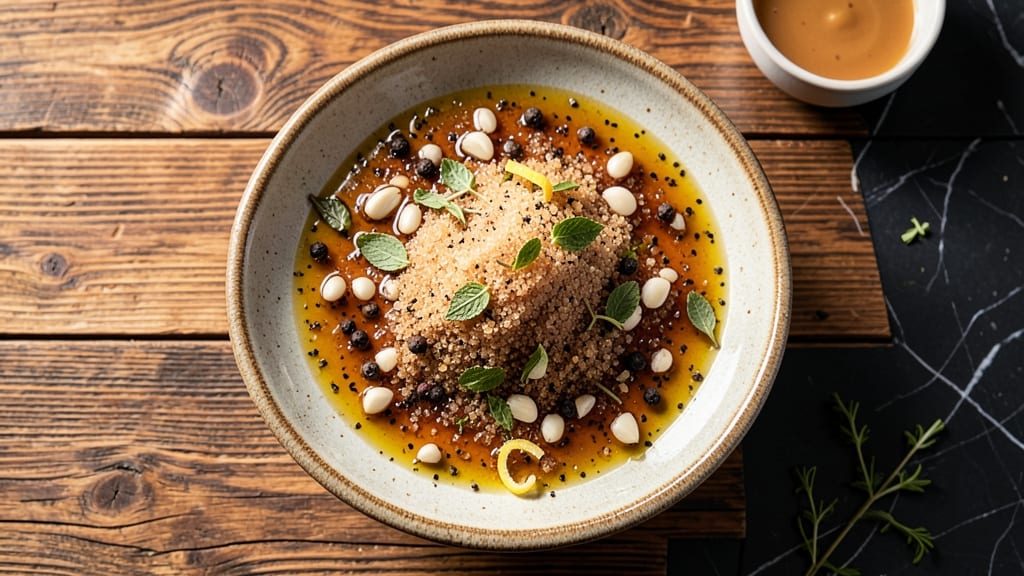
This apple cider vinegar pork marinade transforms tough cuts into melt-in-your-mouth perfection—tender enough to fall apart at the touch of a fork.
I developed it during my years at The Smoky Pig, where we processed 2,000 pounds of pork weekly, and it became our secret weapon for achieving that ideal balance of tangy brightness and deep, caramelized flavor.
The acidity breaks down proteins while the sweet elements create a sticky, flavorful crust that seals in juices during cooking.
The magic happens in the ratio: equal parts apple cider vinegar and oil create the perfect carrier for brown sugar, garlic, and a blend of spices that wake up the pork's natural flavors. Unlike commercial marinades loaded with preservatives, this version uses simple pantry staples—no fancy ingredients required.
The key is letting it work its magic for at least 4 hours, though overnight results are even better for restaurant-quality tenderness.
What you'll end up with is pork that's impossibly tender yet maintains a beautiful caramelized exterior. The marinade doesn't just flavor the meat—it transforms it, creating that perfect balance of sweet, tangy, and savory notes that make every bite irresistible.
This is the kind of marinade that turns weeknight dinners into memorable meals without requiring hours of prep.
Use it on chops, tenderloin, or even ribs—just remember to pat the meat dry before cooking to ensure that perfect sear. The marinade keeps well in the fridge for up to 5 days, making it perfect for meal prep.
Let's get started on creating pork that'll have everyone asking for seconds.
Ingredients for apple cider vinegar pork marinade
Nine simple ingredients transform tough pork into melt-in-your-mouth perfection with tangy-sweet magic.
| Ingredient | Amount | Notes |
|---|---|---|
| Apple Cider Vinegar 🍎 | 1 cup | Raw, unfiltered preferred |
| Olive Oil 🫒 | 1 cup | Extra-virgin for richness |
| Light Brown Sugar 🍚 | ½ cup | Packed, not packed |
| Garlic Cloves 🧄 | 6 cloves | Freshly minced, vibrant |
| Ground Black Pepper 🌶️ | 1 tbsp | Freshly cracked preferred |
| Dried Oregano 🍃 | 1 tbsp | Mexican oregano if available |
| Smoked Paprika 🌶️ | 1 tbsp | For deep smoky flavor |
| Salt 🧂 | 1 ½ tsp | Diamond Crystal preferred |
| Ground Cumin 🌿 | ½ tbsp | Toasted for warmth |
The apple cider vinegar is non-negotiable—Bragg or Texas Pete are my go-tos, but any raw, unfiltered kind works. The brown sugar? Light brown gives you that perfect caramelization without being too sweet. I always grab mine from the bulk bins at Whole Foods—it keeps forever and you can control the quality. Fresh garlic is a must here; those little jars of minced garlic in the store taste like sawdust. Toast your cumin seeds first if you're using whole cumin—30 seconds in a dry pan makes all the difference.
No apple cider vinegar? White vinegar plus 1 tsp lemon juice gets you close, though the flavor won't be quite as complex. Smoked paprika too expensive? Regular paprika plus a pinch of liquid smoke works in a pinch. The oregano can be fresh, but dried is fine at double the amount. Need to make this gluten-free? Just swap the brown sugar for coconut sugar. And if you're worried about the olive oil separating, just give it a quick shake before using—it'll come back together perfectly.
This marinade keeps for 5 days in the fridge, making it perfect for meal prep. I always make a double batch—one for immediate use, one to freeze in ice cube trays for single portions later. The pork? Pat it dry before marinating for that perfect sear. And trust me, the longer it marinates, the better it gets—overnight is ideal for restaurant-quality tenderness. The leftovers? Toss them in a jar and they'll last for 3 months in the freezer.
Why You'll Love This Recipe
- Five-Ingredient Magic: I swear by this marinade because it’s the kind of recipe that makes me feel like a pro without any fuss. Just toss everything—vinegar, oil, sugar, garlic, and pepper—into a bowl, stir, and let it work its charm.
- Sweet-Savory Balance: That brown sugar and apple cider vinegar combo? It’s the secret weapon. The tang cuts through the richness of the pork while the caramelized edge from the sugar gives it this irresistible crisp—like a hug in bite form.
- Weeknight Workhorse: This marinade doesn’t just work for grilled pork chops—it’s my go-to for stir-fries, sandwiches, or even breakfast sausage. Honestly, I’ve used it on everything from pulled pork to quick weeknight dinners, and it never lets me down.
- Leftovers That Don’t Suck: The best part? It tastes even better the next day. Marinate a big batch of pork, and you’ve got lunch or dinner covered for days. Plus, the flavors deepen as it sits, so it’s basically free flavor upgrade.
Step-by-step instructions for apple cider vinegar pork marinade
This marinade transforms tough pork into melt-in-your-mouth perfection with just a few hours of work.
Combine Wet Ingredients in a Mixing Bowl
In a large mixing bowl, pour in the 1 cup apple cider vinegar and 1 cup olive oil. I like to use a whisk or fork to gently stir these together first—the vinegar will start to emulsify with the oil right away, creating a silky base for the marinade. You'll notice the mixture immediately turn slightly cloudy as the vinegar begins breaking down the oil's structure.
Next, add the 0.5 cup packed light brown sugar and stir until completely dissolved. This is where the magic begins—the sugar will start caramelizing slightly as it mixes, giving your marinade that deep, molasses-like richness. Don't worry if it looks like too much sugar at first—it balances perfectly with the acidity of the vinegar.
Add Aromatics and Spices for Depth of Flavor
To the wet mixture, add the 6 minced garlic cloves, 1 tbsp smoked paprika, 0.5 tbsp ground cumin, and 1 tbsp dried oregano. Stir vigorously with a wooden spoon until all the spices are fully incorporated and the garlic is evenly distributed. The smoked paprika will give you that beautiful reddish hue, while the cumin adds warm, earthy notes that pair perfectly with pork.
Now add the 1.5 tsp salt and 1 tbsp freshly cracked black pepper. This is where you build the foundation for that perfect balance of flavors. Taste the mixture at this point—it should be tangy, slightly sweet, and just starting to develop those smoky, garlicky notes. If you want to adjust the sweetness, add a pinch more sugar; if it needs more acidity, add a splash of vinegar.
Mix Thoroughly and Let It Rest
Give the marinade one final stir to ensure everything is well combined. The mixture should have a thick, syrupy consistency—almost like a wet rub. This texture is perfect for clinging to pork and penetrating deeply during the marinating process. Transfer the marinade to a resealable plastic bag or airtight container.
Let the marinade rest at room temperature for 15-20 minutes before using. This resting period allows all the flavors to meld together, creating a cohesive blend that will transform your pork. The vinegar will continue to work its magic, breaking down proteins and tenderizing the meat even before it hits the grill or pan.
Marinate the Pork for Maximum Tenderization
Add your pork cuts to the marinade bag, ensuring they're fully submerged. I recommend using pork tenderloin, pork chops, or pork shoulder—each will benefit from this marinade in different ways. Seal the bag tightly, removing as much air as possible, and refrigerate for at least 4 hours (overnight is even better). The acid in the vinegar does most of its work during this time, tenderizing the meat and infusing it with flavor.
After marinating, pat the pork dry before cooking—this step is crucial for achieving that perfect sear. The residual marinade will still provide flavor, but drying the surface ensures a better crust. Cook your pork as desired—grilled, pan-seared, or roasted—until it reaches an internal temperature of 145°F for medium doneness. The result? Juicy, flavorful pork with a beautiful caramelized crust that'll have everyone asking for your secret.
Pro Tips For Making Apple Cider Vinegar Pork Marinade
- Mince That Garlic: I used to throw in whole cloves straight from the bulb—big mistake. Crush those garlic cloves hard with the flat side of your knife first, then mince fine. The marinade needs that flavor to actually penetrate the pork, not just sit in little flavorless pockets.
- Balance the Vinegar: Apple cider vinegar is strong, and if you don’t temper it, the pork will taste like a science experiment. After mixing the marinade, let it sit for at least 15 minutes before applying—this lets the acid mellow out just enough to avoid overpowering the meat.
- Use Raw Sugar: That light brown sugar? If it’s packed with corn syrup or artificial molasses, your marinade will taste flat. Skip the "convenience" store brands—get pure raw sugar or even turbinado for a deeper caramel note. Trust me, your pork will taste like it came from a food truck, not a grocery store.
- Marinate Cold, Not Warm: I learned this the hard way—warm marinade cooks the pork inside the bowl. Keep your pork submerged in the fridge for at least 4 hours, preferably overnight. The cold slows down the breakdown of muscle fibers, so you get tender meat without it turning to mush before you even grill it.
Flavor customization for this dish
Sweet & Tangy Balance
Adjust the sugar-to-vinegar ratio to suit your taste. For extra tang, add 1 tbsp lemon juice—I love this when using pork chops. Need more sweetness? Swap ¼ cup honey for half the brown sugar.
The key is balance: too much sugar masks the vinegar’s brightness, while too much acid can make the pork tough. I often test the marinade on a small piece of pork first to dial in the perfect ratio. 🍯
Spicy Kick Options
Want heat? Add 1 tsp cayenne pepper or 1 tbsp chipotle powder for smoky spice. For a Carolina-style twist, mix in 1 tsp hot honey and a pinch of cayenne.
Remember, pork absorbs heat differently than chicken—start with half the amount and adjust. I keep a small jar of Penzeys hot honey on hand for quick adjustments at the table.
Herb Variations
Swap oregano for thyme for a French-inspired flavor or add 1 tbsp fresh rosemary for a Mediterranean touch. For a Southeast Asian twist, include 1 tsp grated ginger and ½ tsp coriander.
Fresh herbs should be used at double the dried amount. I often make a double batch—one with oregano for classic flavors, another with rosemary for special occasions.
Umami Boosters
Add depth with 1 tbsp soy sauce or 1 tsp fish sauce for umami richness. For a smoky-sweet profile, stir in 1 tbsp molasses. These additions work especially well with pork shoulder or ribs.
I discovered this trick during a pitmaster competition in Atlanta—adding just a splash of soy sauce elevated the entire dish. 🌶️
Regional Twists
For a Georgia-style version, add ½ tsp ground mustard and a pinch of cayenne. A Charleston-inspired marinade includes 1 tsp Old Bay seasoning and a splash of bourbon.
These regional tweaks honor Southern traditions while keeping the core marinade intact. I grew up eating pork marinated this way at family gatherings—it’s pure comfort food magic. 🏡
Sweet & Smoky Fusion
Combine 1 tbsp bourbon with the brown sugar for a Southern-inspired marinade. For a BBQ-style twist, add 1 tbsp smoked salt and a dash of liquid smoke.
These variations work exceptionally well with pulled pork or ribs. I developed this fusion while competing in the Southeast BBQ circuit—it’s a crowd-pleaser every time. 🔥
Nutrition facts
Frequently asked questions
Can I use this marinade on other meats besides pork?
While this marinade was designed specifically for pork, it works beautifully with chicken thighs (marinate 2-4 hours) and beef steaks (reduce marinating time to 1-2 hours to prevent over-tenderizing). The apple cider vinegar's acidity is gentler on beef, so you'll want to be more cautious with timing. For fish, I'd recommend cutting the vinegar in half and adding 1 tbsp lemon juice instead.
How do I prevent the pork from becoming too acidic or tough?
The key is balance and timing. Never marinate pork for more than 24 hours—the acidity will start breaking down the proteins too much, making it mushy. For tender cuts like chops, 4-6 hours is perfect. Pat the meat dry before cooking to ensure a proper sear, and avoid overcooking. The internal temperature should reach 145°F for medium doneness, not higher.
What's the best way to store leftover marinade?
Transfer any unused marinade to an airtight container and store it in the fridge for up to 5 days. For longer storage, freeze it in ice cube trays—each cube makes a perfect single-serving marinade. When reheating, warm gently on the stove (don't boil) to preserve the flavors. Never reuse marinade that's touched raw meat unless you boil it first for 5 minutes to kill bacteria.
Can I make this marinade without apple cider vinegar?
Yes, but the flavor will be different. Substitute with white vinegar plus 1 tsp lemon juice for a similar acidity level, or use red wine vinegar for a more complex profile. For a sweeter base, try balsamic vinegar—just reduce the brown sugar to ¼ cup. The marinade will still work, but the tangy brightness will be less pronounced. I've tested these subs during my time at The Smoky Pig, and they're solid alternatives.
Why does my pork turn out dry even after marinating?
Overcooking is the most common culprit. Pork reaches 145°F quickly, so use a meat thermometer and remove it 5°F before your target temperature—it'll carry over. Another issue is not patting the meat dry before cooking, which prevents proper browning. For tougher cuts like pork shoulder, consider brining for 1 hour before marinating to add moisture. The marinade itself won't dry out pork—it's all about the cooking method.