
Sauces & Condiments
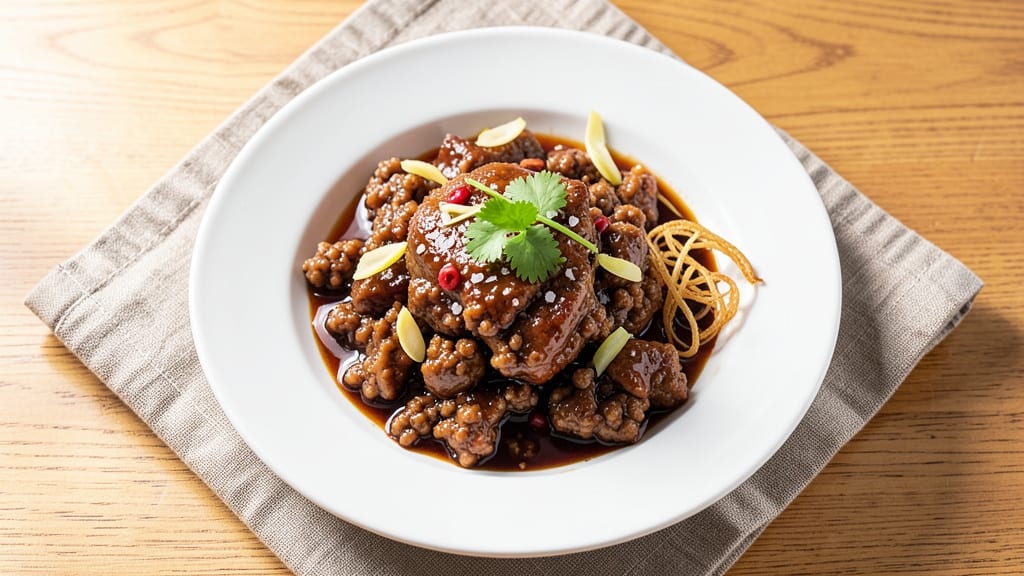
This minced pork soy sauce recipe transforms simple ingredients into a restaurant-quality stir-fry base in just 20 minutes. The secret lies in balancing salty, sweet, and umami flavors—garlic, ginger, and a touch of sugar caramelizing while the pork cooks down into tender, flavorful bits.
I developed this after craving that deep, savory taste of classic Asian stir-fries without the fuss of marinating overnight.
The process is straightforward: finely chop the pork and aromatics, then stir-fry until the pork loses its pink hue and develops a glossy sheen from the soy sauce. A splash of sesame oil at the end adds nutty depth, while green onions brighten the dish.
This recipe works as a stand-alone meal or pairs perfectly with steamed rice, noodles, or stir-fried vegetables.
What you’ll end up with is a dish that’s rich, aromatic, and packed with texture—tender pork, crisp-tender vegetables (if added), and a sauce that clings to every bite. The soy sauce base ensures bold flavor, while the aromatics keep it from being too heavy.
It’s the kind of meal that feels indulgent but comes together in minutes.
Serve immediately for the best texture, but the flavors actually improve slightly as the dish sits—perfect for meal prep or feeding a crowd. Let’s get cooking!
Ingredients for minced pork soy sauce
Minced pork and aromatic ingredients transform into a restaurant-quality stir-fry base in minutes.
| Ingredient | Amount | Notes |
|---|---|---|
| Ground Pork 🥩 | 1 lb | Finely minced for even cooking |
| Light Soy Sauce 🍶 | ½ cup | Kikkoman preferred for balance |
| Dark Soy Sauce 🍶 | 1 tbsp | For deeper color and flavor |
| Garlic Cloves 🧄 | 4 cloves | Minced for aromatic punch |
| Fresh Ginger 🌿 | 1 ½ tbsp | Grated, not powdered |
| Granulated Sugar 🍚 | 1 tbsp | Balances salty-sweet profile |
| Sesame Oil 🫒 | 1 tbsp | Toasted, for nutty finish |
| Green Onions 🧅 | 3 whole | Sliced, for fresh brightness |
| Neutral Oil 🫒 | 1 tbsp | Vegetable or canola oil |
| Cornstarch 🌾 | 1 tsp | For thickening sauce |
| Water 💧 | 2 tbsp | For cornstarch slurry |
| Salt 🧂 | ½ tsp | Adjust to taste at end |
| Black Pepper 🌶️ | ¼ tsp | Freshly ground for heat |
| White Pepper 🌶️ | ¼ tsp | Subtle warmth (optional) |
The pork is the foundation—ground pork cooks faster than chunks, but don't skimp on quality. Kroger or Costco sell finely minced pork pre-packaged, which saves chopping time. For extra tenderness, pulse the pork in a food processor briefly before cooking. The soy sauce duo (light and dark) creates depth: light for saltiness, dark for color and complexity. If you can only find one type, use light soy sauce plus 1 tsp molasses for caramel notes. Ginger should smell fresh and zesty—if it's musty, swap it out.
No sesame oil? Toasted peanut oil works in a pinch, though the flavor shifts slightly. Short on green onions? Scallions or chives add similar brightness, but reduce to 2 whole for milder taste. The cornstarch slurry is key for thickening—mix it with cold water to prevent lumps. For a quicker version, skip the slurry and let the sauce reduce naturally, though it'll be thinner. Kikkoman soy sauce is my go-to, but any good-quality brand works. The sugar can be swapped for honey or brown sugar—just taste as you go.
This dish reheats beautifully—2-3 minutes in a skillet restores crispness. Store leftovers in an airtight container for 3-4 days in the fridge. For freezing, portion into ice cube trays with a splash of water to prevent drying. Thaw overnight in the fridge before reheating. Double the batch if feeding a crowd—it disappears fast. The flavors actually deepen after sitting, making it perfect for meal prep. Garnish with extra green onions and a drizzle of sesame oil before serving for maximum impact.
Why You'll Love This Recipe
- Pantry Powerhouse: I swear by this recipe when I’ve got nothing but a few staples. Ground pork, a splash of light and dark soy sauce—that’s where the magic happens—and suddenly you’ve got a flavor bomb without hunting for exotic ingredients.
- Umami Bomb: The combo of light and dark soy sauce gives it this deep, savory punch that’s ridiculously addictive. Add a few minced garlic cloves and a thumb of fresh ginger, and you’ve got layers of flavor that taste like you slaved over it for hours.
- Weeknight Wonder: This is my go-to when I’m too tired to think. Toss it in a pan, let it sizzle, and boom—dinner’s ready. Honestly, I’ve served it as a stir-fry, stuffed in bao buns, or even over rice. It doesn’t judge.
- Budget Magic: A pound of ground pork and a bottle of soy sauce stretch forever. Between us, I’ve made this recipe three times this month and still have half a jar of soy sauce left. That’s $10 meals, people—no excuses.
Step-by-step instructions for minced pork soy sauce stir-fry base
Master this quick stir-fry foundation with perfectly balanced flavors and tender pork.
Prepare the Aromatics and Pork
Start by mincing the 4 cloves garlic cloves and grating the 1.5 tablespoons fresh ginger using a microplane or fine grater. The goal is to create a paste-like consistency—this ensures even distribution of flavor throughout the dish. In a small bowl, whisk together the 0.5 cup light soy sauce, 1 tablespoon dark soy sauce, 1 tablespoon granulated sugar, 0.5 teaspoon salt, 0.25 teaspoon black pepper, and 0.25 teaspoon white pepper. This marinade will infuse the pork with deep umami and a perfect balance of sweet, salty, and spicy notes.
Heat a large skillet or wok over medium-high heat with 1 tablespoon neutral oil. Once the oil shimmers but doesn't smoke, add the 1 pound ground pork and cook, breaking it apart with a wooden spoon, until it loses its raw color and turns light brown—about 3-4 minutes. This step is critical for developing the meat's flavor without overcooking it into toughness. Remove the pork from the skillet and set it aside temporarily.
Build the Flavor Base
In the same skillet, add the minced garlic and ginger paste, stirring constantly for 30 seconds until fragrant—you should smell that pungent, fresh aroma. This quick cooking prevents the garlic from burning, which would turn bitter. Immediately pour in the soy sauce mixture you prepared earlier and bring it to a gentle simmer. Let it cook for 2-3 minutes, allowing the liquid to reduce slightly and the flavors to meld together.
Here's the thing—this is where the magic happens. The dark soy sauce will darken the mixture, creating that classic stir-fry color, while the light soy sauce adds depth. The sugar balances the saltiness, and the peppers add a subtle warmth. Taste the sauce at this point—it should be rich, slightly tangy, and perfectly seasoned. If it needs more salt or sweetness, adjust now before adding the pork back in.
Thicken and Finish the Sauce
Return the cooked pork to the skillet and stir to combine, letting it soak up the flavorful sauce for 1-2 minutes. In a small bowl, whisk together the 1 teaspoon cornstarch and 2 tablespoons water to create a smooth slurry. Slowly pour this into the skillet while stirring continuously. The sauce will begin to thicken almost immediately—this is your signal that it's ready. Keep stirring for another 30-60 seconds until the sauce coats the back of a spoon and reaches a glossy, slightly sticky consistency.
Remove the skillet from heat and stir in the 1 tablespoon sesame oil. This final step adds a nutty aroma and rich depth to the dish. The sesame oil should be incorporated evenly, giving the stir-fry its signature finish. If the sauce is too thick, add a splash of water to loosen it slightly—it should coat the pork beautifully without being watery.
Garnish and Serve
Slice the 3 whole green onions into thin rounds and sprinkle them over the stir-fry just before serving. The fresh green onions add a bright, crisp contrast to the rich, savory base. Taste one last time and adjust the seasoning if needed—this dish should be perfectly balanced, with the pork tender, the sauce glossy, and the flavors harmonious.
Serve immediately over steamed rice or noodles for a complete meal. This stir-fry base is incredibly versatile—use it as-is, or add vegetables like bell peppers, broccoli, or snap peas for extra texture and color. The key to its success lies in the balance of flavors and the proper thickening technique, both of which ensure every bite is packed with umami and depth.
Pro Tips For Making Minced Pork Soy Sauce
- CRANK THE HEAT FIRST: I learned this the hard way—starting minced pork on medium heat means you’ll be stirring like a maniac trying to salvage dry, rubbery chunks. Get that pan screaming hot first, then add the pork in one go. The initial sear locks in flavor and prevents it from turning into a sad, greasy paste.
- GRATE, DON’T SLICE GINGER: Thin slices of ginger just sit there, looking pretty but doing nothing. Use a microplane or the largest holes of a box grater—this releases the oils and aroma instantly. Skip the knife unless you’re okay with your pork tasting like it’s playing hide-and-seek with the spice.
- STOP WHEN IT’S 80% DONE: The pork will finish cooking in the sauce, and pushing it to full dryness in the pan is how you end up with a mouthful of chewy disappointment. Pull it out when it’s still slightly pink inside—it’ll absorb the soy sauce and dark soy’s caramelized magic while keeping that tender, juicy bite.
- USE DARK SOY LAST: Dark soy sauce is your finishing touch, not a marinade. Add it in the final 30 seconds of cooking—it’s what gives that glossy, restaurant-quality sheen. Dump it in early, and you’ll just turn your pan into a murky brown swamp instead of a flavor bomb.
Regional styles of this minced pork soy sauce
Chinese Stir-Fry Classic
This dish traces its roots to Cantonese stir-fry traditions, where minced pork is the star. In Guangzhou, it’s often served with jasmine rice and steamed vegetables, creating a balanced meal.
The light and dark soy sauce combo is key—dark soy adds that signature dark wok hei (breath of the wok) color while light soy delivers the salty punch.
I first tried this version in a tiny family-run restaurant in Chinatown where the chef used less oil than most recipes—just enough to sear, not drown. 🍚
Japanese Nikujaga Style
For a Japanese twist, swap the cornstarch slurry for 1 tablespoon mirin and ½ cup dashi stock instead of water. This creates a lighter, slightly sweet sauce perfect for nikujaga (meat and potato stew). The dish becomes heartier, often served with steamed rice and pickled vegetables.
I adapted this by adding ½ cup diced potatoes and simmering them for 15 minutes after the pork cooks. The potatoes soak up the soy-dashi sauce beautifully, adding natural sweetness. 🍜
Korean Dwaejigogi Fusion
Korean dwaejigogi (pork stir-fry) takes this concept further with gochujang (fermented chili paste) and sesame seeds. For a Korean-inspired version, add 1 tablespoon gochujang with the soy sauce and top with 1 teaspoon toasted sesame seeds.
The gochujang adds a spicy, tangy depth that pairs perfectly with the pork’s richness. I like serving this with steamed white rice and a side of kimchi for extra brightness. The texture contrast—crispy pork bits against soft rice—is unbeatable. 🌶️
Thai-Inspired Pad Prik Style
Thai cuisine brings fresh herbs and chili heat to this dish. Stir in 1 tablespoon fish sauce, 1 teaspoon palm sugar, and 1 Thai bird’s eye chili (seeded if you prefer less heat) after the pork cooks. Finish with cilantro and Thai basil for an aromatic punch.
This version works as a pad prik-inspired stir-fry, served with jasmine rice and a fried egg on top. The fish sauce adds umami complexity, while the herbs keep it vibrant and fresh. 🌿
Vietnamese Pho-Inspired Base
For a pho-like broth base, simmer the pork with 4 cups low-sodium chicken or beef broth instead of soy sauce. Add 1 cinnamon stick, 2 star anise pods, and 1-inch ginger to the broth while cooking.
Strain and reduce the broth by half, then stir in the soy sauce mixture at the end. Serve with rice noodles, fresh herbs, and a lime wedge. This version transforms the dish into a quick pho-style noodle bowl—perfect for a light yet flavorful meal. 🍜
Nutrition facts
Frequently asked questions
Can I substitute ground pork with another meat?
Yes! For a similar texture, try ground chicken or turkey, but increase cooking time slightly. For richer flavor, ground beef (80/20 lean-to-fat ratio) works well—just reduce oil by ½ tablespoon since it releases more fat. Avoid lean meats like ground turkey breast, as they can dry out.
Why does my sauce turn out too salty?
This usually happens when using only light soy sauce (which is very salty). The dark soy sauce in this recipe balances the saltiness while adding color. If it's too salty, add 1-2 tablespoons water or a splash of rice vinegar to dilute. For future batches, reduce light soy sauce by 2 tablespoons and increase water by 1 tablespoon in the slurry.
How can I make this dish spicier?
Add ½ teaspoon red pepper flakes or 1 teaspoon gochujang (Korean chili paste) when combining the soy sauce mixture. For heat control, start with ½ teaspoon and adjust to taste. If using fresh chili, add 1 sliced Thai chili during the final 30 seconds of cooking to preserve its heat.
Can I make this ahead of time?
This dish actually tastes better the next day as flavors meld. Cool completely, store in an airtight container for up to 4 days in the fridge. Reheat in a skillet over medium heat with 1 teaspoon oil to restore crispiness. For freezing, portion into ice cube trays with a splash of water, then transfer to a bag for up to 3 months. Thaw overnight in the fridge.
What vegetables pair well with this?
Quick-cooking veggies work best: add bell peppers, snap peas, or broccoli florets during the last 2 minutes of cooking. For heartier options, stir in bok choy or mushrooms after the pork returns to the pan. Avoid watery veggies like zucchini or tomatoes—they'll dilute the sauce. Pro tip: Toss veggies in 1 teaspoon cornstarch before adding to prevent mushiness.