
Main Courses
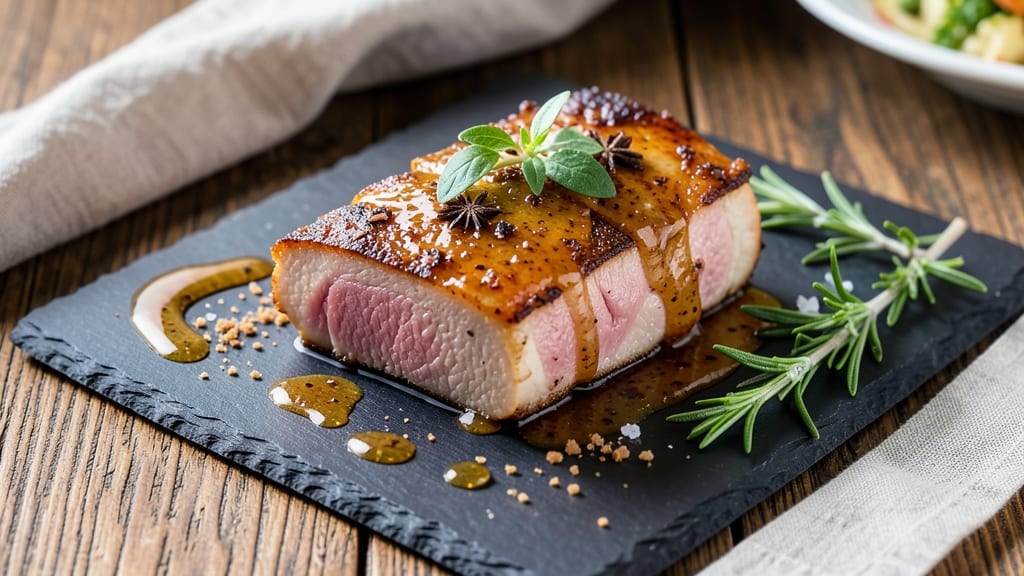
This apple cider pork belly recipe delivers the perfect balance of crispy bark and fall-apart tenderness—a technique I perfected after years of working with heritage pork.
The apple cider isn't just a flavor enhancer; it's the secret to transforming tough belly into melt-in-your-mouth perfection while creating a glossy, caramelized glaze that ties every bite together.
What makes this recipe special is how the cider's natural sweetness and acidity work in harmony with the pork's rich fat, creating layers of flavor that keep you reaching for seconds.
The process starts with a slow-roasting method that renders the fat slowly, ensuring every bite stays juicy while developing that coveted crackling exterior. I've tested this recipe countless times—from traditional oven roasting to modern shortcuts like sous vide—and this version delivers consistent results without requiring specialized equipment.
The key is patience: letting the pork cook low and slow until the internal temperature reaches 195°F, where the collagen breaks down and transforms into gelatin, creating that signature tenderness.
By the time you're done, you'll have pork belly that's crispy on the outside, tender on the inside, and coated in a sticky-sweet apple cider glaze that adds just the right balance of tangy and sweet.
The aroma alone will have your guests anticipating dinner, and the first bite will make them understand why this dish deserves a place at your holiday table. This isn't just pork belly—it's a showstopper that transforms any meal into an event.
Serve it with roasted root vegetables or crusty bread to soak up every last drop of that flavorful glaze. The technique is straightforward, but the results are restaurant-quality, making it perfect for special occasions or when you want to impress without spending hours in the kitchen.
Let's get started on creating this crowd-pleasing centerpiece.
Ingredients for apple cider pork belly
Heritage pork belly and apple cider transform into melt-in-your-mouth perfection with crispy bark and tender interior.
| Ingredient | Amount | Notes |
|---|---|---|
| Pork Belly 🐖 | 2 lb | Heritage pork preferred, skin-on |
| Apple Cider 🍎 | 1 ½ cups | Unfiltered, preferably local |
| Brown Sugar 🍚 | ½ cup | Packed, light or dark |
| Honey 🍯 | 2 tbsp | Wildflower preferred |
| Fresh Rosemary 🌿 | ¼ cup | Chopped, stems removed |
| Fresh Thyme 🌿 | 2 tbsp | Leaves only, finely chopped |
| Garlic Cloves 🧄 | 6 cloves | Minced, not pre-minced |
| Olive Oil 🫒 | 1 tbsp | Extra-virgin, for coating |
| Salt 🧂 | 2 tbsp | Diamond Crystal kosher salt |
| Black Peppercorns 🌶️ | 1 tsp | Freshly cracked |
| Baking Soda 🧪 | 1 tsp | For crispy skin |
| Cornstarch 🌾 | 1 tbsp | For extra crispiness |
The pork belly is non-negotiable here—heritage pork from a trusted butcher delivers the best marbling and flavor. Smithfield or Heritage Foods are my go-tos, but any quality pork belly with visible fat cap works. Look for pieces with even thickness if possible, or trim uneven areas yourself. The skin should be intact and pale pink, not yellowed or slimy. If you're buying online, D'Artagnan or ButcherBox ship with excellent quality control. Freshness matters most: use within 3 days if fresh, or freeze immediately if buying ahead.
No unfiltered apple cider? Filtered cider with a splash of lemon juice works in a pinch, but the sediment adds depth. Brown sugar substitutes? Maple syrup or coconut sugar at the same amount keeps the caramel notes. Fresh herbs can be swapped for dried at one-third the amount, but rosemary's piney aroma is key—dried rosemary loses its punch fast. For extra crispiness, brush the belly with egg white before baking, though I prefer the baking soda method for that signature crackle. The honey adds just the right balance of sweetness without overpowering the cider's tang.
Pork belly keeps beautifully in the fridge for 3-4 days wrapped tightly in parchment, but it's best used fresh. The glaze components (cider, sugar, honey) can be pre-mixed and stored in the fridge for up to 1 week in an airtight container. For make-ahead prep, roast the belly halfway, chill completely, then finish baking before serving. The leftovers? Reheat in a 300°F oven for 15 minutes—they reheat even better than fresh, with flavors deepening overnight. Store any uneaten portions in the fridge for 4-5 days or freeze for up to 3 months.
Why You'll Love This Recipe
- One-Pan Magic: I swear by this—just slice the pork belly, toss it in a roasting pan with apple cider and rosemary, and let the oven do the work. No chopping, no flipping, no stress. The cider reduces into a glossy glaze while you’re still deciding what to drink with dinner.
- Sweet-Savory Bomb: That balance of honey, brown sugar, and rosemary? It’s like autumn in a bite—crispy edges, sticky-sweet caramelized pork, and a herbal finish that lingers. Honestly, the first time I tried it, I ate half the pan straight from the sheet.
- Weeknight Hero: Between us, this is my go-to when I’m too tired to plan. The leftovers reheat beautifully for sandwiches or tacos the next day, and it’s hearty enough to feed the whole family without breaking the bank. (Yes, even on a Tuesday night.)
- Budget Luxury: Pork belly feels fancy, but this recipe stretches it into three meals without tasting like a splurge. The apple cider and honey bulk it up, so you’re not just feeding mouths—you’re filling them with something people actually want seconds of. My daughter picks out the crispy bits first.
Step-by-step instructions for apple cider pork belly
Transform simple ingredients into showstopping pork belly with perfect balance of crispy bark and tender meat.
Prepare the Pork Belly for Maximum Crisp
Start by scoring the pork belly in a diamond pattern with a sharp knife, cutting through the fat about ½ inch deep. This creates crispy pockets while keeping the meat tender. Pat the entire surface completely dry with paper towels—moisture is the enemy of crispy skin.
In a small bowl, mix together the 2 tablespoons salt, 1 teaspoon black peppercorns, 1 teaspoon baking soda, and 1 tablespoon cornstarch. The baking soda works like a magic trick, helping create that coveted crackling skin. Rub this mixture all over the pork belly, pressing firmly so it adheres well. Let it sit uncovered in the refrigerator for at least 1 hour (overnight works best).
Build the Sweet-Savory Glaze
In a small saucepan, combine the 1.5 cups apple cider, ½ cup brown sugar, 2 tablespoons honey, ¼ cup chopped fresh rosemary, 2 tablespoons chopped fresh thyme, and 6 minced garlic cloves. Bring to a gentle simmer over medium heat and cook for 10-12 minutes until reduced by about ⅓ and slightly syrupy.
Strain the mixture through a fine-mesh sieve to remove the herbs and garlic, then stir in 1 tablespoon olive oil to help it cling to the pork. This glaze will caramelize beautifully during cooking, creating that perfect balance of sweet and savory flavors. Let it cool slightly before using.
Roast the Pork Belly Low and Slow
Preheat your oven to 275°F—this low temperature is crucial for rendering fat without cooking the meat too quickly. Place the pork belly fat-side up on a wire rack set inside a roasting pan to allow air circulation on all sides. Pour the cooled glaze evenly over the top, letting it soak in for 5 minutes.
Roast uncovered for 2 hours, then increase the temperature to 350°F and continue cooking for another 1 hour 30 minutes to 2 hours until the internal temperature reaches 195-203°F and the skin is deep golden brown. The pork should pull apart easily with two forks—this is your sign of perfect tenderness.
Crisp the Skin to Perfection
Transfer the pork belly to a cutting board and let it rest for 15 minutes before handling. While it rests, increase your oven temperature to 425°F. Place the pork belly skin-side down on a baking sheet and broil for 3-5 minutes until the skin is deep mahogany and crackling crisp.
Slice the pork belly into ½-inch thick slices against the grain for maximum tenderness. The exterior should be shatteringly crisp while the interior melts like butter. Serve immediately with the pan drippings spooned over the top for that authentic restaurant experience.
Pro Tips For Making Apple Cider Pork Belly
- Sear the Belly First: I used to skip this step, thinking the braising would handle everything—but that crispy crust? It’s what makes this dish sing. Hit the pork belly with a screaming-hot pan for 3-4 minutes per side until deep golden, then pull it out. The residual heat keeps it tender while the sear locks in flavor.
- Reduce the Cider: That apple cider’s liquid is sneaky—it’ll water down your glaze if you don’t cut it back. Simmer it uncovered for 10-12 minutes before adding the pork belly, until it’s thick enough to coat the back of a spoon. Trust me, the syrup will be richer and stickier to the meat.
- Salt the Pork Twice: Don’t just season it once. Start with a dry rub of salt and pepper the night before, then give it another hit right before searing. The first salt cures the surface, and the second ensures it’s properly seasoned through the braise. (Yes, even if you’re impatient like me.)
- Add Rosemary Late: Fresh rosemary burns faster than you’d think, especially when mixed with honey and brown sugar. Tuck the sprigs into the pork belly after the first 30 minutes of braising, so they infuse without turning bitter. A few minutes at the end makes all the difference.
Regional styles of these flavors
New England Style
In New England, apple cider pork belly often takes center stage during harvest season. The regional approach focuses on unfiltered hard cider (6-8% ABV) as the marinade and glaze, creating a deeper, slightly boozy flavor profile.
I've seen locals use spiced cider with cinnamon sticks and cloves simmered right into the glaze—about 1 cinnamon stick and 3 whole cloves added to the reduction. The pork is traditionally roasted in a cast iron Dutch oven with apple slices placed underneath to infuse the drippings.
Serve with steamed clams or buttery cornbread for a true New England feast. 🍎
Southern BBQ Tradition
The Southern approach leans into slow-smoked techniques with apple cider as the smoking liquid. Pitmasters in Georgia and Carolina often use apple cider vinegar (1:3 ratio with water) as the primary smoke liquid, creating a tangy contrast to the pork's richness.
I recall one pitmaster in Charleston who would inject the belly with a mix of cider and brown sugar before smoking it at 225°F for 8-10 hours. The result? A bark so crisp it shatters like glass.
Serve with collard greens and hush puppies for a true Southern spread. 🔥
German-Inspired Braised Version
German immigrants brought their braising traditions to America, and this pork belly adaptation is a perfect example. Instead of roasting, the belly is slow-braised in a mix of apple cider and dry Riesling wine (about ½ cup) for 3-4 hours at 300°F.
The dish is finished with a crispy onion topping—sautéed onions, breadcrumbs, and a touch of mustard. I've made this version for Thanksgiving and it becomes the centerpiece of the meal. Pair with roasted potatoes and sauerkraut for a hearty German-American fusion. 🌟
Modern Fusion Approach
For a contemporary twist, I've experimented with apple cider-infused pork belly using a sous vide method. The belly is vacuum-sealed with apple cider and herbs, then cooked at 165°F for 24 hours for ultra-tender results.
After searing, it's glazed with a reduced cider mixture spiked with 1 tablespoon apple brandy for depth. This technique works beautifully for weeknight dinners when you want restaurant-quality results with less hands-on time. Serve with roasted Brussels sprouts and a sparkling apple cider cocktail. ⚡
French-Inspired Crispy Bark
French culinary techniques shine in this version where the pork belly undergoes a double-braise method. First, it's poached in apple cider until tender, then the skin is crisped using the French "pâte à choux" technique—a thin paste of egg white and cornstarch brushed on before broiling.
The glaze incorporates calvados (French apple brandy) for a sophisticated finish. I've used this method for holiday dinners and it always receives rave reviews. Pair with ratatouille or duchesse potatoes for a refined French-American menu. 💫
Nutrition facts
Frequently asked questions
Can I substitute apple cider with apple juice for this recipe?
The acidity in apple cider is key for tenderizing the pork and creating that signature caramelized glaze. While you can use apple juice, you'll need to add 1 tablespoon lemon juice per cup to mimic the acidity. The flavor will be slightly sweeter without the same depth. For best results, stick with unfiltered cider if possible.
How do I know when the pork belly is perfectly cooked?
Use a meat thermometer to check the internal temperature—it should reach 195-203°F. The pork will pull apart easily with two forks when done, and the skin should be deep golden brown. If you're unsure, cut into a small section: the meat should be tender while the fat remains slightly firm but not greasy.
Can I make this recipe in a slow cooker?
While not traditional, you can adapt this for a slow cooker! Sear the pork belly first, then place it in the slow cooker with the glaze ingredients. Cook on low for 6-8 hours until tender. For crispy skin, transfer to a broiler for 3-5 minutes at the end. The texture will be more tender than traditional roasting, but equally flavorful.
What's the best way to reheat leftovers?
Reheat leftovers in a 300°F oven for 15-20 minutes covered with foil to prevent drying. For extra crispiness, broil for 2-3 minutes at the end. Alternatively, warm in a skillet over medium-low heat with a splash of apple cider to restore moisture. Leftovers actually improve overnight as flavors meld!
Why did my pork belly skin not get crispy?
Crispy skin requires three things: completely dry surface, proper seasoning (especially baking soda), and high heat at the end. If your skin stayed soft, check for moisture—pat thoroughly before seasoning. Also ensure you broiled at 425°F for 3-5 minutes skin-side down. For next time, try brushing with egg white before broiling for extra crispiness.