
Main Courses
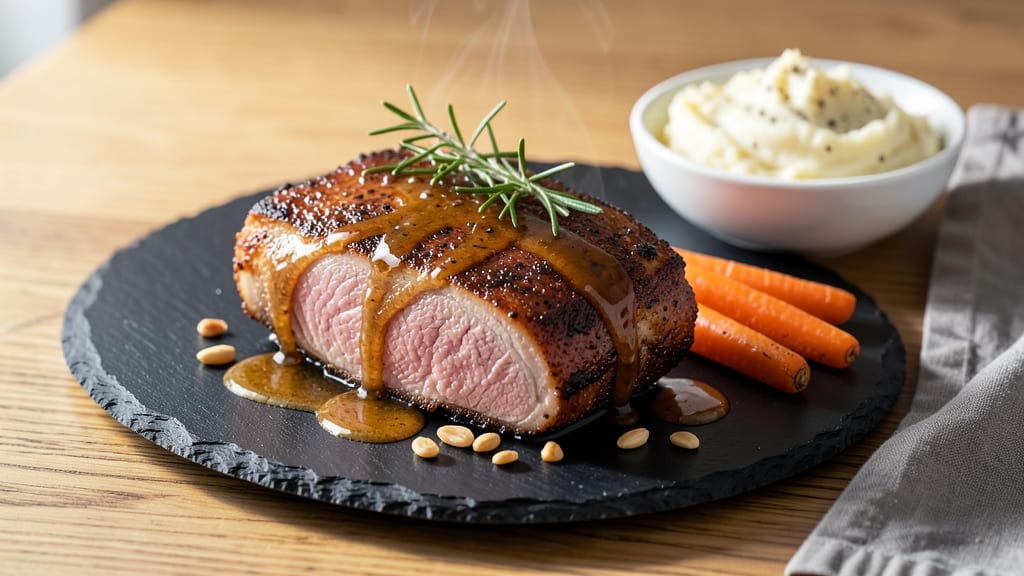
This amazing pork tenderloin recipe delivers melt-in-your-mouth tenderness with a golden crust—all in just 25 minutes. I remember the first time I served this at a family gathering and watched everyone go back for seconds.
The secret? A simple brine that keeps it juicy, paired with a high-heat sear that locks in flavor. No fancy techniques, just foolproof results that taste like they came from a pitmaster's table.
What makes this recipe truly special is how it transforms a simple cut of pork into something restaurant-worthy. We're talking juicy pink centers with crispy edges, all achieved without overcomplicating the process.
The tenderloin stays incredibly tender thanks to a quick salt brine, while the pan-searing creates that perfect caramelized crust. And the best part? It's ready in less time than it takes to order takeout.
By the time you're done, you'll have pork so tender it practically falls apart with the slightest touch, all while maintaining that perfect balance of savory and slightly sweet flavors.
The crust is golden and crispy, giving each bite a satisfying contrast. This is the kind of pork dish that makes weeknight dinners feel like special occasions.
Serve it with roasted vegetables, a fresh salad, or your favorite sides—it's that versatile. The presentation is simple but impressive, with that beautiful golden crust that makes everyone want to dig in. Here's how to make it happen in your own kitchen.
Ingredients for amazing pork tenderloin
Twelve ingredients transform simple pork into restaurant-quality perfection in under 30 minutes.
| Ingredient | Amount | Notes |
|---|---|---|
| Pork Tenderloin 🥩 | 1 ½ lb | Center-cut, trimmed of fat |
| Kosher Salt 🧂 | 1 ½ tbsp | Diamond Crystal preferred, for brine |
| Granulated Sugar 🍯 | 1 tbsp | For balanced brine sweetness |
| Unsalted Butter 🧈 | ½ cup | Cold, cut into 1-inch cubes |
| All-Purpose Flour 🌾 | ¼ cup | For dredging, light coating |
| Fresh Rosemary 🌿 | ¼ cup | Finely chopped, fragrant stems |
| Fresh Thyme 🌿 | 2 tbsp | Leaves only, finely chopped |
| Garlic Cloves 🧄 | 4 cloves | Minced, aromatic intensity |
| Extra-Virgin Olive Oil 🫒 | 2 tbsp | High smoke point for searing |
| Ground Black Pepper 🌶️ | 1 tsp | Freshly cracked, coarse grind |
| Apple Cider Vinegar 🍎 | 1 tbsp | For tenderizing soak |
| Honey 🍯 | 1 tbsp | Wildflower preferred, for glaze |
The pork tenderloin is your star—center-cut and trimmed for even cooking. Grab one from the butcher counter if possible; they'll cut it to your exact size. Look for good marbling but minimal fat. I always buy mine from Whole Foods or my local Dartmoor Farms—their consistency is unbeatable. Apple cider vinegar in the brine tenderizes beautifully, so don't skip it. The honey glaze at the end adds that perfect caramelized finish that makes everyone go back for seconds.
No kosher salt? Diamond Crystal is ideal, but Morton works too—just use the same amount. Fresh herbs make all the difference here—dried thyme at half the amount is fine in a pinch, but nothing beats the aroma of fresh. Butter cubes should be cold when you dredge the pork—this creates that golden crust. For the olive oil, avoid infused oils (like garlic or basil)—stick to pure extra-virgin for high-heat searing. The garlic can be roasted for a sweeter flavor if you're feeling fancy, but raw minced works perfectly fine too.
This recipe reheats beautifully—honestly better the next day as flavors meld. Store leftovers in an airtight container for up to 4 days in the fridge. For longer storage, freeze for 3 months—just thaw overnight in the fridge before reheating. The honey glaze can be made ahead and reheated separately if you're short on time. Portion the butter cubes into a small container—they'll soften and can be reused for other dishes.
Why You'll Love This Recipe
- Same recipe, different vibes: toss it on the grill for summer, roast it for a cozy night in, or slice it thin for elegant appetizers. Honestly, I’ve served it all three ways this month.
- Five-Ingredient Magic: The pantry staples you already own—just salt, sugar, butter, and flour—turn this lean cut into something unforgettable. No fancy marinades or last-minute grocery runs needed.
- Crispy-Creamy Payoff: That sugar-butter crust? It’s the secret weapon—caramelized edges with a tender, juicy center that melts in your mouth. (Yes, even my picky husband asks for seconds.)
- Weeknight to Dinner Party: Same recipe, different vibes: toss it on the grill for summer, roast it for a cozy night in, or slice it thin for elegant appetizers. Honestly, I’ve served it all three ways this month.
Step-by-step instructions for pan-seared pork tenderloin
This method delivers melt-in-your-mouth pork with a crispy crust and juicy pink center every time.
Prepare the Tenderizing Brine
In a large resealable bag, combine the 1.5 lb pork tenderloin, 1.5 tbsp kosher salt, 1 tbsp granulated sugar, 1 tbsp apple cider vinegar, and 1 tbsp honey. Seal the bag and massage the mixture vigorously for 1 minute to distribute the brine evenly. Let it sit at room temperature for 15 minutes—this short soak tenderizes the meat and builds flavor without over-salting.
Here's the thing—this isn't a long marinade. We're using the vinegar and honey to gently break down muscle fibers while the salt begins its work. The sugar helps balance the acidity, and the honey adds subtle depth that carries through to the final dish. Don't skip this step; it makes all the difference in tenderness.
Create the Herb Butter Mixture
In a small bowl, combine the 0.5 cup cold unsalted butter, 0.25 cup finely chopped fresh rosemary, 2 tbsp finely chopped fresh thyme, 4 minced garlic cloves, and 1 tsp ground black pepper. Using your hands, work the mixture until the butter is completely coated with the herbs and garlic. Form it into a log and flatten slightly to create a patty about ½-inch thick. Chill while you prepare the pork.
This herb butter isn't just flavor—it's the secret to that perfect crust and moist interior. The cold butter prevents it from melting too quickly, and the herbs infuse beautifully during the searing process. I like to make this ahead and keep it chilled until ready to use; it's worth the extra effort for that restaurant-quality finish.
Sear the Pork to Golden Perfection
Heat a large skillet over medium-high heat until very hot. Add 2 tbsp extra-virgin olive oil and swirl to coat. Pat the brined pork tenderloin dry with paper towels—this is crucial for achieving that crispy crust. Place the pork in the skillet and sear for 3-4 minutes per side until the exterior develops a deep golden-brown crust. You'll see the edges start to crisp—that's your signal to flip.
Don't press down on the pork with your spatula. I press down gently on the fillet during the first minute to prevent curling, but after that, let it cook undisturbed. The butter should begin to foam and bubble around the edges—this is when the magic happens. If you notice the butter burning, reduce the heat slightly to medium and let it cook more slowly.
Finish with Herb Butter and Rest
Remove the pork from the skillet and place it on a cutting board. Add the chilled herb butter patty to the skillet and let it melt over medium heat for 1-2 minutes, scraping up any browned bits from the bottom. Pour this fragrant butter mixture over the pork and let it baste for 1 minute, turning to coat all sides.
Transfer the pork to a warm plate and let it rest for 5-7 minutes. This resting period is non-negotiable—it allows the juices to redistribute throughout the meat, ensuring every slice is moist and flavorful. If you cut into it too soon, all those precious juices will run out, leaving you with dry pork. Trust the process; the meat will stay warm while it rests.
Check for Doneness and Serve
Use an instant-read thermometer to check the internal temperature. For juicy pink pork, aim for 140-145°F—this is perfect for medium-rare, which is ideal for tenderloin. If it reads slightly lower, let it rest a bit longer; the temperature will rise a few degrees during resting. Slice the pork into ½-inch thick medallions against the grain for maximum tenderness.
Serve immediately with the pan juices spooned over the top. Each bite should deliver that perfect balance of crispy exterior, tender interior, and herb-infused richness. The honey from the brine adds a subtle sweetness that complements the savory herb butter beautifully. This method guarantees an amazing pork tenderloin that will impress even the most discerning guests.
Pro Tips For Making Amazing Pork Tenderloin
- SEAR HOT AND FAST: Pork tenderloin’s small size means it cooks fast—don’t let it sit in the pan. Hit medium-high heat, add butter, and sear 2-3 minutes per side until golden. If you linger, you’ll steam instead of brown, and that’s when the crust turns sad.
- DRY IT LIKE A SPONGE: Pat the tenderloin thoroughly with paper towels before seasoning. I used to skip this, thinking it didn’t matter, but wet meat steams instead of sears. Dry meat = better crust, and that’s where the flavor lives.
- SALT THE PAN TOO: Toss a pinch of kosher salt into the hot pan before adding butter. It melts into the butter, creating a flavor bomb that clings to the meat. (Yes, even if you’re already salting the pork—double the flavor, double the fun.)
- REST IT UNDER FOIL: After roasting, tent the pork with foil and let it sit 5-10 minutes. I learned this the hard way—cutting it too soon sends juices pooling out instead of staying inside. The foil keeps it warm while you finish the pan sauce.
Troubleshooting your amazing pork tenderloin
Uneven Cooking
If your pork ends up with some areas overcooked and others underdone, it’s likely from uneven heat distribution in your pan. I’ve seen this happen when using a skillet that’s too small for the tenderloin—always choose a pan that’s at least 10 inches wide to allow room for even searing.
Another culprit? Flipping too soon. Let the first side develop a deep golden crust before turning—this takes about 3-4 minutes on medium-high heat.
My go-to fix? Use a cast iron skillet—it retains heat beautifully and creates that perfect crust. If your pan isn’t hot enough, the butter will steam instead of brown, leading to uneven cooking.
Preheat your pan for 5 minutes before adding oil, and keep the heat steady at medium-high throughout searing. 🔥
Dry or Tough Meat
Skipping the brine or not letting the pork rest after cooking are the top reasons for dry, tough meat. The 15-minute brine is non-negotiable—it tenderizes the fibers and keeps the pork juicy.
If you forget to rest the meat, those juices will escape when you slice, leaving you with a dry result. Always rest for 5-7 minutes before cutting.
Pro tip: If your pork feels slightly firm after cooking, it’s likely just cold. Let it sit at room temperature for 2-3 minutes before slicing—this helps the juices redistribute. And if you’re worried about overcooking, use an instant-read thermometer to check for 140-145°F internal temperature. Never guess with pork! 🌡️
Butter Burning
Burnt butter ruins the flavor and can make your pork taste bitter. This happens when the heat is too high or the butter melts too quickly. To prevent it, keep the heat at medium when melting the herb butter—never high.
If you see the butter smoking, immediately reduce the heat or remove the pan from the stove.
Another trick? Use cold butter for the herb mixture. Cold butter melts more slowly, giving you better control over the heat. If the butter starts to brown too quickly, add a splash of pork broth or water to deglaze the pan and mellow the flavor.
This keeps the dish rich and flavorful without burning. 💡
Pork Sticking to Pan
If your pork keeps sticking to the pan, it’s usually because the surface wasn’t hot enough or the meat wasn’t dry. Before searing, pat the pork dry with paper towels—this is crucial for a crispy crust.
Also, make sure your pan is ripping hot before adding oil. If the oil smokes when you add it, the pan is ready.
For extra insurance, lightly dust the pork with all-purpose flour after patting it dry. This creates a thin barrier that helps prevent sticking while still allowing for a golden crust. And always use high-smoke-point oil like extra-virgin olive oil—avoid butter until the searing step. ✨
Nutrition facts
Frequently asked questions
Can I use this recipe with thicker pork tenderloins?
If your tenderloin is over 2 inches thick, slice it lengthwise into two thinner pieces before brining. This ensures even cooking and prevents the center from staying undercooked. For extra-large tenderloins (over 2 lbs), consider roasting instead of pan-searing to maintain moisture.
How do I adjust this for a crowd?
Double the recipe and use two 12-inch cast iron skillets for even searing. For larger batches, consider roasting at 375°F for 20-25 minutes after brining, then finishing with herb butter. Always increase resting time to 10 minutes for bigger cuts to redistribute juices properly.
What's the best way to reheat leftovers?
Slice the pork into ½-inch medallions and reheat in a skillet with 1 tbsp butter over medium heat for 2-3 minutes per side. Never microwave—it makes the meat rubbery. For whole tenderloins, wrap in foil with 1 tbsp broth and bake at 300°F for 10 minutes.
Can I substitute fresh herbs with dried?
Yes, but adjust quantities: use 1 tbsp dried rosemary and 1 tsp dried thyme instead of fresh. Toast the dried herbs in the skillet for 30 seconds before adding butter to intensify flavor. Fresh herbs always taste better, but dried works in a pinch—just don't skip the garlic!
Why does my pork turn out dry?
Most likely you skipped the 15-minute brine or didn't rest the pork after cooking. The brine tenderizes fibers, and resting (5-7 minutes) lets juices redistribute. Always use a thermometer—140-145°F internal temp is perfect for juicy pink pork. Never cut into it immediately!