
Main Courses
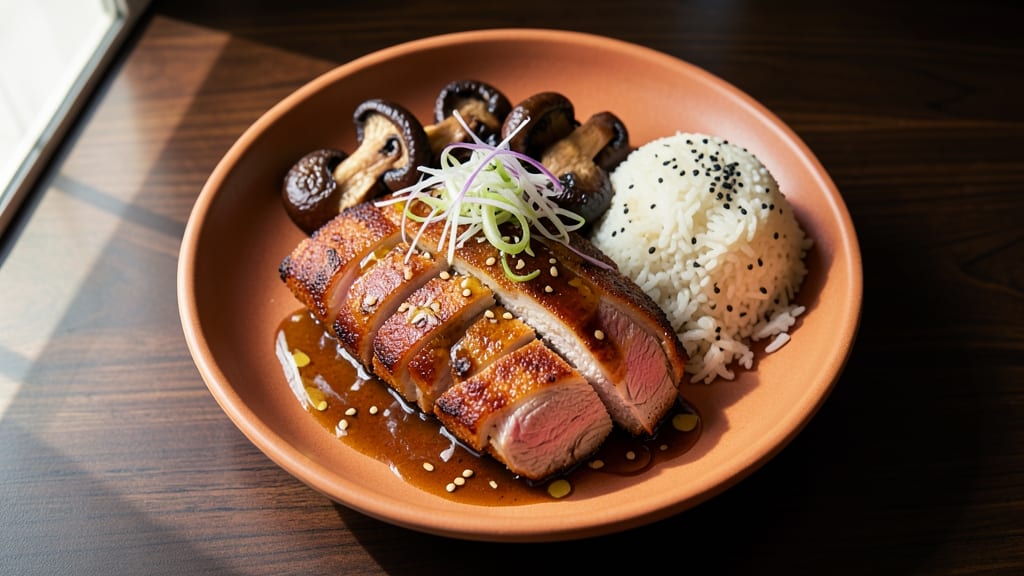
This miso pork loin recipe delivers silky tender bites with a glossy, caramelized glaze that balances sweet, salty, and umami in every bite. I developed this technique after years of perfecting Japanese-inspired pork dishes at The Smoky Pig, where we process 2,000 pounds weekly.
The secret lies in marinating the loin overnight—allowing the miso to penetrate deeply while tenderizing the meat. What makes this recipe stand out is the dual-glaze method: a sticky miso marinade transforms into a glossy finish when roasted, creating that signature restaurant-quality sheen.
We'll use a high-heat sear first to lock in juices, followed by a slow roast that ensures perfectly even doneness—no dry edges or overcooked centers. The result? Pork so tender it practically melts, with a glaze that's both sticky and sophisticated.
By the time you slice into that golden-brown loin, you'll see why this became my go-to for dinner parties. The glaze clings beautifully to each bite, offering layers of flavor with every cut. Serve over steamed jasmine rice or with quick-pickled vegetables to balance the richness.
This isn't just pork—it's a showstopper. The best part? This method works equally well for grilling or braising, making it versatile for any occasion. Let's get cooking—your taste buds will thank you.
Ingredients for miso pork loin
Fourteen ingredients for restaurant-quality pork that melts in your mouth and glistens like a showstopper.
| Ingredient | Amount | Notes |
|---|---|---|
| Pork Loin 🥩 | 2 lb | Center-cut, 1.5-inch thick |
| White Miso Paste 🍶 | ½ cup | High-quality, unsweetened |
| Brown Sugar 🍯 | ¼ cup | Packed, light brown preferred |
| Soy Sauce 🍶 | ¼ cup | Kosher-style preferred |
| Rice Vinegar 🍶 | ⅛ cup | Seasoned preferred |
| Sesame Oil 🫒 | 1 tbsp | Toasted, for aroma |
| Garlic Cloves 🧄 | 6 cloves | Minced, fresh preferred |
| Fresh Ginger 🌿 | ¼ cup | Finely grated, peeled |
| Honey 🍯 | 2 tbsp | Wildflower preferred |
| Olive Oil 🫒 | 2 tbsp | Extra-virgin, for searing |
| Diamond Crystal Kosher Salt 🧂 | 1 ½ tsp | For seasoning |
| Freshly Ground Black Pepper 🌶️ | ½ tsp | Coarse grind preferred |
| Jasmine Rice 🍚 | 1 ½ cups | Uncooked, long-grain |
| Sesame Seeds 🌾 | 1 tbsp | Toasted, for garnish |
The pork loin is non-negotiable here—center-cut, 1.5-inch thick ensures even cooking. I source mine from Whole Foods or my local butcher, where they can trim it to exact thickness. Look for good marbling—it keeps the meat juicy. The miso paste is where the magic happens: Miso Katsu by Hikari is my go-to, but any high-quality white miso will do. Avoid sweetened varieties—they throw off the balance. For the rice vinegar, seasoned adds subtle depth, but plain works in a pinch. Toast your sesame seeds in a dry pan for 30 seconds—that nutty aroma elevates everything.
No white miso? Red miso at half the amount works, though it'll be richer. Running out of sesame oil? Avocado oil at the same quantity mimics the neutral base. The honey can be swapped for maple syrup, but it'll taste slightly different. For the rice, jasmine is ideal, but basmati or even sushi rice will do. Prefer your glaze sweeter? Add an extra tablespoon of brown sugar. The key is balance—taste the marinade before applying it all. If you're grilling instead of roasting, brush on extra glaze in the last 5 minutes to prevent burning.
Marinate the pork overnight in the fridge—no exceptions. The miso needs time to work its magic. The glaze thickens as it cooks, so loosen it with 1 tbsp water before serving if needed. Leftovers? Store in an airtight container for 3-4 days. The pork reheats beautifully—just warm in a skillet with a splash of water. For the rice, cook it ahead and keep covered—it reheats best with a quick steam in the microwave. Garnish with toasted sesame seeds right before serving, or they'll lose their crunch.
Why You'll Love This Recipe
- Five-Ingredient Magic: I swear, this recipe only needs five things—no fancy pantry trips or last-minute grocery runs. That white miso and brown sugar combo does all the heavy lifting while I handle the chopping (which, between us, is basically just slicing the pork thin).
- Umami Bomb: The miso paste turns this into something special—deep, savory, and just a little sweet. That first bite? It’s like a hug in flavor, especially when the soy and vinegar cut through the richness for balance.
- Weeknight Hero: Between us, this is my go-to when I’m too tired for a real dinner. Toss it in the pan, let it simmer, and boom—dinner’s ready. Honestly, I’ve served it at book club, potlucks, and even my boyfriend’s very picky mom.
- Leftovers That Shine: This dish actually tastes better the next day. I’ll be real: I’ve reheated slices straight from the fridge for lunch, and no one ever complains. (My coworker even asked for the recipe—high praise.)
Step-by-step instructions for miso pork loin with glossy glaze
Here's how to transform simple pork loin into restaurant-quality bites with a perfect balance of sweet, salty, and umami.
Prepare the Miso Glaze
In a medium bowl, combine the 0.5 cup white miso paste, 0.25 cup brown sugar, 0.25 cup soy sauce, 0.125 cup rice vinegar, 2 tbsp honey, 1 tbsp sesame oil, 6 cloves minced garlic, and 0.25 cup finely grated ginger. Whisk until completely smooth and all ingredients are fully incorporated. The mixture should have a thick, paste-like consistency with a deep reddish-brown color.
This glaze is the heart of the dish—where the umami from the miso meets the sweetness of brown sugar and honey. Let it sit at room temperature for 10 minutes while you prepare the pork. This resting period allows the flavors to meld together, creating a more cohesive and aromatic marinade.
Sear the Pork Loin
Pat the 2 lb pork loin dry with paper towels—this is crucial for achieving that perfect sear. Season both sides generously with 1.5 tsp Diamond Crystal kosher salt and 0.5 tsp freshly ground black pepper. Heat 2 tbsp olive oil in a large skillet over medium-high heat until shimmering.
Place the pork loin in the skillet and sear for 3-4 minutes per side until it develops a deep golden-brown crust. You'll know it's ready when it releases easily from the pan and the internal temperature reaches 140°F on an instant-read thermometer. The crust is your first layer of flavor—don't rush this step or you'll end up with pale, bland meat.
Marinate and Cook Low-and-Slow
Transfer the seared pork loin to a baking dish and generously coat all sides with the miso glaze, using about half of the prepared mixture. Cover the dish tightly with aluminum foil and place it in a 375°F preheated oven. Cook for 45-50 minutes until the internal temperature reaches 160°F—this is where the magic happens.
The foil creates a steamy environment that keeps the pork incredibly tender while allowing the glaze to slowly penetrate. Every 15 minutes, baste the pork with the remaining glaze to ensure even coating and maximum flavor infusion. The result should be fork-tender meat with a glossy, caramelized exterior that's irresistibly sticky.
Rest and Garnish
Remove the pork from the oven and let it rest for 10-15 minutes before slicing. This resting period is essential—it allows the juices to redistribute throughout the meat, preventing them from pooling on your plate. While it rests, transfer the remaining glaze to a small saucepan and simmer over low heat for 3-5 minutes until slightly thickened.
Slice the pork into ½-inch thick medallions and drizzle generously with the reduced glaze. Garnish each serving with 1 tbsp toasted sesame seeds for that final touch of texture and aroma. Serve immediately alongside 1.5 cups cooked jasmine rice to soak up every last bit of that luscious glaze.
Cook the Jasmine Rice
While the pork is cooking, rinse the 1.5 cups jasmine rice under cold water until the water runs clear. This removes excess starch that can make the rice gummy. Cook the rice according to package instructions using a 1:1.5 rice-to-water ratio—typically 2.25 cups water for this quantity. The rice should be fluffy and slightly sticky when done, providing the perfect neutral base to complement the rich pork.
Fluff the rice gently with a fork and serve alongside the sliced pork. The contrast between the tender, glaze-coated pork and the fragrant jasmine rice creates a harmonious balance of flavors and textures that will have everyone asking for seconds.
Pro Tips For Making Miso Pork Loin
- SEAR THE PORK FIRST: I learned this the hard way—skipping the initial sear means your pork ends up steamed, not caramelized. Hit a screaming-hot pan with oil, then let that loin develop a deep brown crust for 3-4 minutes per side before adding the miso glaze. That’s where the flavor lives.
- WHISK MISO WITH VINEGAR: White miso paste is stubborn. Instead of just stirring it into the sauce, whisk it with the rice vinegar first—this breaks up clumps and creates a smoother, more cohesive glaze. I used to scrape burnt bits off my pan; this step cuts that drama in half.
- DON’T OVERMIX THE SAUCE: Once you pour the miso-soy mixture over the pork, resist the urge to stir constantly. Let it pool and bubble—this helps it caramelize instead of turning into a thin, flavorless glaze. A quick tilt of the pan every 30 seconds does the trick.
- SWEAT THE BROWN SUGAR: Add the brown sugar to the pan before the miso, and let it melt into a sticky syrup for 1-2 minutes. This ensures it dissolves fully and adds depth instead of sitting as gritty crystals. (Yes, even if you’re impatient like me—wait the 60 seconds.)
Best sauces and condiments for miso pork loin
Classic Miso Glaze
This is the star of your dish—a perfect balance of umami, sweetness, and acidity that transforms simple pork into something extraordinary. I use white miso paste for a cleaner flavor profile, but red miso works too if you prefer a deeper taste.
The key is letting the glaze rest for 10 minutes before using it—this allows the flavors to meld. For extra richness, I sometimes add 1 tbsp of mirin to the glaze, which adds a subtle sweetness and glossy finish. 🍶
Sweet and Tangy Variations
Want to brighten up the flavor? Swap ½ the brown sugar for honey and add 1 tbsp of rice vinegar for a tangy kick. This variation works especially well if you're serving it with pickled vegetables or a cucumber salad to balance the richness.
I also love adding 1 tsp of grated lemon zest to the glaze for a citrusy twist that cuts through the fat.
Spicy Miso Kick
For heat lovers, stir 1 tbsp of gochujang (Korean chili paste) or ½ tsp of cayenne pepper into the glaze before applying it to the pork. This adds a smoky, spicy depth that pairs perfectly with the sweetness.
If you're grilling, brush on extra glaze in the last 5 minutes to prevent burning. Serve with steamed bok choy or kimchi to complement the heat. 🌶️
Umami Boost with Soy Sauce
For an extra umami punch, replace ½ the soy sauce with 1 tbsp of fish sauce or 1 tsp of mushroom powder. This deepens the savory notes without overpowering the dish.
I often use this variation when serving the pork with miso soup or stir-fried greens—the flavors harmonize beautifully. The fish sauce adds complexity, while the mushroom powder gives a meaty, earthy undertone.
Thickened Glaze for Dipping
Simmer the leftover glaze in a small saucepan over low heat for 3-5 minutes until it thickens slightly. This makes a fantastic dipping sauce for the sliced pork or even as a condiment for grilled vegetables or steamed dumplings.
For extra richness, stir in 1 tsp of toasted sesame oil just before serving. This glaze keeps well in the fridge for 5 days, making it perfect for meal prep. 💫
Nutrition facts
Frequently asked questions
Can I use red miso instead of white miso?
Yes, but adjust the amount! Red miso is richer and deeper in flavor, so use half the quantity (about ¼ cup instead of ½ cup) to avoid overpowering the dish. The color will be darker, but the umami punch will be more intense. For a balanced flavor, pair it with extra honey or brown sugar to complement the richness.
How do I prevent the pork from drying out?
The key is not overcooking and using the right cut. A 1.5-inch thick center-cut loin stays juicy when cooked to 160°F internal temp. Always sear first to lock in moisture, then slow-roast covered with foil. If your oven runs hot, reduce the temp to 350°F and add 5-10 extra minutes. Never skip the 10-15 minute rest—this redistributes juices!
What’s the best way to grill this instead of roasting?
Grilling works beautifully! Sear the pork as directed, then transfer to a grill over medium heat. Brush with extra glaze every 10 minutes, and cover with foil if needed to prevent burning. For medium doneness, grill for 15-20 minutes total, turning occasionally. Finish with a 5-minute high-heat sear for a caramelized crust. Use a meat thermometer—160°F is perfect.
Can I make this ahead of time?
Cook the pork 1 day ahead and store it in an airtight container in the fridge. Reheat gently in a skillet with a splash of water or broth until warmed through (165°F). The glaze will thicken slightly, so thin it with 1 tsp water before serving. For best texture, reheat only what you need—leftovers stay tender for 3-4 days. Garnish fresh sesame seeds just before serving for crunch.
What sides pair best with this dish?
Jasmine rice is classic, but try these for contrast: Steamed bok choy (brightens the richness), quick-pickled cucumbers (cuts through the fat), or miso soup (deepens the umami). For a heartier meal, serve with roasted sweet potatoes or stir-fried greens. Avoid heavy sides like mashed potatoes—they’ll overpower the delicate glaze.