
Soups & Stews
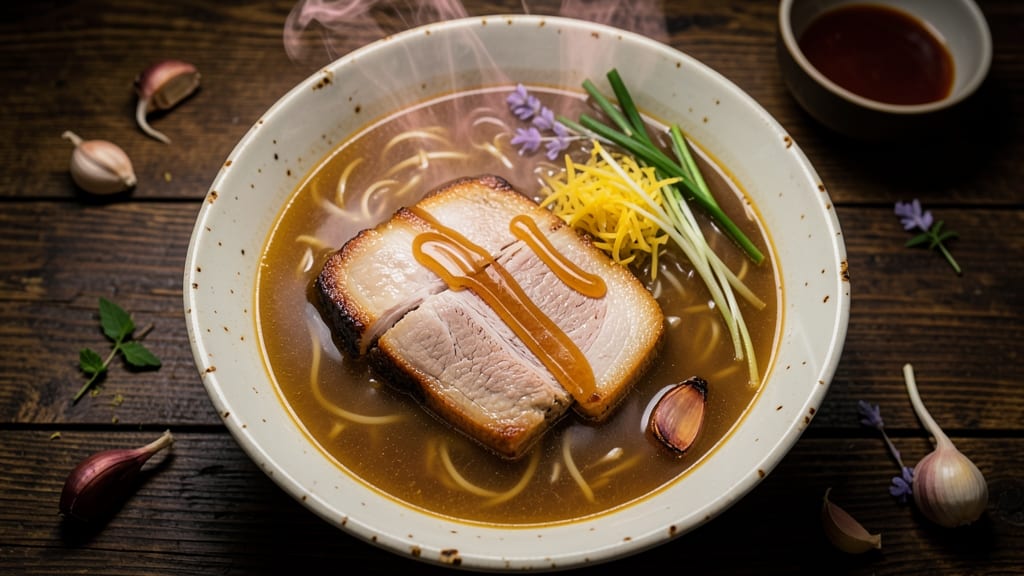
This midnight diner pork miso soup recipe brings smoky-sweet umami to your kitchen with just one pot. 🔥 After years of perfecting pork preparations at my restaurant, I've developed a method that transforms simple ingredients into a soul-warming bowl that tastes like it came from a late-night diner.
The secret lies in the pork—charred just enough to add depth without overpowering the delicate miso broth.
What sets this recipe apart is the balance of textures and flavors: tender, slow-cooked pork that practically melts in your mouth, a rich miso broth infused with ginger and garlic, and the perfect touch of smokiness from a quick sear.
Unlike traditional miso soup, this version incorporates a diner-inspired approach, using pork belly that's been rendered until crispy at the edges while staying juicy inside. The result is a soup that's both comforting and exciting—like a late-night indulgence you can make at home.
The process is straightforward but packed with professional techniques: first, we render the pork until it's crispy and flavorful, then build the miso broth with aromatic vegetables and a touch of honey for balance.
The final step is combining everything in one pot, where the pork finishes cooking in the broth, absorbing all those delicious flavors. This isn't just soup—it's a complete meal that delivers restaurant-quality satisfaction without the fuss.
Perfect for chilly evenings or whenever you crave something hearty and flavorful, this recipe comes together in about an hour. The best part? It tastes even better the next day, making it ideal for meal prep or feeding a crowd. Let's get cooking—your taste buds will thank you.
Ingredients for midnight diner pork miso soup
Smoky-sweet umami in one pot—these ingredients transform simple pork into a diner-worthy bowl.
| Ingredient | Amount | Notes |
|---|---|---|
| Pork Belly 🍖 | 1 ½ lb | Skin-on, cut into 1-inch cubes |
| White Miso Paste 🧈 | ½ cup | High-quality, preferably organic |
| Dashi Stock 💧 | 4 cups | Homemade or high-quality store-bought |
| Fresh Ginger 🧄 | 2 tbsp | Finely grated, aromatic |
| Garlic Cloves 🧄 | 4 cloves | Minced, for depth of flavor |
| Honey 🍯 | 1 tbsp | Raw or clover for natural sweetness |
| Sesame Oil 🫒 | 1 tbsp | Toasted, for nutty aroma |
| Green Onions 🧅 | ¼ cup | Sliced, for fresh finish |
| Tofu 🧈 | 8 oz | Silken, cubed for texture |
| Vegetable Oil 🫒 | 2 tbsp | For searing pork belly |
| Diamond Crystal Kosher Salt 🧂 | 1 tsp | For seasoning and balance |
| Black Pepper 🌶️ | ½ tsp | Freshly cracked for heat |
| White Wine Vinegar 🍶 | 1 tbsp | Brightens the broth |
| Mushrooms 🍄 | 1 cup | Shiitake or cremini, sliced |
| Sesame Seeds 🌱 | 1 tsp | Toasted, for garnish |
The pork belly is non-negotiable here—skin-on for maximum flavor and crispy edges. Grab the thick-cut kind from Whole Foods or your local butcher; it’s worth the splurge. If you can’t find pork belly, pork shoulder works in a pinch, but it won’t have the same melt-in-your-mouth texture. For the miso, Hikari brand is my go-to—it’s rich and smooth, but any high-quality white miso will do. The dashi stock? Skip the instant packets—simmer kombu and bonito flakes yourself for that authentic umami punch (or use Kikkoman if you’re short on time).
No sesame oil? Toasted peanut oil adds a similar nutty depth. Fresh ginger and garlic are ideal, but powdered ginger at half the amount works if you’re in a hurry. The tofu can be swapped for silken chickpeas if you want extra protein, and mushrooms are optional—just omit if you’re keeping it simple. The honey balances the miso’s saltiness, but maple syrup is a great vegan alternative. For the mushrooms, shiitake gives the most earthy flavor, but cremini or even button mushrooms will work.
This soup tastes even better the next day—3-4 days in the fridge, actually. Store it in an airtight container with the lid slightly ajar to let the flavors meld. Freezes beautifully for up to 3 months—just thaw overnight in the fridge. Garnish with green onions and sesame seeds right before serving (the good stuff, not the pre-mixed kind). Leftovers reheat perfectly—just warm gently on the stove and adjust the broth with a splash of water if needed.
Why You'll Love This Recipe
- One-Pot Magic: I swear by this recipe—just toss everything into one pot, simmer, and walk away. The miso and dashi do all the heavy lifting while you’re scrolling through your phone or waiting for your coffee to brew.
- Umami Bomb: That first sip? Pure flavor payoff. The pork belly melts into rich, salty layers while the white miso and ginger add a deep, savory warmth—like a hug in a bowl. (Yes, even on a Tuesday night.)
- Leftovers That Shine: This soup only gets better the next day. The pork stays tender, the broth deepens, and I’ve reheated it three times without a single complaint. Perfect for lazy mornings or when you’re too tired to cook.
- Budget-Friendly Luxury: Pork belly feels fancy, but a few slices stretch across multiple meals. Pair it with rice or noodles, and you’ve got a restaurant-worthy dish without the price tag. My wallet thanks me every time.
Step-by-step instructions for midnight diner pork miso soup
This one-pot wonder delivers restaurant-quality depth with smoky-sweet umami in every spoonful.
🔥 Step 1: Sear the Pork Belly for Maximum Flavor
Heat the 2 tablespoons vegetable oil in a heavy-bottomed pot over medium-high heat until shimmering. Working in batches to avoid crowding, add the 1.5 lb pork belly cubes and sear for 3-4 minutes per side until golden brown and crispy. You want that fat to render and develop a deep caramelized crust—this is where all the flavor lives.
Once all pork is seared, reduce heat to medium and add the 4 cloves minced garlic and 2 tablespoons finely grated fresh ginger. Cook for 30 seconds until fragrant—don't let the garlic burn, or it'll turn bitter. Remove the pork with a slotted spoon and set aside, leaving all that beautiful rendered fat in the pot. This fat will form the base of your soup's rich, velvety texture.
🍳 Step 2: Build the Umami-Packed Broth
With the pork removed, add the 1 cup sliced mushrooms to the pot and cook for 3-4 minutes until they release their moisture and begin to soften. Pour in the 4 cups dashi stock and bring to a simmer. Stir in the 1 tablespoon white wine vinegar and 1 tablespoon honey, letting the mixture bubble gently for 5 minutes to meld these bright, sweet, and savory elements.
Here's where the magic happens: whisk in the 0.5 cup white miso paste until completely dissolved. The miso should create a glossy, thick paste that blends seamlessly with the broth. If you notice any lumps, strain the broth through a fine-mesh sieve for a silky texture. This step transforms your simple broth into a complex, layered umami bomb that'll make your taste buds sing.
🥘 Step 3: Simmer and Infuse the Soup
Return the seared pork belly to the pot along with the 8 oz cubed silken tofu. Add the 1 teaspoon Diamond Crystal kosher salt and 0.5 teaspoon freshly cracked black pepper, then bring everything to a gentle simmer. Cover and cook for 20-25 minutes on low heat, stirring occasionally, until the pork is fork-tender and the flavors have truly melded.
Real talk: this is where patience pays off. The pork should pull apart easily with a fork, and the broth should have deepened in color and complexity. Taste and adjust seasoning—you might need a touch more salt or a drizzle of honey to balance the flavors. The soup should be rich but not heavy, with that perfect harmony of smoky, sweet, and savory notes that make midnight diner soups so irresistible.
🍽️ Step 4: Finish with Fresh Aromatics
Once the pork is perfectly tender, turn off the heat and stir in the 1 tablespoon toasted sesame oil. This final touch adds a nutty depth that ties everything together. Ladle the soup into bowls, then garnish each serving with the 0.25 cup sliced green onions and a sprinkle of 1 teaspoon toasted sesame seeds. The green onions add a bright, fresh contrast to the rich soup, while the sesame seeds provide a satisfying crunch and visual appeal.
Serve immediately while steaming hot—this soup is best enjoyed fresh from the pot. Each spoonful should deliver that perfect balance of textures: tender pork, silky tofu, chewy mushrooms, and a broth so flavorful it practically sings. And trust me, the first bite after that long simmer is worth every minute of waiting.
Pro Tips For Making Midnight Diner Pork Miso Soup
- SIMMER PORK BELLY LOW AND SLOW: The pork belly needs patience—don’t rush it. Once it’s sliced and added to the broth, keep the heat at a gentle simmer (just below a rolling boil) for at least 20 minutes. I learned this the hard way when I cranked the heat and ended up with tough, stringy meat instead of melt-in-your-mouth slices.
- GRATE GINGER FINE—NO, FINER: Fresh ginger loses its punch if it’s chunky. Use the smallest holes on your grater (or pulse it in a food processor) so it dissolves completely into the dashi. If you’re lazy and just slice it thin, expect a mouthful of texture instead of that warm, aromatic kick.
- DILUTE MISO BEFORE ADDING: White miso is potent—adding it directly to hot broth can turn your soup bitter. Instead, whisk a spoonful into a splash of cold water or dashi first, then stir it into the pot. This smooths out the flavor and keeps the umami balanced, not overpowering.
- STRAIN DASHI IF IT’S CLOUDY: Homemade or cheap dashi often has sediment that makes your soup look murky. Strain it through a fine-mesh sieve before combining with the miso and pork. Yes, it takes 30 seconds, but the clarity and depth of flavor make it worth it—especially when you’re serving this at midnight.
Serving suggestions for this midnight diner pork miso soup
Diner-Style Plating
Serve this soup in deep ceramic bowls (think vintage diner style) to let the steam rise dramatically. I love using fireclay bowls from Le Creuset—they hold heat beautifully and add that authentic late-night diner aesthetic.
For extra flair, sprinkle crushed black pepper and flaky sea salt right on top of the soup before serving. The contrast of colors—deep broth, pink pork, white tofu, and green onions—makes each bowl look like a work of art. 🍽️
Crunchy Toppings
Add crispy fried shallots or toasted sesame sticks for texture that cuts through the richness. I keep a bag of pre-made fried shallots (like Kewpie) in my pantry for quick garnishes—they add a delicate crunch and sweetness that elevates every spoonful.
For a homemade touch, try pan-frying thin shallot slices in neutral oil until golden and crisp. A sprinkle of bonito flakes also adds a smoky, oceanic note that diner soups often have.
Side Pairings
This soup stands alone, but pairing it with steamed jasmine rice or soft noodles turns it into a full meal. For a diner vibe, serve with buttery dinner rolls or cornbread—the slight sweetness complements the umami broth beautifully.
I also love adding a simple arugula salad with lemon vinaigrette on the side; the peppery bite refreshes your palate between spoonfuls of rich soup. 🥗
Beverage Pairings
For a classic diner experience, serve with black coffee or iced tea—the bitterness balances the soup's richness. If you prefer alcohol, a dry Riesling or light lager works perfectly. The crisp acidity of the wine cuts through the fat, while the effervescence of beer cleanses your palate.
For something stronger, a Japanese sake (like Dassai) enhances the miso flavors without overpowering them. 🍺
Make-Ahead Garnishes
Prep garnishes ahead to save time. Toast sesame seeds in a dry pan for 1-2 minutes until fragrant, then store in an airtight container. Slice green onions and store them in a sealed container with a damp paper towel to keep them fresh.
For extra convenience, make a batch of pickled ginger (thinly sliced ginger + rice vinegar + sugar) to add a bright, tangy contrast. These prepped elements make plating faster and keep your soup looking restaurant-quality. ✨
Family-Style Serving
This soup is perfect for sharing—serve it in a large cast-iron pot at the center of the table for a communal dining experience. Use tongs to let everyone serve themselves, and keep a small bowl of extra broth nearby for those who want to sop up every last bit.
Add individual bowls of miso paste on the side so guests can adjust the richness to their taste. It’s the kind of meal that brings people together, just like the diners I grew up visiting in Georgia. 💛
Nutrition facts
Frequently asked questions
Can I substitute pork belly with another cut of pork?
You can use pork shoulder or pork loin, but pork belly gives the best texture and flavor. Shoulder works well if cubed small (1/2-inch pieces) and simmered 10-15 minutes longer to tenderize. For leaner cuts like loin, add 1 extra tablespoon sesame oil to compensate for less fat. The skin-on belly creates that signature crispy edge that makes this soup feel like a diner classic.
How do I make this soup vegetarian?
Swap the pork for extra-firm tofu (pressed and cubed) or shiitake mushrooms (sliced thick). Use vegetable dashi (made with kombu and shiitake) instead of traditional dashi, and add 1 tablespoon soy sauce for umami depth. The miso and mushrooms will carry all the savory notes—just increase simmering time to 30 minutes to let flavors meld.
Why did my miso paste clump when adding to the broth?
Miso clumps when it hits cold liquid—always whisk it into warm broth (never boiling) to dissolve properly. If lumps form, strain through a fine-mesh sieve for a silky texture. For extra insurance, mix miso with 1 tablespoon broth first to create a paste before adding to the pot. The key is patience: let the broth simmer gently after adding miso to fully integrate the flavors.
Can I make this soup in an Instant Pot?
Yes! Sear the pork in a separate pan first, then add all ingredients to the Instant Pot and pressure cook for 12 minutes on high. Quick-release the pressure, then stir in sesame oil and garnishes. The Instant Pot version cooks 30% faster but may need 1 extra tablespoon broth to prevent sticking. For best results, use the sauté function to bloom the garlic and ginger before adding liquids.
How can I make this soup spicier?
Add 1 teaspoon gochugaru (Korean red pepper flakes) or 1/2 teaspoon cayenne when simmering the broth. For heat with depth, stir in 1 tablespoon doubanjiang (Chinese chili bean paste) with the miso. Garnish with chili crisp or sriracha drizzle right before serving. The miso's saltiness balances the heat beautifully—start with 1/2 teaspoon and adjust to taste.