
Main Courses
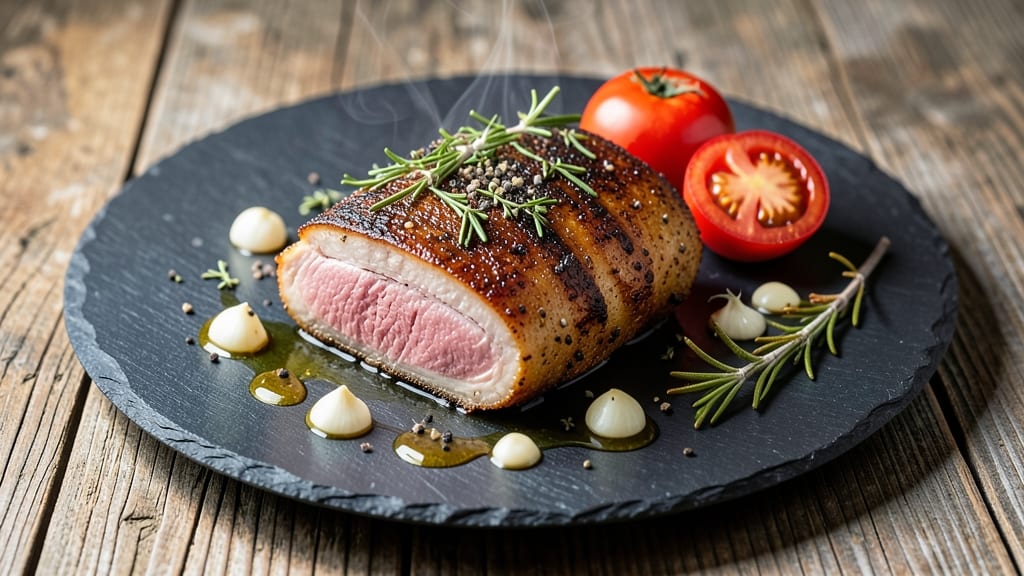
A 1.5 lb pork loin recipe that delivers restaurant-quality results with minimal effort—this garlic-herb roast creates a golden crust while keeping the meat tender and juicy inside.
As someone who's cooked thousands of pounds of pork, I can tell you the secret lies in a simple marinade and precise roasting technique that transforms a basic cut into something extraordinary.
The beauty of this method is its versatility—perfect for weeknight dinners or impressing guests at a dinner party. You'll start with a flavorful garlic-herb marinade that infuses the pork while you prep, then roast it on one pan for easy cleanup.
The crust develops beautifully while the interior reaches that ideal 145°F internal temperature, ensuring every bite is perfectly cooked.
What you'll end up with is a showstopping centerpiece: pork loin with a crispy, caramelized crust that gives way to tender, juicy meat beneath. The garlic-herb marinade adds layers of aromatic flavor without overpowering the natural taste of the pork.
This recipe is designed to be foolproof, delivering professional results even for home cooks.
Serve with your favorite sides like roasted vegetables, mashed potatoes, or a fresh green salad to complete the meal. The leftovers reheat beautifully, making this an excellent option for meal prep or feeding a crowd. Let's get started on creating your perfect pork loin roast.
Ingredients for 1.5 lb pork loin
This one-pan pork loin transforms simple ingredients into a restaurant-worthy dish with crispy crust and tender interior.
| Ingredient | Amount | Notes |
|---|---|---|
| Pork Loin 🥩 | 1 ½ lb | Center-cut, bone-in preferred |
| Extra-Virgin Olive Oil 🫒 | ¼ cup | For marinade and crust development |
| Fresh Garlic Cloves 🧄 | 8 cloves | Minced for marinade and crust |
| Fresh Rosemary 🌿 | ¼ cup | Finely chopped, stems removed |
| Fresh Thyme Leaves 🌿 | ¼ cup | Packed, stems removed |
| Dried Oregano 🍃 | 1 tbsp | For depth of flavor |
| Diamond Crystal Kosher Salt 🧂 | 1 ½ tsp | For seasoning and crust |
| Freshly Ground Black Pepper 🌶️ | 1 tsp | For balanced seasoning |
| Unsalted Butter 🧈 | ½ cup | Cold, cubed for crust |
| Granulated Sugar 🍚 | 1 tbsp | For caramelization |
| Fresh Lemon Juice 🍋 | 2 tbsp | Brightens marinade |
| Garlic Powder 🧄 | 1 tsp | Enhances garlic flavor |
| Onion Powder 🧅 | 1 tsp | Adds aromatic depth |
The pork loin is the star—look for a center-cut piece with good marbling for juiciness. Costco or Whole Foods carry excellent quality, but your local butcher will have the freshest cuts. If you can't find bone-in, bone-out works too, just adjust roasting time slightly. Fresh herbs make all the difference here: Trader Joe's has pre-chopped rosemary and thyme if you're short on time, but nothing beats the flavor of freshly chopped. The olive oil should be extra-virgin for that fruity depth that carries through the marinade and crust.
No fresh rosemary? Dried works at half the amount, but fresh is ideal. Short on time? Swap the butter crust for olive oil and a sprinkle of cornstarch—it'll still crisp up beautifully. The sugar is key for that golden crust; brown sugar works too if you're out of granulated. For extra flavor, add a pinch of smoked paprika to the marinade. The lemon juice can be bottled if needed, but fresh is always better. If you're prepping ahead, marinate the pork for up to 24 hours in the fridge for maximum flavor infusion.
This roast reheats beautifully—just warm in the oven at 300°F for 10-15 minutes with a splash of broth. Leftovers keep for 4-5 days in the fridge or 3 months frozen. I always make extra because it's perfect for meal prep—slice and serve with roasted potatoes or a fresh salad. For a showstopping presentation, garnish with extra fresh herbs and a drizzle of the leftover marinade. The crust is best served immediately, so don't wait too long to plate.
Why You'll Love This Recipe
- Minimal Chopping Required: I swear by this—just slice the garlic cloves in half, tear the rosemary sprigs, and let the thyme leaves fall where they may. No dicing, no fuss, just a handful of ingredients that come together faster than you can say "dinner’s ready."
- Crispy-Creamy Magic: That golden crust from the olive oil and garlic? It’s the star. The rosemary and thyme seep into the pork until every bite has this perfect balance—crisp on the outside, tender inside, with a herbal punch that lingers.
- Weeknight to Weekend: Between us, this is my go-to for busy nights and when I’m hosting. Slice it for sandwiches, serve it whole for a fancy dinner, or even toss cold slices into salads later. It’s that adaptable.
- Leftovers That Don’t Suck: Honestly, I make this on purpose for leftovers. The flavors deepen overnight, and reheating a slice in a pan with a splash of olive oil? It’s like the pork’s second act—just as good, if not better. No sad, dry meat here.
Step-by-step instructions for one-pan garlic-herb pork loin
Here's how to transform a simple pork loin into a showstopping centerpiece with crispy edges and aromatic herb layers.
Prepare the Herb Marinade and Season the Pork
In a food processor, combine the 0.25 cup extra-virgin olive oil, 8 cloves fresh garlic cloves, 0.25 cup fresh rosemary, 0.25 cup fresh thyme leaves, 1 tbsp dried oregano, 1.5 tsp diamond crystal kosher salt, 1 tsp freshly ground black pepper, 1 tsp garlic powder, and 1 tsp onion powder. Pulse until the herbs are finely minced but not puréed—you want visible texture. Transfer this mixture to a bowl and stir in the 2 tbsp fresh lemon juice.
Pat the 1.5 lb pork loin dry with paper towels—this is crucial for that golden crust. Rub the marinade all over the pork, pressing it into every crevice. Place the pork on a plate, cover with plastic wrap, and refrigerate for at least 2 hours (overnight works best). The acidity in the lemon juice will tenderize the meat while the herbs infuse flavor.
Create the Sugar-Butter Crust Mixture
In a small bowl, combine the 0.5 cup unsalted butter (cold and cubed) with the 1 tbsp granulated sugar. Cut the butter into the sugar using a pastry cutter or your fingers until you have pea-sized butter pieces coated with sugar. This mixture will create the signature caramelized crust. Keep this mixture refrigerated until ready to use.
Here's the thing—this sugar-butter combo isn't just for flavor. The sugar promotes browning through caramelization while the butter adds richness. Don't skip this step if you want that perfect golden crust that cracks when you cut into it.
Sear the Pork for Maximum Flavor Development
Preheat your oven to 425°F. Remove the pork from the refrigerator and let it sit at room temperature for 20 minutes while you prepare the pan. Heat a large oven-safe skillet over medium-high heat (cast iron works best). Add the pork loin and sear for 3-4 minutes per side until you achieve deep golden-brown coloration. This isn't just about looks—searing develops the Maillard reaction, creating complex flavors.
Don't press down on the pork with a spatula. Let it develop that crust naturally. If you notice the butter from the marinade starting to smoke, reduce the heat slightly to medium—you want to render the fat without burning it.
Build the Crust and Roast to Perfection
Remove the pork from the skillet and place it on a cutting board. Sprinkle the sugar-butter mixture evenly over the top of the pork, pressing it gently into the surface. Return the pork to the skillet and transfer both to the preheated oven. Roast for 20-25 minutes until the internal temperature reaches 145°F (measured with a meat thermometer in the thickest part).
The crust should be deep golden brown with caramelized spots. If the top isn't browning quickly enough, increase the oven temperature to 450°F for the last 5 minutes of cooking. This final burst of heat ensures that perfect crust while keeping the interior juicy.
Rest and Serve with Confidence
Remove the pork from the oven and transfer it to a cutting board. Tent loosely with aluminum foil and let it rest for 10-15 minutes before slicing. This resting period is non-negotiable—it allows the juices to redistribute throughout the meat, preventing them from running out when you cut into it.
Slice the pork loin into ½-inch thick medallions against the grain. The crust should crack slightly as you cut, revealing the tender, herb-infused meat beneath. Serve immediately with your favorite sides—roasted vegetables or a fresh herb salad complement this dish beautifully. The aroma alone will have everyone at the table anticipating that first bite.
Pro Tips For Making 1.5 Lb Pork Loin
- SEAR FIRST, BASTE LATER: The pork loin’s exterior needs a proper crust, so heat your pan until it’s smoking hot before adding oil—about 3 minutes on high. Once golden, pull it out, add the garlic, rosemary, and thyme, then pour in a splash of olive oil to make a quick pan sauce. This keeps the meat juicy while giving it that restaurant-worthy flavor.
- SALT THE PORK 2 HOURS EARLY: Skip the last-minute salt—this cut needs time to absorb flavor. Pat it dry, then season generously with salt (about 1 teaspoon per pound) and let it sit uncovered in the fridge. I learned this the hard way: dry-salting too late leaves the surface salty but the inside bland.
- CHECK TEMP WITH A THERMOMETER: Pork loin’s safe zone is 145°F, but guessing leads to dry meat. Use a meat thermometer—insert it into the thickest part, and pull it out when it hits that temp. If you’re roasting, tent it with foil halfway through to lock in moisture, especially if your oven runs hot.
- STUFF THE GARLIC, DON’T JUST CHOP IT: Peel those garlic cloves, make a shallow slit lengthwise, and stuff them with a tiny pinch of salt. Tuck them into the pork loin’s cut sides before roasting—they’ll infuse flavor directly into the meat instead of burning in the pan. (Yes, it’s extra work, but it’s worth it.)
Storing and reheating your leftovers
Refrigerator Storage
Let your pork loin cool to room temperature for 1-2 hours before storing—this prevents condensation that can make the meat soggy. Transfer to an airtight container with a lid or wrap tightly in plastic wrap.
Store in the fridge for up to 4 days while maintaining a temperature below 40°F. The flavor actually deepens as the marinade continues to infuse during storage. I always store my leftovers in glass containers because they keep better than plastic and reheat more evenly. 🥩
Freezer Storage
For longer storage, wrap the cooked pork loin tightly in plastic wrap, then place it in a freezer-safe bag or airtight container. Label with the date—it keeps for up to 3 months without significant quality loss. When ready to use, thaw overnight in the fridge for even cooking.
I've found that freezing works best when the pork is fully cooled before wrapping to prevent ice crystals. For meal prep, I slice the pork into medallions before freezing—they reheat perfectly for quick lunches. ❄️
Oven Reheating
My preferred method is reheating in the oven at 300°F for 10-15 minutes with a splash of water or broth in the pan. This maintains the crust's integrity while gently warming the meat. For extra flavor, brush the top with a little olive oil before reheating.
If the crust starts to dry out, tent loosely with foil for the last 5 minutes of reheating. The internal temperature should reach 165°F when done. 🔥
Microwave Reheating
For quick reheating, use the microwave on 50% power in 1-minute intervals, stirring between each interval. Cover with a damp paper towel to retain moisture. I usually reheat individual portions this way for lunches—it takes about 3-4 minutes total.
Be careful not to overheat, as pork can dry out quickly in the microwave. Add a splash of water or broth if the meat looks dry after reheating. 💫
Make-Ahead Tips
Marinate the pork loin overnight for maximum flavor—this is my secret for restaurant-quality results at home. If you're prepping ahead, cook the pork loin completely, then refrigerate before storing. The crust holds up well for 2 days in the fridge, though it's best served fresh.
For dinner parties, I like to prep the marinade and crust mixture the day before, so I only need to focus on cooking day-of. This saves time and ensures I'm not rushed during the actual cooking process. 💡
Serving Leftovers
Leftovers make great sandwiches or salads. Slice the pork into thin strips and serve on crusty bread with arugula and balsamic glaze, or toss with mixed greens for a protein-packed salad. The flavor is just as good the second day, though the crust won't be as crispy.
For a quick meal, I often reheat leftovers and serve them with roasted potatoes or steamed vegetables. The herb-infused meat pairs beautifully with almost any side dish, making it a versatile option for busy weeknights. 🌟
Nutrition facts
Frequently asked questions
Can I use bone-in pork loin instead of boneless?
Bone-in pork loin adds wonderful flavor but requires 5-7 extra minutes of roasting time. The bone helps keep the meat moist, and you'll get that extra richness from the marrow. Just check for doneness in the thickest part away from the bone to get an accurate 145°F reading.
What if I don't have fresh rosemary or thyme?
No problem! Use 1 tbsp dried rosemary and 1 tbsp dried thyme instead, but reduce the amount by half since dried herbs are more concentrated. For extra depth, add ½ tsp smoked paprika to the marinade. The flavor won't be identical, but it'll still taste amazing—just more earthy than fresh.
How do I fix pork loin that's too dry?
If your pork comes out dry, it likely wasn't rested long enough or was overcooked. To salvage it, slice thinly against the grain and serve immediately with a flavorful sauce or gravy. For next time, always rest for 10-15 minutes after removing from the oven and check the internal temp with a meat thermometer—145°F is perfect.
Can I grill this pork loin instead of roasting?
Yes! Grilling works beautifully for this recipe. Preheat your grill to medium-high (400-425°F) and follow the same marinade and crust steps. Grill for 8-10 minutes per side (for 1.5-inch thick loin), basting occasionally with leftover marinade. Use indirect heat for the last 5 minutes to finish cooking while keeping the crust intact.
What sides pair best with this garlic-herb pork?
This roast shines with classic sides like creamy mashed potatoes, roasted Brussels sprouts, or a fresh arugula salad with lemon vinaigrette. For something heartier, try apple sauce or a red wine reduction. The herb flavors in the pork complement earthy vegetables and rich sauces perfectly—think roasted carrots, garlic green beans, or even a simple crusty bread.