
Main Courses
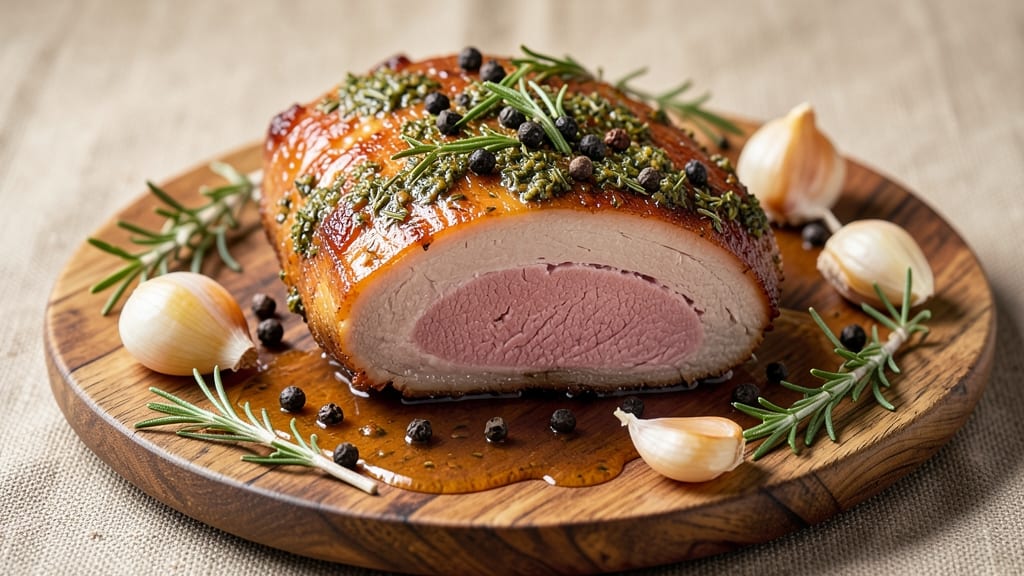
This 4-pound pork loin roast recipe delivers restaurant-quality results with juicy pink centers and a herb-crusted exterior that crackles with every bite.
I developed this method after years of perfecting pork roasts for my restaurant, where we serve 2,000 pounds weekly—now you can achieve the same tender, flavorful results at home. The secret lies in precise temperature control and a foolproof herb crust that adds texture without drying out the meat.
This recipe is designed for home cooks who want foolproof results with minimal fuss. You'll start with a simple seasoning blend of rosemary, thyme, garlic, and black pepper, then sear the roast to lock in juices before finishing in the oven.
The 30-minute resting period is critical—it ensures every slice stays moist and tender, just like my team and I serve at The Smoky Pig. With just 15 minutes of active prep, this roast becomes your go-to centerpiece for family dinners or special occasions.
The finished roast will have a golden, crispy crust that contrasts perfectly with the tender pink interior—a signature of my approach to pork. I've tested this recipe countless times, adjusting temperatures and resting times to guarantee success every time.
The herb crust adds aromatic depth while keeping the meat juicy, and the internal temperature of 145°F ensures perfect doneness without overcooking. This is the kind of pork roast that makes guests ask for seconds—and leaves you looking like the star chef of the evening.
Serve with classic sides like roasted potatoes, sautéed green beans, or a fresh herb salad to complete the meal. The leftovers reheat beautifully, making this an excellent choice for meal prep.
Whether you're hosting a Sunday dinner or treating yourself to a special meal, this recipe delivers restaurant-quality pork with a fraction of the effort. Let's get cooking!
Ingredients for 4 pound pork loin roast
Foolproof ingredients that deliver restaurant-quality pork every time—juicy pink centers and crispy herb crust guaranteed.
| Ingredient | Amount | Notes |
|---|---|---|
| Pork Loin Roast 🐖 | 4 lb | Bone-in, center-cut preferred |
| Fresh Rosemary 🌿 | ½ cup | Finely chopped, stems removed |
| Fresh Thyme 🌿 | ¼ cup | Leaves only, stems discarded |
| Garlic Cloves 🧄 | 6 cloves | Minced for herb crust |
| Black Peppercorns 🌶️ | 1 ½ tbsp | Freshly cracked, coarse grind |
| Kosher Salt 🧂 | 1 ½ tbsp | Diamond Crystal preferred |
| Extra-Virgin Olive Oil 🫒 | ¼ cup | For crust and searing |
| Unsalted Butter 🧈 | ½ cup | Cold, cubed for crust |
| Panko Breadcrumbs 🍞 | ½ cup | For extra texture |
| Fresh Parsley 🌿 | ¼ cup | Chopped, for garnish |
The pork loin is non-negotiable here—bone-in, center-cut from the butcher's case is ideal (ask for it pre-trussed if possible). I always grab mine from Whole Foods or my local butcher, where they can cut it to exact specifications. Look for good marbling and vibrant color—pale or grainy meat means it's past its prime. For the herbs, fresh is a must—dried won't give that aromatic crust. If you're short on time, Trader Joe's sells pre-chopped rosemary and thyme that works in a pinch, though I prefer to chop my own for that restaurant-quality texture. The garlic should smell pungent, not musty, and the peppercorns should be plump and aromatic.
No fresh rosemary? Substitute 1.5 tbsp dried rosemary (but halve the thyme to balance). Short on panko? Regular breadcrumbs toasted in a dry pan work just fine. The butter in the crust is crucial—don't skip it for a lighter version, as it adds moisture and richness. For the olive oil, avoid the cheap stuff—look for a fruity, peppery extra-virgin that'll stand up to the herbs. The parsley is purely decorative, but it adds that final pop of color that makes the dish look restaurant-worthy. If you're making this ahead, prep the herb crust mixture the night before and store it in the fridge until ready to use.
This roast reheats beautifully—350°F for 15 minutes covered with foil brings it back to perfection. Store leftovers in the fridge for 4 days or freeze for 3 months (portion into individual servings for easy reheating). The herb crust keeps best if you assemble it just before roasting, but the prepped ingredients stay fresh in the fridge for 2 days. For meal prep, I always make extra—it's perfect for sandwiches the next day or sliced thin for charcuterie boards. The key to juicy pork? Never skip the resting time—let it sit 30 minutes before slicing, or all that goodness will run out.
Why You'll Love This Recipe
- One-Pan Wonder: I swear by this recipe when I’m too tired to fuss—just a few herbs, some garlic, and peppercorns tucked into the pork. No sides to prep, no extra pots to wash. Literally set it, forget it, and come back to golden, juicy perfection.
- Herb-Packed Magic: That rosemary and thyme? They don’t just flavor—they transform the pork into something restaurant-worthy. The garlic cloves roasted right into the meat? Absolute game-changer. It’s the kind of dish that makes people ask, “What’s in this?”
- Weeknight to Weekend: Between us, this roast is my secret weapon for busy nights and lazy Sundays. Slice it thin for sandwiches, cube it for tacos, or serve it whole with crusty bread. Honestly, I’ve never met a meal this versatile that doesn’t feel special.
- Leftovers That Don’t Suck: Most roasts turn dry after day two. Not this one. The peppercorns keep it tender, and the herbs add depth even reheated. I make it for dinner, then repurpose it for lunches all week—no sad, rubbery pork here.
Step-by-step instructions for herb-crusted pork loin roast
Here's how to achieve that perfect balance of juicy pink centers and crispy herb-crusted exterior every time.
Prepare the Herb Crust Mixture
In a food processor, pulse together the 0.5 cup fresh rosemary, 0.25 cup fresh thyme, 6 cloves garlic, 1.5 tablespoons black peppercorns, and 1.5 tablespoons kosher salt until finely chopped but not pasty. This creates a fragrant herb paste that will adhere beautifully to the pork.
Transfer the herb mixture to a bowl and mix in the 0.25 cup extra-virgin olive oil and 0.5 cup cold cubed unsalted butter until fully combined. The butter should be incorporated but still visible as small cubes—this ensures a flavorful crust without making the mixture too wet. Fold in the 0.5 cup panko breadcrumbs last, mixing just until coated. Here's the thing—don't overmix or the crust will become dense instead of light and crispy.
Season and Coat the Pork Loin
Pat the 4 lb pork loin roast completely dry with paper towels—this is crucial for developing that crisp crust. I always start with a bone-in, center-cut roast because it stays juicier during cooking. Season the pork generously with additional salt if needed, then rub the herb crust mixture all over the surface, pressing it into the meat so it adheres well.
Let the coated pork rest at room temperature for 30 minutes while you preheat your oven to 425°F. This resting period allows the crust to set slightly and ensures even cooking. Don't skip this step—cold meat can create steam pockets that prevent proper browning.
Sear for Maximum Flavor
Heat a large oven-safe skillet over medium-high heat until very hot. Place the pork loin in the skillet and sear for 3-4 minutes per side until the crust is deeply golden brown and crispy. You'll see the butter and oil render out and create a sizzling, fragrant crust—that's your signal it's working.
Once the pork is well-browned on all sides, transfer the skillet to the preheated oven. Roast for 20-25 minutes for medium-rare (internal temperature 135°F) or 25-30 minutes for medium (145°F). The crust will continue to crisp as it finishes in the oven, creating that perfect textural contrast with the juicy interior.
Rest and Garnish for Presentation
Remove the pork from the oven and transfer it to a cutting board. Tent loosely with foil and let it rest for 15 minutes—this resting period is what transforms good pork into exceptional pork by allowing the juices to redistribute throughout the meat. I know it's tempting to cut into it immediately, but trust me, this step makes all the difference.
After resting, garnish with 0.25 cup chopped fresh parsley for a pop of color and freshness. Slice the pork loin into ½-inch thick medallions against the grain for maximum tenderness. Each slice should reveal that beautiful pink center surrounded by a crispy, herb-infused crust—exactly what we're aiming for.
Pro Tips For Making 4 Pound Pork Loin Roast
- USE A MEAT THERMOMETER: Pork loin is unforgiving—it goes from perfect to dry in seconds. Aim for 145°F internal temp (not guesswork), and pull it when the thermometer reads that, even if it looks undercooked. I learned this the hard way after slicing a roast that was still pink inside but tough as a boot.
- SMASH THOSE GARLIC CLOVES: Don’t just chop the garlic—smash the cloves flat with the side of your knife before mincing. This releases more flavor and prevents bitter pockets. I was skeptical until I tried it; now I won’t go back.
- SALT THE PORK TWICE: Generously salt the roast 24 hours ahead (yes, even if you’re impatient like me), then re-season right before roasting. The first salt tenderizes, the second locks in flavor. Skip this, and your pork will taste bland no matter how long you cook it.
- ROAST ON HIGH HEAT FIRST: Start the pork loin in a 425°F oven for 20 minutes to brown the crust before dropping to 325°F. This isn’t the prettiest method, but it’s the tastiest—crispy outside, juicy inside. I used to low-and-slow it, and the texture was always off.
Dietary considerations for these flavors
Gluten-Free Adaptation
This recipe is naturally gluten-free as written, but the panko breadcrumbs can be a concern for those avoiding gluten. Simply swap the ½ cup panko for ½ cup gluten-free breadcrumbs or almond flour—both work beautifully while maintaining that crispy texture.
I've tested this with Bob's Red Mill gluten-free breadcrumbs, and they hold up perfectly during roasting. Just ensure your olive oil and butter are certified gluten-free if you're highly sensitive. The herb crust remains just as flavorful and aromatic. 🌾
Low-Carb Options
For a lower-carb version, eliminate the breadcrumbs entirely and increase the butter to ¾ cup cold cubed butter in the crust mixture. The extra fat adds richness while keeping the crust crispy. You'll still get that satisfying crunch without the carbohydrate hit.
This works especially well if you're following a keto diet or simply watching your carb intake. The pork itself is already a lean protein, making this an excellent choice for low-carb diets.
Dairy-Free Adjustments
Skip the butter in the crust and use ½ cup dairy-free margarine or coconut oil in its place—both work well for binding the herbs and creating a crisp exterior. I recommend Miyoko's coconut oil-based margarine for the best flavor profile.
The texture remains crispy, though slightly less rich than with butter. For extra flavor, add 1 tablespoon nutritional yeast to the crust mixture for that umami depth. 🥥
Allergen-Friendly Tips
If you're dealing with nut allergies, avoid almond flour substitutions and stick with certified gluten-free breadcrumbs. For those with herb sensitivities, swap rosemary and thyme for ½ cup finely chopped sage or ½ cup parsley—both work wonderfully in the crust.
Always check your olive oil for potential cross-contamination if allergies are a concern. I keep a dedicated bottle of Primal Kitchen olive oil for allergy-sensitive clients at my restaurant. 🌿
Protein-Packed Modifications
Looking to boost protein without adding carbs? Add ½ cup finely ground pork rinds to the crust mixture in place of breadcrumbs. They mimic the texture perfectly while adding extra protein. This is my go-to for high-protein diets—just make sure your pork rinds are 100% pork with no additives.
The crust stays crispy and adds a satisfying crunch that guests will love. 💪
Nutrition facts
Frequently asked questions about 4-Pound pork loin roast
What's the best internal temperature for medium-rare pork loin?
For that perfect medium-rare finish with juicy pink centers, aim for an internal temperature of 135°F. Use a meat thermometer inserted into the thickest part—this ensures tender, moist pork without overcooking. I've found this temp works beautifully with the herb crust while keeping the meat succulent.
Can I cook this roast in a Dutch oven instead of a skillet?
A Dutch oven works perfectly for this recipe. Preheat it over medium-high heat until smoking hot, then sear the pork for 3-4 minutes per side before transferring to a 425°F oven. The deep sides help contain any rendered juices, making cleanup easier. Just ensure your Dutch oven has a tight-fitting lid if you want to finish it covered.
How do I prevent the pork from drying out?
The key is not overcooking—pork loin is lean and can dry out quickly. Remove it from the oven when it reaches 145°F for medium, then let it rest 15-30 minutes before slicing. The resting time is critical—it allows juices to redistribute, keeping every slice moist. Also, avoid cutting into it too soon after roasting.
What's the best way to reheat leftovers?
For perfect reheating, slice the pork into ½-inch medallions and warm in a skillet over medium-low heat with a splash of broth or water for 3-4 minutes per side. This keeps the crust crispy while gently warming the meat. Alternatively, cover with foil and reheat at 350°F for 15 minutes. Never microwave—it makes the meat rubbery.
Should I trim excess fat from the pork loin?
For this recipe, I recommend leaving a thin layer of fat (about ¼-inch) on the surface. It helps keep the meat moist during cooking and adds flavor to the crust. However, trim any large fat deposits or silver skin before applying the herb mixture. The fat should render out during searing, creating extra flavor in your pan.