
Main Courses
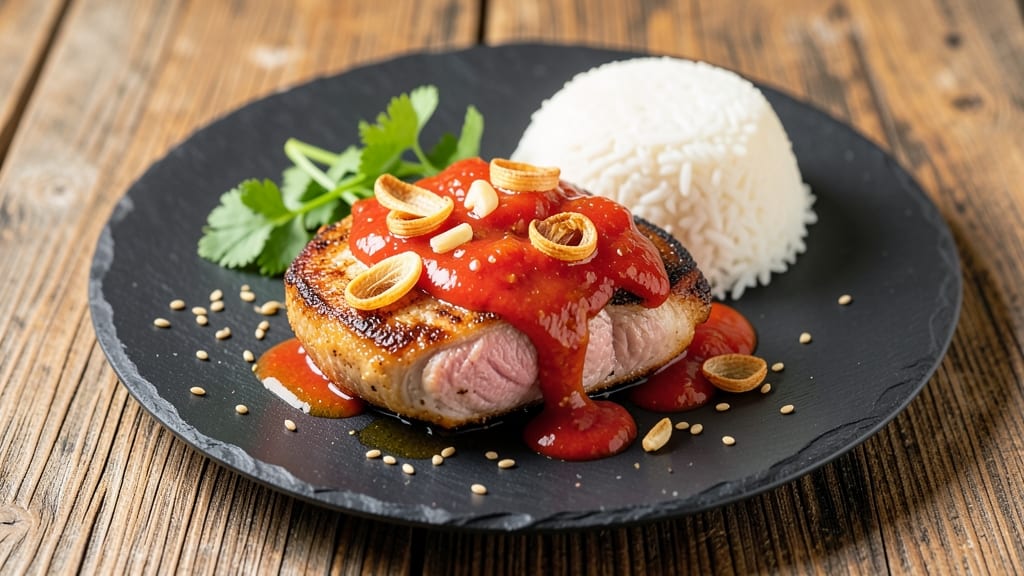
This Chinese tomato pork chop recipe delivers restaurant-quality results with a caramelized sweet-sour glaze that transforms simple cuts into tender, flavorful masterpieces. 🔥 As someone who's spent years perfecting pork techniques, I can tell you this method balances traditional Chinese flavors with modern efficiency—no wok hei required.
The secret lies in the sauce reduction, where tomatoes and vinegar caramelize into a glossy, tangy coating that clings perfectly to the meat.
The recipe begins with a simple marinade of soy sauce, cornstarch, and aromatics that tenderizes the pork while creating a crisp exterior. What sets this apart is the two-stage cooking process: first searing to develop that coveted caramelization, then finishing in a reduced tomato sauce that's both sweet and tangy.
This approach ensures the pork stays juicy while developing deep, complex flavors that linger.
By the time you serve these pork chops, you'll have achieved a perfect balance of textures—tender meat with crisp edges, all coated in that glossy, slightly sticky glaze.
The sauce's depth comes from properly reducing the tomatoes and vinegar, which creates a velvety consistency that's far more sophisticated than most home versions.
Serve these pork chops with steamed jasmine rice and stir-fried bok choy for a complete meal that feels both comforting and refined. The recipe scales beautifully for weeknight dinners or dinner parties, making it equally versatile. Let's get cooking—these chops will become your new go-to dish.
Ingredients for chinese tomato pork chop
The perfect blend of tender pork and caramelized sweet-sour glaze transforms simple ingredients into restaurant-quality masterpieces.
| Ingredient | Amount | Notes |
|---|---|---|
| Boneless Pork Chops 🥩 | 1 ½ lb | 1-inch thick, pounded even |
| Cornstarch 🌾 | 2 tbsp | For crisp exterior |
| Light Soy Sauce 🥄 | ½ cup | High-quality, low-sodium preferred |
| White Wine Vinegar 🍷 | ¼ cup | For tangy depth |
| Brown Sugar 🍯 | 2 tbsp | Light or dark variety |
| Garlic Cloves 🧄 | 4 cloves | Minced, aromatic base |
| Fresh Ginger 🌿 | 1 tbsp | Finely grated, zesty kick |
| Canned Crushed Tomatoes 🍅 | 14 ½ oz | San Marzano preferred |
| Green Onions 🧅 | 3 whole | White and green parts |
| Vegetable Oil 🫒 | ½ cup | High smoke point |
| Salt 🧂 | 1 tsp | Diamond Crystal kosher |
| Ground Black Pepper 🌶️ | ½ tsp | Freshly cracked |
| Sesame Oil 🫒 | 1 tsp | For finishing aroma |
The pork chops are the foundation—bone-in cuts like rib chops hold up better to high heat, but boneless works too if you prefer. Look for chops with good marbling at specialty butchers or the meat counter, not just the frozen section. I always buy from Whole Foods or D'Artagnan when possible, but the grocery store's fresh cuts work fine if they're labeled 'USDA Choice' or better. Pounding the chops to even thickness ensures they cook uniformly. Use a meat mallet or roll with a wine bottle—just don't go too thin or they'll overcook. The cornstarch is non-negotiable here; it's what creates that crisp exterior while keeping the inside tender.
No high-quality soy sauce? Tamari or coconut aminos work in a pinch, though the umami depth won't be identical. Substituting white vinegar? Apple cider vinegar adds subtle sweetness, but reduce it by 10% since it's milder. The crushed tomatoes should be San Marzano if available—their sweetness and low acidity make all the difference. No fresh ginger? Ground ginger at half the amount, but fresh is worth seeking out at Asian markets. The green onions can be swapped for scallions or regular onions, though they add a slightly sharper bite. For the sesame oil, toasted sesame oil gives the best aroma, but regular works if you're in a hurry—just add it at the very end.
Pork chops should rest 5-10 minutes after cooking before slicing—this keeps them juicy. The sauce reduces quickly, so have your serving dishes ready. Store leftovers in airtight containers for up to 3 days, though the flavor peaks within 24 hours. Freeze portions for up to 3 months by laying them flat on a tray first to prevent sticking. For meal prep, double the sauce and freeze it separately—just reheat with a splash of water when ready to use. The glaze reheats beautifully, so these chops taste just as good cold as they do hot, making them perfect for lunches.
Why You'll Love This Recipe
- Here’s what sold me: the brown sugar caramelizes into the pan while the vinegar cuts through the richness. You get this perfect harmony—sticky, glaze-like sweetness with a tangy kick that makes every bite ridiculously good. (Yes, even on a Tuesday night.)
- Five-Ingredient Magic: I swear by this—just pork, a dusting of cornstarch, light soy sauce, vinegar, and brown sugar. That’s it. No chopping mountains of veggies or hunting for obscure spices. The cornstarch alone gives those chops that irresistible crisp-tender bite without deep-frying.
- Sweet-Savory Balance: Here’s what sold me: the brown sugar caramelizes into the pan while the vinegar cuts through the richness. You get this perfect harmony—sticky, glaze-like sweetness with a tangy kick that makes every bite ridiculously good. (Yes, even on a Tuesday night.)
- Leftover Reinvention: Between us, this recipe’s my secret weapon for busy weeks. Double the batch—those leftovers reheat like a dream in a skillet or over rice. My kids beg for "pork chop wraps" the next day (just toss with lettuce and hoisin).
Step-by-step instructions for Chinese tomato pork chops
Master this technique and you'll achieve perfectly caramelized edges with a sweet-sour glaze every time.
🍳 Step 1: Veloute the Pork Chops for Maximum Tenderness
Place the 1.5 lb boneless pork chops between two sheets of plastic wrap and pound to an even ½-inch thickness using a meat mallet. This ensures even cooking and prevents dry centers. Season both sides generously with 1 tsp salt and ½ tsp ground black pepper, pressing the seasoning into the meat so it adheres.
Heat ½ cup vegetable oil in a large skillet over medium-high heat until shimmering. Add the pork chops and cook for 3-4 minutes per side until they develop a deep golden brown crust and internal temperature reaches 145°F. Remove and set aside on a wire rack—the elevated surface prevents soggy bottoms. The crust we create now will be our foundation for the glaze to cling to later.
👨🍳 Step 2: Build the Sweet-Sour Glaze Foundation
In the same skillet (no need to clean it—the fond is flavor gold), reduce heat to medium and add 4 minced garlic cloves and 1 tbsp finely grated fresh ginger. Sauté for 1 minute until fragrant—this releases their essential oils and prevents bitterness. Immediately add 2 tbsp cornstarch and stir vigorously for 30 seconds to remove any raw flour taste.
Pour in ½ cup light soy sauce and ¼ cup white wine vinegar, scraping up any browned bits from the bottom. Let the mixture simmer for 2 minutes until slightly thickened. This creates the base for our glaze, balancing the sweet and sour elements that define this dish. The vinegar adds bright acidity while the soy sauce provides umami depth.
🥘 Step 3: Incorporate Tomatoes and Brown Sugar
Add 14.5 oz canned crushed tomatoes and 2 tbsp brown sugar, stirring to combine. Bring to a gentle simmer and cook uncovered for 8-10 minutes until the sauce reduces by ¼ and coats the back of a spoon. You're looking for a syrupy consistency—this ensures the glaze will cling beautifully to the pork chops rather than pool at the bottom.
Here's where the magic happens: the sugar caramelizes slightly, creating those beautiful glossy pockets in the glaze. If you notice the sauce thickening too quickly, add 1-2 tablespoons of water to maintain the perfect balance. The tomatoes provide natural acidity that cuts through the richness of the pork, while the sugar creates that signature sweet-sour contrast.
🔥 Step 4: Finish with Pork Chops and Sesame Oil
Return the pork chops to the skillet and spoon the reduced sauce over them, turning to coat evenly. Cover and simmer on low heat for 5-6 minutes, basting occasionally with the sauce. This gentle cooking ensures the meat finishes perfectly without overcooking the delicate edges we worked so hard to create.
In the final minute, drizzle with 1 tsp sesame oil and sprinkle with sliced green onions (white and green parts separated). The sesame oil adds a nutty aroma that elevates the dish, while the onions provide fresh contrast. The pork chops should be fork-tender with a glossy, caramelized glaze that clings beautifully to each piece.
Pro Tips For Making Chinese Tomato Pork Chop
- PAT THE CHOPS DRY: Cornstarch won’t stick if your pork chops are damp. After trimming, blot them with paper towels—really press down—until they’re bone-dry. I used to skip this and ended up with a gloppy coating that burned before it crisped.
- SEAR IN BATCHES: Two chops at a time is the magic number. Crowd the pan, and your pork will steam instead of sear. A screaming-hot wok or skillet is non-negotiable—if it’s not smoking slightly, your crust will be sad.
- DEGLAZE WITH VINEGAR FIRST: Pour in the white wine vinegar immediately after removing the pork. It cuts through the fond like a knife, lifting all those browned bits into the sauce. Skip this, and you’ll be scraping burnt bits off your pan later.
- MIX THE SAUCE LAST: Stir in the soy sauce and brown sugar after the vinegar has cooked down for 30 seconds. Rushing this step makes the sauce cloyingly sweet—let the acid mellow first, then balance it. Sounds weird, but it works.
Serving suggestions for this dish
Classic Jasmine Rice
Steamed jasmine rice is the perfect neutral canvas for these tomato pork chops. Use a 1:1.25 rice-to-water ratio with 1 cup jasmine rice and 1¼ cups water in a rice cooker or pot with a tight lid.
Let it sit covered for 10 minutes after cooking to steam fully—this makes each grain separate and fluffy. For extra flavor, add 1 tsp sesame oil to the cooking water or sprinkle with toasted sesame seeds before serving. 💛
Quick Bok Choy Stir-Fry
Sauté 2 bunches baby bok choy in 1 tbsp vegetable oil over high heat for just 2-3 minutes until wilted but still crisp. Add 1 minced garlic clove and ½ tsp ginger for depth, then finish with 1 tsp light soy sauce and a pinch of white pepper.
The slight bitterness balances the sweet-sour pork beautifully. I often serve this as a side salad with 1 tbsp rice vinegar and 1 tsp toasted sesame oil for brightness.
Cucumber Salad
Slice 1 English cucumber into ¼-inch half-moons and toss with 1 tbsp rice vinegar, ½ tsp sugar, and ¼ tsp salt. Let it sit for 10 minutes to soften slightly, then drain excess liquid.
Add 1 tbsp chopped cilantro and ½ tsp toasted sesame seeds for texture. This refreshing contrast cuts through the richness of the pork chops while keeping the meal light. 🥒
Warm Flatbreads
Store-bought naan or lavash bread works perfectly—just warm in a dry skillet for 30 seconds per side until puffed. Brush with garlic-infused olive oil and sprinkle with flaky sea salt.
The soft texture soaks up the glaze while adding a comforting element. For extra authenticity, add 1 tsp chopped cilantro and a pinch of red pepper flakes before serving.
Drink Pairings
A crisp green tea like Dragon Well complements the dish's balance of sweet and sour without overpowering. For beer lovers, a light lager (like Asahi Super Dry) or Chinese wheat beer (like Snow Village) cleanses the palate.
If you prefer wine, a dry Riesling with its citrus notes mirrors the vinegar's brightness while standing up to the pork's richness. 🍶
Nutrition facts
Frequently asked questions about Chinese tomato pork chops
Can I use bone-in pork chops instead of boneless?
Yes, but you'll need to adjust cooking times! Bone-in chops require 2-3 extra minutes per side since the bone conducts heat differently. Use a meat thermometer to check for 145°F internal temperature—bone-in cuts often register slightly lower than boneless. For best results, remove the chops from the skillet when they reach 140°F and let them rest to carryover cook to 145°F.
What if I don't have white wine vinegar?
Substitute with apple cider vinegar (reduce by 10%) or rice vinegar (reduce by 15%). The acidity level changes slightly, but both work in a pinch. For maximum tang, add ½ tsp extra sugar to balance the flavor. Avoid balsamic vinegar—it's too sweet and will overpower the dish.
How do I prevent the sauce from getting too thick?
If the sauce thickens too quickly, add 1-2 tablespoons of water or broth while stirring. The key is patience—reduce the sauce uncovered on medium-low heat so it simmers gently. For extra insurance, start with 1 tbsp less sugar if your tomatoes are particularly sweet (like San Marzano). The sauce should coat the back of a spoon but still be pourable.
Can I make this recipe with chicken instead of pork?
Yes, but chicken benefits from a 5-minute marinade in the soy sauce mixture before cooking. Use ½-inch thick boneless chicken breasts and reduce cooking time to 2-3 minutes per side**—chicken cooks faster than pork. The sauce reduction time remains the same, but chicken absorbs flavors differently, so serve with extra sauce on the side.
Why did my pork chops turn out dry?
Most likely, they were overcooked or too thick. Pound chops to ½-inch thickness and cook to 145°F internal temp—never over 150°F. Let them rest 5-10 minutes before slicing to redistribute juices. For extra moisture, brush with 1 tsp sesame oil during the final cooking stage. Bone-in cuts are less prone to drying out.