
Main Courses
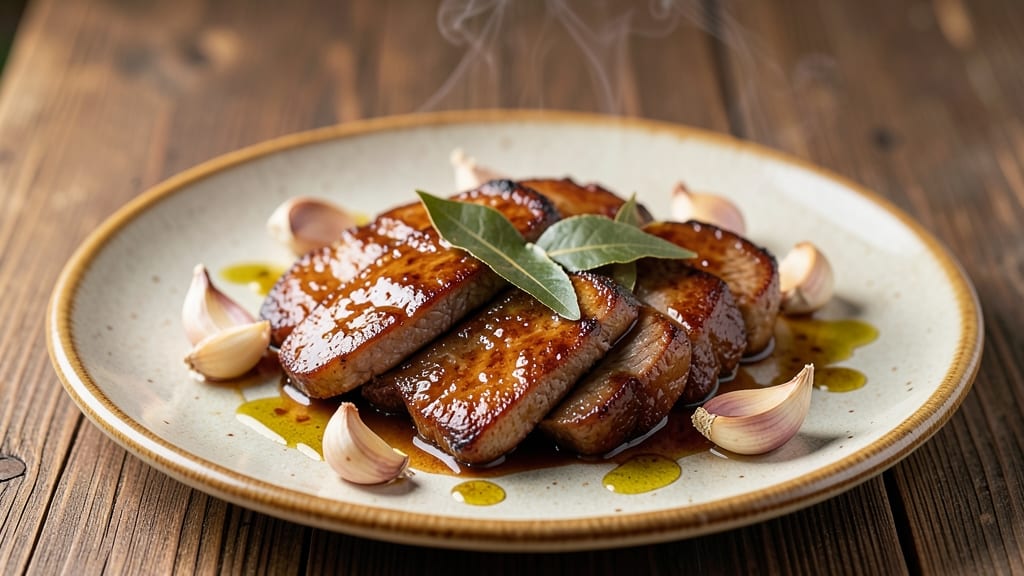
This adobo pork liver recipe delivers the perfect balance of crispy edges and tender, soy-braised richness that defines Filipino comfort food. 🔥 Growing up in Georgia, I first encountered adobo through my grandmother's recipes—though she used chicken, the technique's bold flavors stuck with me.
What makes this version special is how the liver absorbs the tangy vinegar and umami soy sauce while developing that signature caramelized crust.
The secret lies in the marinade: a mix of soy sauce, vinegar, garlic, and bay leaves that tenderizes the liver while building layers of flavor. Unlike traditional adobo pork, the liver cooks quickly—just 10 minutes in a hot pan—before finishing in a simmering sauce.
This method preserves the meat's natural richness while creating that irresistible contrast between crispy exterior and velvety interior.
What you'll end up with is a dish that tastes like a restaurant-quality meal but comes together in under 30 minutes. The liver pieces stay juicy and flavorful, coated in a glossy sauce that's both tangy and savory.
Serve it over steamed white rice to soak up every last drop, or pair with sautéed greens for a complete meal that honors Filipino home cooking traditions.
Confession: I've been known to make double batches—this recipe disappears fast, especially when paired with crispy garlic rice or a simple salad. The leftovers reheat beautifully, making it perfect for meal prep or when you want to impress guests with authentic flavors. Let's get cooking!
Ingredients for adobo pork liver
Pantry staples meet Filipino flavors for this crispy, tangy pork liver dish.
| Ingredient | Amount | Notes |
|---|---|---|
| Pork Liver 🥩 | 1 ½ lb | Fresh, trimmed of fat and membranes |
| Soy Sauce 🍶 | ½ cup | High-quality, preferably Japanese |
| White Vinegar 🍶 | ¼ cup | White or apple cider vinegar |
| Garlic Cloves 🧄 | 6 cloves | Minced, fresh preferred |
| Bay Leaves 🌿 | 2 whole | Dried, for flavor infusion |
| Olive Oil 🫒 | 2 tbsp | Extra-virgin for crisping |
| Brown Sugar 🍬 | 1 tbsp | Light or dark variety |
| Black Peppercorns 🌶️ | ½ tsp | Coarsely ground, freshly cracked |
| Salt 🧂 | 1 tsp | Kosher or sea salt |
| Water 💧 | ½ cup | For simmering sauce |
| Green Onions 🧅 | 2 whole | Sliced, for garnish |
| White Rice 🍚 | 1 ½ cups | Uncooked, for serving |
The liver is the star here, so grab the freshest cut you can find—look for vibrant color and minimal fat. Filipino markets or well-stocked Asian grocery stores usually have the best quality, but your local butcher can trim it for you. Skip the pre-cut pieces; trimming the membranes and fat yourself gives you that restaurant-quality texture. If you're nervous about handling liver, ask the butcher to do it—they've seen it all. The garlic? Fresh is non-negotiable—jarred minced garlic has no punch here. And those bay leaves? Don't skip them—they're what gives adobo its depth.
No soy sauce? Coconut aminos or tamari work in a pinch, though the flavor will be slightly different. White vinegar too strong? Apple cider vinegar or rice vinegar mellows it out. Running low on brown sugar? Honey or maple syrup adds sweetness, but soy sauce is the backbone—don't cut corners here. The olive oil matters too—extra-virgin gives the best crisp. If you're short on time, a mix of butter and olive oil works, but the flavor won't be as authentic. For the rice, jasmine or long-grain white holds up best to the rich sauce. And if you're feeling fancy, garlic fried rice makes an amazing side.
This sauce gets better the next day—make extra and store it in the fridge for up to 5 days. The liver reheats beautifully, but keep it covered with sauce to prevent drying. For freezing, portion the sauce separately from the liver—3 months max. Pro tip: Save the leftover sauce for quick stir-fries or as a marinade. And if you're making double batches (which you will), label everything—this stuff disappears fast. The rice? Cook it fresh the next day for the best texture, but day-old rice works too if you're in a hurry.
Why You'll Love This Recipe
- One-Pan Magic: I swear by this recipe when I’m too tired to scrub pots—just brown the liver, toss in the vinegar-soy mix, and let it simmer. The vinegar cuts through the richness while the garlic and bay leaves work their flavor magic without extra effort.
- Umami Bomb: That first bite? The soy sauce and vinegar create this perfect balance—salty, tangy, with just enough bite from the garlic. The liver stays tender but gets this irresistible caramelized crust that makes it impossible to stop eating.
- Budget Crowd-Pleaser: Pork liver is a secret weapon for feeding a houseful without breaking the bank. A single batch stretches across lunches, sandwiches, or even fried rice—my kids don’t even realize it’s liver until they’re licking their plates.
- Leftovers That Don’t Suck: Honestly, this dish tastes even better the next day. The flavors meld into something deeper, and it reheats like a dream. I keep a jar of the adobo sauce on hand to toss into rice, noodles, or even scrambled eggs when I’m short on time.
Step-by-step instructions for adobo pork liver
Here's how to transform tender pork liver into crispy-edged, soy-braised perfection.
🍳 Step 1: Sear the Pork Liver for Crispy Edges
Heat the 2 tablespoons olive oil in a large skillet over medium-high heat until shimmering. Pat the 1.5 lb pork liver completely dry with paper towels—this is crucial for crispy edges. Working in batches if needed, add the liver to the pan and sear for 2-3 minutes per side until golden brown and slightly crispy.
Don't overcrowd the pan or the liver will steam instead of sear. You'll see the edges develop a beautiful golden crust—that's your signal they're ready. Transfer the seared liver to a plate and set aside. Here's the thing—if it sticks, don't panic. Just add a splash of water and scrape up those flavorful browned bits from the bottom of the pan.
👨🍳 Step 2: Build the Adobo Sauce
In the same skillet, reduce heat to medium and add the 6 cloves minced garlic. Cook for 30 seconds until fragrant—you'll smell that irresistible garlic aroma. Add the 2 whole bay leaves, 1 tablespoon brown sugar, 0.5 teaspoon black peppercorns, and 1 teaspoon salt. Stir for 1 minute to toast the spices slightly.
Pour in the 0.5 cup soy sauce and 0.25 cup white vinegar, scraping up any browned bits from the bottom. Add the 0.5 cup water and bring to a gentle simmer. Let it cook for 3-4 minutes until the sauce slightly thickens and reduces by about ¼. The aroma should be rich and complex—sweet from the sugar, tangy from the vinegar, and umami from the soy.
🥘 Step 3: Braise the Liver Until Tender
Return the seared pork liver to the skillet, spooning the sauce over it to coat completely. Reduce heat to low and cover with a lid. Let it simmer gently for 15-20 minutes, stirring occasionally. You're looking for the liver to become fork-tender while absorbing all that flavorful sauce.
Here's where it gets fun—the liver should be tender enough to pierce with a fork but still hold its shape. If the sauce reduces too much, add 1-2 tablespoons water to keep it moist. The liver is done when it's no longer rubbery to the touch and has absorbed the adobo flavors beautifully. Real talk: don't rush this step. Undercooked liver will be tough and unpleasant.
🔪 Step 4: Finish and Serve
Remove the lid and increase heat to medium to reduce the sauce slightly more for 2-3 minutes. The sauce should coat the back of a spoon. Stir in the 2 sliced green onions and let them wilt slightly in the hot sauce. Taste and adjust seasoning if needed—you might want to add a touch more soy sauce for depth or a splash of vinegar for brightness.
Serve the adobo pork liver immediately over 1.5 cups cooked white rice, spooning the rich sauce generously over the top. The contrast of tender liver with crispy edges against the fluffy rice is what makes this dish so special. Garnish with extra green onions if you like, but don't skip the sauce—it's the star of the show!
Pro Tips For Making Adobo Pork Liver
- Sear the Liver First: Pork liver turns rubbery if overcooked, so hit it with a screaming-hot pan for 30 seconds per side before adding any liquid. I learned this the hard way—once I let it simmer too long in the sauce, and it came out like shoe leather.
- Slice Thin and Even: Cut the liver into ¼-inch slices, no thicker, and keep them uniform. Thick pieces stay tough; thin ones cook through perfectly. Use a sharp knife and don’t eyeball it—measure with a ruler if you’re paranoid (I am).
- Deglaze with Vinegar Last: Soy sauce and garlic get cooked first, but add the white vinegar after the liver is seared. It’s the acid’s job to tenderize, not scorch. Skip this, and you’ll end up with bitter, burnt edges instead of bright, tangy flavor.
- Crush the Garlic: Mince the garlic cloves into a paste with the flat of your knife—no chopping, no pressing. This releases more flavor into the sauce, and it caramelizes faster. Sounds weird, but it works: the dish tastes deeper, like someone actually bothered.
Perfect pairings for this recipe
Filipino Rice Pairings
This dish is a match made in heaven with steamed jasmine rice—its delicate floral notes complement the rich, umami depth of the adobo sauce. I always cook 1.5 cups uncooked rice (about 3 cups cooked) to soak up every last drop of that flavorful sauce.
For extra texture, try garlic fried rice—sauté 3 cloves minced garlic in 1 tbsp olive oil with leftover rice, then finish with a splash of soy sauce. 🍚
Vegetable Sides
Bright, crisp vegetables cut through the richness beautifully. Steamed bok choy with a sprinkle of sesame seeds adds a fresh contrast, while sautéed green beans with garlic and chili flakes bring a satisfying crunch.
For a heartier option, roasted sweet potatoes tossed with 1 tbsp brown sugar and ½ tsp smoked paprika add natural sweetness that pairs perfectly with the tangy sauce.
Beverage Recommendations
A crisp Filipino calamansi soda (made with fresh calamansi juice, soda water, and a touch of sugar) is my go-to drink—its citrusy brightness cleanses the palate between bites. For something stronger, San Miguel Pale Pilsen (a Filipino lager) balances the dish's richness with its clean, refreshing finish.
If you prefer wine, a dry Riesling from Germany or New Zealand offers enough acidity to stand up to the soy and vinegar flavors. 🍺
Crusty Bread Pairings
Warm Filipino pandesal (sweet, buttery bread rolls) make an excellent side—their soft texture contrasts perfectly with the crispy liver edges. For a savory option, garlic bread made with a baguette, 3 cloves minced garlic, and 2 tbsp melted butter soaks up the sauce beautifully.
If you're feeling adventurous, try pinipig (crispy fried pork rinds) for a crunchy, salty contrast that enhances the dish's umami flavors.
Dipping Sauces
For extra indulgence, serve with spicy vinegar dip—mix ¼ cup white vinegar, 1 tbsp soy sauce, 1 tsp brown sugar, and ½ tsp red pepper flakes.
Or try sweet chili sauce (store-bought or homemade with 2 tbsp chili sauce, 1 tbsp honey, and 1 tsp rice vinegar) for a sweet-spicy contrast. These sauces add another layer of flavor that guests will love. 🌶️
Nutrition facts
Frequently asked questions
Why do I need to pat the pork liver completely dry before cooking?
Patting the liver dry is critical for achieving those crispy edges! The moisture on the surface creates steam instead of browning, resulting in soggy rather than golden crust. Think of it like frying chicken—the drier the surface, the better the sear. Just be gentle when handling the liver to avoid tearing those delicate pieces.
Can I substitute chicken liver for pork liver in this recipe?
Yes, but expect slightly different results! Chicken liver is milder and more delicate, so it may become overcooked faster. Reduce the cooking time by 2-3 minutes and watch closely for doneness. The texture will be slightly softer, but the adobo flavors will still shine through beautifully.
What's the best way to store leftovers?
Store the cooked liver and sauce separately in airtight containers in the fridge for up to 3 days. Reheat gently in a saucepan with a splash of water to prevent drying. For longer storage, freeze the sauce alone for 3 months—it reheats perfectly for quick meals. Never freeze the liver directly as it can become grainy.
How do I know when the pork liver is fully cooked?
The liver is done when it's fork-tender but still holds its shape—no rubbery or chewy texture! Cut into a piece to check: the center should be just barely opaque with no pink remaining. Overcooking turns liver tough, so pull it out when it's just barely done and let it rest for 2 minutes before serving.
Can I make this recipe in a slow cooker?
Not ideal, but possible with adjustments! Sear the liver first (as directed), then transfer to a slow cooker with the sauce. Cook on low for 3-4 hours instead of braising. The texture will be more tender than crispy, but the flavors will still be delicious. For best results, stick to the stovetop method for that signature crispy edge.