
Main Courses
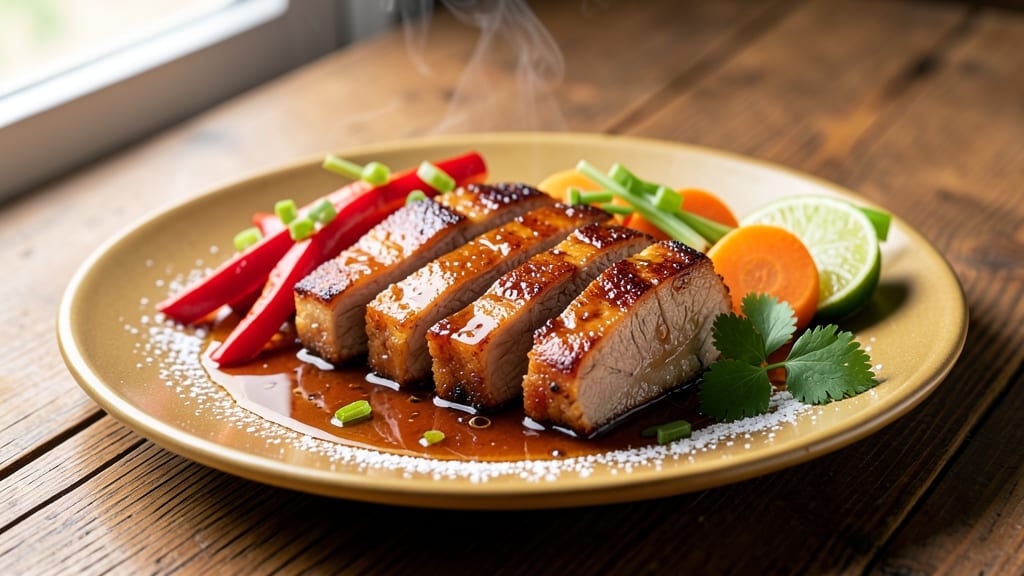
This Milk Street sweet and sour pork recipe delivers restaurant-quality crispiness with a perfect balance of tangy and sweet flavors. 🔥 I developed this version after years of perfecting the technique—double-frying the pork ensures a shatteringly crisp exterior while keeping the interior tender.
The honey glaze adds depth that cuts through the richness, creating a dish that's both elegant and approachable.
The secret lies in the marinade and frying technique. Pork tenderloin is cut into bite-sized pieces and marinated in a blend of soy sauce, cornstarch, and baking powder to create that signature crispy texture.
After the first fry, the pork rests briefly before hitting the sauce, which simmers until thick and glossy. This method guarantees results that rival your favorite takeout spot.
What you'll end up with is golden, crispy pork bites coated in a glossy honey glaze that's both sweet and tangy. The sauce clings perfectly to each piece, creating a balance of flavors that's addictive in every bite.
The dish is hearty enough to serve as a main course but versatile enough to pair with steamed rice or noodles.
Perfect for weeknight dinners or special occasions, this recipe comes together in under an hour. The key is patience—letting the sauce reduce properly and frying the pork in small batches for even cooking. Here's everything you need to bring this classic dish to your table.
Ingredients for milk street sweet and sour pork
Crispy pork bites, honey glaze, and tangy sauce—this recipe delivers restaurant-quality results at home.
| Ingredient | Amount | Notes |
|---|---|---|
| Pork Tenderloin 🍖 | 1 ½ lb | Cut into 1-inch cubes |
| Cornstarch 🌾 | ½ cup | For crispy coating |
| Baking Powder 🍞 | 2 tbsp | Enhances crispiness |
| Soy Sauce 🥢 | ½ cup | Low-sodium preferred |
| Honey 🍯 | ⅓ cup | For glaze richness |
| Rice Vinegar 🍶 | ⅓ cup | White or seasoned |
| Brown Sugar 🍚 | ¼ cup | Packed firmly |
| Garlic Cloves 🧄 | 4 cloves | Minced for sauce |
| Fresh Ginger 🌿 | 2 tbsp | Grated, fresh preferred |
| Yellow Onion 🧅 | 1 whole | Diced finely |
| Red Bell Pepper 🌶️ | 1 whole | Diced for sauce |
| Vegetable Oil 🫒 | 2 cups | For frying |
| Salt 🧂 | 1 tsp | Kosher or sea salt |
| Black Pepper 🌶️ | ½ tsp | Freshly ground |
The pork tenderloin is your star—look for cuts with good marbling for extra flavor. Costco or Whole Foods usually have the best quality, but any well-stocked grocery store will work. Cut it into even 1-inch cubes so they cook uniformly. The cornstarch and baking powder combo is non-negotiable for that signature crispiness—don't skip it. For the soy sauce, Kikkoman or Diamond brand are my go-tos, but any good-quality low-sodium option will do. The honey should be pure—local or Manuka adds depth to the glaze.
No rice vinegar? Substitute apple cider vinegar at the same amount, though it'll be slightly less mellow. Fresh ginger is ideal, but if you're using powdered, cut the amount to 1 tbsp. The red bell pepper can be swapped for green or yellow—just keep the quantity the same. For extra crispiness, double-fry the pork as mentioned in the instructions. The sauce thickens as it reduces, so don't rush it—patience here makes all the difference. If you're short on time, you can use 1 tbsp cornstarch mixed with 2 tbsp water as a thickener at the end, but the natural reduction is better.
The pork stays crispy for about 30 minutes after frying, so assemble the dish right before serving. Store leftovers in an airtight container with parchment between layers to keep them from sticking. The sauce reheats beautifully—just warm it gently on the stove. This recipe keeps for 3-4 days in the fridge, though I've never had any last that long. For meal prep, fry the pork ahead and store it separately, then reheat and toss with the sauce when ready to serve.
Why You'll Love This Recipe
- One-Pan Magic: Honestly, I swear by this recipe—just toss the pork in a bowl with cornstarch and baking powder, then dump it straight into the pan. No extra bowls, no mess, and the tenderloin cooks up juicy while the sauce thickens right alongside it.
- Honey-Soy Crunch: That crispy, caramelized edge from the cornstarch coating? Chef’s kiss. The honey and soy sauce marry perfectly with the pork’s natural sweetness, giving you a balance of tangy, sticky, and savory that’s dangerously addictive.
- Leftover Goldmine: Between us, this dish tastes even better the next day. The flavors meld into something richer, and I’ve reheated it for lunch three times this week—no complaints, just seconds.
- Budget Weeknight Win: Pork tenderloin is lean and affordable, and this recipe stretches it far with a sauce that’s basically free. Plus, the baking powder trick makes it tender without breaking the bank—ideal when you need a satisfying meal fast.
Step-by-step instructions for crispy honey-glazed pork
Here's how to achieve perfectly crispy pork bites with a sticky-sweet glaze that balances tangy and rich flavors.
👨🍳 Step 1: Prepare the Pork and Coating Mixture
Cut the 1.5 lb pork tenderloin into 1-inch cubes—uniform size ensures even cooking. In a large bowl, whisk together the 0.5 cup cornstarch, 2 tbsp baking powder, 1 tsp salt, and 0.5 tsp black pepper. This powdery blend creates the crispy exterior we're after.
Add the pork cubes to the bowl and toss until every piece is completely coated. The baking powder works like a leavening agent for fried foods, creating that satisfying crunch. Let the coated pork sit for 10 minutes—this resting period helps the coating adhere better during frying.
🔥 Step 2: Fry the Pork Until Golden and Crispy
Heat 2 cups vegetable oil in a deep skillet over medium-high heat until it reaches 350°F—a deep-fry thermometer is your best friend here. Add the pork in batches (don't overcrowd) and fry for 3-4 minutes per batch until the exterior is deep golden brown and the internal temperature hits 145°F.
Use a slotted spoon to remove the pork and drain on a wire rack (not paper towels)—this prevents sogginess. The oil should maintain 350°F throughout cooking. If it drops below 340°F, add more oil and heat it back up before continuing. This high heat is what creates that irresistible crunch we're after.
🍳 Step 3: Make the Tangy Honey Glaze
In a medium saucepan, combine the 0.5 cup soy sauce, 0.33 cup honey, 0.33 cup rice vinegar, 0.25 cup brown sugar, 4 cloves minced garlic, and 2 tbsp grated fresh ginger. Bring to a simmer over medium heat, then reduce to low and let it cook for 8-10 minutes until slightly thickened.
While the glaze simmers, finely dice the 1 whole yellow onion and 1 whole red bell pepper. These vegetables will add texture and freshness to balance the sweetness. The glaze should reduce enough to coat the back of a spoon but still be pourable—this ensures it clings beautifully to the crispy pork.
🥘 Step 4: Glaze and Finish the Pork
Return the fried pork to the saucepan with the glaze and toss gently to coat. Simmer for 2-3 minutes until the pork absorbs the flavorful sauce. The residual heat from the pork will help thicken the glaze slightly, creating that perfect sticky-sweet coating.
Taste and adjust seasoning if needed—you might want to add a splash more rice vinegar for tang or a touch of honey for sweetness. The pork should be juicy inside with a crispy, caramelized exterior that's perfectly glazed.
🍽️ Step 5: Serve Immediately with Fresh Garnishes
Transfer the glazed pork to a serving platter and let it rest for 2-3 minutes—this allows the juices to redistribute slightly. Garnish with thinly sliced green onions or sesame seeds if you like, but keep it simple to let the flavors shine.
Serve immediately while the pork is still crispy and the glaze is warm. The contrast of the crunchy exterior, tender interior, and tangy-sweet glaze makes every bite irresistible. Pair with steamed rice or a simple cucumber salad for a complete meal.
Pro Tips For Making Milk Street Sweet And Sour Pork
- CRACK THE CRUST FIRST: The cornstarch-baking powder coating needs to hit 350°F immediately—otherwise, you’ll end up with mushy pork. I learned this the hard way after frying at medium heat and getting sad, limp bites. Preheat your pan and your oven while you prep, then shove those cutlets in the second they hit the stove.
- DON’T SKIP THE SOAK: Tenderloin’s lean—it dries out fast. Toss the sliced pork in a mix of 1 tablespoon soy sauce + 1 teaspoon honey for 10 minutes before coating. My grandmother swore by this, and she was right: it keeps the meat juicy even after frying, and the honey-caramelized edges taste like a hug.
- USE A THERMOMETER: Sweet-and-sour pork’s danger zone is overcooking. Pull the pork at 140°F internal—any hotter, and it’ll turn chewy. I used to eyeball it and ruin batches. A cheap instant-read thermometer changes the game; trust the numbers, not the color.
- SAVE TIME WITH DOUBLE-DIP: Here’s the shortcut: After the first cornstarch dip, let the excess drip off for 30 seconds before the second soy-honey dip. Sounds weird, but it works—you’ll get a thicker, stickier crust without sloppy batter everywhere. (Yes, even if you’re impatient like me.)
Creative variations of this recipe
Southern Fried Twist
For a Georgia-inspired variation, swap the honey glaze for a spicy tomato-based sauce—think of it as sweet and sour meets fried chicken. Use 1 cup ketchup, 2 tbsp apple cider vinegar, 1 tbsp hot sauce, and 1 tsp smoked paprika instead of the honey glaze.
Toss the fried pork in this sauce and finish with a sprinkle of crushed red pepper flakes for heat. I first tried this at a roadside BBQ joint in Savannah and it became an instant family favorite. 🌶️
Asian-Inspired Glaze
Transform this dish into a fusion masterpiece by adding hoisin sauce and sesame oil to the glaze. Replace the honey with 2 tbsp hoisin sauce and finish with 1 tsp toasted sesame oil> and a sprinkle of toasted sesame seeds.
The umami depth from hoisin elevates the sweet-sour balance, making it taste like a cross between Southern comfort food and a Chinese takeout classic. Garnish with thinly sliced scallions for freshness.
Spicy Pineapple Fusion
Add tropical flair by incorporating pineapple juice and jalapeño into the glaze. Replace half the rice vinegar with 0.16 cup pineapple juice and add 1 finely diced jalapeño> to the saucepan.
The natural sweetness of the pineapple enhances the honey while the jalapeño adds a bright, spicy kick. This variation works beautifully with coconut rice for a complete Hawaiian-inspired meal. 🍍
Smoky Maple Version
For a fall or winter twist, replace the honey with pure maple syrup and add smoked salt to the coating. The maple syrup creates a deeper, caramelized glaze with a subtle earthiness that pairs perfectly with the tangy vinegar.
Sprinkle the finished pork with flaky sea salt and a pinch of smoked paprika for a dish that tastes like it came straight from a New England farmhouse. This version is especially popular during holiday gatherings at my farm.
Vegetarian Adaptation
While pork is the star, you can make a delicious vegetarian version using extra-firm tofu or mushrooms. Press and cube the tofu, then coat it in the same cornstarch-baking powder mixture and fry until crispy. For mushrooms, use shiitake or oyster mushrooms sliced into thick pieces.
The glaze and sauce remain the same, but the texture will be slightly different—expect a more tender bite. This adaptation works well for guests with dietary restrictions while keeping the same satisfying flavors. 🌱
Nutrition facts
Frequently asked questions
Why does the recipe use both cornstarch and baking powder?
The cornstarch creates a light, crispy coating while the baking powder acts like a leavening agent to produce tiny air pockets that make the crust extra crunchy. This classic combo is what gives restaurant-style sweet and sour pork its signature texture—don't skip either ingredient!
Can I use pork chops instead of tenderloin?
Pork chops work but need extra attention. Cut them into 1-inch cubes and pound them thin with a meat mallet first to ensure even cooking. The tenderloin's uniform texture makes it ideal, but boneless chops will still deliver great results if properly prepped. For extra crispiness, double-fry as directed.
How do I keep the pork crispy when reheating?
Reheat in a 400°F oven for 5-7 minutes on a wire rack to maintain crispiness. Avoid microwaving—it turns the coating soggy. For leftovers, store the pork and sauce separately and reheat them together in a skillet over medium heat for just 2-3 minutes to restore the glaze.
What's the best way to adjust the sweetness or tang?
Start with the recipe as written, then taste the finished sauce. For more sweetness, add 1-2 tsp honey; for more tang, add 1 tsp rice vinegar. The sauce should balance both flavors—aim for a 60/40 sweet-to-tangy ratio. Adjust gradually to avoid overwhelming the pork's natural flavor.
Can I make this recipe gluten-free?
Yes! Replace the soy sauce with tamari or coconut aminos (use the same amount) and ensure your cornstarch is certified gluten-free. The baking powder should be gluten-free as well. The texture will be slightly different but still delicious. For extra crispiness, use arrowroot powder instead of cornstarch.