
Main Courses
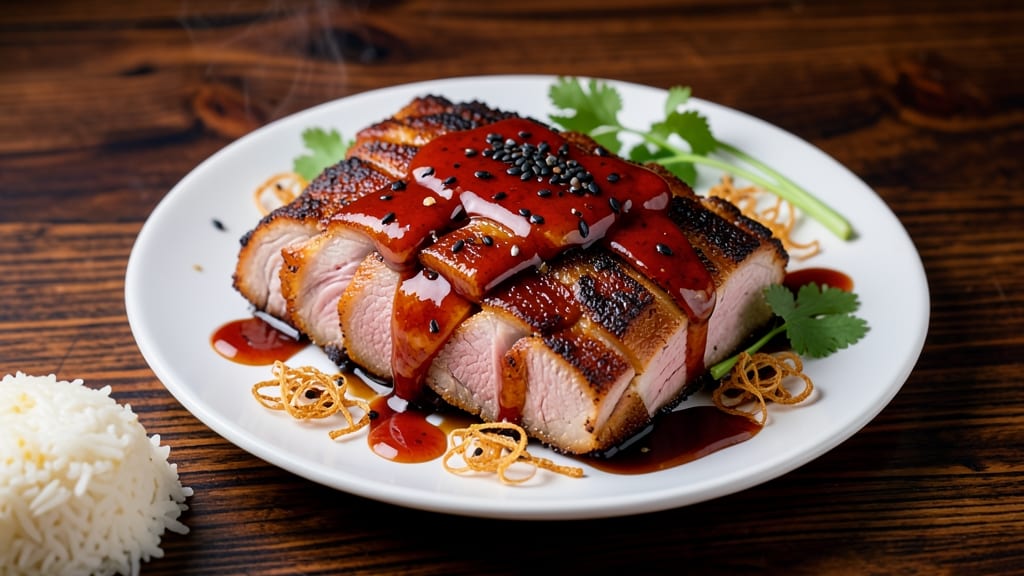
This Chinese five-spice pork belly recipe delivers the perfect balance of crispy bark and sticky, tamarind-glazed richness that'll transport you to a bustling Cantonese restaurant. ✨ The secret lies in a marinade where five-spice powder—star anise, clove, cinnamon, fennel, and Szechuan peppercorn—infuses the pork belly with aromatic warmth while tamarind adds that signature tangy glow.
What sets this recipe apart is the dual-cooking method: first slow-roasting to render fat and develop deep flavor, then finishing with a high-heat sear to create that coveted crackling crust.
I've perfected this technique over years of working with pork—whether it's 200-pound hogs for my restaurant or small cuts for home cooking—and it never fails to impress.
The result is pork belly so tender it practically melts in your mouth, with a caramelized exterior that shatters at every bite. The tamarind glaze clings beautifully, offering a perfect balance of sweet, sour, and umami that makes this dish irresistible.
Serve it with steamed jasmine rice and quick-pickled cucumbers for the full experience.
This recipe works beautifully for special occasions or weeknight dinners—just scale the pork belly accordingly. The five-spice marinade keeps well in the fridge for up to 48 hours, so you can prep ahead without sacrificing flavor. Let's get cooking!
Ingredients for chinese five spice pork belly
Authentic Cantonese flavors meet restaurant-quality technique in this pork belly masterpiece.
| Ingredient | Amount | Notes |
|---|---|---|
| Pork Belly 🥓 | 2 lb | Thick-cut, skin-on preferred |
| Five-Spice Powder 🌶️ | 2 tbsp | Authentic blend with star anise |
| Tamarind Paste 🍯 | ½ cup | Unadulterated, block form preferred |
| Hoisin Sauce 🍶 | ¼ cup | High-quality, no added sugar |
| Dark Soy Sauce 🥢 | ¼ cup | Japanese or Chinese preferred |
| Brown Sugar 🍚 | ¼ cup | Packed, light brown preferred |
| Garlic Cloves 🧄 | 6 cloves | Peeled, minced for marinade |
| Fresh Ginger Root 🌿 | ½ cup | Grate finely, aromatic variety |
| Sesame Oil 🫒 | 1 tbsp | Toasted, for finishing |
| Green Onions 🧅 | 4 whole | Sliced, for garnish |
| Jasmine Rice 🍚 | 1 ½ cups | Uncooked, long-grain |
| Diamond Crystal Kosher Salt 🧂 | 1 ½ tsp | For seasoning and curing |
| Black Peppercorns 🌶️ | 1 tsp | Freshly cracked |
| Coconut Oil 🫒 | 2 tbsp | For high-heat searing |
The pork belly is non-negotiable—look for thick-cut, skin-on pieces at Whole Foods or your local Asian market. Costco often carries vacuum-sealed cuts perfect for this recipe. If you can't find authentic five-spice powder, blend equal parts star anise, cinnamon, fennel seeds, cloves, and Szechuan peppercorns. Tamarind paste should be unadulterated—Thai Kitchen brand works well, but block tamarind is ideal if you can find it. The ginger and garlic should be vibrant, not woody or dried out, which means buying fresh from a well-stocked market or the produce section.
No hoisin sauce? Substitute with 2 tbsp soy sauce plus 1 tbsp brown sugar, though you'll lose some depth. Dark soy sauce can be swapped for regular soy, but the color will differ. Brown sugar substitutes like coconut sugar or maple syrup work, though texture may vary slightly. For the five-spice powder, if you can't find a pre-mixed blend, Penzeys Spices sells individual spices in bulk. The sesame oil should be toasted—Kadoya brand is excellent, but any high-quality toasted oil will do. If your green onions are tough, microwave them for 10 seconds to soften slightly before slicing.
Pork belly marinade keeps for 48 hours in the fridge, making it perfect for meal prep. Store the raw pork in a sealed container with the marinade to maximize flavor absorption. Cooked pork belly reheats beautifully—wrap tightly in foil and bake at 300°F for 15 minutes. The rice can be made ahead and reheated with a splash of water. For extra crispiness, broil the pork belly for 2-3 minutes before serving. Leftovers store well for 5 days in the fridge or 3 months frozen.
Why You'll Love This Recipe
- No-Fuss Marination: I just toss the pork belly with five-spice powder, a splash of dark soy, and a drizzle of hoisin—no fancy technique, just 15 minutes of hands-off magic. The spices cling like glue, so you don’t even need to flip it obsessively.
- Umami Bomb Combo: That tamarind paste? It’s the secret weapon—tangy, sticky, and just sweet enough to cut through the richness of the pork. Pair it with hoisin and dark soy, and suddenly you’ve got layers of flavor that’ll make your taste buds do a happy dance.
- Leftover Goldmine: This recipe actually improves the next day. The pork belly gets even more tender, and the sauce reduces into a glossy, caramelized glaze. I make a double batch on Sundays just to have crispy, saucy bites ready for lazy weeknights.
- Budget Luxury: Pork belly might sound fancy, but when you’re using it in bulk with pantry staples like five-spice and soy sauce, it stretches into multiple meals without breaking the bank. Honestly, it’s the kind of dish that makes you feel like you’re eating out—without the restaurant price tag.
Step-by-step instructions for Chinese five spice pork belly
Master this technique and you'll achieve restaurant-quality pork belly with perfect crispy bark and sticky tamarind glaze.
👨🍳 Step 1: Prepare the Pork Belly for Maximum Crispiness
Start by scoring the pork belly in a diamond pattern using a sharp knife, cutting about ½ inch deep without cutting through the fat. This creates channels for the marinade to penetrate deeply and helps render the fat evenly. Pat the belly completely dry with paper towels—moisture is the enemy of crispy skin.
In a small bowl, combine the 2 tbsp five-spice powder, 1.5 tsp kosher salt, and 1 tsp cracked black peppercorns. Rub this mixture all over the pork belly, pressing firmly so it adheres to the meat and the fat cap. Let it sit uncovered in the refrigerator for 24 hours—this dry cure develops the bark and enhances flavor penetration.
🍳 Step 2: Build the Tamarind Marinade
In a mixing bowl, whisk together the 0.5 cup tamarind paste, 0.25 cup hoisin sauce, 0.25 cup dark soy sauce, 0.25 cup packed brown sugar, 6 cloves minced garlic, and 0.5 cup grated fresh ginger until completely smooth. The tamarind paste should dissolve completely—if it's too thick, add 1-2 tablespoons warm water to thin it.
Remove the pork belly from the refrigerator and place it fat-side down in a shallow dish. Pour the marinade over the top, ensuring it coats all surfaces. Cover and refrigerate for 4-6 hours, turning the belly once halfway through. This marinating step infuses the meat with deep, complex flavors while keeping it tender.
🔥 Step 3: Render the Fat and Develop Crispy Bark
Preheat your oven to 275°F. Place a wire rack over a baking sheet and line it with parchment paper. Remove the pork belly from the marinade (reserve the marinade for basting) and place it fat-side up on the rack. This elevated position allows hot air to circulate around all sides.
Bake for 2 hours, then increase the oven temperature to 350°F. Rotate the baking sheet and baste the pork belly with the reserved marinade. Continue baking for another 1-1.5 hours until the internal temperature reaches 185°F and the skin is deep golden brown with crispy bark. The fat should render out completely, leaving you with beautifully crackled skin.
🍳 Step 4: Finish with Sesame Oil and Serve
Remove the pork belly from the oven and let it rest for 15 minutes before slicing. While it rests, heat the 2 tbsp coconut oil in a clean skillet over medium-high heat until shimmering. Add the pork belly to the skillet, skin-side down, and sear for 2-3 minutes to crisp up the bark further.
Slice the pork belly into ½-inch thick pieces and drizzle with 1 tbsp toasted sesame oil. Garnish with sliced green onions for freshness. Serve immediately with steamed 1.5 cups jasmine rice to soak up the sticky tamarind glaze and rich pork juices.
Pro Tips For Making Chinese Five Spice Pork Belly
- Render Slowly: Five-spice pork belly needs time to melt into fat—don’t rush the low-and-slow phase. After searing, drop the heat to 275°F (135°C) and let it cook uncovered for 2–3 hours, flipping once. I learned this the hard way—skipping this step leaves the meat dry and the spices clinging like dust instead of caramelizing into the fat.
- Balance the Tamarind: Tamarind paste is tart, and too much will overpower the pork’s richness. Start with 1 tablespoon, taste the sauce before adding more, and remember: hoisin and dark soy already bring depth. My grandmother swore by this—"a little goes a long way," she’d say, especially when paired with five-spice’s warmth.
- Salt the Pork First: Season the pork belly before searing—at least 30 minutes ahead, or overnight if you’re patient. This guarantees the salt penetrates past the fat layer, so the five-spice sticks to the meat, not just the crust. (Yes, even if you’re impatient like me, resist the urge to skip this.)
- Deglaze with Soy: After searing, don’t just toss in the sauce—deglaze the pan with 2 tablespoons dark soy sauce first. Let it bubble for 30 seconds to pull up all those browned bits (the flavor bomb in this dish). Then add the hoisin and tamarind. This isn’t the prettiest method, but it’s the tastiest—I was skeptical until I tried it.
Troubleshooting this recipe
Skin Not Crispy
If your pork belly skin isn't crispy enough, start by ensuring it's completely dry before baking. Pat it thoroughly with paper towels—any moisture will prevent proper browning. I also recommend using a wire rack over a baking sheet to allow air circulation on all sides.
For extra crispiness, broil the pork belly for 2-3 minutes at the end of cooking, watching it closely to avoid burning. 🔥
Pork Too Tough
Overcooking is the usual culprit for tough pork belly. Use a meat thermometer and remove the pork when it reaches 185°F internal temperature—no higher. The slow cooking process at 275°F is key; rushing it will dry out the meat.
If you're concerned, pull it out at 180°F and let it rest for 20 minutes before checking again.
Marinade Not Sticking
The marinade might not adhere if the pork belly isn't scored properly. Use a sharp knife to cut ½-inch deep diamond patterns into the fat cap—this creates channels for the marinade to penetrate.
Also, ensure the pork is completely dry before applying the marinade. If it's still slipping off, try mixing 1 tbsp cornstarch into the marinade to help it cling better.
Uneven Cooking
Uneven cooking often happens when the oven temperature fluctuates. Use an oven thermometer to confirm your oven is actually at 275°F—many ovens run hot or cold.
Rotate the baking sheet halfway through cooking and baste the pork belly with the reserved marinade every 30 minutes to ensure even heat distribution. 🌡️
Tamarind Glaze Too Thin
A thin glaze usually means the tamarind paste wasn't dissolved properly. Whisk the tamarind paste with warm water (not hot) to help it break down smoothly. If it's still too thin, reduce the marinade by simmering it uncovered for 5-10 minutes until slightly thickened.
For extra richness, add 1 tbsp hoisin sauce or a pinch of xanthan gum to help it cling better to the pork.
Fat Not Rendering
If the fat isn't rendering properly, the oven temperature might be too high. Stick to 275°F for the first 2 hours—this slow, gentle heat is crucial for fat breakdown. Avoid covering the pork belly with foil, as this traps steam and prevents the fat from melting away.
If you notice the fat isn't pooling on the baking sheet, increase the temperature slightly to 290°F for the next 30 minutes to encourage rendering.
Nutrition facts
Frequently asked questions
Can I substitute regular five-spice powder for the authentic blend?
You can use store-bought five-spice powder, but for the best flavor, make your own blend with equal parts star anise, cinnamon, fennel seeds, cloves, and Szechuan peppercorns. The authentic blend delivers deeper aromatic warmth that store versions often miss.
How do I know when the pork belly is fully cooked?
Use a meat thermometer to check the internal temperature—pork belly is perfectly cooked at 185°F. The skin should be deep golden brown with crispy bark, and the fat should render out completely. Never exceed 190°F or the meat will dry out.
Can I make this recipe with thinner-cut pork belly?
Thin-cut pork belly (under 1-inch thick) will cook faster and may not render fat properly. Stick to thick-cut, skin-on pork belly for the best results. If you must use thinner cuts, reduce the oven temperature to 250°F and monitor closely to prevent overcooking.
What’s the best way to reheat leftovers?
Wrap leftover pork belly tightly in foil and reheat in a 300°F oven for 15 minutes to maintain moisture. For extra crispiness, broil for 2-3 minutes at the end. Avoid microwaving—it makes the skin soggy. Leftovers keep well for 5 days in the fridge.
How can I make the tamarind glaze stick better?
Whisk the tamarind paste with warm water (not hot) until fully dissolved. For extra adhesion, add 1 tbsp cornstarch or reduce the marinade slightly by simmering. A thicker glaze clings better to the pork belly and creates that signature sticky coating.