
Main Courses
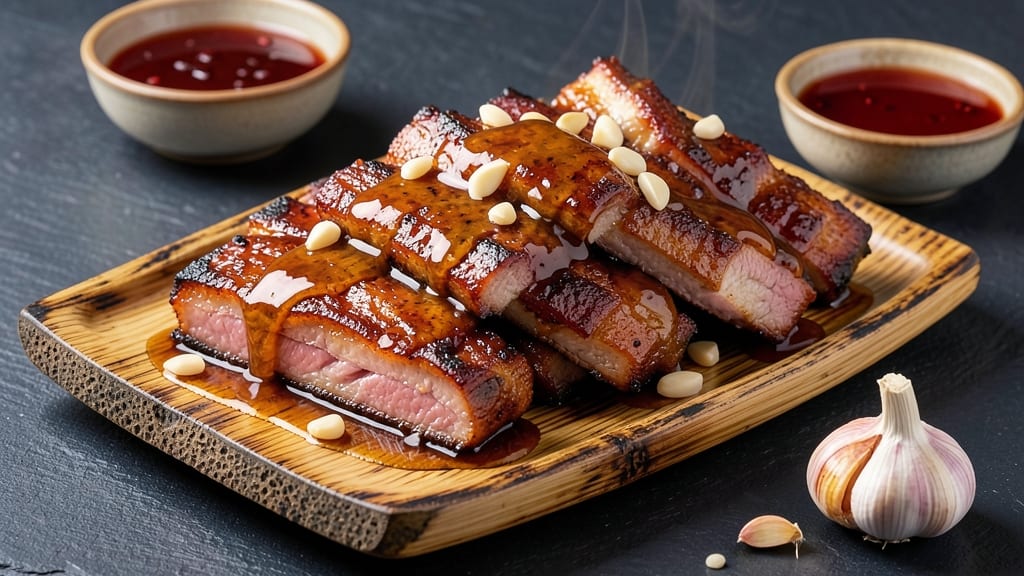
This Chinese BBQ pork ribs recipe delivers the perfect balance of charred edges and caramelized tamarind shine—a dish that transports you to a bustling Cantonese restaurant with every bite. 🔥 I’ve spent years perfecting the technique for tender, sweet-spicy ribs that stay juicy even after hours in the oven or on the grill.
The secret lies in the marinade: a blend of honey, soy sauce, and tamarind that creates a sticky, aromatic crust while keeping the meat moist. What sets this recipe apart is the two-stage cooking process—first searing the ribs to lock in flavor, then slow-roasting until they’re fall-off-the-bone tender.
The sauce, thickened with a touch of cornstarch, coats the ribs in a glossy glaze that’s both sweet and tangy, with just the right amount of heat. This method ensures restaurant-quality results without requiring a wok or specialized equipment.
By the end, you’ll have ribs that are deeply caramelized on the outside, with a tender, juicy interior that practically melts in your mouth. The aroma alone—smoky, sweet, and slightly spicy—will have everyone asking for seconds.
Whether you’re serving a crowd or treating yourself to a special meal, these ribs are a game-changer. The best part? This recipe scales beautifully, so you can easily double or triple the batch for gatherings. Let’s get started—your taste buds (and your guests) will thank you.
Ingredients for chinese bbq pork ribs
Six ingredients create the marinade, plus ribs that transform into restaurant-worthy BBQ.
| Ingredient | Amount | Notes |
|---|---|---|
| Pork Ribs 🥓 | 4 lb | Baby back or spare ribs, cut into individual ribs |
| Honey 🍯 | ½ cup | Raw or mild clover honey preferred |
| Light Soy Sauce 🍶 | ½ cup | Kikkoman or similar brand |
| Tamarind Paste 🍈 | ¼ cup | Thick, unsweetened variety |
| Rice Vinegar 🍶 | ¼ cup | White or seasoned rice vinegar |
| Garlic Cloves 🧄 | 8 cloves | Minced or finely chopped |
| Fresh Ginger 🌿 | ½ cup | Finely grated or minced |
| Sesame Oil 🫒 | 1 tbsp | Toasted sesame oil for aroma |
| Cornstarch 🌾 | 2 tbsp | For sauce thickening |
| Brown Sugar 🍚 | ¼ cup | Packed, light or dark |
| Red Chili Flakes 🌶️ | 1 tbsp | Adjust for heat preference |
| Ground Black Pepper 🌶️ | 1 tsp | Freshly cracked preferred |
| Sesame Seeds 🌱 | 1 tbsp | Toasted for garnish |
| Green Onions 🧅 | ¼ cup | Sliced, for garnish |
The ribs are the foundation—baby back ribs are my go-to, but spare ribs work too. Grab them fresh from the butcher if possible (they usually have them cut into individual ribs already), or buy a full rack and separate them yourself. Costco or local Asian markets often carry high-quality pork ribs at great prices. Look for ribs with good marbling—they’ll stay juicier during cooking. If you can’t find tamarind paste at regular grocery stores, Asian markets or online retailers have it in jars or blocks. The honey should be raw or mild clover—avoid dark varieties that can overpower the sauce’s balance.
No tamarind paste? Substitute with 1 tbsp lemon juice plus 1 tbsp molasses—it’s not identical, but close. Running low on sesame oil? Toasted peanut oil works in a pinch, though the flavor will differ slightly. For extra heat, swap the chili flakes for 1 tbsp gochujang (Korean chili paste). The cornstarch is crucial for thickening the sauce—don’t skip it, but if you’re gluten-free, use arrowroot powder instead. Brown sugar can be swapped for white sugar or coconut sugar, though brown adds depth. Fresh ginger is ideal, but ground ginger at half the amount works if you’re in a hurry.
Marinate the ribs overnight for best results, but at least 4 hours if you’re short on time. Store the marinade in an airtight container in the fridge—it keeps for 5 days. The cooked ribs reheat beautifully—wrap them in foil and bake at 300°F for 10-15 minutes. For leftovers, portion into containers with some of the sauce and freeze for up to 3 months. Garnish with toasted sesame seeds and green onions right before serving—they add that restaurant-fresh finish. The sauce thickens as it cools, so if it seems too thin after cooking, stir in a splash of water to adjust.
Why You'll Love This Recipe
- One-Bowl Magic: I swear by this recipe when I’m too tired to measure five things. Just toss the ribs in a bowl with honey, soy, and tamarind—no fancy prep, no extra bowls. The tamarind paste does the work of balancing sweet and tangy while I’m still debating what to watch on TV.
- Sticky-Sweet Obsession: That honey-soy glaze? It’s the kind of addictive you’ll lick the bowl after serving. The rice vinegar cuts through the richness just enough to keep it from feeling heavy, and the caramelized edges? Pure satisfaction after 20 minutes in the oven.
- Leftover Goldmine: Make a double batch—these ribs stay incredible reheated (yes, really). I pack them for lunches or toss them into fried rice the next night. The sauce clings to everything, so every bite tastes like fresh-off-the-grill.
- Budget Crowd-Pleaser: Pork ribs are cheaper than you think, and this recipe stretches them far. Feed four people for under $15, and they’ll beg for seconds. Honestly, it’s my go-to for game nights or when my kid’s friends show up hungry. No one leaves disappointed.
Step-by-step instructions for Chinese BBQ pork ribs
Here's how to transform tough ribs into sticky, caramelized perfection with that signature tamarind shine.
🔥 Step 1: Prep and Parboil the Ribs
Start by trimming any excess fat from the 4 lb pork ribs but leave about ¼-inch to protect the meat. Cut into individual ribs if not already separated. Place them in a large pot and cover with cold water by about 2 inches.
Bring to a boil over high heat, then immediately reduce to a simmer and cook for 30 minutes. This parboiling step tenderizes the meat and removes impurities. Drain and rinse the ribs with cold water to stop the cooking process and refresh the meat.
🍳 Step 2: Create the Signature Sauce
In a medium saucepan, combine the 0.5 cup honey, 0.5 cup light soy sauce, 0.25 cup tamarind paste, 0.25 cup rice vinegar, 0.25 cup brown sugar, 1 tbsp red chili flakes, and 1 tsp ground black pepper. Bring to a gentle simmer over medium heat and cook for 10 minutes until slightly thickened.
While the sauce simmers, mix the 8 cloves garlic cloves and 0.5 cup fresh ginger with the 1 tbsp sesame oil in a small bowl. Add this aromatic mixture to the sauce and cook for another 2 minutes until fragrant. In a separate bowl, whisk together the 2 tbsp cornstarch with 2 tablespoons water to create a slurry.
🥘 Step 3: Glaze and Char the Ribs
Preheat your oven to 375°F and line a baking sheet with aluminum foil. Arrange the parboiled ribs on the prepared baking sheet. Pour half of the sauce mixture over the ribs, making sure each piece is well-coated. Bake for 20 minutes until the ribs are beginning to caramelize.
Transfer the ribs to a grill pan or broiler-safe baking sheet. Increase the oven temperature to broil and cook for 3-5 minutes on each side until you see deep char marks and caramelized edges. Watch closely—they'll go from glossy to beautifully charred quickly!
🍳 Step 4: Finish with Sauce and Garnish
Return the charred ribs to the oven-safe baking sheet. Pour the remaining sauce over the ribs and spoon it generously over the top. Return to the oven for 5-7 minutes at 375°F to let the sauce thicken and cling to the meat.
Remove from the oven and let the ribs rest for 5 minutes before serving. Garnish with 1 tbsp toasted sesame seeds and 0.25 cup sliced green onions for freshness and crunch. The ribs should be sticky, caramelized, and packed with that signature tamarind shine.
Pro Tips For Making Chinese Bbq Pork Ribs
- Trim the Fat First: Cut the silver skin and excess fat from the ribs before cooking—it melts into the pan and makes a greasy mess. I learned this after cleaning up a pan full of rendered fat that turned my sauce into a gloopy nightmare.
- Marinate Overnight: Toss the ribs in half the sauce (soy, tamarind, vinegar) and let them sit in the fridge for at least 6 hours. The tamarind paste needs time to tenderize, and the pork absorbs flavor like a sponge instead of just sitting there looking sad.
- Watch the Honey: Don’t dump all the honey at once—add it in the last 5 minutes of cooking. Too early, and it burns into bitter sludge. Too late, and your ribs stay sticky instead of caramelized. Balance is everything, especially with this sweet-savory sauce.
- Rest Before Slicing: Let the ribs sit under foil for 10 minutes after cooking. The meat firms up, making it easier to slice cleanly, and the juices redistribute so every bite is moist—not dry and crumbly like I used to get when I sliced too soon.
Storing and reheating your leftovers
Refrigerator Storage
Store your Chinese BBQ pork ribs in an airtight container with a thin layer of sauce to keep them moist. I use glass Pyrex containers because they distribute heat evenly when reheating.
Keep them in the fridge for up to 4 days—the flavors actually deepen over time as the sauce melds with the meat. Just make sure they cool completely before storing to prevent condensation. 💫
Freezer Storage
For longer storage, freeze the ribs in single-serving portions wrapped tightly in plastic wrap, then placed in a freezer bag with sauce. They’ll keep for 3 months without losing texture. When ready to eat, thaw overnight in the fridge—never microwave directly from frozen.
I like to portion them with a little extra sauce in each bag so they reheat with that sticky glaze. ❄️
Oven Reheating
My go-to method is baking at 300°F until the ribs reach 165°F internal temperature. Cover them loosely with foil to retain moisture, then bake for 10-15 minutes.
The sauce will thicken slightly, so add a splash of water if it looks too dry. For extra crispiness, broil for 1-2 minutes at the end. 🔥
Grill Reheating
If you prefer smoky flavors, reheat on a medium-heat grill for 5-7 minutes per side, brushing with a little extra sauce. The char marks will revive, giving you that restaurant-quality finish.
Just watch closely—they’ll reheat faster than when cooking fresh. I love this method for weekend BBQs with friends. 🌶️
Sauce Refresh
Leftovers often lose some sauce stickiness. To fix this, warm the sauce in a small pan with 1 tbsp water until thickened, then brush it over the ribs before serving.
For extra shine, add ½ tsp cornstarch to the sauce while reheating. This trick makes even reheated ribs taste like they just came out of the oven. ✨
Garnish Reset
Before serving, always refresh the garnishes—toasted sesame seeds and green onions—to bring back that restaurant-fresh look. Toast the seeds in a dry pan for 30 seconds until fragrant, then sprinkle over the ribs. The fresh herbs add brightness that balances the rich, caramelized flavors. 🌱
Nutrition facts
Frequently asked questions
Can I make these ribs without tamarind paste?
If you can't find tamarind paste, substitute with 1 tablespoon lemon juice plus 1 tablespoon molasses—it won't be identical but captures the tangy-sweet balance. For a closer match, try 1 tablespoon date syrup or 1 tablespoon balsamic vinegar. The key is maintaining that slight acidity to cut through the richness of the honey and soy sauce.
How do I prevent the ribs from drying out during baking?
The parboiling step is crucial—it pre-cooks the ribs so they stay juicy. After baking, always rest them for 5 minutes before serving to redistribute juices. For extra moisture, baste with sauce every 10 minutes during the final oven phase. If using a grill, keep the heat at medium-high and cook in batches to avoid overcrowding.
What's the best way to grill these ribs?
Preheat your grill to medium-high heat (400°F) and oil the grates well. Grill the ribs for 4-5 minutes per side until charred, then move them to indirect heat for 10-15 minutes to finish cooking. Brush with sauce during the last 5 minutes for that signature shine. For extra smokiness, add 1 teaspoon five-spice powder to the sauce before glazing.
Can I use spare ribs instead of baby back ribs?
Yes! Spare ribs are heartier and work beautifully with this recipe. They'll need 10-15 extra minutes of cooking time due to their thicker meat. Trim excess fat but leave a thin layer for flavor. The parboiling step is even more important for spare ribs to ensure tenderness. For best results, marinate them 6-8 hours instead of overnight.
How do I adjust the heat level in the sauce?
Start with 1 tablespoon chili flakes for mild heat, or reduce to ½ tablespoon if you prefer minimal spice. For extra kick, add 1 teaspoon gochujang (Korean chili paste) or ½ teaspoon cayenne pepper to the sauce. Always taste as you go—you can balance heat with more honey or brown sugar if needed.