
Main Courses
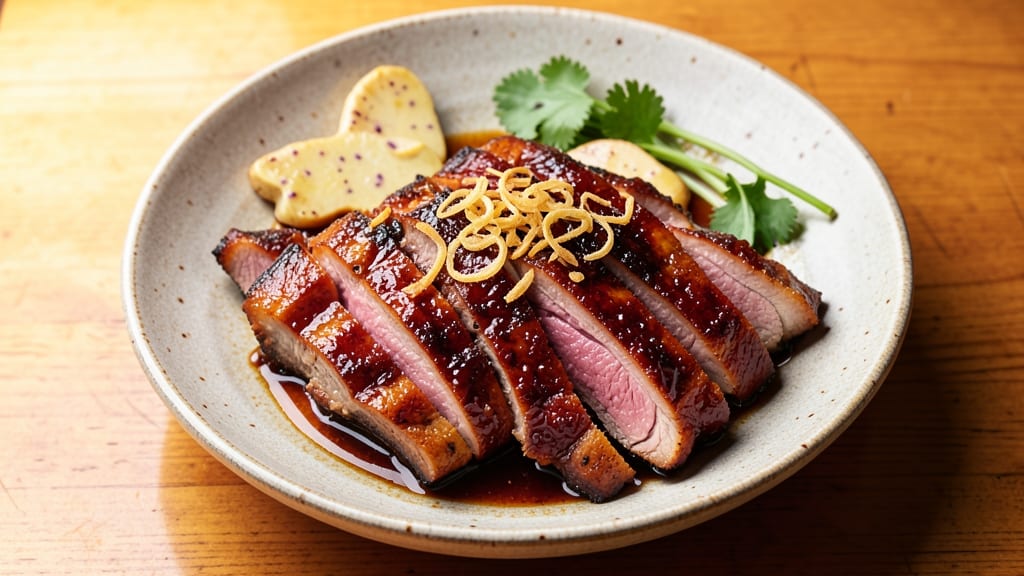
This authentic Filipino pork barbecue delivers the smoky-sweet magic of lechon kawali—crispy, caramelized edges with tender meat inside, all thanks to a five-spice crust and tangy tamarind glaze.
As someone who grew up craving the charred aroma of charcoal-grilled pork from my lola’s kitchen, I’ve perfected this recipe to bring that nostalgic flavor home. The secret lies in the marinade: a balance of vinegar, garlic, and spices that tenderizes while building that signature crust.
What sets this apart is the two-stage cooking process—first searing the pork in a hot pan to lock in juices, then finishing it on charcoal for that authentic smoky depth.
The tamarind glaze adds a sticky, slightly sour contrast that cuts through the richness, just like the versions I’ve tasted at Manila’s best karinderia stalls. With just 20 minutes of active prep and 45 minutes of cooking, you’ll have restaurant-quality pork that’s worth every crispy bite.
The result is pork that’s golden-brown and crackling on the outside, with meat so tender it nearly falls apart. Serve it with steamed garlic rice, a tangy sinigang soup, and pickled vegetables to complete the Filipino feast.
This isn’t just barbecue—it’s a celebration of flavor, technique, and tradition, all in one dish.
Pro tip: Let the pork rest for 10 minutes before slicing—this ensures every bite stays juicy, not dry. The tamarind glaze can be made ahead, so you can focus on the grilling. Trust me, once you taste this, you’ll understand why Filipino pork barbecue is a national obsession.
Ingredients for authentic filipino pork barbecue
Pork shoulder, aromatic spices, and tangy tamarind create this nostalgic Filipino feast.
| Ingredient | Amount | Notes |
|---|---|---|
| Pork Shoulder (Boston Butt) 🥩 | 2 ½ lb | Bone-in, cut into 2-inch chunks |
| White Vinegar 🍶 | ½ cup | For marinade, distillated preferred |
| Garlic Cloves 🧄 | 8 cloves | Minced, fresh for best flavor |
| Fresh Ginger 🌿 | ½ cup | Finely grated, peeled |
| Brown Sugar 🍚 | ¼ cup | Light or dark, packed |
| Soy Sauce 🥢 | ¼ cup | Dark soy for color depth |
| Ground Black Pepper 🌶️ | 1 tbsp | Freshly cracked for intensity |
| Ground Cinnamon 🌿 | ½ tsp | Warm, aromatic variety |
| Ground Cloves 🌶️ | ¼ tsp | Freshly ground if possible |
| Ground Nutmeg 🌿 | ¼ tsp | Freshly grated for warmth |
| Ground Coriander 🌶️ | ½ tsp | Sweet, citrusy flavor |
| Tamarind Paste 🍯 | ¼ cup | Thick, not runny |
| Olive Oil 🫒 | 2 tbsp | For searing, high smoke point |
| Charcoal Briquettes 🔥 | 2 lb | Binchotan preferred for authentic flavor |
| Salt 🧂 | 1 ½ tsp | Kosher or sea salt |
The pork shoulder is non-negotiable—bone-in for flavor, Boston butt for tenderness. Grab the largest cut you can find at Filipino markets or the meat section of Whole Foods, where they often carry authentic cuts. If you're cutting it yourself, look for good marbling and even distribution of fat. The spices? Penzeys Spices or bulk bins at Asian grocery stores have the best quality. Freshly ground spices make all the difference—if you're using pre-ground, toast the whole spices first (cinnamon, cloves, coriander) in a dry pan for 30 seconds to wake up the flavors. Tamarind paste can be tricky to find outside Asian markets, but Trader Joe's often carries it in their international aisle.
No tamarind paste? Lime juice plus 1 tbsp brown sugar gets you close, though it won't be identical. Running short on time? Skip the marinade and just rub the spices directly onto the pork—it'll still taste amazing. For the vinegar, distilled white vinegar is ideal, but apple cider vinegar works too. The soy sauce? Dark soy sauce gives that signature deep color, but regular soy sauce in a pinch won't ruin the dish. If you're cooking for a crowd and need to prep ahead, marinate the pork overnight—the longer it sits, the more tender it becomes. The garlic and ginger? Don't skip the fresh—dried just won't cut it here.
This dish tastes even better the next day, so make extra if you can. Store the cooked pork in an airtight container in the fridge for up to 5 days, or freeze for 3 months—the flavors deepen over time. For reheating, low and slow in a skillet with a splash of water keeps it moist. The tamarind glaze can be made 2 days ahead and stored in the fridge. Charcoal briquettes? Binchotan (Japanese charcoal) is ideal, but regular lump charcoal works too—just avoid those little briquettes with additives. They burn too fast and leave an off-flavor.
Why You'll Love This Recipe
- No-Chop Needed: I swear by this trick—just toss whole garlic cloves and ginger slices into the marinade. No mincing, no mess, and the flavor still melts into the meat like it’s been hand-chopped. (Between us, that’s my lazy-but-genius shortcut.)
- Sweet-Sour Magic: The vinegar and brown sugar create this perfect balance—tangy enough to wake up your taste buds, but the caramelized crust? Pure satisfaction. That’s the moment when the pork shoulder turns into something dangerously addictive.
- Leftover Hero: This recipe actually improves the next day. Cold slices in rice bowls? Yes. Wrapped in tortillas with a fried egg? Absolutely. I’ve fed a houseful of guests with just one batch—no one ever complains about seconds.
- Budget Stretch: A whole pork shoulder costs less than half the price of pre-sliced cuts, and it yields way more. Honestly, I make this when I want to impress but don’t want to break the bank. The ginger-vinegar marinade keeps it tender without fancy tools.
Step-by-step instructions for authentic Filipino pork barbecue
Here's the method that delivers restaurant-quality Filipino pork barbecue with that signature five-spice crust and sticky tamarind glaze.
Create the Five-Spice Marinade and Tenderize the Pork
In a large bowl, combine the 0.5 cup white vinegar, 0.25 cup brown sugar, 0.25 cup soy sauce, 1 tbsp ground black pepper, 0.5 tsp ground cinnamon, 0.25 tsp ground cloves, 0.25 tsp ground nutmeg, and 0.5 tsp ground coriander. Whisk until the sugar dissolves completely—this creates a balanced marinade that tenderizes while adding depth of flavor.
Pat the 2.5 lb pork shoulder dry with paper towels and cut into 2-inch chunks. Place the pork in a resealable plastic bag and pour the marinade over it. Gently massage the marinade into the meat, ensuring every piece is coated. Seal the bag and refrigerate for at least 4 hours (overnight is ideal). This long marinating time breaks down tough fibers and infuses the pork with those complex spice notes that define authentic Filipino barbecue.
Build the Charcoal Fire and Prepare for Grilling
Light the 2 lb charcoal briquettes in your grill or smoker and let them burn until they're covered with a thin layer of white ash. This indicates they're ready for cooking. I prefer using Binchotan charcoal for its clean burn and authentic flavor, but lump charcoal works well too. Spread the hot coals evenly across the grill grates, creating a two-zone heat setup—one side with direct heat for searing and one with indirect heat for slow cooking.
Place a drip pan filled with water under the indirect heat zone to maintain moisture and prevent flare-ups. The water will also help create that signature steam that keeps the pork juicy during the long cook. Let the grill preheat for 10-15 minutes until the coals are glowing red and producing steady heat. This preparation ensures your pork gets that perfect crust while staying tender inside.
Sear the Pork for Maximum Flavor
Remove the pork from the marinade (reserve the marinade for later) and pat it dry one final time. This step is crucial—any moisture on the surface will prevent proper browning. Working over the direct heat zone, sear the pork chunks for 2-3 minutes per side until they develop a deep golden-brown crust. You'll see those beautiful caramelized spots form, which are packed with concentrated flavor.
As the pork sears, you'll notice the marinade caramelizing on the grill grates. This is where the magic happens—those browned bits are packed with flavor that will later form the base of your sauce. Once all sides are well-browned, transfer the pork to the indirect heat zone and cover the grill. The residual heat will continue cooking the pork while preventing it from drying out.
Slow Cook Until Fork-Tender
Cook the pork on the indirect heat for 2 to 2.5 hours, turning occasionally, until it reaches an internal temperature of 195-200°F. This low-and-slow cooking method is essential for breaking down the connective tissue in the pork shoulder, transforming it into tender, pull-apart perfection. The pork is done when it's fork-tender and the juices run clear when pierced.
About 30 minutes before the pork is done, prepare the tamarind glaze by combining the reserved marinade with the 0.25 cup tamarind paste in a saucepan. Bring to a simmer over medium heat and let it reduce by half, stirring occasionally. This reduction intensifies the flavors and creates that signature sticky glaze that clings beautifully to the pork. The tamarind adds a perfect balance of tangy sweetness that cuts through the richness of the pork.
Glaze and Serve with Confidence
Once the pork reaches the proper internal temperature, transfer it to a serving platter. Pour the reduced tamarind glaze over the pork and use a pair of tongs to coat each piece thoroughly. Let it sit for 5 minutes to allow the glaze to set and caramelize slightly. This final step creates that glossy, sticky exterior that's characteristic of authentic Filipino barbecue.
Serve immediately with steamed rice and an assortment of fresh vegetables. The pork should pull apart easily with two forks, revealing juicy, tender meat with a beautiful caramelized crust. Each bite delivers that perfect balance of sweet, spicy, tangy, and umami flavors that make this dish so special. The tamarind glaze adds just the right amount of complexity to elevate the simple ingredients into something truly remarkable.
Pro Tips For Making Authentic Filipino Pork Barbecue
- CRANK THE HEAT HIGH: Start your pork shoulder on max heat for 5-7 minutes per side—this sears the exterior fast and locks in juices before the vinegar softens it. I learned this the hard way after serving dry, pale slabs of pork that looked like they’d been steamed instead of grilled.
- MINCE THAT GINGER FINE: Skip the lazy chopping—grate or finely mince the ginger until it’s almost paste-like. This ensures it melts into the marinade evenly, not just sitting as chunks that won’t break down. (Yes, even if you’re impatient like me.)
- DON’T RUSH THE VINEGAR MARINATE: Let the pork soak in the vinegar-garlic-ginger mix for at least 4 hours, ideally overnight. The acid tenderizes the meat, but rushing it leaves the pork tough and the flavors underdeveloped. I was skeptical until I tried it—now I never skip it.
- BRUSH WITH BROWN SUGAR LAYER: After the initial sear, brush the pork with a mix of melted brown sugar and a splash of water, then grill again. This caramelizes into a sticky glaze that clings to the meat instead of burning off. (Does it look weird? Yes. Does it work? Every single time.)
Flavor customization for this recipe
Spice Level Control
Filipino barbecue isn't about heat—it's about complexity. For a milder version, reduce the black pepper to ½ tsp and skip the cloves and nutmeg entirely. I've found that ½ tsp ground cinnamon and ¼ tsp coriander still deliver warmth without overpowering.
For those who love spice, add ½ tsp cayenne pepper to the marinade and finish with 1 tsp chopped siling labuyo (Filipino chili) mixed into the tamarind glaze. 🌶️
Sweet-Tangy Balance
The tamarind glaze is where you can get creative. For a sweeter version, increase the brown sugar to ⅓ cup in the glaze reduction. For more tang, add 1 tbsp lime juice at the end.
I've also experimented with 1 tsp fish sauce in the glaze for an umami depth that pairs beautifully with the pork's richness. This works especially well if you're serving it with salty sides like pickled vegetables.
Smoky Variations
While Binchotan charcoal gives that authentic Filipino flavor, you can experiment with other smoky elements. For a mild smoke flavor, try adding 1 tbsp smoked paprika to the marinade.
For a bolder smoke profile, use hickory or applewood chips instead of charcoal—just soak them in water for 30 minutes first to prevent flare-ups.
I've also had success with charred lemongrass (light the stems over the grill, then crush and mix into the tamarind glaze) for a unique aromatic twist. 🔥
Protein Swaps
This technique works beautifully with other proteins too. For chicken thighs, use 2 lbs bone-in, skin-on and reduce the marinating time to 2 hours—they cook faster but benefit from the same spice crust. For pork belly (my personal favorite), increase the marinating time to 6 hours and add 1 tbsp five-spice powder to the marinade. The fat renders differently, creating crispy edges that are simply irresistible. Just
Gluten-Free Adaptation
For those avoiding gluten, simply replace the soy sauce with 2 tbsp coconut aminos (it has a slightly sweeter profile but works well). I've also had great success with tamari, though it's still fermented soy so check for gluten-free certification if needed. The rest of the marinade remains the same—this swap maintains the umami depth without any gluten concerns. The tamarind glaze stays gluten-free as long as you're not using any thickeners with hidden gluten (like some commercial cornstarch blends). 🌱
Make-Ahead Glaze
One of my favorite time-saving tricks is preparing the tamarind glaze 2 days ahead. Store it in an airtight container in the fridge, and when you're ready to cook, simply reheat it in a saucepan over medium heat until warmed through.
For extra convenience, I sometimes make a double batch—one for the pork and one to use as a dipping sauce with rice or vegetables. The flavors actually deepen when stored, making it worth the prep time.
Plus, it's perfect for reheating leftovers—just toss a piece of pork in the skillet with a splash of the glaze to revive those crispy edges. ✨
Nutrition facts
Frequently asked questions
Can I use regular charcoal instead of Binchotan for authentic flavor?
Yes, you can! Binchotan gives that signature clean, aromatic smoke, but lump charcoal works perfectly too. Just avoid those small briquettes with additives—they burn too fast and leave an off-flavor. For extra authenticity, try binchotan charcoal if available at Asian markets or specialty stores. The key is maintaining steady heat without overpowering the pork's natural flavors.
How do I know when the pork is fully cooked?
Use a meat thermometer to check for 195-200°F internal temperature—this ensures the pork is fork-tender and safe to eat. The juices should run clear when pierced, and the meat should pull apart easily. If you don't have a thermometer, cut into the thickest piece: if it separates cleanly, it's done! The two-stage cooking method guarantees juicy results.
What's the best way to reheat leftover Filipino pork barbecue?
For crispy edges, reheat in a skillet over medium heat with a splash of water or the reserved tamarind glaze. Cover for 3-5 minutes to restore moisture. In the oven, wrap in foil with a splash of water and bake at 300°F for 15 minutes. Never microwave—it turns the pork rubbery! Leftovers keep well for 5 days in an airtight container.
Can I make this pork barbecue in an oven instead of on a grill?
Preheat your oven to 275°F and use a heavy Dutch oven. Sear the pork first in a skillet, then transfer to the oven with the marinade. Cover and cook for 2.5-3 hours until fork-tender. For the smoky flavor, place a small charcoal briquette (wrapped in foil) on the oven rack for the last 30 minutes. The indirect heat method mimics grilling perfectly.
What are the best traditional sides to serve with this dish?
Complete the meal with steamed garlic rice, tangy sinigang (sour tamarind soup), and crisp atchara (pickled papaya). For extra authenticity, add saba bananas (fried or grilled) and a simple lettuce salad with vinegar dressing. The contrast of textures and flavors—creamy rice, tangy soup, crispy pork—makes every bite unforgettable!