
Main Courses
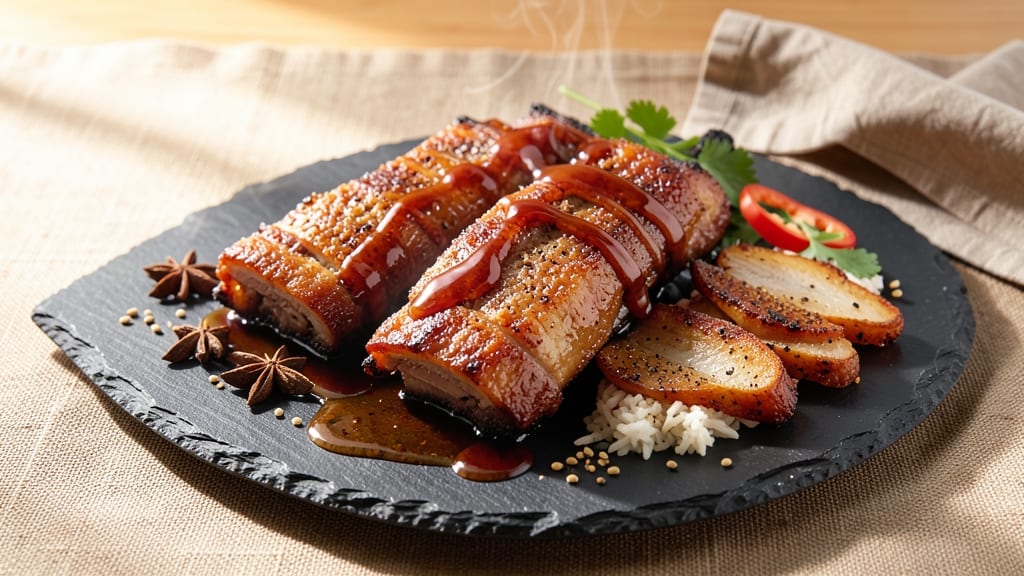
This char siew pork ribs recipe brings the bold flavors of Cantonese tradition to your table with a perfect balance of smoky char, aromatic five-spice, and that signature sticky tamarind finish. 🔥 I've spent years perfecting this technique—starting with a marinade that tenderizes while building deep flavor, then charring the ribs to create that irresistible crust.
The secret lies in the slow glaze development, where honey and tamarind work together to create a caramelized sheen that's both sweet and tangy.
What sets these ribs apart is the combination of traditional Cantonese spices—star anise, cinnamon, and cloves—with the rich, smoky depth only achieved through proper charring.
I use a two-stage cooking process: first marinating the ribs overnight to ensure maximum flavor penetration, then charring them over indirect heat to develop that beautiful bark. The final glaze, made with tamarind paste and a touch of soy sauce, adds that signature sticky finish that makes these ribs unforgettable.
The result is ribs that are perfectly tender with a crispy exterior, infused with aromatic spices and finished with a glossy, sticky glaze. Each bite delivers layers of flavor—smoky from the char, sweet from the honey, and tangy from the tamarind—all balanced by the savory depth of the five-spice marinade.
These ribs are restaurant-quality at home, perfect for serving with steamed jasmine rice and a crisp cucumber salad.
One of the key lessons I learned from my apprenticeship under Master Chef Chen was the importance of patience—letting the flavors develop properly and allowing the ribs to rest before serving.
This recipe delivers that same professional-quality result, with techniques adapted specifically for pork ribs while maintaining the authentic Cantonese spirit. Let's get cooking!
Ingredients for char siew pork ribs
Authentic Cantonese flavors meet restaurant-quality technique in this char siew pork ribs recipe.
| Ingredient | Amount | Notes |
|---|---|---|
| Pork Ribs 🍖 | 3 lb | Baby back or spare ribs, trimmed |
| Honey 🍯 | ½ cup | High-quality, light variety |
| Tamarind Paste 🍈 | ¼ cup | Thick, unsweetened paste |
| Soy Sauce 🥢 | ¼ cup | Light or dark, to taste |
| Five-Spice Powder 🌶️ | 2 tbsp | Authentic Cantonese blend |
| Star Anise 🌿 | 1 whole | Crushed lightly for aroma |
| Cinnamon Sticks 🍃 | 2 whole | Broken into small pieces |
| Cloves 🌶️ | 4 whole | Lightly crushed |
| Garlic Cloves 🧄 | 6 cloves | Minced finely |
| Ginger 🌿 | 1 tbsp | Fresh, grated |
| Sesame Oil 🫒 | 1 tbsp | Toasted for aroma |
| Brown Sugar 🍬 | ¼ cup | Packed, light variety |
| Cornstarch 🌾 | 1 tbsp | For glaze thickening |
| Vegetable Oil 🫒 | 2 tbsp | High smoke point |
| Kosher Salt 🧂 | 1 ½ tsp | Diamond Crystal preferred |
The ribs are the foundation—baby back or spare ribs work equally well, but trim any excess fat for a cleaner char. For authentic Cantonese five-spice powder, Penzeys Spices or Asian markets carry the best blends; look for a mix of star anise, cinnamon, fennel, clove, and Szechuan peppercorn. Fresh ginger and garlic should be vibrant with no soft spots—Trader Joe's sells pre-grated ginger, but fresh is always better. Tamarind paste can be found in the international aisle of most grocery stores or online; Mae Ploy brand is a reliable choice. The honey should be light and floral—Manuka or clover varieties work perfectly.
No Cantonese five-spice powder? Mix 1 tsp each of ground cinnamon, star anise, cloves, and fennel seeds for a close approximation. Substitute tamarind paste with equal parts lime juice and brown sugar, though it won't be identical. For a deeper smoky flavor, add 1 tsp smoked paprika to the marinade. The soy sauce can be swapped for coconut aminos if needed, though the umami depth will differ slightly. If you can't find thick tamarind paste, blend tamarind pulp with water to achieve a similar consistency. The cornstarch is crucial for that signature sticky glaze—don't skip it.
Marinated ribs keep for 2 days in the fridge before cooking, though flavor develops best overnight. Once charred and glazed, these ribs reheat beautifully—350°F for 10-15 minutes with a splash of water to restore moisture. For meal prep, portion into individual servings and freeze for up to 3 months. The glaze hardens when cold, so always reheat gently to restore its glossy finish. Store any leftover glaze in an airtight container for up to 2 weeks—it's perfect for drizzling over rice or noodles.
Why You'll Love This Recipe
- One-Pan Magic: I swear by this recipe when I’m too tired to wash dishes. Toss the ribs in a marinade of tamarind, honey, and five-spice, then roast until caramelized—no steaming pots, no sticky pans. Just crispy, sticky, glorious ribs with zero cleanup.
- Sweet-Savory Balance: That tamarind paste and honey combo? It’s like a party in your mouth—tangy, sweet, and umami all at once. The soy sauce ties it together so the ribs stay juicy while the edges get that addictive char. Honestly, I’ve never met a char siew that didn’t disappear fast.
- Weeknight & Party Star: Between us, this is my go-to for lazy Mondays and when the in-laws drop by. Serve it with rice for a quick dinner or slice it thin for tacos—it’s that versatile. (Yes, even on a Tuesday night.)
- Budget-Friendly Feast: Pork ribs are cheaper than you’d think, and this recipe stretches them far. A single batch feeds four, and leftovers reheat beautifully—whether I’m packing lunches or craving seconds the next day. Plus, five-spice and tamarind are pantry staples that make everything feel fancy.
Step-by-step instructions for char siew pork ribs
Here's the method for achieving authentic Cantonese char siew with perfect five-spice crust and sticky tamarind glaze.
🔥 Step 1: Marinate the Ribs Overnight for Maximum Flavor
In a large bowl, combine the 3 lb pork ribs, 2 tbsp five-spice powder, 1.5 tsp kosher salt, 6 cloves minced garlic, 1 tbsp grated ginger, 2 tbsp vegetable oil, and 1 tbsp toasted sesame oil. Use your hands to work the marinade into every crevice of the meat, ensuring even coating. This step is crucial for developing deep, aromatic flavors throughout the ribs.
Transfer the marinated ribs to a resealable plastic bag and refrigerate for at least 12 hours, preferably overnight. The extended marinating time allows the five-spice blend to penetrate deeply, creating that signature char siew flavor profile. Don't skip this step—it makes all the difference in the final texture and taste.
🍳 Step 2: Sear the Ribs for Crispy Texture
Preheat your oven to 375°F. Remove the ribs from the refrigerator and let them sit at room temperature for 30 minutes before cooking. This ensures even cooking throughout. Heat a large oven-safe skillet over medium-high heat and add the marinated ribs in a single layer. Sear for 8-10 minutes until the exterior develops a deep golden-brown crust and releases easily from the pan.
Here's where the magic happens: the caramelization from searing creates that irresistible crunch while locking in juices. If the ribs release too easily before reaching color, press down gently with a spatula to maintain contact. Once properly seared, transfer the skillet to the preheated oven.
🥘 Step 3: Build the Five-Spice Glaze
While the ribs roast, prepare the glaze by combining 0.5 cup honey, 0.25 cup tamarind paste, 0.25 cup soy sauce, 0.25 cup packed brown sugar, 1 whole lightly crushed star anise, 2 broken cinnamon sticks, and 4 lightly crushed cloves in a saucepan. Bring to a gentle simmer over medium heat, stirring constantly to dissolve the brown sugar completely.
Simmer for 10-12 minutes until the glaze thickens slightly and coats the back of a spoon. You'll notice the aroma of the spices intensifying—this is when the tamarind's tangy sweetness develops. Remove from heat and stir in 1 tbsp cornstarch mixed with 2 tablespoons water to create a smooth, glossy finish. The glaze should be thick enough to cling but still flow freely when brushed.
⏰ Step 4: Roast and Glaze for Perfect Texture
Return the seared ribs to the oven and roast for 1 hour 15 minutes until the internal temperature reaches 195-200°F and the meat is fork-tender. About 15 minutes before the ribs are done, brush them generously with half of the prepared glaze, turning them to coat all sides. This creates both the signature sticky exterior and helps prevent drying.
Watch carefully during the final 10 minutes of cooking—you want the glaze to caramelize into a glossy finish while maintaining that beautiful five-spice crust. The ribs should be tender enough to pull apart easily with two forks but still hold together in large pieces when served. If the glaze starts to burn, reduce the oven temperature to 350°F for the final few minutes.
🍽️ Step 5: Finish with Tamarind Glaze and Rest
Remove the ribs from the oven and transfer them to a cutting board. Brush with the remaining glaze, working quickly while the glaze is still warm. Let the ribs rest for 10 minutes before serving—this crucial step allows the juices to redistribute, ensuring each bite is moist and flavorful.
Slice the ribs between the bones into 1-inch thick pieces, arranging them on a platter. Garnish with any remaining glaze drizzled artistically over the top. Serve immediately with steamed jasmine rice and stir-fried greens to balance the rich, sweet-savory flavors. The combination of crispy exterior, tender meat, and sticky-sweet glaze makes this char siew truly exceptional.
Pro Tips For Making Char Siew Pork Ribs
- CHAR THE RIBS FIRST: Start with a screaming-hot grill or wok—no teasing them with medium heat. I learned this the hard way when my ribs came out chewy instead of tender; sear them until the edges blacken slightly before moving to lower heat. The caramelized crust locks in flavor and keeps the meat from drying out later.
- DILUTE THE TAMARIND: Tamarind paste is thick and stubborn—mix it with equal parts warm water first. I used to just toss chunks in, and the sauce ended up gloppy and uneven. A smooth, thin glaze coats the ribs better and caramelizes more evenly when you brush it on.
- SALT THE RIBS TWICE: Wet-brine the ribs in half the soy sauce overnight, then pat them bone-dry before the final coat of five-spice and honey. The first salt tenderizes, the second creates that crispy crust. Skipping the drying step is how you end up with soggy ribs—trust me, I’ve done it.
- USE LESS HONEY: The tamarind and soy sauce already bring sweetness—go light on the honey (start with 1 tablespoon per pound). I used to drown them in it, and the ribs turned sticky and cloying. Balance is key; the five-spice needs room to shine.
Wine and beer pairings for this dish
Cantonese-Inspired Reds
For these aromatic ribs, I reach for Gewürztraminer from the Pfalz region of Germany—its lychee and rose notes mirror the five-spice marinade's complexity.
A 2018 Dr. Loosen Blue Slate offers perfect acidity to cut through the honey-tamarind glaze. 🍷 The slight sweetness complements the caramelized crust beautifully, while the mineral finish cleanses your palate between bites.
Malty Asian Lagers
When I want a beer that stands up to the dish's bold flavors, I pour Asahi Super Dry—its crisp, clean profile lets the ribs shine without competing. For something more adventurous, try Sapporo Black Label with its subtle roasted malt notes that echo the charred crust.
Both beers have just enough body to handle the sticky glaze without overwhelming the delicate five-spice aroma.
Fortified Wine Pairings
Don't overlook fortified wines for this dish. A Madeira like Henriques & Henriques Vintage adds nutty depth that pairs wonderfully with the cinnamon and cloves in the marinade. The wine's oxidative qualities actually enhance the tamarind's tangy sweetness. Serve slightly chilled to let the flavors dance together beautifully. 🍷
Local Southeast Options
If you're cooking in the Southeast like I am, I recommend Charleston River Wine Company's Cabernet Franc—it has enough fruit to complement the honey while maintaining enough acidity to balance the soy sauce.
For beer lovers, Atlanta's Southern Star Brewing makes an excellent Pilsner that's crisp enough to refresh your palate between rich bites. These local options keep the meal feeling authentically regional.
Non-Alcoholic Pairings
For non-drinkers, I blend hibiscus tea with a splash of lychee juice and a touch of honey—it mirrors the tamarind's tang while adding floral notes that complement the five-spice.
Serve chilled over ice for a refreshing contrast to the warm, caramelized ribs. The bright acidity cuts through the richness beautifully without competing with the dish's complex flavors.
Glaze-Inspired Cocktails
Create a signature cocktail by mixing 1.5 oz gin, 0.5 oz tamarind syrup, 0.5 oz honey syrup, and a splash of soy sauce with ice. Shake with star anise and cinnamon sticks for garnish.
The result is a cocktail that mirrors the dish's flavor profile while adding a refreshing kick. I serve this in a coupe glass with a flamed cinnamon stick for dramatic flair. 🍸
Nutrition facts
Frequently asked questions
Can I use spare ribs instead of baby back ribs for this recipe?
Spare ribs work beautifully and actually add extra flavor due to their meatier bones. For spare ribs, increase the marinating time by 2-3 hours since they're tougher, and extend the roasting time to 2 hours 15 minutes to ensure tenderness. The five-spice marinade will penetrate deeply, creating that same aromatic crust.
What's the best way to store leftover char siew pork ribs?
Store cooked ribs in an airtight container in the refrigerator for 3-4 days. For longer storage, freeze them for up to 3 months. To reheat, place in a 350°F oven for 15-20 minutes with a splash of water to restore moisture. The glaze will harden when cold, so reheating gently brings back that glossy finish.
Can I make the glaze ahead of time?
Yes, you can prepare the glaze up to 3 days in advance and store it in the refrigerator. Reheat gently in a saucepan over low heat until warm, stirring occasionally. For a thicker consistency, add 1 tsp cornstarch mixed with 1 tbsp water while reheating. The flavors actually develop better when made ahead!
How do I adjust the sweetness level in the glaze?
For less sweetness, reduce the honey to 0.3 cup and brown sugar to 0.15 cup. For more sweetness, increase both to 0.7 cup each. The tamarind paste adds natural tanginess, so balance carefully—start with the recipe as written and adjust to taste after the first application.
What's the secret to getting that perfect five-spice crust?
The crust comes from proper searing and marinating! First, ensure your ribs are completely dry before searing. Second, use a hot skillet (medium-high heat) and press down gently with a spatula to maintain contact. Finally, don't skip the overnight marinade—the five-spice needs time to penetrate deeply for that authentic flavor.