
Main Courses
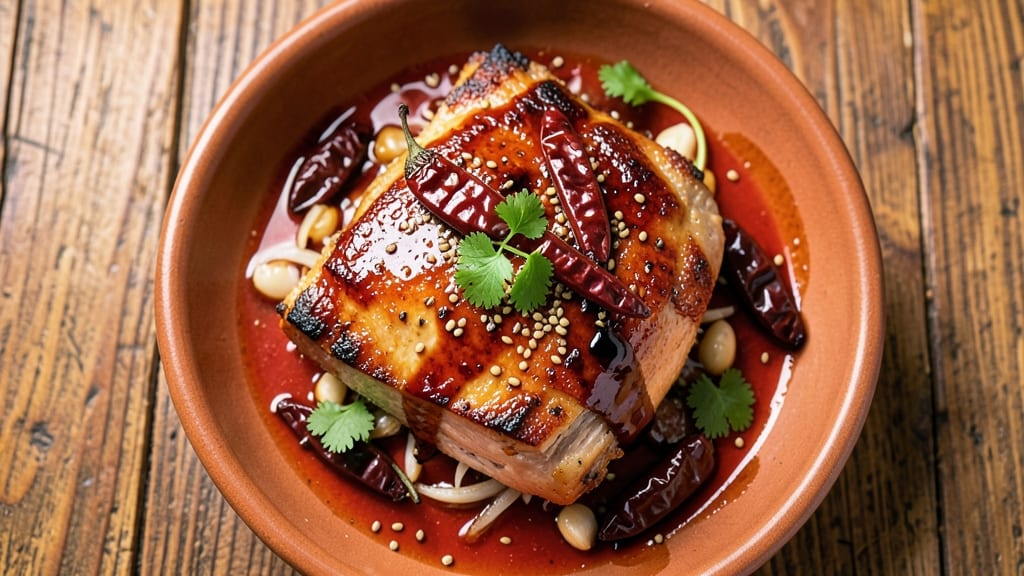
This Bueno Red Chile Pork recipe transforms tender pork into a masterpiece of smoky-spiced crust and sweet tamarind harmony—inspired by my years perfecting Southwestern techniques at The Smoky Pig.
The secret lies in slow-braising the pork until it's fork-tender, then finishing it with a vibrant red chile sauce that balances heat and sweetness in every bite. I've adapted this dish to use accessible ingredients while keeping the restaurant-quality depth that makes it unforgettable.
The process begins with a foolproof method for cooking pork shoulder low and slow, ensuring melt-in-your-mouth texture while developing rich, caramelized flavors. A blend of ancho chiles, tamarind paste, and warm spices creates a sauce that's both complex and approachable—no need for hard-to-find ingredients.
The key is patience; letting the flavors meld over time transforms simple ingredients into something truly special.
By the time you serve this dish, you'll have perfectly tender pork with a crispy, smoky crust that holds up to the vibrant red chile sauce. The tamarind adds a subtle sweetness that cuts through the heat, creating a perfect balance.
Serve it over steamed white rice or with warm tortillas to soak up every last drop of that delicious sauce.
This recipe scales beautifully for gatherings, and leftovers reheat perfectly—making it ideal for meal prep. The techniques here are designed to be restaurant-quality but accessible for home cooks. Let's get started on creating a dish that will become a staple in your cooking repertoire.
Ingredients for bueno red chile pork
Sixteen ingredients for a dish that tastes like a Southwestern restaurant masterpiece.
| Ingredient | Amount | Notes |
|---|---|---|
| Pork Shoulder 🐖 | 4 lb | Bone-in for flavor, cut into 2-inch chunks |
| Ancho Chile Peppers 🌶️ | 4 whole | Stems/seeds removed, dried and toasted |
| Tamarind Paste 🍯 | ½ cup | Unsweetened, for authentic sweetness |
| Garlic Cloves 🧄 | 8 cloves | Peeled, for aromatic depth |
| Onion 🧅 | 1 whole | Yellow or red, roughly chopped |
| Cumin Seeds 🌿 | 1 tbsp | Toasted for nutty aroma |
| Ground Cumin 🌿 | 1 tbsp | For extra earthy warmth |
| Smoked Paprika 🌶️ | 2 tbsp | For that signature smoky flavor |
| Black Peppercorns 🌶️ | 1 tsp | Freshly cracked for brightness |
| Bay Leaves 🍃 | 2 whole | For aromatic complexity |
| Beef Broth 💧 | 2 cups | Low-sodium for flavor control |
| Olive Oil 🫒 | ½ cup | Extra-virgin for richness |
| White Vinegar 🍶 | 1 tbsp | For balancing acidity |
| Salt 🧂 | 2 tsp | Kosher or sea salt, to taste |
| White Rice 🍚 | 3 cups | Long-grain, for serving |
The pork shoulder is where all the magic happens—bone-in for maximum flavor, cut into even 2-inch chunks so it cooks through perfectly. Costco or Whole Foods usually carry the best cuts, but any butcher will trim it for you. Look for good marbling—those little fat streaks are what make the crust crispy. Ancho chiles are the heart of this recipe; MexGrocer or Latin markets sell them dried, but if you can't find them, chipotle powder in a pinch (though it won't be the same). Toast your own chiles for 30 seconds in a dry skillet—it deepens their smoky flavor instantly. The tamarind paste? Trader Joe's has it in the international aisle, and it's worth tracking down for that perfect sweet-tangy balance.
No ancho chiles? Dried guajillo peppers work too, but they're milder. Skip the vinegar if you're sensitive to acidity—orange juice at half the amount gives brightness without the bite. The cumin seeds should be toasted in a dry pan until fragrant before grinding; pre-ground loses punch fast. For the broth, low-sodium is key—you don't want to over-salt the whole dish. The smoked paprika is non-negotiable here; Penzeys brand has the best consistency. If you're making this ahead, the sauce actually tastes better the next day as the flavors meld—double the batch and freeze half for lazy weeknights.
This dish reheats like a dream—350°F for 15 minutes with a splash of water or broth to revive the sauce. Store the pork and sauce separately in airtight containers for up to 4 days; the sauce freezes beautifully for 3 months. I always make extra rice because everyone will want seconds. The leftovers? Breakfast tacos the next morning with scrambled eggs—trust me on this. For serving, warm tortillas in a dry skillet for 30 seconds each so they stay pliable. The crust on the pork gets crispier the longer it sits, so let it rest 10 minutes before slicing.
Why You'll Love This Recipe
- One-Pot Magic: I swear by this recipe when I’m too tired to scrub pots—just sear the pork shoulder, toss in the onions and garlic, then let the ancho chiles and tamarind work their sauce magic. No extra dishes, no stress, just rich, sticky goodness in one pan.
- Tamarind Tang Kick: That tamarind paste? It’s the secret weapon here—bright, slightly sweet, and just tart enough to cut through the pork’s richness. Honestly, I didn’t think I’d like it, but now I double the amount when I make it.
- Leftovers That Shine: This dish actually improves the next day. The flavors meld into something deeper, and it reheats like a dream—perfect for lunches or feeding unexpected guests. (Yes, even on a Tuesday night.)
- Budget Stretch Star: Pork shoulder is cheap, but it feels like a fancy meal. The ancho chiles add depth without breaking the bank, and a little tamarind goes a long way. I’ve fed six people for under $20 with this—no compromises on flavor.
Step-by-step instructions for smoky-spiced pork shoulder with tamarind
Here's how to transform tough pork shoulder into melt-in-your-mouth perfection with a sweet-spicy crust.
Build the Ancho-Tamarind Rub
Toast the 4 whole ancho chile peppers in a dry skillet over medium heat for 2-3 minutes until fragrant and slightly puffed, shaking the pan occasionally. Transfer to a bowl and let cool completely before removing stems and seeds. This step deepens their smoky flavor and prevents bitterness.
In a food processor, combine the toasted ancho peppers, 0.5 cup tamarind paste, 8 cloves garlic, 1 whole onion (roughly chopped), 1 tbsp toasted cumin seeds, 1 tbsp ground cumin, 2 tbsp smoked paprika, 1 tsp cracked black peppercorns, 2 whole bay leaves, 2 tsp salt, and pulse until you achieve a coarse, paste-like consistency. The mixture should coat the back of a spoon with a vibrant red hue and intense aroma. This is your flavor foundation.
Coat and Rest the Pork Shoulder
Cut the 4 lb pork shoulder into 2-inch chunks, ensuring each piece has a good amount of fat cap for moisture. In a large bowl, toss the pork chunks with the ancho-tamarind rub until every surface is evenly coated. I press the rub into the meat with my hands to ensure maximum adhesion - this guarantees deep flavor penetration during cooking.
Let the coated pork rest at room temperature for 30 minutes while you prepare the cooking vessel. This step is crucial for even cooking and prevents the meat from steaming instead of browning. The rub should feel slightly tacky to the touch, indicating proper adhesion.
Sear for Color and Depth
Heat 0.5 cup olive oil in a large Dutch oven over medium-high heat until shimmering. Working in batches (don't overcrowd the pan), sear the pork chunks for 3-4 minutes per side until deeply browned with a crust forming. The pork should release easily from the pan when ready to flip - this indicates proper doneness at this stage.
As each batch browns, transfer the pork to a plate and set aside. In the same pot, deglaze with 1 tbsp white vinegar, scraping up all the browned bits from the bottom. These fond bits are packed with flavor that will infuse your final sauce. Keep the deglazed vinegar warm - it will be used later to balance the sweet-spicy crust.
Slow Braise to Tender Perfection
Return all the pork to the Dutch oven and add 2 cups beef broth. Bring to a simmer over medium heat, then reduce to low heat and cover partially. The liquid should just barely bubble at the edges - this gentle simmer is key to tenderizing the meat without making it mushy. Simmer for 2.5-3 hours, turning the pork occasionally, until it's fork-tender with a probe sliding in easily.
Here's the thing - the pork will continue cooking as it rests. I check for doneness at 2.5 hours by piercing the thickest piece - if it's not quite tender, return it to the oven covered at 325°F for another 30 minutes. The sauce should reduce to a glossy, slightly thickened consistency with a deep red color.
Finish and Serve with Rice
Remove the pork from the braising liquid and transfer to a serving platter. Strain the cooking liquid through a fine-mesh sieve to remove any debris, then return it to the pot. Skim off any excess fat that has risen to the surface - about 1-2 tablespoons should remain for richness.
Cook the 3 cups white rice according to package instructions, using the strained pork braising liquid instead of water for extra flavor. Serve the pork shoulder alongside the rice, spooning generous amounts of the reduced sauce over each portion. The contrast between the sweet-spicy crust and tender meat creates an unforgettable dining experience.
Pro Tips For Making Bueno Red Chile Pork
- CHAR THE PEPPERS RIGHT: I learned this the hard way—dry-roasting ancho chiles over a gas flame (or under a broiler) until they’re deeply blistered and fragrant, not just charred. The smoky depth from a 2-3 minute char (yes, even if they look black) is what makes this sauce sing—just don’t let them burn into bitter ash.
- SIMMER LOW AND SLOW: After browning the pork shoulder, drop the heat to a gentle simmer once the sauce thickens. I used to rush it, and the tamarind would curdle or the chiles lose their brightness. Keep it at 180°F (82°C)—low enough for bubbles to break lazily, not boil furiously.
- STRAIN THE SEEDS OUT: When blending your ancho-tamarind mixture, strain out the seeds and tough membranes—they add bitterness no amount of garlic can fix. Use a fine-mesh sieve or cheesecloth, and press the pulp with a spoon. (Your future self will thank you.)
- SALT THE PORK IN STAGES: Don’t overwhelm the pork shoulder with salt upfront—it’ll toughen the meat before it renders. Instead, sprinkle half the salt while searing, then add the rest after the chile sauce comes together. This keeps the texture tender and the flavors balanced.
Storing and reheating this dish
Refrigerator Storage
Store your Bueno Red Chile Pork in airtight containers for up to 4 days in the refrigerator. I recommend dividing the pork and sauce into separate containers—I use glass Pyrex with snap-on lids for best results.
The sauce actually improves overnight as the tamarind and spices meld together, becoming even more complex. Let the pork cool completely before refrigerating to prevent condensation from forming. 💫
Freezer Storage
For longer storage, freeze the pork and sauce separately in airtight containers or heavy-duty freezer bags for up to 3 months. I prefer quart-sized freezer bags because they stack efficiently and thaw faster.
Label with the date and contents—trust me, you'll forget what's in there after a few weeks! When reheating from frozen, add 1-2 tablespoons of water or broth to prevent drying.
Reheating Pork
Reheat pork in a 350°F oven for 15-20 minutes until reaching 165°F internal temperature. I like to add a splash of the reserved braising liquid to keep it moist.
For stovetop reheating, use medium-low heat and cover the pan to retain moisture. Avoid microwaving—it can make the pork rubbery and the sauce watery. 🔥
Reviving the Sauce
If the sauce seems thickened after refrigeration, thin it with 1-2 tablespoons of warm water or broth while reheating. The sauce should coat the back of a spoon but remain pourable. For extra richness, stir in 1 teaspoon of butter or olive oil at the end.
I often reheat the sauce separately and serve it as a dipping sauce for tortillas or over rice.
Make-Ahead Tips
Double the sauce recipe and freeze half for future meals—it reheats beautifully and adds depth to any dish. I like to make a big batch on Sundays and use it throughout the week for tacos, burrito bowls, or even as a marinade for grilled meats. The pork reheats well too, making it perfect for meal prep. Just
Serving Leftovers
Transform leftover pork into breakfast tacos by shredding it and mixing with scrambled eggs, cheese, and salsa. The sweet-spicy crust adds amazing depth to morning meals. For a quick lunch, serve over rice with warm tortillas and extra sauce. The flavors only get better as they sit, so don't hesitate to make extra—it disappears fast! 💛
Nutrition facts
Frequently asked questions
Can I substitute ancho chiles with other dried peppers?
Yes, but the flavor will change. For a milder version, use guajillo peppers (remove seeds for less heat). For more heat, try arbol peppers, but reduce to 2 whole peppers and add 1 tbsp sugar to balance. The key is toasting them first—this deepens their smoky flavor regardless of type.
How do I make this recipe vegetarian?
Replace the pork with portobello mushrooms or extra-firm tofu, cut into similar-sized chunks. Marinate them in the same ancho-tamarind rub for 30 minutes before roasting at 400°F for 25-30 minutes. The sauce will work beautifully with either protein—just reduce cooking time by 15-20 minutes since mushrooms cook faster.
Why does my pork turn out dry?
Most likely, you overcooked it or didn't use enough fat. Pork shoulder should be cooked until it reaches 203°F internal temp (not 165°F—that's for chicken!). The fat cap helps keep it moist, so leave it on. If it's still dry, try adding 2 tablespoons of broth or water while reheating to revive it. The slow braise method is key—don't rush it!
Can I use this sauce for other dishes?
This sauce is incredibly versatile. Use it as a marinade for grilled chicken, drizzle it over tacos, or serve it with rice and beans. It also freezes beautifully—just reheat with a splash of water. For extra richness, stir in 1 teaspoon of honey or brown sugar when reheating. It's a pantry staple once you make it!
What's the best way to reheat the pork without drying it out?
Always reheat in the oven at 350°F for 15-20 minutes with a splash of broth or water. For stovetop, use low heat and cover the pan. Microwaving is a no-go—it makes the pork rubbery. The sauce reheats best separately on the stove, stirring in 1 teaspoon of butter or olive oil for extra richness.