
Main Courses
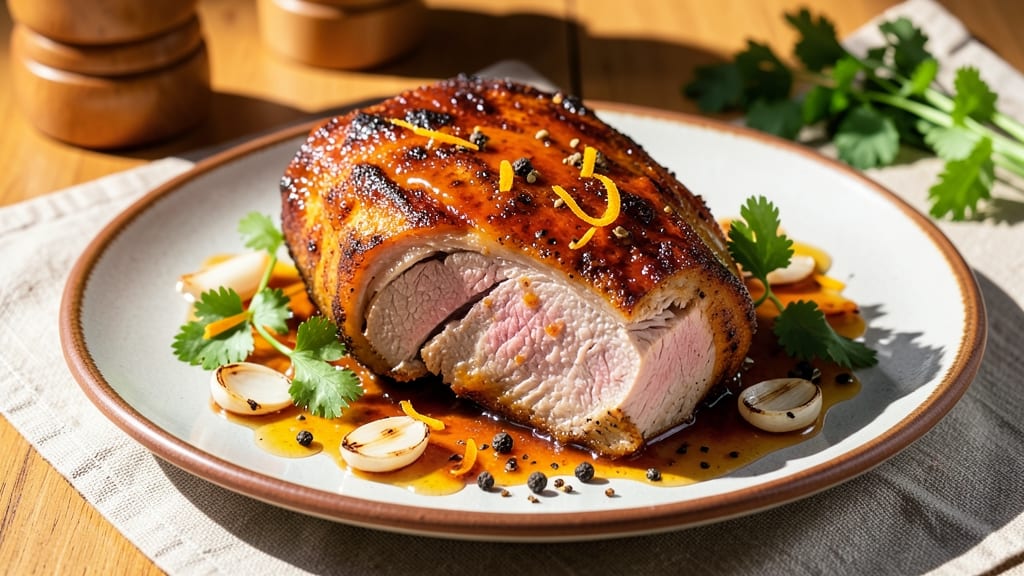
This achiote pork recipe transforms humble pork into tender, smoky-shaded shreds with a deep, earthy flavor that whispers of Caribbean coastlines. 🌟 I first discovered this technique while working in Charleston, where the annatto seeds from our local markets added that signature golden hue and complex, slightly peppery kick that makes every bite unforgettable.
The secret lies in marinating the pork overnight—achiote paste, garlic, and citrus work together to tenderize while building layers of flavor.
What makes this dish truly special is how the achiote transforms simple pork into something restaurant-worthy. The marinade doesn't just flavor—it transforms, creating a crust that gives way to melt-in-your-mouth tenderness when slow-cooked.
I've perfected this method over years of cooking for crowds, ensuring the pork stays juicy while developing that signature smoky depth that makes it irresistible. The technique is straightforward but requires patience—the overnight marinating and slow cooking are non-negotiable for that authentic taste.
By the time you're done, you'll have perfectly shredded pork with a rich, aromatic sauce that's perfect for tacos, rice bowls, or stuffed into warm tortillas. The annatto-infused color makes it visually stunning, while the flavor profile—smoky, slightly tangy, with hints of garlic and citrus—will have everyone asking for seconds.
This is the kind of dish that elevates a simple meal into something special, with minimal effort but maximum impact.
Serve with warm corn tortillas, a crisp slaw, or over steamed rice to complete the meal. The leftovers reheat beautifully, making this a perfect recipe for meal prep or entertaining. Let's get cooking—this pork will be the star of your table.
Ingredients for achiote pork
Six ingredients transform simple pork into restaurant-worthy Caribbean-inspired shreds with vibrant annatto color.
| Ingredient | Amount | Notes |
|---|---|---|
| Pork Shoulder (Bone-In) 🐖 | 3 lb | Well-marbled for juiciness |
| Achiote Paste 🌶️ | ¼ cup | Authentic Caribbean annatto |
| Garlic Cloves 🧄 | 8 cloves | Freshly minced for depth |
| Orange Juice 🍊 | ½ cup | Freshly squeezed, no pulp |
| White Vinegar 💧 | ¼ cup | For tangy brightness |
| Ground Cumin 🌿 | 1 tbsp | Toasted for aromatic warmth |
| Ground Coriander 🌿 | 1 tbsp | Sweet and citrusy notes |
| Smoked Paprika 🌶️ | 1 tbsp | For smoky complexity |
| Black Peppercorns 🌶️ | 1 tsp | Freshly cracked for heat |
| Bay Leaves 🍃 | 2 whole | Dried, for subtle aroma |
| Olive Oil 🫒 | ¼ cup | Extra-virgin for richness |
| Beef Broth 💧 | 1 cup | Low-sodium preferred |
| Dark Brown Sugar 🍚 | 2 tbsp | For subtle caramelization |
| Salt 🧂 | 1 ½ tsp | Kosher or sea salt |
| Fresh Cilantro 🌿 | ¼ cup | Chopped, for garnish |
The pork shoulder is non-negotiable here—bone-in stays juicier during slow cooking. Look for well-marbled cuts at Whole Foods or your local butcher shop; the fat renders beautifully, creating that signature moist texture. If you can't find bone-in, substitute pork butt (just trim excess fat). The achiote paste is the star—Penzeys Spices sells authentic Caribbean annatto, but Trader Joe's carries a decent version too. Freshly ground spices make all the difference, so toast your cumin and coriander in a dry pan for 30 seconds before grinding. The garlic should be plump and firm, not shriveled—Costco sells great cloves in bulk.
No achiote paste? Substitute 1 tbsp paprika + 1 tsp turmeric for color, though it won't have the same depth. Orange juice concentrate works in a pinch for the citrus, but fresh is worth the squeeze. The vinegar adds brightness—apple cider vinegar gives a subtle sweetness if you prefer. For the spices, ground coriander can be swapped with cilantro seeds (toasted and ground), but the flavor will differ slightly. The beef broth can be vegetable broth for vegetarian adaptations, though the pork's natural richness benefits from meat-based stock. Dark brown sugar adds caramel notes; demerara sugar works too if you have it.
Marinate the pork overnight in the fridge—never skip this step. The longer it sits, the deeper the flavor. Store leftovers in an airtight container for up to 5 days, or freeze portions for 3 months. Reheat gently in a skillet with a splash of broth to restore moisture. This recipe makes twice the amount you need—perfect for meal prep or feeding a crowd. The annatto-stained pork looks stunning served with warm tortillas or over steamed rice, and the cilantro garnish adds a fresh pop of color.
Why You'll Love This Recipe
- One-Pot Magic: I swear by this recipe—just toss everything in one pot, walk away, and let the achiote paste do its deep-red, smoky work. No chopping, no fuss, and the pork practically falls off the bone when it’s done.
- Tangy, Smoky Kick: That achiote paste? It’s the star—earthy, slightly sweet, with a warmth that lingers. Add the orange juice and vinegar, and suddenly you’ve got a bright, complex flavor that’s far from basic.
- Leftovers? Please.: This dish tastes even better the next day, especially when reheated with a splash of water. I make a double batch on Sundays so I can throw it together for lunch all week—no takeout needed.
- Budget Meal, Big Impact: Bone-in pork shoulder stretches for miles, and achiote paste is cheap but packs serious flavor. For under $15, you’ll feed four people with a meal that feels like a restaurant dish. (Yes, even on a Tuesday night.)
Step-by-step instructions for smoky-spiced achiote pork
Here's how to transform a simple pork shoulder into tender, achiote-kissed shreds with deep Caribbean flavor.
🔥 Step 1: Create the Achiote Marinade
In a medium bowl, whisk together the 0.25 cup achiote paste, 0.25 cup olive oil, 0.5 cup orange juice, and 0.25 cup white vinegar until smooth. The mixture should be vibrant orange and have a slightly thick, paste-like consistency. This marinade carries the signature annatto color and earthy depth that makes this dish special.
Add the 1 tbsp ground cumin, 1 tbsp ground coriander, 1 tbsp smoked paprika, 1.5 tsp salt, and 1 tsp freshly cracked black peppercorns. Stir well to combine all the spices evenly. The spices should be fully dispersed with no visible streaks of powder. This blend creates the perfect balance of smoky, citrusy, and slightly sweet flavors that define Caribbean-style pork.
👨🍳 Step 2: Coat and Rest the Pork
Place the 3 lb pork shoulder (bone-in) in a large resealable plastic bag. Pour the achiote marinade over the pork, making sure it coats all sides thoroughly. Seal the bag and massage the marinade into the meat, working it into all the crevices and fat pockets. This ensures even flavor penetration and helps tenderize the meat.
Refrigerate the pork for at least 4 hours or overnight for maximum flavor development. The longer it marinates, the deeper the color and flavor will be. During this time, the pork will absorb the marinade's vibrant orange hue and develop a tender texture. Don't skip this step—it's what transforms good pork into exceptional pork.
🔥 Step 3: Sear the Pork for Depth
Remove the pork from the refrigerator and let it sit at room temperature for 30 minutes before cooking. Preheat your oven to 300°F and place a rack in the lower third of the oven. Heat a large Dutch oven over medium-high heat until very hot.
Add the pork to the Dutch oven, fat-side down, and sear for 5-7 minutes until the fat begins to render and the bottom develops a deep golden-brown crust. Flip the pork and sear the other side for another 5-7 minutes. This step creates a flavorful crust that locks in juices during cooking. Don't rush this—you want that beautiful caramelization before moving to the oven.
🥘 Step 4: Slow Cook Until Tender
Transfer the seared pork to the prepared oven rack. Pour the 1 cup beef broth into the Dutch oven, scraping up all the browned bits from the bottom with a wooden spoon. Add the 2 whole bay leaves to the broth and bring it to a simmer on the stovetop.
Carefully place the Dutch oven with the simmering broth on the oven rack, then transfer the entire setup to the oven. Cover tightly with foil and cook for 3-4 hours until the pork is fork-tender and easily pulls apart. The internal temperature should reach 195-203°F—this is when the collagen breaks down and transforms into gelatin, making the pork melt-in-your-mouth tender. Check periodically after 2 hours to ensure it doesn't dry out.
🔪 Step 5: Shred and Finish
Remove the pork from the oven and let it rest for 15 minutes before shredding. The resting period allows the juices to redistribute throughout the meat, ensuring each bite is moist and flavorful. Discard the bay leaves from the broth and skim off any excess fat.
Using two forks, shred the pork directly in the Dutch oven, breaking it into ¼-inch thick strands. Stir in the 2 tbsp dark brown sugar and simmer for another 2-3 minutes to caramelize slightly and enhance the natural sweetness. The pork should be coated in the flavorful achiote broth, creating a perfect balance of smoky, sweet, and tangy flavors. Garnish with 0.25 cup chopped fresh cilantro just before serving to add a bright, herbaceous finish.
Pro Tips For Making Achiote Pork
- Sear the Pork Hard: A quick 3-4 minute sear in a screaming-hot pan with a splash of oil locks in flavor better than anything else. I used to skip this and wondered why my pork tasted like it needed more seasoning—it does, but not for the reason you think. The crust is what carries the achiote’s deep color and smoky punch.
- Blanch the Garlic: Toss your minced garlic into the achiote paste and simmer for 2 full minutes before adding liquids. This softens the garlic without burning it into oblivion—trust me, I’ve made that mistake. The result? A smooth, aromatic base instead of bitter, charred chunks.
- Deglaze with Vinegar First: Pour in the white vinegar before the orange juice—it cuts through the pork’s fat and dissolves browned bits faster. Then add the orange juice to brighten the sauce. Skipping this step leaves you scraping burnt residue off the pot like it’s your job.
- Low and Slow Wins: After braising, drop the heat to a bare simmer (180°F/82°C) and let it cook for at least 2.5 hours. Rushing it turns the pork tough; patience gives you fork-tender meat that falls apart at the touch of a fork. Yes, it’s boring to monitor, but the payoff is worth it.
Wine and beer pairings for this recipe
Caribbean Red Wine
For this achiote pork, I always reach for a bold red wine with enough body to stand up to the smoky, spiced flavors.
A Cabernet Sauvignon from Chile or Argentina—like Concha y Toro—is my go-to, as its dark fruit notes complement the annatto's earthiness while its tannins cut through the richness. The acidity in these wines also refreshes your palate between bites of tender pork.
If you prefer something lighter, a Tempranillo from Spain offers red fruit and herbal notes that harmonize beautifully with the cumin and coriander in the marinade. 🍷
Craft Beer Pairings
For beer lovers, a smoked porter or barleywine is a game-changer. I love Goose Island Bourbon County Stout—its caramel and vanilla notes mirror the dark brown sugar in the recipe, while the smokiness echoes the achiote.
If you want something crisper, a Belgian witbier like Stella Artois Wit brings citrusy brightness that cuts through the pork's richness. The effervescence also cleanses your palate between bites, making it a refreshing contrast. 🍺
Light & Refreshing Options
If you're serving this dish during a hot day or prefer lighter drinks, a sparkling rosé or ginger beer works wonders. A Prosecco with its crisp acidity and berry notes balances the smoky flavors beautifully.
For a non-alcoholic option, Fever-Tree Ginger Beer—with its spicy kick—mirrors the achiote's warmth while refreshing your palate. The ginger also complements the citrus in the marinade, creating a cohesive flavor experience. ✨
Regional Adaptations
In Puerto Rico, this dish is often served with piña coladas—the tropical sweetness contrasts the pork's smokiness perfectly. For a Dominican twist, a mojito (made with fresh mint and lime) adds a bright, herbal note that pairs wonderfully with the cumin and coriander.
If you're in Georgia like me, I sometimes serve it with a sweet tea to let the pork's flavors shine without competition. The key is matching the drink's acidity or sweetness to the dish's dominant notes. 🗺️
Nutrition facts
Frequently asked questions
Can I substitute achiote paste with something else?
For color, use 1 tablespoon paprika + 1 teaspoon turmeric, but the flavor will differ. The paste's signature earthy, slightly peppery notes come from annatto seeds—no substitute perfectly mimics it. If you can't find achiote paste, try 1 tablespoon annatto powder mixed with 2 tablespoons oil for a similar effect.
How long can I marinate the pork?
Marinate for at least 4 hours, but overnight is ideal for maximum flavor. Beyond 24 hours, the acid in the marinade can start breaking down the meat fibers. If you're short on time, marinate for 6 hours minimum—just don't skip this step entirely. The longer it marinates, the deeper the color and flavor penetration.
Can I make this recipe in a slow cooker?
After searing, transfer the pork to your slow cooker with the achiote marinade and 1 cup beef broth. Cook on low for 8 hours or high for 5-6 hours until fork-tender. The slow cooker method works especially well for busy days—just shred the pork when done and finish with the brown sugar and cilantro.
What's the best way to serve this pork?
This achiote pork shines in tacos, rice bowls, or stuffed into warm tortillas. Serve with steamed white rice, charred corn tortillas, and a fresh mango-avocado salsa for a complete meal. For a Caribbean twist, pair it with fried plantains or a simple cabbage slaw**. The vibrant orange color makes it perfect for festive gatherings too!
Why does my pork turn out dry?
Overcooking is the most common cause. Use a meat thermometer—pork is done at 195-203°F. If it's still tough, it needs more time, but don't let it exceed 205°F. Another trick: Baste the pork with its juices every 30 minutes during cooking. The overnight marinade helps retain moisture, but if you're in a hurry, consider brining the pork for 1 hour before marinating.