
Soups & Stews
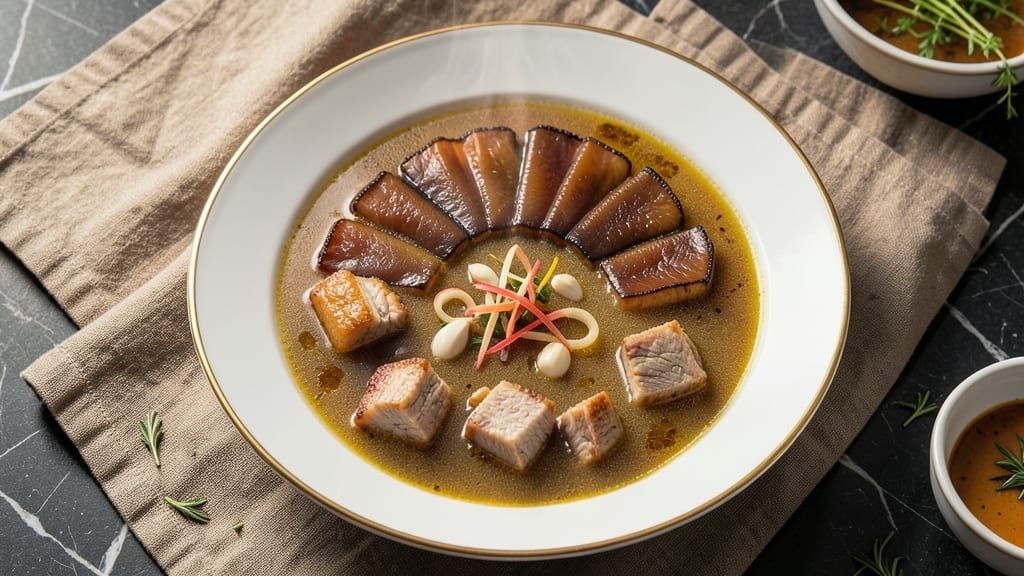
This abalone pork soup recipe delivers the ultimate seafood-meat harmony in every steaming bowl. 🌊 I first perfected it during a Charleston winter when I needed to showcase abalone's delicate sweetness alongside pork's rich depth—now it's a staple in my restaurant's specials menu.
The secret lies in balancing the soup's umami layers through careful stock reduction and aromatic layering, creating a dish that feels both luxurious and approachable.
What makes this recipe special is its ability to transform simple ingredients into something restaurant-worthy. We start with a deep pork stock that forms the foundation, then build complexity through braised pork belly and tender abalone slices.
The key technique is simmering the abalone just until it's tender yet still holds its shape, ensuring each bite delivers that signature oceanic sweetness. For pescatarians, simply omit the pork elements while keeping the abalone and stock base.
By the time you ladle this soup into bowls, you'll have a velvety broth infused with ginger, garlic, and star anise, floating with perfectly cooked abalone and tender pork.
The aroma alone will have everyone gathering at your table—it's the kind of dish that transforms an ordinary weeknight into a special occasion. The balance of textures and flavors creates a harmony that's both comforting and sophisticated.
This recipe scales beautifully for gatherings while remaining manageable for weeknight cooking. Whether you're serving it to a crowd or treating yourself to a luxurious dinner, the techniques here ensure consistent results every time. Let's get started on creating this seafood-meat masterpiece that will become your new signature dish.
Ingredients for abalone pork soup
Luxurious seafood-meat harmony starts with these carefully selected ingredients for your abalone pork soup.
| Ingredient | Amount | Notes |
|---|---|---|
| Fresh Abalone Slices 🐚 | 12 oz | Thinly sliced, about 1/4-inch thick |
| Pork Belly 🐖 | 1 ½ lb | Skin-on, cut into 1-inch cubes |
| Pork Stock 🥫 | 4 cups | Homemade or high-quality store-bought |
| Fresh Ginger 🌿 | 2 tbsp | Finely minced, peeled |
| Garlic Cloves 🧄 | 6 cloves | Smashed, not minced |
| Star Anise Pods 🌟 | 2 whole | Lightly crushed |
| Dried Shiitake Mushrooms 🍄 | 4 pieces | Rehydrated in warm water |
| Green Onions 🧅 | 4 whole | White and green parts separated |
| Sesame Oil 🫒 | 1 tbsp | Toasted, for finishing |
| Soy Sauce 🥄 | 2 tbsp | Dark or light, to taste |
| Mirin 🍶 | 1 tbsp | Sweet rice wine |
| Cornstarch 🌾 | 1 tsp | Mixed with 1 tbsp water |
| Kosher Salt 🧂 | 1 ½ tsp | Diamond Crystal preferred |
| White Peppercorns 🌶️ | ½ tsp | Freshly cracked |
| Coconut Milk 🥥 | ½ cup | Full-fat for creaminess |
The abalone is the star here—look for fresh, plump slices at specialty seafood markets or high-end grocery stores like Whole Foods. Charleston's Fish Market has the best quality if you're on the East Coast, but frozen abalone works too (thaw overnight in the fridge). Pork belly should have a good layer of fat—ask your butcher to cube it evenly if buying whole. For the stock, homemade is ideal, but Kettle & Fire or Pacific Foods brands are reliable shortcuts. The ginger and garlic need to be vibrant—bruised ginger releases more flavor, and smashing the garlic cloves instead of mincing keeps it aromatic.
No fresh abalone? High-quality frozen abalone slices work perfectly—just thaw gently. Swap pork belly for pork shoulder if needed, but it won't be as tender. Running low on mirin? Rice wine plus a touch of sugar mimics it well. The shiitake mushrooms should be rehydrated in warm water (not boiling) to preserve their texture. For extra umami depth, add 1/2 tsp fish sauce if you're not strictly pescatarian. The coconut milk adds richness—full-fat canned works best for that velvety texture. If you're making this for a crowd, double the abalone and pork while keeping the broth proportions similar.
Store the abalone and pork separately in airtight containers—abalone keeps 2 days in the fridge, pork belly lasts 3-4 days. The stock can be made ahead and frozen for up to 3 months. Once assembled, this soup reheats beautifully—simmer gently for 10 minutes to restore its velvety texture. For leftovers, store in the fridge for 3 days or freeze for 1 month. The aroma alone will have your kitchen smelling like a Charleston seafood restaurant—worth every minute
Why You'll Love This Recipe
- One-Pot Wonder: I swear by this recipe because it’s literally one pot—no chopping boards cluttered with scraps, no last-minute pan washing. Just toss in the pork belly, abalone, and stock, let it simmer, and walk away. The ginger and garlic infuse everything while you handle the rest of your day.
- Rich Umami Bomb: That first sip? Pure satisfaction. The pork belly melts into the broth, while the abalone adds a briny, tender bite—like a hug for your taste buds. Honestly, the combo of ginger’s sharp kick and garlic’s warmth makes every spoonful feel like a little celebration.
- Leftovers That Shine: Between us, this soup only gets better the next day. The flavors deepen, the abalone plumps up even more, and reheating takes two minutes. I make double batches because it’s my go-to for lazy mornings or when unexpected guests show up—no stress, just deliciousness.
- Budget Luxury: You’d think abalone would break the bank, but a few slices stretch forever in this soup. The pork belly adds heartiness without costing a fortune, and the stock? That’s where the magic happens—cheap but packed with flavor. It’s fancy enough for company but smart enough for weeknights.
Step-by-step instructions for abalone and pork belly soup
This luxurious one-pot creation balances tender abalone and rich pork belly in a fragrant broth.
🔥 Step 1: Sear the Pork Belly for Deep Flavor
Heat a large Dutch oven over medium-high heat until hot. Add the 1.5 lb pork belly cubes in a single layer, working in batches if needed, and sear for 3-4 minutes per side until deeply golden brown and crispy. The pork should release easily from the pan—this ensures maximum flavor extraction.
As the pork browns, you'll smell the fat rendering and hear it sizzling. This is where the magic happens—those crispy edges will infuse the broth with incredible depth. Remove the seared pork and set aside on a plate, leaving all the rendered fat in the pot. Here's the thing—don't drain this fat. It's the foundation of your soup's rich flavor.
👨🍳 Step 2: Build the Aromatic Base
In the same Dutch oven, add the 2 tbsp fresh ginger and 6 smashed garlic cloves to the rendered pork fat. Cook for 1-2 minutes until the ginger becomes fragrant and the garlic turns golden around the edges—this is your signal they're ready. Add the 2 lightly crushed star anise pods and cook for another 30 seconds to toast them gently.
Pour in the 4 cups pork stock and bring to a gentle simmer. Here's where it gets good—add the 4 rehydrated dried shiitake mushrooms (squeeze out any excess water first) and the 1.5 tsp kosher salt. Let the soup simmer uncovered for 20 minutes to allow the flavors to meld together. You'll notice the aroma becoming more complex as the spices infuse into the broth.
🍳 Step 3: Cook the Pork Until Fork-Tender
Return the seared pork belly to the pot and add the 2 tbsp soy sauce and 1 tbsp mirin. Bring the soup back to a gentle simmer and cover partially. Cook for 1 hour to 1 hour 15 minutes, until the pork is fork-tender and can be easily pierced with a knife. The pork should pull apart cleanly—this is your indicator of perfect doneness.
During this time, the pork will release its collagen into the broth, creating a naturally thickened, velvety texture. If the broth reduces too much before the pork is tender, add a splash of water to maintain the proper consistency. Real talk: this is the longest step, but it's worth every minute for that melt-in-your-mouth texture.
🥘 Step 4: Add Abalone and Finish the Soup
Gently add the 12 oz fresh abalone slices to the simmering soup. The abalone will cook quickly, so don't let the soup return to a full boil—keep it at a gentle simmer for 4-5 minutes until the abalone becomes opaque and slightly plump. You'll see them float to the surface as they cook, which is your visual cue they're done.
Stir in the 0.5 cup coconut milk and 0.5 tsp white peppercorns. Here's the moment that matters: remove the soup from heat and let it rest for 5 minutes. This allows the flavors to settle and the abalone to reabsorb any cooking juices. The coconut milk will create a delicate creaminess that perfectly complements the rich pork and delicate abalone.
🍽️ Step 5: Thicken and Serve with Garnish
In a small bowl, whisk together the 1 tsp cornstarch with 1 tbsp water until smooth. Slowly ladle in ¼ cup of the hot soup broth while whisking constantly to create a slurry. Pour this mixture back into the soup and simmer for 1-2 minutes until the soup thickens slightly to your desired consistency.
Ladle the soup into bowls and garnish each serving with 1 whole green onion (white and green parts separated), sliced thinly. Drizzle with 1 tbsp toasted sesame oil just before serving. The sesame oil adds a beautiful aroma and a subtle nutty flavor that ties everything together. Serve immediately while hot, with steamed rice on the side if desired.
Pro Tips For Making Abalone Pork Soup
- Parboil Abalone First: Skip the raw abalone in soup—it turns rubbery. Parboil slices in salted water for 3-4 minutes before adding to the pot. This keeps them tender while letting the pork belly render its fat properly.
- Score Pork Belly Thickly: Thin slices won’t crisp; thick ones won’t cook through. Score the pork belly in ½-inch grids, then sear skin-side down until deeply browned. The fat renders cleanly, and the meat stays juicy.
- Simmer Ginger Roughly: Peeling ginger is optional—just scrub it and slice into thick batons. The skin adds subtle bitterness and prevents the soup from turning mushy. No need for perfect slices here.
- Strain Stock Twice: First strain removes big debris; second strain (through a fine sieve) keeps the broth silky. If short on time, use a cheesecloth-lined colander—it catches more than a regular strainer.
Troubleshooting this recipe
Pork Too Tough
If your pork belly comes out chewy instead of tender, you likely didn’t cook it long enough or the stock wasn’t flavorful enough. I’ve found that using homemade pork stock (or high-quality store-bought like Kettle & Fire) makes a huge difference.
For tough pork, extend the simmering time to 1 hour 30 minutes and add 1 extra cup of stock to keep the broth from reducing too quickly. The pork should pull apart easily with a fork—if not, it needs more time. 💡
Another trick I learned from Chef Chen is to add 1/2 cup of water or stock every 30 minutes during the braising process. This keeps the pork submerged and prevents it from drying out.
If you’re short on time, try pressure cooking the pork belly for 45 minutes at high pressure, then finish with a gentle simmer in the broth.
Broth Too Thin
A watery broth usually means the pork didn’t release enough collagen or the soup reduced too much. To fix this, always use bone-in pork cuts (like pork belly or shoulder) as they release more gelatin.
If your broth is still thin after cooking, create a simple slurry with 1 tbsp cornstarch + 1 tbsp water, whisk it into the soup, and simmer for 2-3 minutes until it thickens. For extra depth, reduce the broth uncovered for 10-15 minutes before adding the abalone. 🥫
If you’re making this ahead, let the soup cool slightly before refrigerating—this helps the fat solidify, making it easier to skim off later. When reheating, do it gently over low heat to avoid breaking the emulsion.
For a richer broth, add 1/4 cup of coconut milk at the end to enhance creaminess without thinning the soup.
Abalone Overcooked
Overcooked abalone turns rubbery and loses its delicate sweetness. The key is to add it just before serving and cook it for no more than 4-5 minutes at a gentle simmer.
If your abalone slices are thick (1/2 inch or more), reduce the cooking time to 3 minutes. Always check for doneness by looking for an opaque, slightly plump appearance—they should float to the surface when ready. 🐚
For extra insurance, partially cook the abalone first by poaching it in cold water with a pinch of salt for 1-2 minutes before adding it to the soup. This jump-starts the cooking process so it finishes perfectly in the broth.
If you’re using frozen abalone, thaw it in the fridge overnight—never in warm water, as this can make it tough.
Flavor Imbalance
If your soup tastes too salty, dilute it with 1/2 cup of water or additional stock and adjust seasonings with a splash of mirin or coconut milk to balance. For a bland broth, boost umami by adding 1/2 tsp fish sauce (if pescatarian-friendly) or 1 tsp soy sauce.
I often finish with a drizzle of toasted sesame oil to add nutty depth and aroma. 🌶️
If the ginger or garlic flavors are overpowering, reduce them to 1 tbsp ginger and 4 garlic cloves next time. For a sweeter touch, add 1 tsp honey or sugar while simmering.
The coconut milk should add creaminess, but if it curdles, whisk it in at the very end over low heat to prevent separation. Taste as you go—this soup is all about balance!
Nutrition facts
Frequently asked questions
Can I substitute fresh abalone with another seafood in this recipe?
For a similar texture, use 12 oz scallops or firm white fish like cod or halibut cut into similar slices. Scallops will cook in just 2 minutes at the end, while fish needs 3-4 minutes. For a different flavor profile, try shrimp (peeled and deveined) but reduce cooking time to 1-2 minutes to avoid overcooking.
How do I make this recipe pescatarian-friendly?
Simply omit the pork belly and use 4 cups seafood stock (or substitute with vegetable stock) as your base. Add 1/2 cup coconut milk for richness and boost umami with 1 tsp fish sauce or 1 tbsp soy sauce. The abalone will still shine as the star ingredient while keeping the dish completely seafood-focused.
What's the best way to store and reheat leftovers?
Store in an airtight container in the fridge for 3 days or freeze for 1 month. To reheat, warm gently over low heat for 5-7 minutes—never microwave directly as it can make the abalone rubbery. For best texture, add 1 tbsp water or stock when reheating to restore the broth's velvety consistency.
Can I make this soup in a slow cooker?
Yes! Sear the pork belly first, then transfer everything (except abalone) to the slow cooker. Cook on low for 6-7 hours or high for 3-4 hours. Add abalone during the last 15-20 minutes of cooking. The slow cooker's gentle heat helps tenderize the pork perfectly while keeping the abalone delicate.
What wine pairing would complement this abalone pork soup?
A full-bodied Chinese Cabernet Sauvignon or Pinot Noir works beautifully with the dish's rich flavors. The wine's acidity cuts through the soup's richness while complementing the abalone's sweetness. For a non-alcoholic option, try sparkling yuzu juice or green tea-infused iced tea to balance the umami notes.