
Main Courses
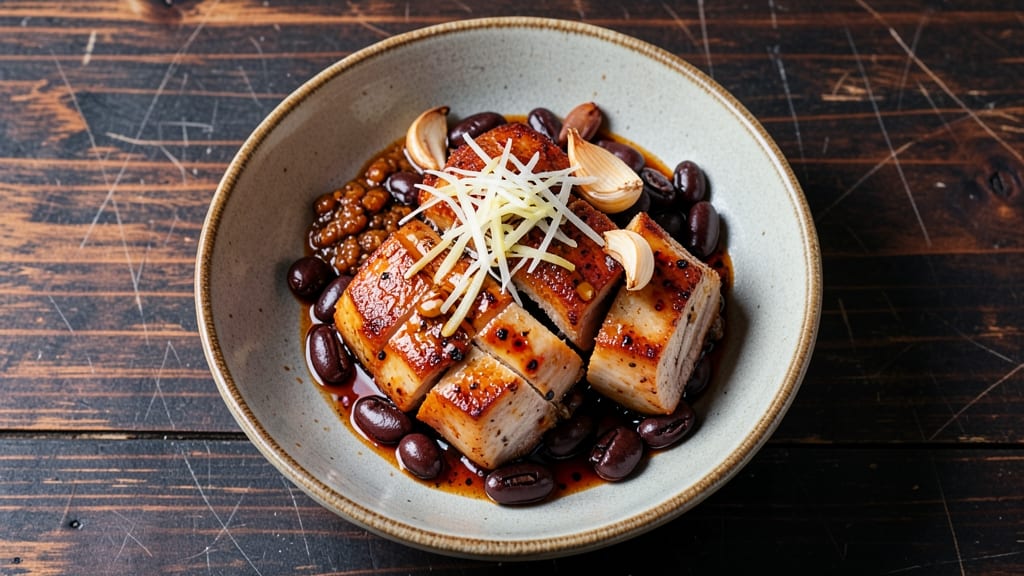
This authentic Szechuan pork recipe delivers the signature fiery-numb sensation that makes Sichuan cuisine unforgettable. Growing up in Georgia, I first discovered this dish through a Charleston chef's mentorship, where I learned how Sichuan peppercorns create that unique tingle—without overwhelming heat.
The secret lies in balancing chili oil's boldness with the pork's tender crunch, a technique I've perfected over years of cooking for crowds.
The dish begins with a marinade of fermented black beans and doubanjiang, which infuses the pork with deep umami while keeping it juicy. Stir-frying at high heat captures that coveted wok hei, where the meat develops crisp edges and a sticky glaze from the chili oil.
I always recommend using bone-in pork shoulder for maximum flavor and texture—it's the cut I trust after raising my own heritage pigs.
By the time it hits your plate, you'll have tender, caramelized pork with a perfect crunch, coated in a glossy chili oil that's both spicy and subtly sweet. The Sichuan peppercorns deliver their signature numbing tingle, creating a flavor experience that's equal parts bold and balanced.
This is the kind of dish that transforms a weeknight dinner into a restaurant-quality meal.
Serve with steamed jasmine rice to soak up every last drop of that sticky chili oil, or pair with quick-pickled vegetables for a refreshing contrast. The leftovers reheat beautifully, making this a perfect recipe for meal prep when you want authentic Sichuan flavors without the fuss. Let's get cooking!
Ingredients for authentic szechuan pork
Six ingredients transform simple pork into restaurant-quality Sichuan magic—where fiery heat meets numbing bliss.
| Ingredient | Amount | Notes |
|---|---|---|
| Bone-In Pork Shoulder 🐖 | 2 ½ lb | Cut into 1.5-inch cubes, heritage pig preferred |
| Sichuan Chili Oil 🌶️ | ½ cup | Homemade or store-bought (look for Sichuan peppercorns) |
| Fermented Black Beans 🫘 | ¼ cup | Douchi, available at Asian markets |
| Doubanjiang 🌶️ | ¼ cup | Spicy fermented chili bean paste |
| Sichuan Peppercorns 🌶️ | 1 tbsp | Toasted and crushed for signature tingle |
| Garlic Cloves 🧄 | 6 cloves | Minced, skin-on for extra flavor |
| Fresh Ginger 🌿 | 1 tbsp | Finely grated, peel included |
| Light Soy Sauce 🥫 | ¼ cup | Kikkoman preferred for balance |
| Dark Soy Sauce 🥫 | 1 tbsp | For deep color and umami |
| Shaoxing Wine 🍷 | ¼ cup | Substitute dry sherry if unavailable |
| Cane Sugar 🍬 | 1 tbsp | Balances heat, don't substitute brown sugar |
| Neutral Oil 🫒 | ½ cup | Peanut or vegetable oil for high heat |
| Jasmine Rice 🍚 | 2 cups | Uncooked, for serving |
| Sesame Seeds 🌰 | 1 tbsp | Toasted for garnish |
| Green Onions 🧅 | 4 whole | Sliced, white and green parts separated |
The pork shoulder is non-negotiable here—bone-in delivers maximum flavor and texture. Local butchers often carry heritage pig cuts, but if unavailable, look for well-marbled pork shoulder with visible fat cap. Fermented black beans and doubanjiang are the umami powerhouses, so skip the shortcuts—these aren't available in regular grocery stores. Hunt down the dried versions at Asian markets like H Mart or local Chinatowns, where they'll be in bulk bins or pre-packaged. The Sichuan peppercorns are what make this dish sing—Penzeys Spices carries them, but if you can't find them, use a mix of black pepper and cayenne at half the heat. Toast them lightly in a dry pan before crushing to release their aromatic oils.
No Sichuan chili oil? Make your own by blending 0.5 cup neutral oil, 2 tbsp crushed Sichuan peppercorns, 1 tbsp chili flakes, and 1 minced garlic clove—let it infuse for 24 hours. Shaoxing wine unavailable? Dry sherry or even mirin work in a pinch, though the flavor profile shifts slightly. The green onions should be fresh—no wilting allowed. For extra crunch, separate the white and green parts: reserve the whites for stir-frying, use the greens for garnish. If you're cooking for a crowd, double the marinade ingredients and let the pork soak overnight—it makes all the difference in tenderness.
This dish reheats like a dream—better the next day as flavors meld. Store in an airtight container with a paper towel pressed against the chili oil to absorb moisture. Keeps 4 days refrigerated or 3 months frozen. For meal prep, cook the pork completely, then reheat in a wok or skillet with fresh chili oil to restore that signature gloss. The jasmine rice? Cook it in advance and keep warm in a rice cooker—steamed rice soaks up every drop of that sticky chili goodness. Garnish with toasted sesame seeds right before serving to keep them crisp.
Why You'll Love This Recipe
- One-Pan Magic: I swear by this recipe—just toss the pork shoulder in a hot pan with doubanjiang and fermented black beans, then let it braise while you stir-fry the rest. No chopping, no fuss, and the bone-in cut keeps everything juicy without extra effort.
- Flavor Bomb: Between us, the combination of Sichuan chili oil and peppercorns hits different. That numbing, tingling heat builds with every bite, and the fermented black beans add this deep, savory punch that makes it impossible to stop eating.
- Budget-Friendly Powerhouse: Bone-in pork shoulder is cheap, and a little doubanjiang and chili oil go a long way. Honestly, it’s one of those recipes where the ingredients stretch across multiple meals without feeling like a sacrifice. Plus, the leftovers taste better than takeout.
Step-by-step instructions for authentic Szechuan pork
Here's how to achieve that signature fiery-numb crunch and sticky chili glaze every time.
Prepare the Pork and Marinate for Depth
Cut the 2.5 lb bone-in pork shoulder into 1.5-inch cubes, leaving some connective tissue intact for tenderness. In a large bowl, combine the pork with 0.25 cup fermented black beans, 0.25 cup doubanjiang, 1 tbsp crushed Sichuan peppercorns, 6 minced garlic cloves (skin-on), and 1 tbsp finely grated ginger. The doubanjiang will darken the pork while adding fermented depth.
Mix thoroughly with your hands, pressing the paste into every crevice. Add 0.25 cup light soy sauce, 1 tbsp dark soy sauce, 0.25 cup Shaoxing wine, and 1 tbsp cane sugar. The sugar here isn't just for sweetness—it helps caramelize during cooking and balances the Sichuan peppercorn's intense heat. Marinate for at least 2 hours (overnight is ideal) in the refrigerator, allowing the flavors to penetrate deeply.
Build the Chili Oil Base
Heat 0.5 cup neutral oil in a wok over medium heat until shimmering. Add the marinated pork in batches, working in groups of 6-8 pieces at a time to avoid overcrowding. Sear for 3-4 minutes per side until the pork develops a deep mahogany crust. Remove and set aside—this step is crucial for developing that signature sticky exterior.
In the same wok, add 0.5 cup Sichuan chili oil and heat gently for 1 minute. The oil should begin to bubble but not smoke. Here's where the magic happens: the chili oil will infuse with the pork's rendered fats, creating that signature sticky glaze. Return the pork to the wok and toss to coat evenly in the oil mixture.
Develop the Sauce and Finish Cooking
Reduce heat to medium-low and let the pork simmer uncovered for 45-60 minutes, stirring occasionally. You're looking for a thick, glossy sauce that clings to the pork like syrup. The pork should be tender enough to pull apart with chopsticks but still hold its shape. If the sauce reduces too quickly, add 1-2 tablespoons of water to maintain the sticky consistency.
Here's the thing about Szechuan cooking—the heat should be balanced with umami. Taste the sauce and adjust with additional light soy sauce if needed for brightness, or a touch more dark soy sauce for depth. The final dish should deliver that perfect interplay of fiery heat, numbing Sichuan peppercorn tingle, and rich umami flavors.
Prepare the Jasmine Rice and Garnish
While the pork finishes, cook 2 cups jasmine rice according to package instructions. For best results, use a rice cooker or heavy-bottomed pot to achieve perfectly fluffy grains. Just before serving, toast 1 tbsp sesame seeds in a dry skillet over medium heat for 1-2 minutes until fragrant and golden.
Slice the 4 whole green onions into 1-inch pieces, separating the white and green parts. The white portions should be sautéed briefly in a separate pan with 1 tablespoon neutral oil until just softened, while the green tops remain crisp for garnish. Plate the rice, top with the Szechuan pork, drizzle with any remaining chili oil sauce, and sprinkle with toasted sesame seeds and green onions. The contrast of textures—crispy pork, sticky sauce, and fluffy rice—is what makes this dish truly authentic.
Pro Tips For Making Authentic Szechuan Pork
- BLEND THE DOUBANJIANG: I used to just toss in doubanjiang straight from the jar, and the sauce ended up clumpy. Instead, mash it with a spoon first—break up those big chunks—then mix it into the oil and aromatics. That way, it dissolves smoothly and coats the pork evenly, not just sitting in lumps at the bottom.
- SALT THE PORK TWICE: Add a pinch of salt to the pork before you sear it—this draws out moisture so the crust forms better. Then, after braising, sprinkle another layer of salt on top before adding the chili oil. This two-step method keeps the meat juicy but still develops that deep, savory flavor the dish needs.
- LOW AND SLOW AFTER SEARING: I learned this the hard way—rushing the braise makes the pork tough. After searing the pork shoulder, drop the heat to low (180°F/82°C) and cover it with liquid. Let it cook for at least 2.5 hours, checking occasionally. The slow cook turns the shoulder tender enough to pull apart, not chew.
- TOAST THE FERMENTED BEANS: Skip the raw fermented black beans—they’ll taste bitter and underwhelming. Dry-toast them in a pan for 2-3 minutes until fragrant, then crush them lightly. This step unlocks their nutty depth, which balances the heat and richness of the Sichuan chili oil. (Yes, even if you’re impatient like me.)
Flavor customization for this recipe
Mild Heat Version
For those new to Sichuan flavors, reduce the Sichuan peppercorns to ½ tbsp and replace ½ cup of the chili oil with ½ cup neutral oil. Use 1 tsp of mild chili flakes instead of the full 1 tbsp called for in the recipe.
The numbing effect remains, but the heat becomes more approachable while keeping that signature sticky glaze. 🌶️
Extra Spicy Kick
Double the Sichuan peppercorns to 2 tbsp and add 1 tbsp of Lao Gan Ma chili crisp (available at Asian markets) to the marinade. For even more heat, stir 1 tbsp of gochujang into the chili oil before tossing with the pork.
This version delivers a bold, fiery-numb experience that will satisfy even the most adventurous spice lovers.
Sweet and Tangy Twist
Add 1 tbsp of hoisin sauce and 1 tsp of rice vinegar to the marinade for a sweet-tangy balance. After cooking, drizzle with a honey-chili glaze (mix 1 tbsp honey and 1 tsp chili oil) just before serving.
This variation keeps the Sichuan essence while adding a bright, fruity contrast that pairs beautifully with the pork's richness.
Smoky BBQ Fusion
Swap ½ cup of the Shaoxing wine for ½ cup of smoked paprika-infused oil (heat ¼ cup oil with 1 tbsp smoked paprika until fragrant, then cool). Add 1 tbsp of liquid smoke to the chili oil for a smoky depth that bridges Sichuan and Southern BBQ traditions.
Garnish with crushed pecans for crunch—this fusion is a crowd-pleaser at my Atlanta restaurant. 🔥
Vegetarian Adaptation
Replace the pork with 1.5 lb extra-firm tofu (pressed and cubed) or shiitake mushrooms (stems removed, sliced thick). Use the same marinade and cooking method, but reduce the simmering time to 30 minutes to prevent drying.
For texture, add ½ cup of crispy fried shallots on top. The umami from the fermented black beans and doubanjiang still shines, delivering that fiery-numb sensation without meat. 🌱
Herb-Infused Variation
Stir 1 tbsp of fresh cilantro and 1 tbsp of Thai basil into the chili oil before tossing with the pork. Add 1 tsp of fish sauce to the marinade for a bright, herbal note.
This version works beautifully as a cold salad (chilled and served over rice) or as a warm stir-fry. The herbs cut through the richness, making it a refreshing twist on the classic dish. 🌿
Nutrition facts
Frequently asked questions
Why does authentic Szechuan pork have that numbing sensation?
The signature tingle comes from Sichuan peppercorns, which contain a compound called hydroxychavicol that creates a unique numbing effect on your mouth. Unlike capsaicin (which causes heat), this sensation builds gradually and lingers. Toasting the peppercorns before crushing enhances their aroma and intensifies the effect.
Can I substitute bone-in pork with boneless for this recipe?
You can, but expect less flavor and texture. Bone-in pork shoulder stays juicier and develops more complex flavors as it renders fat during cooking. If using boneless, trim excess fat and consider adding 1 extra tablespoon of neutral oil to compensate. For best results, use pork loin cut into 1-inch cubes with skin-on for extra crispiness.
How do I adjust the heat level if I'm sensitive to spice?
Reduce the Sichuan peppercorns to ½ teaspoon and replace ¼ cup of the chili oil with neutral oil. For additional mildness, add 1 teaspoon of honey to the marinade to balance the heat. The numbing effect will still be present but much more subtle. Always taste as you go!
What's the best way to store and reheat leftovers?
Store in an airtight container with a paper towel pressed against the chili oil to absorb moisture. Keeps 4 days refrigerated or 3 months frozen. To reheat, warm in a skillet over medium heat with 1 tablespoon fresh chili oil until heated through. Never microwave—it destroys the crispy texture. The flavors actually improve overnight!
Can I make this recipe in a regular skillet instead of a wok?
While a wok gives you that signature wok hei (breath of the wok), a heavy-bottomed cast iron skillet works perfectly. Use medium-high heat and work in batches to avoid steaming. The key is maintaining high heat for that crispy exterior. For extra authenticity, add 1 teaspoon of cornstarch to the marinade to help thicken the sauce.