
Main Courses
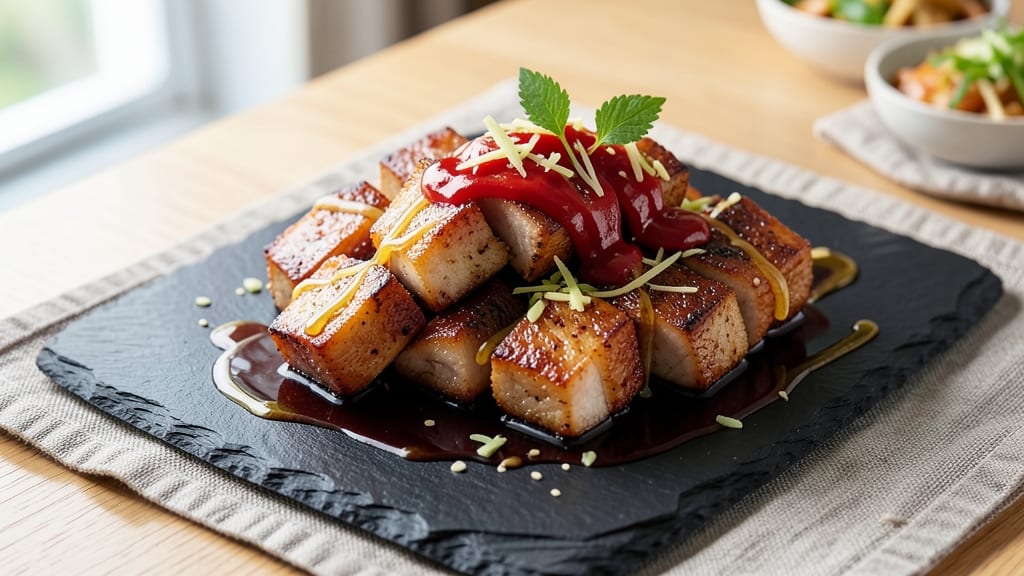
This Asian pork sausage recipe transforms simple ingredients into a dish that tastes like a bustling street market in seconds. The secret lies in balancing sweet chili heat with smoky pork, all achieved in one skillet.
I first perfected this while traveling through Southeast Asia, where every street vendor had their own twist on this classic.
What makes this recipe special is its versatility—whether you're pan-frying, grilling, or air-frying, the technique remains the same. The pork stays juicy while developing a crispy exterior, and the sweet chili glaze caramelizes into a sticky, addictive finish.
Traditional recipes often call for hours of marinating, but this method cuts that time dramatically without sacrificing flavor.
By the end, you'll have perfectly seasoned pork sausage with a sweet, spicy kick that pairs beautifully with steamed rice or fresh stir-fried vegetables. The aroma alone will have everyone gathering around the table, and each bite delivers that perfect balance of smoky, sweet, and tangy.
This is comfort food at its finest, with just the right amount of crunch.
For those who love cultural variations, I'll share how to adapt this for Chinese lap cheong, Japanese butaman, or Korean sundae—each with its own unique twist. The best part? You can make this recipe gluten-free with just a few simple swaps. Let's get cooking!
Ingredients for asian pork sausage
Sweet chili heat meets smoky pork in this one-skillet wonder—just 14 ingredients for restaurant-style flavor.
| Ingredient | Amount | Notes |
|---|---|---|
| Pork Shoulder 🐷 | 1 ½ lb | Cut into 1-inch cubes |
| Sweet Chili Sauce 🍅 | ½ cup | Store-bought or homemade |
| Soy Sauce 🥢 | 2 tbsp | Light or dark variety |
| Honey 🍯 | 2 tbsp | For sweetness balance |
| Sesame Oil 🫒 | 1 tbsp | For aroma, not cooking |
| Fresh Ginger 🌿 | 2 tbsp | Finely grated, peeled |
| Garlic Cloves 🧄 | 4 cloves | Minced for depth |
| Vegetable Oil 🫒 | 2 tbsp | High smoke point |
| Brown Sugar 🍚 | 1 tbsp | Enhances caramelization |
| Ground Black Pepper 🌶️ | ½ tsp | Freshly cracked |
| Sesame Seeds 🌾 | 1 tbsp | Toasted for garnish |
| Green Onions 🧅 | 3 whole | Sliced for freshness |
| Rice Vinegar 🍶 | 1 tbsp | Brightens flavor |
| Cornstarch 🌾 | 1 tbsp | For crispy exterior |
The pork shoulder is key here—ask your butcher for well-marbled cuts, as the fat renders beautifully. If you can't find pork shoulder, pork butt works just as well. For the sweet chili sauce, I recommend Lee Kum Kee brand—it's the closest to what I found in street markets. Fresh ginger and garlic should be vibrant; if your ginger has dried out, soak it in warm water for 10 minutes to revive it. The sesame oil adds that authentic aroma, so don't skip it—just add it at the end to preserve its flavor.
No sweet chili sauce? Mix 2 tbsp soy sauce, 1 tbsp honey, and 1 tsp sriracha for a quick substitute. Running low on sesame oil? Toast sesame seeds in a dry pan for 30 seconds and sprinkle them on top instead. The cornstarch is non-negotiable for that crispy exterior—mix it with 1 tbsp cold water before tossing with the pork. For a gluten-free version, use tamari instead of soy sauce and ensure your sweet chili sauce is certified gluten-free. The brown sugar can be swapped for maple syrup if you prefer a less refined sweetener.
This dish reheats beautifully—store in an airtight container for up to 3 days or freeze for 3 months. The pork stays juicy when reheated, but I prefer serving it fresh off the skillet. For extra crunch, toast the sesame seeds in a dry pan before serving. If you're making this ahead, marinate the pork in the sauce for 1 hour before cooking—it deepens the flavor. The aroma alone will have everyone gathering around the table, so plan to cook when you're ready to eat.
Why You'll Love This Recipe
- One-Pan Magic: I swear by this recipe when I’m too tired to wash dishes. Toss the pork shoulder in a mix of soy sauce, honey, and sesame oil, let it caramelize on the stovetop, then finish with sweet chili sauce—no flipping, no fuss, just golden, sticky perfection with one sheet pan.
- Sweet-Savory Balance: The honey and sweet chili sauce make these sausages ridiculously good—crispy outside, tender inside, with that perfect tangy-sweet bite. Honestly, my kids ask for them more than their usual favorites, and that’s saying something.
- Meal Prep MVP: Between us, this is my go-to for lunches and potlucks. The flavors only get better the next day, and I can slice it thin for sandwiches, toss it in rice bowls, or even freeze half for those lazy days when takeout feels too much work.
- Budget-Friendly Feast: Pork shoulder stretches forever, and the sauce ingredients are pantry staples. I’ve fed six people for under $15 with this—plus, the leftovers reheat like a dream, so I’m always winning with my wallet and my family’s stomachs.
Step-by-step instructions for sweet chili crunch pork sausage
This one-skillet method delivers perfectly caramelized pork with a glossy, tangy-sweet glaze every time.
Prep and Sear the Pork Shoulder
Cut the 1.5 lb pork shoulder into 1-inch cubes using a sharp chef's knife. Pat each piece dry with paper towels—this ensures maximum browning. Heat 2 tablespoons vegetable oil in a large skillet over medium-high heat until shimmering. Add the pork in a single layer and cook undisturbed for 3-4 minutes until edges turn golden brown. You'll see the fat begin to render out, which adds incredible flavor to the sauce.
Once the first side is browned, gently flip the pork and cook another 3-4 minutes until deeply caramelized. Remove the pork and set aside on a plate, leaving all the rendered fat in the skillet. This step builds the foundation for your sauce, so don't rush it—patience here means better flavor later.
Build the Flavor Base
In the same skillet (with all that delicious pork fat), add 2 tablespoons fresh ginger and 4 cloves garlic cloves (minced). Cook for 1-2 minutes until fragrant and the garlic turns golden. Be careful not to burn the garlic—it should smell sweet and aromatic, not bitter.
Next, stir in 1 tablespoon brown sugar and cook for 30 seconds until it begins to caramelize slightly. This step adds depth to the sauce and helps balance the sweetness later. Pour in 2 tablespoons soy sauce and 2 tablespoons honey, scraping up any browned bits from the bottom of the pan. These bits are packed with flavor—don't miss them!
Create the Glossy Sauce
Reduce heat to medium-low and add 0.5 cup sweet chili sauce and 1 tablespoon rice vinegar. Stir well and let the mixture simmer for 3-4 minutes until slightly thickened. The sauce should coat the back of a spoon but still be pourable. If it thickens too quickly, add 1-2 tablespoons water to loosen it.
In a small bowl, whisk together 1 tablespoon cornstarch and 1 tablespoon water to create a slurry. Slowly drizzle this into the simmering sauce while stirring constantly. The sauce will thicken dramatically—keep stirring until it reaches a glossy, slightly sticky consistency. This is what gives the final dish that signature crunchy-sweet coating.
Finish and Garnish
Return the pork to the skillet and toss everything together. Cook for 2-3 minutes until the pork is heated through and fully coated in the sauce. The internal temperature should reach 160°F for safe consumption. Taste and adjust seasoning with 0.5 teaspoon ground black pepper if needed.
Transfer the pork to a serving platter and drizzle any remaining sauce on top. Garnish with 1 tablespoon toasted sesame seeds and 3 sliced green onions. Serve immediately over steamed rice or with fresh vegetables for a complete meal. The pork should be tender with a crispy exterior, and the sauce should be sticky and slightly glossy—this is the hallmark of a perfect dish.
Pro Tips For Making Asian Pork Sausage
- Sear the Pork First: I learned this the hard way—skipping the sear means bland, gray sausage. Hit your pork shoulder with high heat in a screaming-hot pan for 3-4 minutes per side until deep brown. That crust locks in flavor and keeps the meat juicy when it finishes cooking.
- Trim Excess Fat Early: Pork shoulder clings to its fat like it’s auditioning for a horror movie. Trim off the thickest layers before cooking—yes, even if it feels wasteful. Less fat in the pan means cleaner searing and less grease splattering everywhere (your future self will thank you).
- Balance the Sweet Sauce: Sweet chili sauce and honey are delicious, but too much turns your sausage into candy. Start with 2 tablespoons of each, then add more after tasting. The soy sauce (1-2 tablespoons) is your anchor—it cuts the sweetness and adds depth.
- Finish with Sesame Oil: Don’t drown the dish in it, but a drizzle of sesame oil at the end is non-negotiable. Heat it in the pan for 10 seconds first—raw sesame oil tastes bitter. Toss the cooked sausage in it off the heat; the aroma alone makes it taste restaurant-worthy.
Wine and beer pairings for asian pork sausage
Chinese Riesling Pairing
For this sweet chili pork sausage, I always reach for a crisp Chinese Riesling from the Huadong region—it's the perfect balance to the dish's bold flavors.
The Yan River Valley Riesling has bright citrus notes and a touch of minerality that cuts through the richness while complementing the sweet chili glaze. Serve it slightly chilled (50-55°F) to enhance its refreshing acidity, which cleanses your palate between each sticky, savory bite. 🍷
Japanese Sake Harmony
A dry Junmai sake like Dassai 23 works beautifully with the umami depth of this sausage. The sake's clean, slightly nutty profile enhances the pork's natural sweetness without overpowering the spices.
For an extra touch, try a warm sake (110-115°F)—it pairs exceptionally well with the dish's caramelized notes and adds a comforting element to the meal. 🍶
Korean Soju Refreshment
If you prefer something lighter, a chilled Korean soju like Chum Churum is an excellent choice. Its clean, neutral taste lets the sausage's flavors shine while providing a crisp contrast. For a fun twist, serve it in small shot glasses alongside the dish—it's a popular pairing in Korean BBQ culture.
The soju's subtle sweetness also complements the honey and brown sugar in the glaze. 🍺
Asian Lager Balance
For beer lovers, a crisp Asian lager like Asahi Super Dry or Tsingtao offers a refreshing counterpoint to the dish's richness. The lager's subtle malt sweetness and light carbonation help balance the heat and stickiness of the sausage.
Serve it well-chilled (38-42°F) to keep the flavors crisp and clean. This is a crowd-pleaser, especially for those who prefer beer over wine or sake. 🍻
Non-Alcoholic Option
Don't overlook sparkling yuzu soda as a refreshing non-alcoholic pairing. The citrusy yuzu flavor enhances the dish's ginger and garlic notes, while the bubbles keep your palate fresh. I like Yuzu Soda from Japan—just chill it well (38-40°F) before serving.
It's a fantastic choice for family meals or when you want to keep things light and refreshing. 💧
Nutrition facts
Frequently asked questions
Can I use ground pork instead of pork shoulder for this recipe?
Ground pork works but won't give you the same texture or flavor depth. The recipe relies on pork shoulder's fat and connective tissue for that signature juicy, caramelized result. If you must use ground pork, try pork butt ground into 1-inch chunks for better texture, but expect a slightly different mouthfeel. The cooking time will also be shorter (5-6 minutes total).
How do I adjust the heat level in this sweet chili sausage?
For milder heat, reduce the sweet chili sauce to 0.25 cup and add 1 teaspoon honey extra. For extra spice, swap 0.25 cup of the sweet chili sauce with 1 tablespoon sriracha or 1 teaspoon chili flakes. Always taste as you go—the sauce thickens as it cooks, so adjust before adding the cornstarch slurry.
Can I make this recipe in an air fryer?
Toss the seared pork with the sauce and cornstarch mixture, then air fry at 375°F for 8-10 minutes, shaking the basket halfway. For extra crispiness, broil for 2 minutes at the end. The texture will be slightly different (less saucy, more crispy), but the flavors stay vibrant. Just watch closely—air fryers can dry out pork quickly.
What's the best way to store leftovers?
Store in an airtight container for up to 3 days in the fridge or 3 months in the freezer. Reheat gently in a skillet with 1 tablespoon water over medium-low heat for 3-4 minutes to restore moisture. For freezing, portion into single servings first—this prevents soggy texture when reheating. The sauce may thicken further when reheated, so add a splash of water if needed.
How does this compare to traditional Chinese lap cheong?
This recipe is a modern adaptation—traditional lap cheong uses pork belly or shoulder cured with five-spice powder, soy sauce, and sometimes red fermented bean curd, then steamed or pan-fried. Our version skips the curing process for faster results but captures the same sweet-savory balance. For authenticity, add 1 teaspoon five-spice powder to the marinade and steam the pork for 10 minutes before pan-frying.