
Main Courses
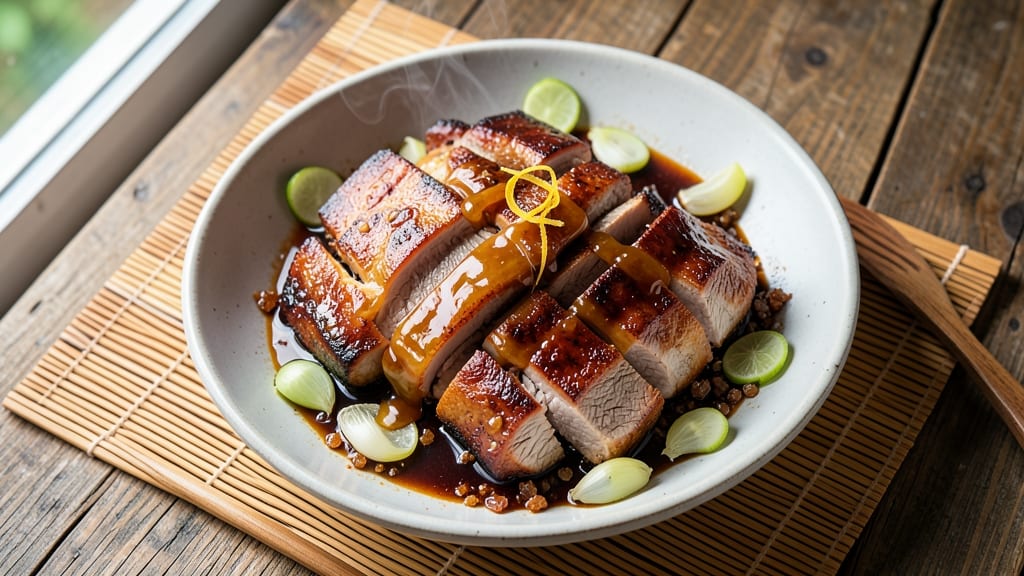
This Filipino pork barbecue recipe with pineapple juice delivers tender, sweet-tangy shreds in just 30 minutes, bringing the smoky-sweet flavors of the Philippines to your table. The secret? A marinade with pineapple juice that tenderizes the meat while adding a bright, tropical sweetness that balances the savory notes.
I first discovered this technique while traveling through the Visayas region, where grilled pork skewers (lechon kawali) are a staple—this version simplifies the process without sacrificing authenticity.
The magic happens in the marinade, where pineapple juice works its magic—breaking down the meat fibers while infusing it with natural sweetness and acidity.
You’ll start with pork shoulder, cut into bite-sized pieces, and let it soak in the marinade for at least 30 minutes (or overnight for deeper flavor).
The marinade isn’t just about taste—it’s about texture, ensuring the pork comes out fall-apart tender with a caramelized crust from the grill or oven. This is the kind of dish that tastes like a celebration, even on a weeknight.
Once marinated, the pork gets grilled or roasted until the edges are charred and the meat pulls apart easily. The real showstopper? Basting with extra pineapple juice while it cooks, which creates a glossy, sticky glaze that caramelizes into a sweet-tangy crust.
Serve it skewered for easy eating or piled high on a plate with garlic rice and a side of sinigang (Filipino sour soup) to cut through the richness. Every bite delivers that perfect balance of smoky, sweet, and savory—just like the street food stalls back home.
What makes this recipe stand out is its versatility. Use it for weeknight dinners, potlucks, or even as a centerpiece for a Filipino feast. The marinade keeps well in the fridge, so you can prep ahead and grill at the last minute.
And don’t worry—this isn’t your typical sweet-and-sour pork. The pineapple juice here is a traditional technique, not just a gimmick, and it’s what gives this dish its unmistakable Filipino soul. Let’s get cooking!
Ingredients for filipino pork barbecue recipe with pineapple juice
Pork shoulder, pineapple juice, and a handful of pantry staples transform into fall-apart tender barbecue.
| Ingredient | Amount | Notes |
|---|---|---|
| Pork Shoulder 🥓 | 1 ½ lb | Bone-in for flavor, cut into 1-inch pieces |
| Pineapple Juice 🍍 | 1 cup | Freshly squeezed, not canned |
| Soy Sauce 🥫 | ½ cup | Dark soy for deeper color |
| Brown Sugar 🍚 | ¼ cup | Packed, not granulated |
| Garlic Cloves 🧄 | 6 cloves | Minced, not powdered |
| Fresh Ginger 🌿 | ½ cup | Grated, not powdered |
| Olive Oil 🫒 | 2 tbsp | Extra-virgin for richness |
| Black Peppercorns 🌶️ | 1 tsp | Freshly cracked, not ground |
| Bay Leaves 🌿 | 2 whole | Dried, for depth of flavor |
| Lime Juice 🍋 | 2 tbsp | Freshly squeezed |
| Salt 🧂 | 1 ½ tsp | Kosher salt, not iodized |
| Wooden Skewers 🪵 | 12 whole | Soaked in water for 30 mins |
The pork shoulder is the star—look for cuts with good marbling at Costco or your local butcher. Bone-in pieces stay juicier, and cutting them into 1-inch chunks ensures even cooking. Fresh pineapple juice is non-negotiable here—the canned stuff lacks the bright acidity that tenderizes the meat. I always grab Del Monte Gold or Dole fresh pineapples from the produce section, juice them myself, and freeze extras for future marinades. The ginger? Freshly grated makes all the difference—skip the powdered version, trust me on this.
No fresh pineapple juice? Coconut water in a pinch (though it’ll lack that signature sweetness). Running short on soy sauce? Coconut aminos works in a bind, but reduce the amount by half. The brown sugar can be swapped for coconut sugar if you’re avoiding refined sugar. For the garlic, I use Organic Basics cloves—they’re more flavorful than the generic brands. The bay leaves? Tear them slightly before adding to release their oils faster. And if you’re feeling fancy, add a dash of annatto oil for that classic Filipino red hue.
Marinated pork keeps 3 days in the fridge, but the flavor deepens overnight—plan ahead! Skewer the meat just before cooking to avoid soggy sticks. Leftover barbecue reheats beautifully—toss it in a 350°F oven for 10-15 minutes with a splash of pineapple juice to revive the glaze. For make-ahead meals, freeze cooked skewers on a tray, then transfer to a bag—3 months of easy lunches. The marinade itself? Use it as a dipping sauce or glaze for tofu if you’ve got leftovers.
Why You'll Love This Recipe
- No Chopping Needed: The pork shoulder stays in big chunks—no fancy slicing or dicing. Just score the fat cap lightly, toss it in the marinade (soy, brown sugar, pineapple juice, garlic), and let the oven do the work. Honestly, I’ve made this while scrolling through my phone.
- Sweet-Savory Magic: That pineapple juice isn’t just for flavor—it tenderizes the pork and balances the soy’s saltiness with just the right tang. The brown sugar caramelizes into a sticky glaze, while the garlic cloves roast into fragrant little nuggets. Between us, the first bite makes you forget takeout exists.
- Leftovers That Shine: This recipe practically begs to be made ahead. The pork stays juicy for days, and the sauce thickens into a glossy, clingy glaze—perfect for sandwiches, rice bowls, or even breakfast hash. I’ll be real: my lunchbox gets packed with this for at least three days.
- Budget-Friendly Crowd-Pleaser: Pork shoulder is cheap, and this marinade stretches to feed four for dinner and two more for lunch. No fancy ingredients—just pantry staples—and the pineapple juice cuts through the richness without breaking the bank. Plus, it’s the kind of dish where everyone asks for seconds.
Step-by-step instructions for Filipino pork barbecue
This method delivers fall-apart tender pork with that signature sweet-tangy glaze in just 30 minutes.
Marinate the Pork Shoulder
In a large bowl, combine the 1.5 lb pork shoulder with 1 cup pineapple juice, 0.5 cup soy sauce, 0.25 cup packed brown sugar, 6 minced garlic cloves, 0.5 cup grated fresh ginger, 1.5 tsp salt, and 1 tsp freshly cracked black peppercorns. Mix thoroughly until the pork is fully coated and the marinade is well distributed.
Add the 2 whole bay leaves and 2 tbsp lime juice, then cover the bowl and refrigerate for at least 2 hours (or overnight for deeper flavor). The acidity from the pineapple and lime will begin breaking down the pork fibers, ensuring tender results. The marinade should smell vibrant and aromatic—this is your first clue that the flavors are melding perfectly.
Prep and Skewer the Pork
Remove the pork from the refrigerator and let it sit at room temperature for 15 minutes before cooking. This ensures even cooking throughout. Drain the pork, reserving the marinade, and pat it dry with paper towels—this helps achieve a better sear.
Thread the pork pieces onto the 12 soaked wooden skewers, spacing them evenly. If using thick-cut pork, you may need to use two skewers per piece. Keep the skewers in a single layer on a plate to prevent sticking. The skewers should feel secure but not overly crowded—this makes flipping easier later.
Grill the Pork
Preheat your grill to medium-high heat (around 375°F). Heat the 2 tbsp olive oil in a grill pan or on the grill grates until shimmering. Place the skewered pork on the grill and cook for 10-12 minutes, turning occasionally, until the pork is lightly charred and the internal temperature reaches 160°F. The pork should pull away from the skewers with gentle pressure.
During the last 2 minutes of grilling, brush the reserved marinade over the pork to create a glossy glaze. The high heat will caramelize the sugars, intensifying the sweet-tangy flavor. Watch for golden-brown spots—this indicates the glaze is developing properly.
Rest and Serve
Transfer the skewered pork to a cutting board and let it rest for 5 minutes. This allows the juices to redistribute, ensuring each bite is moist and flavorful. The pork should still feel warm to the touch, and the glaze should be sticky and slightly caramelized.
Slice the pork into ½-inch thick pieces and serve immediately. The skewers can be removed before serving for a cleaner presentation. Garnish with extra lime wedges if desired, and pair with steamed rice or fresh pineapple slices to complement the dish. The pork should be tender enough to shred easily with a fork, with a glossy, slightly sticky glaze that balances sweetness and tang.
Pro Tips For Making Filipino Pork Barbecue Recipe With Pineapple Juice
- Simmer Slow and Steady: The pork shoulder needs time to break down—don’t rush it. After the initial sear, drop the heat to low and let it bubble gently for at least 1.5 hours. I used to crank the heat thinking it’d speed things up, but the meat ended up dry and tough. Low and slow is the only way to get that melt-in-your-mouth texture.
- Minimize the Pineapple Juice: Too much pineapple juice makes the sauce watery and dull. Start with just ½ cup, then add more only if needed. The acidity in pineapple tenderizes the pork, but overdoing it turns your barbecue into a thin, sweet glaze. Taste as you go—better to add a splash later than regret it.
- Brown the Pork First: Skipping the sear means missing out on the best flavor. Pat the pork shoulder dry, then sear it over high heat until it’s deeply browned on all sides. This step locks in juices and builds a crust that holds up during the long simmer. I learned this the hard way—pale pork equals bland pork.
- Use Raw Garlic, Not Powder: Fresh garlic cloves add a depth that powdered garlic can’t match. Smash 4-5 cloves into a paste before adding them to the pan—this releases more flavor. I was skeptical at first, but the difference is noticeable, especially when the pork is finished. No shortcuts here.
Storing and reheating this dish
Fridge Storage Tips
Marinated pork stays fresh in the fridge for 3 days if stored in an airtight container with marinade. I use glass Pyrex containers because they prevent odors from seeping in. The flavors actually deepen overnight, so marinating overnight is ideal. Just
Freezer Prep Guide
For longer storage, freeze cooked pork barbecue in single-serving portions on a tray first to prevent clumping. Transfer to ziplock bags with all air squeezed out, then label with the date. This keeps it good for 3 months without texture loss. Thaw overnight in the fridge before reheating.
Oven Reheating Method
My favorite way to revive leftover pork is in a 350°F oven for 10-15 minutes. Toss the pork with 1 tbsp reserved marinade before reheating to restore that glossy glaze.
Cover loosely with foil to prevent drying. The internal temp should reach 165°F—use a meat thermometer to check. 🔥
Grill Revive Technique
For a quick fix, reheat pork skewers on a medium grill for 5-7 minutes, brushing with extra pineapple juice. The grill's heat caramelizes the glaze again, giving it that fresh-off-the-grill flavor. Keep an eye on it—pineapple juice burns fast at high heat.
Microwave Shortcut
When you're in a rush, microwave individual portions on 50% power for 2-3 minutes, stirring halfway. Add 1 tsp water or pineapple juice to prevent drying. This method works best for quick lunches but won't restore the same caramelized crust as oven or grill methods.
Serving Leftovers Creatively
Use reheated pork in new dishes! Chop it into tacos with slaw and sriracha mayo, or stuff it into banana leaves for Filipino-style wraps. The tender texture works perfectly in noodle stir-fries too. Just remember—pineapple juice is your friend when reheating! 🌟
Nutrition facts
Frequently asked questions
Can I use canned pineapple juice instead of fresh?
Fresh pineapple juice is ideal for its bright acidity and natural sweetness, but you can use canned in a pinch. Look for 100% pure pineapple juice with no added sugar. Reduce the brown sugar in the marinade by 1 tablespoon to balance the flavors. The texture won't be as tender, but it'll still deliver that signature sweet-tangy taste.
What's the best cut of pork for this recipe?
Pork shoulder is perfect—it's flavorful and stays juicy even when cooked to 160°F. For extra tenderness, ask your butcher for a bone-in cut (like pork butt). If you prefer leaner meat, use pork loin, but expect slightly less fall-apart texture. Always cut it into 1-inch pieces for even cooking.
Can I make this in an oven instead of grilling?
Preheat your oven to 400°F and place the skewered pork on a wire rack over a baking sheet. Roast for 15-20 minutes, basting with marinade every 5 minutes until caramelized. For extra smokiness, add a wooden chip pan to the oven. The oven method works great if you're cooking indoors or in cooler weather.
Why does my pork turn out dry?
Overcooking is the most common cause—pork should reach 160°F internally, not higher. Use a meat thermometer to avoid guessing. Also, pat the pork dry before grilling for a better sear, but don't overdo it. For extra moisture, add 1 tablespoon coconut milk to the marinade. The pineapple juice helps tenderize, but proper cooking temperature is key.
What are good Filipino sides to serve with this?
Try garlic fried rice (sinangag), steamed white rice, or sinigang (sour tamarind soup) to cut through the richness. For a refreshing contrast, add mango salsa or pickled papaya. The acidity in these sides balances the sweet-tangy pork beautifully. Don't forget fresh pineapple slices on the side!