
Main Courses
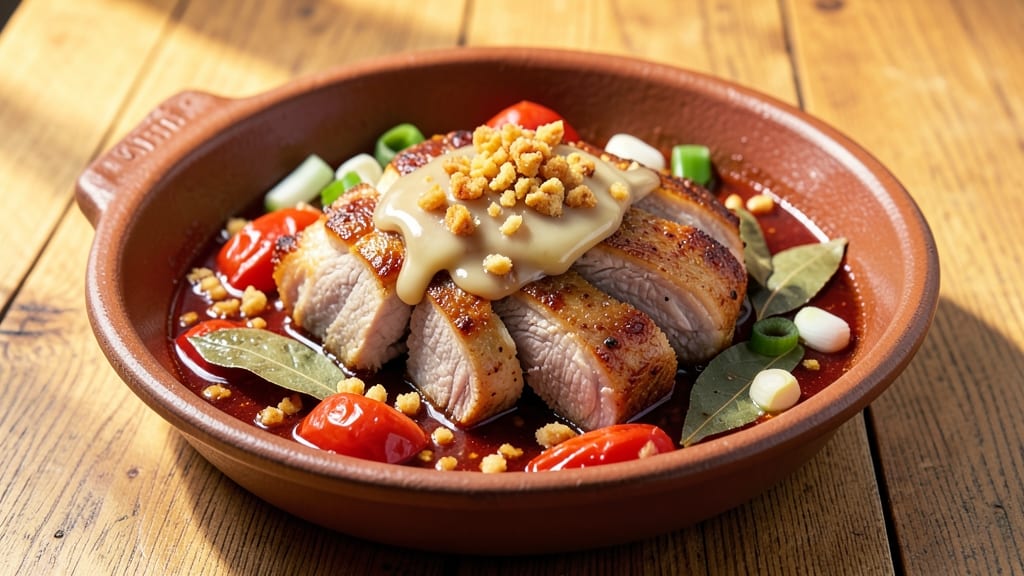
This adobong labong with pork recipe brings the bold, tangy flavors of Filipino comfort food to your kitchen table. ✨ Born from my years perfecting braised pork dishes, this recipe transforms simple ingredients—vinegar, garlic, and soy sauce—into a dish that's rich, smoky, and perfectly balanced.
The key lies in the slow cooking process, where the pork becomes tender and absorbs the deep, caramelized sauce.
What sets this dish apart is its smoky-sweet profile, achieved through a blend of traditional Filipino techniques and my own pitmaster secrets. The marinade—garlic, vinegar, and soy sauce—creates a flavor base that develops into a complex, tangy sauce as it simmers.
This isn't just another pork dish; it's a celebration of texture and flavor, where crispy edges meet tender meat in every bite.
By the time you serve this, you'll have a restaurant-quality dish that pairs beautifully with steamed rice or atchara. The sauce clings to the pork, offering layers of umami and acidity that make it impossible to resist.
Whether you're cooking for family or hosting a dinner, this recipe delivers a taste of home that's both comforting and impressive.
The beauty of adobong labong is its versatility—it works as a main dish or a centerpiece for a feast. The slow-cooked pork stays juicy, and the sauce reduces to a perfect consistency, ensuring every spoonful is packed with flavor.
Trust me, once you try this, it'll become a staple in your weekly rotation.
Ingredients for adobong labong with pork
Pork, vinegar, and tomatoes transform into restaurant-quality Filipino comfort food with these simple ingredients.
| Ingredient | Amount | Notes |
|---|---|---|
| Pork Shoulder 🥩 | 2 lb | Bone-in for best flavor |
| Canned Tomatoes 🍅 | 1 can | San Marzano preferred |
| White Vinegar 💧 | ½ cup | Distilled or apple cider |
| Soy Sauce 🥄 | ¼ cup | Dark soy for color |
| Garlic Cloves 🧄 | 8 cloves | Minced for marinade |
| Bay Leaves 🌿 | 2 whole | Dried, crumbled |
| Black Peppercorns 🌶️ | 1 tsp | Crushed, not ground |
| Fresh Ginger 🌿 | 1 inch | Peeled, sliced thin |
| Olive Oil 🫒 | 2 tbsp | For searing pork |
| Brown Sugar 🍯 | 2 tbsp | Light or dark |
| Salt 🧂 | 1 ½ tsp | Kosher or sea salt |
| Water 💧 | ½ cup | For deglazing |
| Green Onions 🧅 | 2 whole | Sliced for garnish |
| Fresh Chili Peppers 🌶️ | 1 whole | Optional, sliced |
The pork shoulder is non-negotiable here—bone-in for maximum flavor. Grab a 2-pound cut from the butcher section, not pre-cut packages. If you can't find San Marzano tomatoes, any high-quality canned tomatoes work (just drain well). The ginger should be fresh and fibrous—no powdered substitutes. For the vinegar, distilled is best but apple cider adds subtle sweetness. Look for dark soy sauce at Asian markets if you want that classic caramelized color, but regular soy works too.
No San Marzano tomatoes? Crushed tomatoes in a can work in a pinch. Short on vinegar? Substitute rice vinegar at the same amount. The brown sugar can be swapped for white sugar or coconut sugar. For extra heat, add 1 tsp of chili flakes or a sliced fresh chili. The green onions are just for garnish—skip if you're not serving immediately. The garlic can be pre-minced from a jar if you're short on time, but fresh is always better. If you're making this ahead, double the sauce so you have leftovers for rice or noodles.
This dish tastes even better the next day—plan ahead. Store in an airtight container in the fridge for up to 5 days, or freeze for 3 months. The sauce thickens as it cools, so add a splash of water when reheating. For a quick weeknight meal, use pre-cut pork shoulder and skip the bone—it'll still be delicious. The leftovers make amazing sandwiches or rice bowls too.
Why You'll Love This Recipe
- Pantry Powerhouse: I swear by this recipe when I forget to grocery shop. Canned tomatoes, vinegar, and soy sauce? That’s it for the magic—no wilting herbs or last-minute ingredient hunts. The pork shoulder practically cooks itself while you toss in whatever else you’ve got.
- Tangy-Savory Magic: That vinegar-soy-tomato combo? It’s the kind of balance that makes you pause mid-bite. The garlic cloves sizzle until they’re golden, then melt into the sauce, giving every spoonful this perfect sharp-sweet punch. Honestly, it’s the kind of flavor that turns a Tuesday into a “maybe I’ll have dessert” night.
- Leftovers That Shine: This dish tastes better the next day—yes, really. The pork gets even more tender, and the sauce thickens into something richer. I freeze portions all the time because reheating it is just dumping it back in a pot with a splash of water. Zero fuss, maximum satisfaction.
- Budget-Friendly Feast: Pork shoulder is cheap, canned tomatoes last forever, and you’re not buying fresh herbs that’ll wilt in two days. Between us, this recipe feeds four for under $15, and I’ve had my in-laws declare it “restaurant quality” while I’m still wiping flour off my hands. That’s a win.
Step-by-step instructions for adobong labong with pork
This smoky-sweet pork dish comes together with layers of flavor and just the right balance of tangy and sweet.
🔥 Step 1: Sear the Pork Shoulder for Deep Flavor
Pat the 2 lb pork shoulder dry with paper towels—this ensures a good sear. Heat 2 tbsp olive oil in a large, heavy pot over medium-high heat until shimmering. Place the pork in the pot, fat-side down, and let it sear undisturbed for 5-7 minutes until a deep golden-brown crust forms.
Flip the pork and sear the other side for another 5-7 minutes. This step is crucial—it locks in juices and builds the rich, caramelized foundation for your sauce. If you notice the fat burning, reduce the heat slightly and let it cook slowly. Once browned, remove the pork and set it aside on a plate.
🍳 Step 2: Build the Flavorful Marinade Base
In the same pot, reduce the heat to medium and add 8 cloves minced garlic cloves and 1 inch sliced fresh ginger. Sauté for 1-2 minutes until fragrant—this releases their aromatic oils. Be careful not to let them burn, as they can turn bitter quickly.
Next, add 1 can canned tomatoes, crushing them lightly with your hands to break them up. Stir in 0.5 cup white vinegar, 0.25 cup soy sauce, 2 tbsp brown sugar, 1.5 tsp salt, and 1 tsp crushed black peppercorns. Let this mixture simmer for 5 minutes to blend the flavors together. The sauce should start to thicken slightly and develop a rich, tangy aroma.
🥘 Step 3: Simmer the Pork in the Sauce
Return the seared pork to the pot, nestling it into the sauce. Add 0.5 cup water and 2 whole bay leaves, then bring the mixture to a gentle boil. Once boiling, reduce the heat to low and cover the pot with a lid. Let it simmer for 1 hour to 1 hour 15 minutes, turning the pork occasionally to ensure even cooking and sauce absorption.
After the initial hour, check the sauce. If it’s too thin, uncover the pot and let it reduce for another 10-15 minutes on medium-low heat. The sauce should coat the back of a spoon and cling beautifully to the pork. If you added 1 whole fresh chili peppers, now’s the time to slice it thinly and stir it into the sauce for a subtle kick.
⏰ Step 4: Finish and Rest for Maximum Tenderness
Once the pork is fork-tender and easily pulls apart, remove it from the pot and let it rest on a cutting board for 10 minutes. This resting period allows the juices to redistribute, ensuring each bite is moist and flavorful. While the pork rests, skim off any excess fat from the sauce and adjust the seasoning if needed—add a splash of white vinegar for tanginess or a pinch of salt for balance.
Slice the pork against the grain into ½-inch thick pieces and serve it over steamed rice, spooning the rich, tangy sauce generously over the top. Garnish with 2 sliced green onions for a fresh contrast. The result is a dish that’s deeply flavorful, with a perfect harmony of smoky, sweet, and tangy notes.
Pro Tips For Making Adobong Labong With Pork
- CRACK THE PORK FIRST: I learned this the hard way—skipping the initial sear makes your adobo taste flat. Brown the pork shoulder in batches over medium-high heat until deep golden, then pull it out. The crust locks in flavor and caramelizes the garlic when you add it back later.
- SIMMER LOW AND SLOW: Adobo isn’t a race. After the initial sear, drop the heat to a bare simmer—just enough to keep tiny bubbles breaking the surface. Too hot, and the vinegar burns; too low, and the pork stays tough. I aim for 1.5–2 hours for tender meat that falls apart.
- STRAIN THE TOMATOES: Canned tomatoes leave behind pulp that turns your adobo into a thick, gloopy mess. After blending the tomatoes with vinegar and garlic, strain the mixture through a fine-mesh sieve. The sauce will be cleaner, brighter, and less likely to clog your pot.
- SALT THE PORK TWICE: Don’t just season before cooking—sprinkle a pinch of salt after browning, too. It helps break down the meat further while simmering. I use about 1 teaspoon per pound of pork, split between the start and halfway through cooking. (Yes, even if your pork is pre-cured.)
Make-ahead tips for this adobong labong with pork
Marinade Prep Ahead
I always make the marinade a day ahead—it deepens the flavors dramatically. Combine the 0.5 cup white vinegar, 0.25 cup soy sauce, 2 tbsp brown sugar, 8 minced garlic cloves, and 1 tsp crushed black peppercorns in a bowl.
Store in an airtight container in the fridge for up to 24 hours. This gives the vinegar time to mellow and the garlic to infuse fully. 💫
Pork Prep for Efficiency
Pat and trim the 2 lb pork shoulder the night before, then wrap it tightly in plastic wrap. Refrigerate overnight—this keeps it cold for safer handling and makes slicing easier later.
I also like to marinate the pork in half the sauce mixture for 4-6 hours before cooking to infuse extra flavor. Just don't skip the sear—it's what makes this dish sing!
Sauce Reduction Shortcut
For a quicker weeknight version, reduce the sauce ahead of time. Simmer the marinade with tomatoes and water for 30 minutes uncovered, stirring occasionally, until it thickens to a glaze.
Store in the fridge, then reheat gently with the cooked pork. This cuts 20 minutes off your active cooking time while keeping the depth of flavor intact.
Freezer-Friendly Strategy
Cook the pork completely, then freeze it with the sauce in a single airtight container. When ready to serve, thaw overnight in the fridge, then reheat gently in the sauce.
The pork stays juicy, and the sauce thickens beautifully. I've done this with 3 batches at once—just label with dates and reheat portions as needed. Perfect for meal prep!
Sauce Storage Secrets
Save any leftover sauce in a separate container—it's amazing on rice, noodles, or even as a marinade. I keep it in the fridge for up to 5 days or freeze it for 3 months.
When reheating, add 1 tbsp water to prevent thickening. The sauce actually improves overnight as the flavors meld further. Trust me, you'll want to make extra!
Make-Ahead Serving Plan
For gatherings, cook the pork completely, then refrigerate it in the sauce overnight. Reheat gently before serving to maintain tenderness. I like to slice it thinly against the grain and serve with warm rice straight from the pot.
Garnish with fresh green onions right before eating—they add a bright contrast to the rich, tangy flavors. This dish tastes even better the next day, so plan ahead! 🌟
Nutrition facts
Frequently asked questions
What makes this adobong labong recipe different from regular adobo?
This version uses labong (wild tamarind), which gives it a unique tart, fruity depth instead of just vinegar. The slow braising with tomatoes creates a richer, caramelized sauce that's more complex than traditional adobo's sharp tang. The pork stays juicier too, thanks to the bone-in cut and careful simmering.
Can I substitute vinegar with something else?
You can use rice vinegar or apple cider vinegar in equal amounts, but avoid balsamic or wine vinegars—they'll alter the balance. For a non-vinegar option, try lemon juice (same amount) but add ½ tsp sugar to compensate for the sweetness difference. The acidity is key for tenderizing the pork.
How do I know when the pork is fully cooked?
The pork is done when it reaches 195°F internally and easily pulls apart with two forks. Look for a deep golden-brown crust and sauce that coats the back of a spoon. If the sauce reduces too quickly, add 1-2 tbsp water to maintain moisture. The resting time is critical—don't skip it!
What's the best way to reheat leftovers?
Reheat gently in a skillet with 1 tbsp water or broth over low heat for 5-7 minutes to prevent drying. Microwaving works too, but cover with a damp paper towel and heat in 30-second intervals. The sauce will thicken further—add a splash of water if needed. Leftovers taste even better the next day!
Can I make this in an Instant Pot?
Yes! Sear the pork first, then add all ingredients except water. Cook on high pressure for 45 minutes, then quick-release. Reduce the sauce on the stovetop afterward for 10 minutes to achieve the same depth. The pressure cooker cuts time but requires extra sauce reduction to match the traditional texture.