
Main Courses
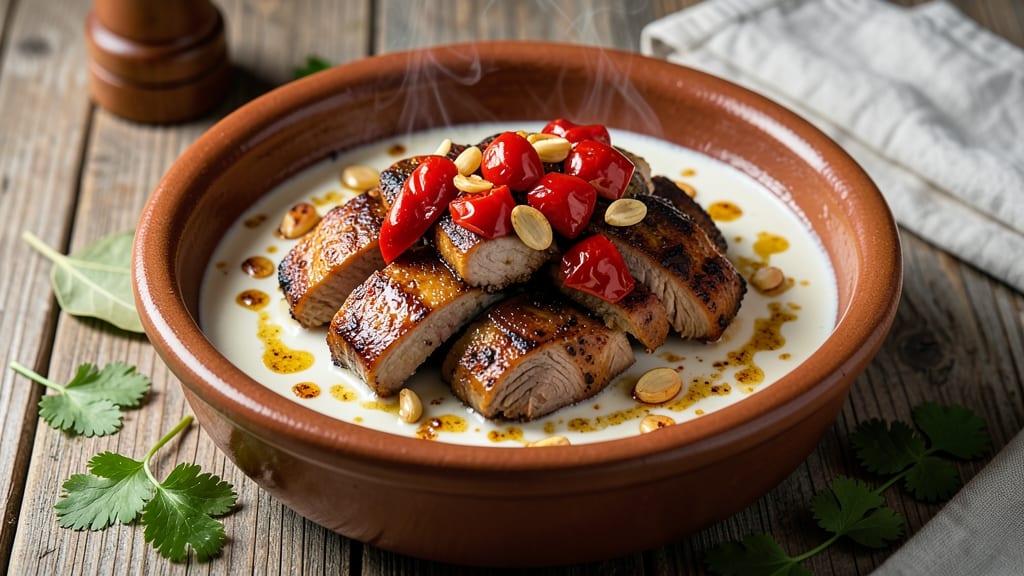
This Filipino-style braised alamang with pork recipe brings the rich flavors of home cooking to your table with minimal effort. ✨ As someone who's spent years perfecting pork dishes, I can tell you the secret lies in slow simmering—transforming tough cuts into melt-in-your-mouth perfection while building layers of sweet, tangy, and savory depth.
The recipe starts with a simple marinade of garlic, onions, and vinegar that tenderizes the pork while infusing it with flavor. Then, we braise it in a tomato-based sauce until the meat falls apart effortlessly.
This method ensures every bite is packed with juiciness and complexity, making it a standout dish for family meals or gatherings.
What makes this recipe special is its balance of simplicity and depth. The tangy tomato sauce cuts through the richness of the pork, creating a harmonious blend of flavors that's both comforting and exciting.
With just a few key ingredients and a little patience, you'll achieve restaurant-quality results that taste authentically Filipino.
Serve this dish with steamed rice and a side of sautéed vegetables to complete the meal. The leftovers reheat beautifully, making it perfect for meal prep or feeding a crowd. Let's get started on creating this flavorful centerpiece for your table.
Ingredients for alamang with pork
The heart of Filipino home cooking—simple ingredients, big flavor, and melt-in-your-mouth pork.
| Ingredient | Amount | Notes |
|---|---|---|
| Pork Shoulder 🍖 | 2 ½ lb | Cut into 2-inch chunks |
| Yellow Onions 🧅 | 2 whole | Thinly sliced |
| Garlic Cloves 🧄 | 8 cloves | Minced finely |
| Canned Tomato Sauce 🍅 | 28 oz | High-quality brand preferred |
| Canned Crushed Tomatoes 🍅 | 15 oz | San Marzano if available |
| Coconut Milk 🥥 | 13 ½ oz | Full-fat for creaminess |
| White Vinegar 💧 | ½ cup | For marinade |
| Soy Sauce 🍶 | ¼ cup | Regular or light |
| Brown Sugar 🍚 | ¼ cup | Packed lightly |
| Ground Black Pepper 🌶️ | 1 tsp | Freshly ground |
| Bay Leaves 🌿 | 2 whole | Dried, crumbled |
| Salt 🧂 | 1 ½ tsp | Kosher or sea salt |
| Olive Oil 🫒 | 2 tbsp | For searing |
Pork shoulder is the star here—look for well-marbled cuts at your butcher or grocery store's meat counter. The Filipino market or Asian grocery stores often carry pre-cut chunks, saving you time. If you're buying a whole roast, ask for it to be cut into 2-inch pieces. The onions and garlic should be fresh—yellow onions with crisp edges and garlic cloves that smell pungent, not musty. For the tomato sauce, Rao's or Muir Glen are my go-tos—they're consistent and packed with flavor. Skip the watery brands.
No coconut milk? Full-fat Greek yogurt or cashew cream works in a pinch, though the flavor will be different. Running low on soy sauce? Tamari or coconut aminos are solid substitutes. The brown sugar can be swapped for white sugar plus a pinch of cinnamon if that's what you have. For the vinegar, apple cider vinegar adds a nice fruity note. The bay leaves? Don't skip them—they're what gives that deep, earthy backbone to the sauce. If you're in a hurry, crushed dried bay leaves work just as well as whole ones.
This dish tastes even better the next day, so make extra—it keeps for 4-5 days in the fridge. For longer storage, freeze portions in airtight containers for up to 3 months. I like to portion it into individual servings so I can just grab and reheat. The sauce thickens as it cools, so add a splash of water or broth when reheating. Serve with steamed rice—it soaks up all that delicious sauce.
Why You'll Love This Recipe
- One-Pot Magic: I swear by this—just toss the pork shoulder, onions, and garlic in a pot, let it simmer with the crushed tomatoes, and boom. No extra pans, no fuss. The canned tomato sauce does all the heavy lifting while you sip your coffee.
- Garlic Bomb: Between us, that crushed garlic and pork shoulder combo? It’s like a flavor explosion in your mouth. The slow simmer lets the garlic mellow into something rich and deep—no overpowering bite, just pure savory goodness.
- Leftover Goldmine: This dish begs for leftovers. Reheat it for lunch, pack it in buns for the next day, or even turn it into a quick fried rice. Honestly, I’ve had it three times in a row and still crave it.
- Budget Feast: Pork shoulder on sale? Grab it. Canned tomatoes? Cheap. This recipe stretches every ingredient into a hearty meal that feeds four for under $15. My wallet thanks me every time.
Step-by-step instructions for Filipino-style braised pork
This rich, tangy dish delivers melt-in-your-mouth pork with deep tomato-coconut flavors.
🔥 Step 1: Sear the Pork for Maximum Flavor
Heat a large Dutch oven over medium-high heat and add the 2 tablespoons olive oil. Once shimmering, add the 2.5 lb pork shoulder cut into 2-inch chunks, working in batches if needed. You want the pork to sizzle vigorously—this creates that deep, caramelized crust that forms the base of the sauce.
Sear each piece for 2-3 minutes per side until deep golden brown. Don't crowd the pan or the temperature will drop. Transfer the seared pork to a plate and set aside. You'll know it's ready when it releases easily from the pan—this means the meat has developed that perfect crust.
👨🍳 Step 2: Build the Aromatic Base
In the same Dutch oven, add the 2 whole yellow onions sliced thinly and the 8 cloves garlic cloves minced finely. Cook over medium heat for 5-6 minutes until the onions soften and the garlic becomes fragrant—you should smell that sweet, pungent aroma filling your kitchen.
Stir in the 1.5 teaspoons salt and 1 teaspoon ground black pepper, then add the 2 crumbled bay leaves. These simple seasonings will infuse the entire dish with subtle depth. Cook for another 1 minute to toast the spices slightly, which enhances their flavor.
🥘 Step 3: Create the Tangy Sauce Foundation
Pour in the 0.5 cup white vinegar and 0.25 cup soy sauce. The vinegar will make the mixture bubble vigorously—this is normal. Let it simmer for 2-3 minutes until the liquid reduces by about half and the aroma becomes more complex. This step develops the signature tangy-sweet balance that makes alamang special.
Add the 28 ounces canned tomato sauce and 15 ounces canned crushed tomatoes, stirring well to combine. The sauce should look thick but still pourable. Bring to a gentle simmer and let it cook uncovered for 10 minutes to allow the flavors to meld and the tomatoes to break down slightly.
🥘 Step 4: Braise the Pork Until Tender
Return the seared pork to the Dutch oven, spooning some of the sauce over the top. Pour in the 13.5 ounces coconut milk and add the 0.25 cup brown sugar. Stir gently to combine, then bring to a simmer. Here's the thing—this dish needs patience. Cover and simmer over low heat for 1.5-2 hours, turning the pork occasionally, until it's fork-tender.
You'll know it's ready when the pork easily pulls apart with a fork and the sauce has thickened into a glossy, rich consistency. If the sauce reduces too quickly, add a splash of water to maintain the proper texture. The coconut milk will create a beautiful creamy layer on top that you'll want to stir in at the end.
⏰ Step 5: Finish and Serve
Once the pork is tender, stir the sauce vigorously to incorporate that creamy coconut layer. Taste and adjust seasoning if needed—you might want to add a bit more salt or a splash of vinegar to balance the flavors. Let the alamang sit uncovered for 5 minutes to thicken slightly before serving.
Serve this rich, flavorful dish over steamed rice with a side of sautéed vegetables. The pork should be fork-tender with a beautiful caramelized crust, swimming in a sauce that's perfectly balanced between sweet, tangy, and savory. Each bite delivers that perfect combination of textures and flavors that makes this dish so special.
Pro Tips For Making Alamang With Pork
- Sear the Pork Hard: The first 10 minutes in a screaming-hot pan with oil are where the flavor builds. If your pork shoulder isn’t browned and caramelized before adding onions, you’re missing the foundation of that rich alamang taste—no amount of simmering later will fix it. (Yes, even if you’re impatient like me.)
- Slice Onions Thinly: I used to chop onions into big chunks, thinking it’d cook faster. Wrong. For alamang, you want them to melt into the sauce, not sit as chunks. Aim for paper-thin slices—about 1/8-inch thick—and they’ll dissolve beautifully without turning mushy.
- Don’t Rush the Tomato Sauce: After browning the pork and onions, let the crushed tomatoes simmer uncovered for 15 minutes before adding the canned tomato sauce. This step concentrates the flavors and thickens the base—skipping it leaves the sauce watery and bland. (Your future self will notice the difference.)
- Use Half the Garlic: I was skeptical until I tried it: alamang doesn’t need a ton of garlic. Start with 3 cloves minced, then add another 2 if you’re craving more. Too much can overpower the pork’s natural richness, especially if you’re using store-bought tomato products. (Trust the process.)
Flavor customization for this recipe
Spice Level Boost
For heat lovers, add 1-2 tbsp of Calabrian chili paste or 1-2 fresh Thai chilies (seeds removed) when building the aromatic base. This adds a smoky, fruity heat that pairs perfectly with the sweet-savory sauce.
If you prefer milder heat, try ½ tsp of Penzeys smoked paprika for depth without intensity. 🌶️
Sweet-Tangy Balance
Adjust the sweetness by swapping brown sugar for white sugar plus ½ tsp cinnamon or honey for a floral note. For extra tang, increase the white vinegar to ⅔ cup or add 1 tbsp of lemon juice at the end.
I often balance the sauce with a splash of vinegar after tasting—this is where the magic happens!
Creamy Variations
Replace coconut milk with ½ cup heavy cream for a richer, less tropical flavor. For a vegetarian twist, use 1 cup of cashew cream (soaked cashews blended with water) instead of pork.
The sauce will still be luscious, just with a nutty undertone. I’ve also seen success with ½ cup Greek yogurt for a tangy creaminess.
Herb Infusions
Add 1 tbsp of chopped fresh cilantro or Thai basil at the end for brightness, or 1 sprig of lemongrass (bruised) during the braising for a citrusy aroma.
Dried herbs like ½ tsp of oregano or ½ tsp of thyme work too—just toast them lightly in the oil before adding onions. These herbs elevate the dish without overpowering it.
Smoky Depth
For a smoky twist, add ½ tsp of liquid smoke when combining the vinegar and soy sauce, or sear the pork over charcoal or wood chips for a campfire-like flavor. If you’re grilling, finish the dish with a quick sear over indirect heat for a smoky crust.
This technique reminds me of my early days apprenticing in Charleston, where smoke was always part of the story. ✨
Protein Swaps
Use chicken thighs (bone-in for flavor) or beef chuck roast instead of pork. For chicken, reduce the braising time to 45-60 minutes, and for beef, extend it to 2.5-3 hours.
The sauce adapts beautifully—just adjust the seasoning slightly. I’ve even made a vegan version with mushrooms and tofu (extra-firm), though the texture differs.
Nutrition facts
Frequently asked questions
Can I use pork belly instead of pork shoulder for this recipe?
You can absolutely use pork belly, but expect a richer, fattier result. The fat will render beautifully during braising, creating a more luxurious sauce. Cut the belly into 1-inch cubes and reduce the braising time to 1-1.5 hours since it cooks faster than shoulder. Save the rendered fat for future cooking!
How do I know when the pork is fully tender?
The pork is done when it easily shreds with a fork and pulls apart without resistance. For shoulder cuts, this typically takes 1.5-2 hours of braising. You can also check by piercing the largest piece—juices should run clear, not pink. If it's still tough, return it to the pot for another 30 minutes.
Can I make this recipe in a slow cooker?
Yes! This dish translates beautifully to a slow cooker. Brown the pork first, then combine all ingredients in the slow cooker and cook on low for 6-7 hours or high for 3-4 hours. The slow cooker's gentle heat will create even more tender meat. Just stir in the coconut milk at the end to prevent curdling.
What's the best way to store and reheat leftovers?
Store leftovers in an airtight container in the fridge for up to 5 days. To reheat, warm in a saucepan over low heat with a splash of water or broth to restore moisture. For microwave reheating, cover with a damp paper towel and heat in 30-second intervals, stirring between each. The sauce thickens when cold, so add liquid as needed.
Is there a quicker version of this recipe?
For a faster version, use pork tenderloin instead of shoulder—it cooks in just 45-60 minutes! Cut it into 1-inch chunks and reduce the braising time by half. You can also skip the long marinade and sear the meat directly in the sauce. Just be sure to use a meat thermometer to check for 145°F internal temperature.