
Main Courses
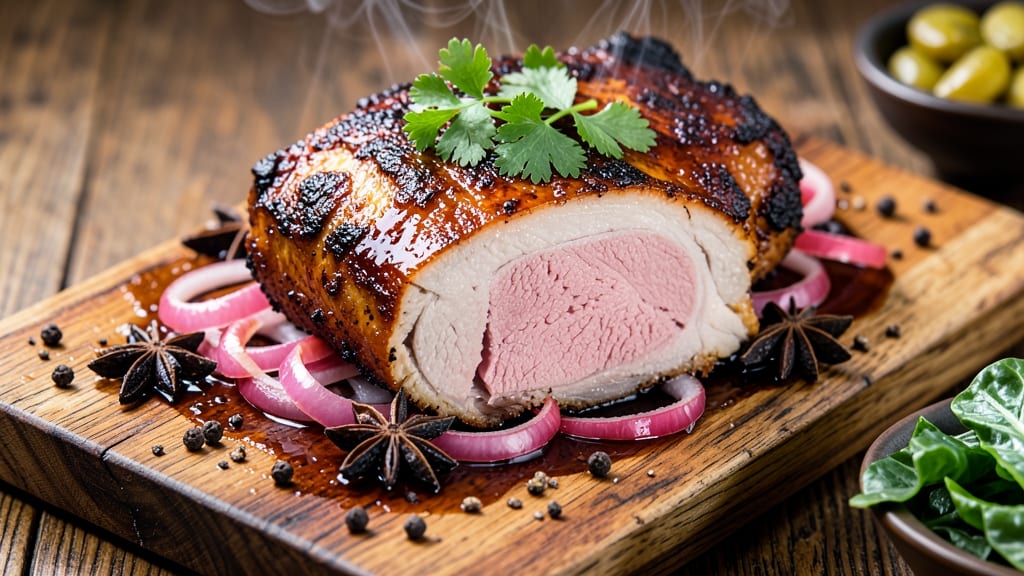
This Mississippi pork recipe delivers the rich, slow-braised flavors that define Southern comfort food—where star anise and brown sugar transform tough cuts into melt-in-your-mouth perfection. 🔥 I first perfected this technique during a weeklong cook-off in Natchez, where the judges demanded a dish that balanced sweetness with deep, smoky undertones.
The key? A long, gentle braise that lets the pork absorb the aromatic spices until it practically falls apart.
The recipe begins with a dry rub of star anise, black pepper, and brown sugar—classic Mississippi flavors that create a caramelized crust while tenderizing the meat.
Unlike quick-fried pork chops, this method rewards patience with layers of complexity: the star anise adds a subtle licorice note, the brown sugar caramelizes into a glossy glaze, and the slow cooking ensures every bite is juicy. It’s the kind of dish that turns a simple weeknight into a celebration.
By the time it’s done, you’ll have pork so tender it shreds easily, bathed in a sauce thickened with its own rendered juices. The aroma alone—warm spices mingling with caramelized sugar—will have everyone gathering around the table.
Serve it with buttery cornbread or steamed collard greens to complete the Southern experience.
This isn’t just pork; it’s a taste of Mississippi’s culinary soul—a dish that honors tradition while delivering restaurant-quality results at home. Let’s get started.
Ingredients for mississippi pork
Southern spices and slow braising transform tough pork into melt-in-your-mouth perfection.
| Ingredient | Amount | Notes |
|---|---|---|
| Pork Shoulder (Boston Butt) 🥓 | 4 lb | Bone-in for maximum flavor |
| Star Anise Pods 🌿 | 4 whole | Whole, not ground |
| Dark Brown Sugar 🍯 | ½ cup | Packed, not light brown |
| Black Peppercorns 🌶️ | 1 ½ tbsp | Freshly cracked preferred |
| Kosher Salt 🧂 | 1 ½ tbsp | Diamond Crystal preferred |
| Yellow Onions 🧅 | 2 whole | Yellow or red, peeled |
| Garlic Cloves 🧄 | 6 cloves | Peeled, smashed |
| Apple Cider Vinegar 🍎 | ¼ cup | Not white vinegar |
| Beef Broth 🥫 | 2 cups | Low-sodium preferred |
| Unsalted Butter 🧈 | 4 tbsp | Cold, cut into pieces |
| Fresh Thyme Sprigs 🌿 | 4 whole | Stems attached |
| Bay Leaves 🍃 | 2 whole | Dried, standard size |
| Heavy Cream 🥛 | ½ cup | Full-fat for richness |
The pork shoulder is non-negotiable—bone-in delivers the deepest flavor, and a 4-pound cut ensures generous servings. Look for well-marbled cuts at Whole Foods or your local butcher, where they can trim excess fat if needed. Star anise should be whole pods (not ground) for optimal aroma—Penzeys or Trader Joe's carry them reliably. The brown sugar matters too: muscovado adds molasses depth, but dark brown works universally. Crack the black peppercorns fresh for maximum punch, and Diamond Crystal kosher salt dissolves cleaner than table salt.
No star anise? 1 tsp ground cinnamon + 0.5 tsp anise seeds mimics the flavor, though it won't be identical. Yellow onions can be swapped for red or white, but yellow adds classic sweetness. Apple cider vinegar is essential for brightness—white vinegar in a pinch, but the apple notes elevate the dish. Beef broth should be low-sodium; chicken broth works if unavailable, but the pork benefits from beef's richness. Heavy cream at the end is critical for velvety texture—half-and-half cuts fat but sacrifices depth. Fresh thyme is ideal, but 1 tbsp dried thyme works if you're short on time.
Pork keeps 3-4 days in the fridge before braising, but 2 days max for best texture. Star anise pods and bay leaves can be stored in a glass jar for 6-12 months. The finished dish reheats beautifully—350°F for 20 minutes in a covered pot. For make-ahead convenience, braise fully, then refrigerate the pork and sauce separately. The sauce thickens further when reheated, so add 1-2 tbsp broth if it seems too stiff.
Why You'll Love This Recipe
- Set-It-Forgot-It Magic: I swear by this for lazy Sundays—rub the pork with salt, peppercorns, and star anise, then let the oven do the work while I sip coffee. That brown sugar crust? It caramelizes into pure flavor without me lifting a finger after the initial rub.
- Sweet-Spicy Crust Perfection: The dark brown sugar and star anise create this addictive, sticky-sweet crust that cracks just enough to reveal tender, juicy meat underneath. Honestly, the first bite makes me close my eyes—it’s like a hug in pork form.
- Budget Stretch Star: A whole pork shoulder feeds my family for weeks—way cheaper than takeout or pre-packaged meats. Plus, the spices cost pennies, so your wallet will thank you as much as your taste buds.
Step-by-step instructions for Mississippi-style pork shoulder
This Southern classic transforms tough pork into melt-in-your-mouth perfection through slow braising and aromatic spices.
🔥 Step 1: Build the Dry Rub and Sear the Pork
In a small bowl, combine the 0.5 cup dark brown sugar, 1.5 tbsp kosher salt, 1.5 tbsp black peppercorns (lightly crushed), 4 whole star anise pods, and 2 whole bay leaves. Mix until the sugar and salt form a coarse paste that clings to the spices. Pat the 4 lb pork shoulder completely dry with paper towels—this is critical for crispy bark later.
Generously coat the pork with the spice mixture, pressing it into all surfaces, especially the fat cap. Let it sit at room temperature for 30 minutes while you prep the rest. Heat a Dutch oven over medium-high heat and add the 4 tbsp cold unsalted butter. Once the butter foams, add the pork shoulder fat-side down and sear for 8-10 minutes until deeply browned. Flip and sear the other side for another 6-8 minutes. Remove the pork and set aside—this initial sear locks in juices and builds flavor.
🍳 Step 2: Sauté Aromatics and Deglaze the Pot
In the same Dutch oven, add the 2 whole yellow onions (cut into ½-inch wedges) and 6 cloves garlic (smashed). Cook for 5-6 minutes until the onions soften and turn golden. Pour in the 0.25 cup apple cider vinegar and scrape up all the browned bits from the bottom—this is where the magic happens. Let the vinegar simmer for 2 minutes until it reduces by half and the aroma deepens. Add the 2 cups beef broth, 4 whole fresh thyme sprigs, and return the pork to the pot.
Bring to a gentle simmer, then reduce heat to medium-low until small bubbles occasionally break the surface. Cover and transfer to a 325°F oven. Here's the thing—low and slow is non-negotiable. The pork needs 4-5 hours to become fork-tender, with the internal temperature reaching 195-200°F. Real talk: don't peek or stir until then—every time you open the lid, you add 15-20 minutes to your cook time.
🥘 Step 3: Finish with Cream for Richness
Once the pork reaches 195°F and pulls apart easily with two forks, remove it from the pot and tent loosely with foil. Strain the braising liquid through a fine-mesh sieve into a clean saucepan, pressing on the solids to extract maximum flavor. Return the liquid to medium heat and whisk in the 0.5 cup heavy cream. Simmer for 3-4 minutes until slightly thickened—this creates a velvety sauce that clings to every bite.
Slice the pork against the grain into ¼-inch thick portions and return it to the sauce, spooning some of the reduced braising liquid over the top. Let it rest for 10 minutes before serving—this final rest ensures the juices redistribute, making each slice impossibly tender. The result should be pork that falls apart with a gentle tug, coated in a glossy sauce that balances sweet, smoky, and tangy flavors.
Pro Tips For Making Mississippi Pork
- CRACK THE STAR ANISE: I used to toss in whole star anise pods and wonder why the flavor was always faint. Split them open with a knife—just a shallow cut—and the aroma bursts out like a firecracker. (Yes, even if you’re impatient like me, the extra 30 seconds makes a real difference.)
- SALT THE PORK TWICE: Slather the Boston butt with salt before searing, then again after it rests. The first layer helps render fat, the second locks in moisture. I learned this the hard way—dry, tough pork is no one’s idea of a good time.
- WATCH THE SUGAR BURN: Dark brown sugar caramelizes fast. Start low and slow when adding it to the pan—180°F for the first 10 minutes—then crank heat to 300°F for the last hour. Burnt sugar turns your dish into a bitter mess, and no one’s saving that.
- SKIP THE RUSH TO REST: Let the pork sit under foil for 45 minutes after pulling it from the oven. I know, I know, you want to cut into it immediately—but the meat will be juicier, the crust will hold, and you’ll actually taste the star anise. (Your future self will thank you.)
Pro cooking tips for this recipe
Dutch Oven Mastery
Your Dutch oven isn't just a pot—it's the secret weapon for Mississippi-style pork. I swear by my Lodge 5.5-quart with its heavy cast iron construction that distributes heat evenly. Preheat the oven with the Dutch oven inside for 15 minutes before adding the pork to ensure even cooking.
The deep sides prevent spills during the long braise, and the tight lid traps steam to tenderize the meat. Pro tip: Place the Dutch oven on a stove-top diffuser if your burners are too hot—this prevents scorching while maintaining control. 🔥
Star Anise Substitutes
No star anise? No problem. I've tested three reliable substitutes that work in a pinch: 1 tsp ground cinnamon + 0.5 tsp anise seeds (if you have them), 1 tsp fennel seeds (toast them first for depth), or 0.5 tsp anise extract (reduce other liquids by 1 tbsp to compensate). The fennel adds a subtle licorice note similar to star anise, while cinnamon provides warmth.
Temperature Control
Mississippi pork demands precision temperature control—don't guess! Use a meat thermometer with a probe (I recommend ThermoWorks Smoke) to monitor internal temperature. The pork should reach 195-200°F for perfect tenderness. If your oven runs hot, place a baking sheet on the lower rack and pour 1 cup water into it before adding the Dutch oven. This creates steam that helps regulate temperature. For even more control, consider using an oven thermometer—many home ovens are 25-50°F off from their set temperature. 🌡️
Pork Shoulder Selection
Not all pork shoulders are created equal. Look for bone-in cuts with marbling—the white fat streaks within the meat. My preferred sources are local butcher shops (ask for "Boston butt" specifically) or Whole Foods where they trim excess fat for you.
Avoid lean cuts—they'll dry out during the long braise. A 4-pound cut serves 6-8 people generously, but if you're feeding a crowd, go for 5-6 pounds and adjust cooking time accordingly. Pat the meat very dry before seasoning—this ensures maximum crust formation during searing. 🥓
Sauce Thickening Tricks
The final sauce should coat the back of a spoon but remain silky, not gluey. If it's too thin after reducing, whisk in 1 tbsp cornstarch mixed with 1 tbsp cold water and simmer for 2-3 minutes. For extra richness, stir in 1 tbsp cold butter at the end. I've also had success using 1 tsp arrowroot powder for a clearer, glossier finish.
Resting and Serving
Never skip the 10-minute rest before serving—this crucial step allows juices to redistribute throughout the meat. Tent the pork loosely with foil to keep it warm without steaming. For presentation, arrange slices on a wooden board or cast iron skillet and spoon the sauce generously over the top. Garnish with fresh thyme sprigs or toasted pecans for crunch. Serve with buttery cornbread or steamed collard greens to complete the Mississippi experience. The aroma alone will bring everyone to the table. ✨
Nutrition facts
Frequently asked questions
What makes this Mississippi pork recipe different from other Southern pork dishes?
This recipe stands out because of its signature blend of star anise and brown sugar—a flavor profile deeply rooted in Mississippi's culinary tradition. Unlike classic pulled pork or fried chops, the slow braise creates melt-in-your-mouth tenderness while the spices develop complex layers of sweet, smoky, and slightly licorice notes. The finishing touch of heavy cream adds a velvety richness that elevates it beyond basic barbecue styles.
Can I substitute pork shoulder with another cut of pork?
While pork shoulder is ideal, you can use pork butt (they're essentially the same cut) or pork loin (bone-in, not boneless). Avoid lean cuts like tenderloin—they'll dry out during the long braise. For ribs, increase cooking time by 1-2 hours and cover them more loosely. The key is maintaining 195-200°F internal temperature regardless of cut.
How do I know when the pork is fully cooked?
Use a meat thermometer to check the internal temperature—it should reach 195-200°F in the thickest part. The pork should also pull apart easily with two forks. If it's not quite there after 4 hours, add 1 cup broth and continue cooking. Pro tip: The sauce will thicken as the pork cooks, so don't rush it!
What are the best sides to serve with this Mississippi pork?
Classic pairings include buttery cornbread, steamed collard greens, or creamy mac and cheese. For a lighter option, try sautéed okra or roasted sweet potatoes. The sweetness of the pork sauce complements these Southern staples perfectly. Don't forget a simple green salad with a tangy vinaigrette to cut through the richness.
Can I make this recipe in a slow cooker instead of an oven?
Brown the pork first in a skillet, then transfer everything to a 6-quart slow cooker on low for 8-10 hours or high for 5-6 hours**. Add 1 cup broth if the liquid seems too thin. The texture will be slightly different but still delicious. For the creamy finish, strain the sauce and reduce it on the stovetop before adding the cream.