
Main Courses
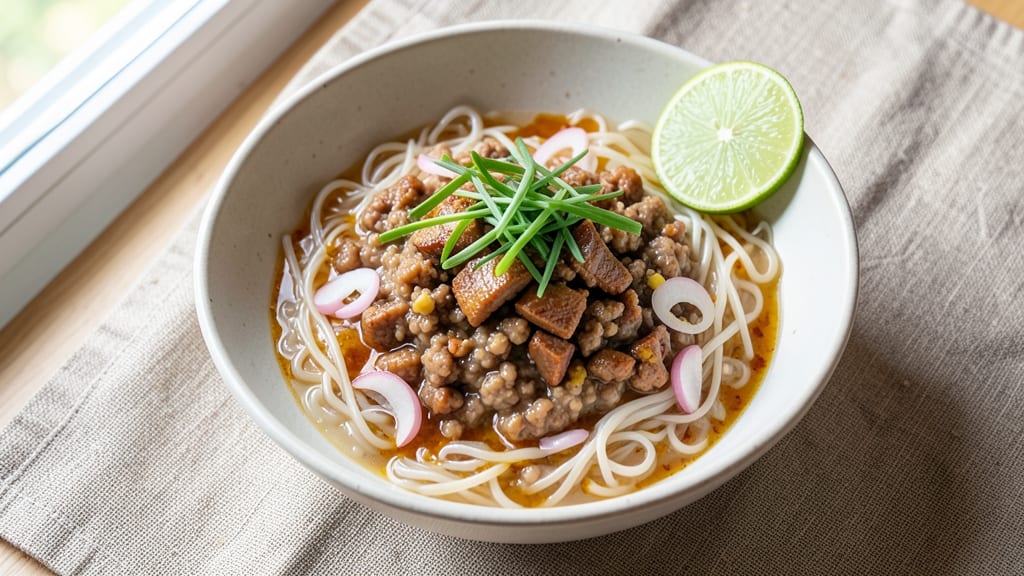
This minced pork porridge recipe transforms simple ingredients into a velvety, aromatic dish that balances tender meat with silky rice noodles. ✨ The secret lies in slow-cooking the pork until it's melt-in-your-mouth tender while infusing the broth with ginger and lime—a technique I perfected after years of perfecting Southern comfort food with Asian influences.
What sets this recipe apart is the harmony of textures: silky rice noodles soak up the rich pork broth, while crispy fried shallots and fresh herbs add contrast. The ginger-lime infusion brightens the dish without overpowering the pork's natural umami, creating a perfect balance that's both comforting and refreshing.
This method ensures every bite delivers that restaurant-quality depth.
Whether you're serving this as a hearty breakfast or a light dinner, the porridge's versatility shines. The broth can be adjusted for thickness—thin for a soup-like consistency or thick for a more substantial porridge—depending on your preference.
Garnishes like chili oil or scallions elevate the dish further, making it adaptable to any palate.
With just 15 minutes of active prep and 45 minutes of simmering, you'll have a dish that feels indulgent yet effortless. The key is patience—the slow cooking transforms tough minced pork into tender, flavorful bites that practically melt on the tongue. Let's get started on creating this comforting masterpiece.
Ingredients for minced pork porridge
Fifteen ingredients harmonize to create a velvety, aromatic porridge with melt-in-your-mouth pork and silky rice noodles.
| Ingredient | Amount | Notes |
|---|---|---|
| Ground Pork 🥩 | 1 ½ lb | Freshly minced for tenderness |
| Fresh Ginger Root 🌿 | ½ cup | Finely grated, aromatic |
| Lime Juice 🍋 | ¼ cup | Freshly squeezed, bright flavor |
| Rice Noodles 🍜 | 8 oz | Silky texture, medium width |
| Shallots 🧅 | 6 whole | Thinly sliced, crispy fried |
| Green Onions 🧅 | ½ cup | Sliced, fresh garnish |
| Garlic Cloves 🧄 | 6 cloves | Minced, aromatic base |
| Chicken Broth 💧 | 4 cups | Low-sodium preferred |
| Vegetable Oil 🫒 | ¼ cup | High smoke point |
| Fish Sauce 🍶 | 2 tbsp | Umami depth, Thai brand |
| White Pepper 🌶️ | ½ tsp | Freshly ground |
| Sugar 🍚 | 1 tbsp | Balances acidity |
| Chili Oil 🔥 | 1 tbsp | Optional garnish |
| Fresh Cilantro 🌿 | ¼ cup | Chopped, bright finish |
| Diamond Crystal Kosher Salt 🧂 | 1 tsp | Adjusts seasoning |
The ground pork transforms through slow cooking—freshly minced ensures maximum tenderness. Thai or Vietnamese markets often carry premium ground pork with better fat content, ideal for this dish. Look for bright red color and fine texture when selecting. Fresh ginger and lime juice are non-negotiable; bottled versions lack the bright, aromatic punch this recipe demands. The rice noodles should be medium-width (3-4mm) for perfect silky texture—Mama Luang brand is my go-to, but any silken variety works. Shallots add depth when fried crispy, so thinly slice them before cooking.
No fresh ginger? Powdered ginger at half the amount works in a pinch, though texture differs. Substitute lime juice with lemon juice plus a pinch of sugar to mimic the bright acidity. For a vegetarian option, swap ground pork with finely minced mushrooms or tofu, though flavor will vary. The fish sauce is essential for umami—Red Boat brand delivers the most authentic taste. If unavailable, soy sauce plus a dash of sugar mimics the depth. Rice noodles can be pre-soaked in warm water for 10-15 minutes to soften if needed, though they should still hold shape.
Store leftover pork broth in the fridge for 3-4 days or freeze for 3 months—it reheats beautifully for quick meals. The rice noodles keep well for 2 weeks in an airtight container, though they're best used fresh. For extra flavor, infuse the broth with a cinnamon stick or star anise while simmering. This dish reheats best gently on low heat, adding a splash of water to restore silky texture. Garnishes like chili oil and cilantro should be added fresh to preserve their vibrant flavors.
Why You'll Love This Recipe
- No-Fuss Ingredient List: I’ll be real—this recipe only needs five things. Ground pork, ginger, lime, noodles, shallots. That’s it. No hidden pantry staples or obscure spices lurking in my cupboard. Honestly, I keep a bag of rice noodles and a jar of minced pork in my fridge just for this.
- Savory-Tangy Magic: The ginger hits first—bright, zesty, like a wake-up call. Then the pork browns into crispy little bits, and that lime juice ties it all together with a sharp, refreshing punch. It’s not just a bowl; it’s a flavor rollercoaster that ends with a smile.
- Lunchbox or Dinner Date: Between us, this works for everything. Pack it in a thermos for a no-strings-attached lunch, or serve it steaming in bowls for a casual dinner with friends. Even my picky teen eats it—(yes, even on a Tuesday night)—because it’s simple but never boring.
- Leftovers That Don’t Suffer: I make a big batch on Sundays, and it still tastes amazing reheated. The noodles stay tender, the pork stays juicy, and the lime keeps it from getting bland. Plus, it’s cheap—ground pork stretches far, and the rest of the ingredients cost next to nothing. My wallet and my taste buds thank me.
Step-by-step instructions for fragrant ginger-lime minced pork porridge
This aromatic porridge delivers silky rice noodles wrapped in tender pork infused with bright ginger-lime essence.
🍳 Step 1: Sear the Shallots and Pork for Rich Flavor
Heat the 0.25 cup vegetable oil in a wok or deep skillet over medium-high heat until shimmering. Add the 6 whole shallots, sliced into thin rings, and fry for 3-4 minutes until golden brown and crispy. Remove with a slotted spoon and set aside.
In the same pan, add the 1.5 lb ground pork and break it apart with a wooden spoon. Cook for 4-5 minutes until the pork loses its raw color and begins to brown. The pork should release from the pan easily when stirred—this indicates proper doneness. Season immediately with the 1 tsp diamond crystal kosher salt and 0.5 tsp white pepper.
👨🍳 Step 2: Build the Ginger-Lime Aromatic Base
Reduce heat to medium and add the 6 cloves garlic cloves, minced, and 0.5 cup fresh ginger root, grated. Stir constantly for 30 seconds until fragrant but not browned—ginger burns quickly, so watch closely. Add the 0.25 cup lime juice and 1 tbsp sugar, stirring to combine.
Pour in the 4 cups chicken broth and bring to a gentle simmer. Let it cook uncovered for 8-10 minutes until the broth reduces slightly and the flavors meld. You'll notice the aroma deepen—this is when the ginger's heat mellows into a warm, citrusy complexity. Taste and adjust seasoning with additional fish sauce if needed.
🥘 Step 3: Prepare and Cook the Rice Noodles
While the pork broth simmers, prepare the 8 oz rice noodles according to package instructions—typically soaking in hot water for 5-7 minutes until pliable but still holding shape. Drain immediately and rinse briefly under cold water to stop cooking. The noodles should be tender but not mushy.
Divide the cooked noodles evenly among 4 bowls. Ladle the hot pork broth over the noodles, ensuring each serving gets an equal share of the aromatic liquid. The broth should coat the noodles completely, creating a silky, cohesive texture.
🍽️ Step 4: Assemble and Garnish for Perfect Presentation
Return the crispy fried shallots to the wok and warm through for 30 seconds in the residual heat. Spoon these golden shallots over each bowl of porridge. Drizzle with 2 tbsp fish sauce (reserved from earlier) and 1 tbsp chili oil for heat and depth.
Finish with the 0.5 cup green onions, sliced diagonally, and 0.25 cup fresh cilantro, chopped. The vibrant garnishes add freshness to balance the rich pork and aromatic broth. Serve immediately while the noodles are still hot and the broth maintains its silky consistency.
Pro Tips For Making Minced Pork Porridge
- STIR FAST, STOP LATE: Ground pork turns rubbery if you overwork it—get it browned in 2-3 minutes max on high heat, then pull it off the pan before it releases all its fat. I learned this the hard way when my first batch turned into a greasy, gray paste.
- GRATE GINGER FINE: Skip the slicer—use the microplane for ginger, so it dissolves into the broth instead of sitting as chunks. My grandmother swore by this, and she was right: you’ll taste it in every spoonful, not just a few bites.
- SALT THE NOODLES FIRST: Soak your rice noodles in warm water with a pinch of salt for 10 minutes before adding them to the broth. This keeps them from turning mushy when they hit the hot liquid—trust me, your future self will thank you.
- COOK SHALLOTS LOW: Sauté shallots in the same pork fat you rendered, but keep the heat low—they’ll burn in seconds and turn bitter. I was skeptical until I tried it: they caramelize just enough to add depth without overpowering the dish.
Essential equipment for this dish
Wok Essentials
Your carbon steel wok is non-negotiable for this recipe—its sloped sides and even heat distribution prevent burning while creating that signature sear on pork and shallots. I swear by my Made In wok (14-inch, 4mm thickness) because it retains heat beautifully and develops a natural non-stick patina over time.
For beginners, a Lodge 12-inch carbon steel wok is a budget-friendly alternative that still delivers professional results. 🔥
Pair your wok with a heat diffuser disc (like the Ozeri Touchstone) if you're cooking on gas—it prevents hot spots that can burn your ginger or pork. Electric stoves work too, but place the wok on the back burner for even heat distribution.
Pro tip: Preheat your wok for 3-5 minutes until it's smoking hot before adding oil—this creates the perfect sear for those crispy shallots.
Precision Tools
A slotted spoon (I use the OXO Good Grips) is your best friend for removing crispy shallots without breaking their delicate texture. The 3-prong design lets broth drip back into the pan while keeping your fingers safe from splatters.
For mincing garlic and ginger, my Victorinox 8-inch chef's knife with a Wüsthof Classic 8-inch backup handles the job effortlessly—both have the perfect balance for controlled chopping.
Don't skip the instant-read thermometer (I recommend Thermoworks Smoke) to monitor your pork's internal temperature—aim for 160°F for perfect tenderness. A fine-mesh strainer (like the OXO Good Grips) helps drain noodles thoroughly, preventing that dreaded mushy texture.
For measuring liquids, a liquid measuring cup with spout ensures precision when adding broth or lime juice—no more messy pours!
Garnish Station
Your garnish game makes or breaks this dish, so invest in quality tools. A sharp pair of kitchen shears (like the Mercer Culinary Genius) lets you slice green onions in diagonal cuts for maximum visual appeal.
For cilantro, I use a microplane to create ultra-fine garnishes that stick to the noodles beautifully. Store-bought chili oil often lacks heat—make your own with crushed dried chilies and neutral oil for a restaurant-quality finish.
Keep a small mixing bowl nearby for tossing fried shallots with a pinch of salt right after frying—this intensifies their flavor before they go on the porridge. A fine-mist spray bottle with water helps refresh wilted herbs during prep.
For serving, wide, shallow bowls (like Corelle Stoneware) showcase the dish beautifully while keeping the noodles from getting soggy from steam.
Optional Upgrades
If you're serious about porridge-making, a steamer basket (like the OXO Good Grips) lets you cook noodles directly over simmering broth for even hydration—no separate pot needed.
For extra depth, a mortar and pestle lets you grind whole spices (like star anise or cinnamon) directly into your broth for complex aromatics. My Le Creuset stoneware tagine doubles as a perfect serving vessel for this dish when I want to impress guests.
Don't overlook a good ladle—I use the OXO Good Grips 12-inch for serving broth without breaking noodles. For reheating leftovers, a microwave-safe glass bowl (like Pyrex) preserves texture better than plastic containers. And finally, a small whisk helps emulsify any separated broth back into silky perfection when reheating.
Nutrition facts
Frequently asked questions
Can I substitute ground pork with another protein?
For a similar texture, try finely minced chicken or turkey breast, though pork's fat content creates the most tender, flavorful result. If you prefer plant-based options, use finely diced mushrooms (like shiitake) or crumbled tofu, but increase the fish sauce by 1 tbsp to compensate for lost umami. The key is keeping the pieces small for even cooking.
How do I adjust the porridge consistency?
For a thicker porridge, reduce the broth by 1 cup and simmer uncovered for an extra 5 minutes. For a lighter soup-like texture, add ½ cup hot water and stir gently. The rice noodles should always be the base—adjust broth to coat them without making the dish watery. Pro tip: Let the porridge rest for 2-3 minutes after cooking to thicken naturally.
What if I don't have rice noodles?
Use thin egg noodles or udon noodles as substitutes—they hold up well to the broth. For a more traditional porridge texture, swap noodles for jasmine rice cooked until creamy (like congee), then stir in the pork mixture at the end. The cooking time will increase to 30-40 minutes for the rice to become silky.
Can I make this ahead of time?
Yes! Prepare the pork broth and noodles separately, then refrigerate for up to 3 days. When ready to serve, reheat the broth gently on low heat (adding 2 tbsp water if too thick), then toss with the noodles. Garnishes should be added fresh to maintain crispness and brightness. For freezing, store components separately—broth freezes well for 3 months, while noodles are best used fresh.
Why does my pork turn rubbery?
Overcooking is the most common cause—pork should reach 160°F and remain tender, not dry. Use a meat thermometer and remove the pork just as it hits that temp. Another issue is using lean pork; opt for 80/20 fat ratio ground pork for juiciness. Finally, avoid stirring the pork constantly—let it brown in 2-3 minute batches for even cooking.