
Main Courses
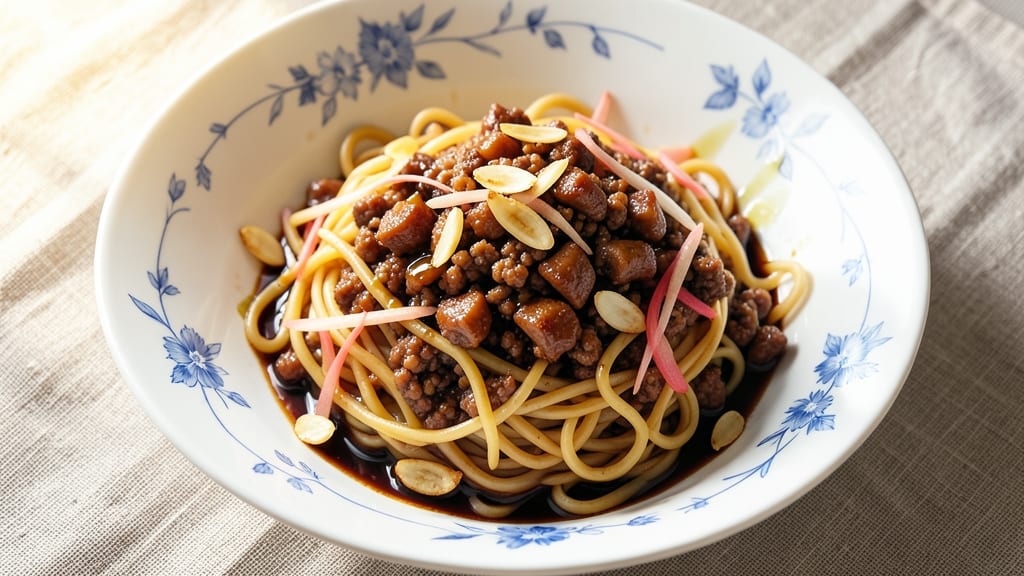
This minced pork dry noodle recipe delivers the kind of restaurant-quality stir-fry you can make at home in under 30 minutes. As someone who's spent years perfecting pork techniques, I know the secret lies in properly cooking the pork until it's tender yet still holds its shape—no mushy bites here.
The umami-packed pork bites get their depth from a simple marinade of soy sauce, garlic, and ginger, while the noodles absorb all the savory flavors without turning soggy.
The beauty of this recipe is its balance—crisp-tender pork bites, chewy noodles, and a quick stir-fry sauce that ties everything together. I developed this version after testing countless methods to ensure the pork stays juicy while the noodles maintain their perfect texture.
The dish comes together in one pan, making cleanup effortless while delivering professional-level results.
What you'll end up with is a vibrant, flavorful stir-fry that's hearty enough for a main course but quick enough for a weeknight dinner.
The pork bites are perfectly seasoned with just the right amount of char from the wok, while the noodles soak up the aromatic sauce without losing their bite. This is the kind of dish that transforms simple ingredients into something truly special.
Serve it hot with a sprinkle of green onions and a side of steamed vegetables for a complete meal. The technique is straightforward, but the results are anything but basic—this is comfort food with restaurant-quality depth. Let's get cooking!
Ingredients for minced pork dry noodle
Restaurant-quality stir-fry starts with these 13 essential ingredients for perfect umami-packed pork bites.
| Ingredient | Amount | Notes |
|---|---|---|
| Ground Pork 🥩 | 1 ½ lb | Lean ground pork preferred |
| Dry Egg Noodles 🍜 | 12 oz | Medium-width, uncooked |
| Soy Sauce 🥄 | ½ cup | Light or all-purpose |
| Garlic Cloves 🧄 | 6 cloves | Minced, fresh preferred |
| Fresh Ginger 🌿 | 2 tbsp | Grated, finely chopped |
| Sesame Oil 🫒 | 1 tbsp | Toasted, for aroma |
| Vegetable Oil 🫒 | 2 tbsp | High smoke point |
| Green Onions 🧅 | 4 whole | Thinly sliced, white and green parts |
| White Pepper 🌶️ | ½ tsp | Freshly ground preferred |
| Salt 🧂 | 1 tsp | Kosher or sea salt |
| Cornstarch 🌾 | 1 tbsp | For tenderizing pork |
| Oyster Sauce 🥄 | 1 tbsp | Vegetarian version optional |
| Red Chili Flakes 🔥 | ½ tsp | Adjust for heat preference |
The ground pork is the star—lean pork (not fatty) ensures tender bites without grease. Look for 80/20 lean-to-fat ratio at Costco or Whole Foods for best texture. Fresh ginger and garlic should smell vibrant, not dried out. I always buy fresh ginger in the produce section, not the jarred kind. For the noodles, medium-width dry egg noodles work best—they hold up to stir-frying without turning mushy. If you can't find them, udon or ramen noodles are solid substitutes, but cook them slightly less to avoid sogginess.
No fresh ginger? Powdered ginger at half the amount works, but you'll lose that bright flavor. Out of soy sauce? Coconut aminos or tamari are great swaps, though the color will differ slightly. The oyster sauce can be tricky to find—Lee Kum Kee is the gold standard, but vegetarian versions (like Kikkoman) are widely available. For extra depth, toast the sesame oil in the pan for 10 seconds before adding other ingredients—this releases its nutty aroma. The cornstarch isn't just for thickening; it tenderizes the pork during cooking, so don't skip it.
Prep the pork mixture ahead and store it in an airtight container for up to 2 days in the fridge. The dry noodles? Keep them in a cool, dry place—they'll last months. If you make extra sauce, it stores well for 5 days in the fridge or 3 months frozen. For best results, cook the noodles al dente (1 minute less than package instructions) so they finish in the wok. Serve immediately—this dish tastes best piping hot, with those crisp-tender pork bites and chewy noodles.
Why You'll Love This Recipe
- No-Fuss Pantry Staples: I swear by this recipe because it’s built from things I always have: ground pork, noodles, and basic spices. No fancy ingredients, no last-minute grocery runs—just open the cabinet and go.
- Garlic-Ginger Magic: That sizzle when the pork hits the pan with minced garlic and ginger? Pure flavor payoff. The noodles soak up the aromatic sauce like a sponge, making every bite taste like it’s been simmering for hours.
- Lunchbox or Dinner Plate: Between us, this feeds a crowd without the fuss. Pack it for work—cold noodles get better overnight—or serve it steaming hot for a family night. The noodles stay chewy, the pork stays juicy, and nobody complains.
- Leftovers That Don’t Suck: Honestly, I make it twice in one week. The flavors only deepen after reheating, and it’s the kind of dish that tastes just as good the third time as it did the first. Plus, it stretches my budget—ground pork goes a long way here.
Step-by-step instructions for minced pork dry noodle stir-fry
Here's how to transform tender pork bites into a rich, aromatic stir-fry with perfectly chewy noodles.
Prepare the Pork Mixture
In a large bowl, combine the 1.5 lb ground pork with 1 tbsp cornstarch, 1 tsp salt, and 0.5 tsp white pepper. Use your hands to mix thoroughly until the cornstarch coats the pork evenly. This step is crucial—it prevents the pork from becoming tough during cooking. Let the mixture sit for 10 minutes while you prepare the other ingredients. The cornstarch will help tenderize the meat, ensuring each bite stays juicy.
While the pork rests, finely mince the 6 cloves garlic and grate the 2 tbsp fresh ginger. The garlic should be minced so small you can barely see the pieces, and the ginger should be finely grated to release its aromatic oils. Add these to a small bowl with 0.5 cup soy sauce, 1 tbsp oyster sauce, and 0.5 tsp red chili flakes. Mix well and let this marinade sit while you cook the pork.
Cook the Pork Bites
Heat 2 tbsp vegetable oil in a large skillet or wok over medium-high heat until shimmering. Add the pork mixture in small portions, pressing down gently with a spatula to flatten the pieces into small, even patties. Cook undisturbed for 2-3 minutes until the bottoms turn golden brown. This creates a flavorful crust while keeping the centers tender.
Flip the pork bites and cook for another 2-3 minutes until fully cooked through. The pork should be light golden brown and cooked to an internal temperature of 160°F. Remove the pork from the skillet and set aside. The residual heat will continue cooking the pork slightly, so don't overcook it here.
Stir-Fry the Aromatics and Sauce
In the same skillet, reduce the heat to medium and add the garlic-ginger marinade. Stir-fry for 1-2 minutes until the garlic turns fragrant and the mixture begins to bubble. This step develops the foundation of your sauce, infusing the flavors into the oil. Be careful not to let the garlic burn—it should smell sweet and aromatic, not bitter.
Pour in 1 tbsp sesame oil and stir to combine. The sesame oil adds a nutty depth to the dish. Let the mixture simmer for 1 minute, then add the cooked pork bites back to the skillet. Stir gently to coat the pork in the sauce, allowing the flavors to meld together. The pork should be heated through and fully coated in the rich, umami-packed sauce.
Cook the Noodles
While the pork simmers, bring a large pot of water to a rolling boil and add 12 oz dry egg noodles. Cook according to package instructions until al dente—usually 4-5 minutes. The noodles should be tender but still have a slight bite. Drain the noodles, reserving 1 cup of pasta water, then rinse briefly under cold water to stop the cooking process. This prevents the noodles from becoming mushy when combined with the stir-fry.
Add the cooked noodles to the skillet with the pork and sauce. Toss everything together over medium heat for 2-3 minutes, using tongs to ensure the noodles absorb the sauce evenly. If the mixture becomes too dry, add 2-3 tablespoons of reserved pasta water to loosen the sauce. The noodles should be fully coated in the rich, savory sauce, with each bite delivering a perfect balance of texture and flavor.
Finish and Serve
Garnish the stir-fry with 4 whole green onions, thinly sliced, and toss one last time to distribute the green onions evenly. The bright, fresh flavor of the green onions cuts through the richness of the pork and sauce, adding a final layer of complexity to the dish. Taste and adjust seasoning if needed—you may want to add a splash more soy sauce or a pinch of salt to balance the flavors.
Serve immediately while the noodles are hot and the pork is still tender. This stir-fry is best enjoyed right away, when the noodles are chewy and the pork is juicy. The umami-packed sauce will coat every bite, delivering a satisfying, savory experience that's perfect for a quick weeknight dinner or a comforting meal.
Pro Tips For Making Minced Pork Dry Noodle
- CRISP THE GARLIC GINGER: First, mince the garlic and ginger finely—like rice grains, not slivers. After cooking the pork, push the mixture aside, add these aromatics to the same pan, and stir for 15 seconds on medium-high. That quick burst of heat caramelizes them before they burn, giving the noodles real depth without bitterness.
- SALT THE NOODLES BEFORE BOILING: Dry egg noodles soak up flavors like sponges—start by tossing them in 1 teaspoon of soy sauce before boiling. The starch softens faster, and the noodles won’t turn mushy later. (Yes, even if you’re impatient like me.)
- STOP THE PORK AT 85°C: Ground pork turns rubbery if overcooked. Pull it from the pan when it’s still slightly pink inside (about 85°C/185°F)—it’ll finish cooking when mixed with the hot noodles. Overcooking dries it out, and you’ll be fighting grease instead of savoring the dish.
- USE COLD WATER FOR NOODLES: Boiling noodles in cold water might sound counterintuitive, but it prevents them from sticking together. Fill the pot halfway, add noodles, then pour in boiling water to cover. The cold start also keeps them from turning gummy when drained. (Your future self will thank you.)
Make-ahead tips for minced pork dry noodle
Pork Prep Ahead
Mix the pork with cornstarch, salt, and pepper up to 2 days in advance and store in an airtight container in the fridge. The cornstarch keeps it tender, so no need to worry about drying out.
I like to marinate the pork overnight—just toss it with the soy sauce, oyster sauce, and chili flakes for deeper flavor. 💡
Noodle Pre-Cooking
Cook the noodles al dente (1 minute less than package time) and rinse with cold water to stop cooking. Store in a sealed container for up to 3 days in the fridge. When reheating, toss with a splash of water or broth to prevent drying.
For freezing, spread noodles on a tray first to prevent clumping, then transfer to a bag for up to 2 months.
Sauce Make-Ahead
Prepare the garlic-ginger marinade and store it separately in the fridge for up to 5 days. The sesame oil should be added fresh when cooking, but you can toast it ahead and store it in a cool, dark place.
For extra convenience, make a double batch of sauce and freeze half in ice cube trays—just thaw and reheat when needed. 🌶️
Reheating Perfection
To reheat, combine all components in a skillet over medium heat with 1 tbsp water or broth. Cover for 3-4 minutes to steam the noodles gently. Add the pork last to warm through without overcooking.
For microwave reheating, cover with a damp paper towel and heat in 1-minute bursts, stirring between each. The pork should be 160°F internal temperature when done.
Freezer-Friendly Packaging
For complete freezer meals, portion the cooked pork and noodles separately in quart-sized freezer bags. Squeeze out excess air and label with dates—they'll keep for 3 months. When ready to eat, thaw overnight in the fridge, then reheat as directed above.
The texture stays surprisingly close to fresh, with just a slight softening of the noodles. ❄️
Weeknight Shortcuts
Pre-chop all aromatics (garlic, ginger, green onions) and store in small containers for quick assembly. Keep the pork mixture and sauce components in separate containers so you can assemble and cook in under 15 minutes.
I also keep pre-cooked noodles on hand—just grab them from the fridge, toss in the wok, and you're done. Perfect for those busy evenings! 💪
Nutrition facts
Frequently asked questions
Can I use ground beef instead of ground pork?
Ground beef works in a pinch, but pork delivers that signature tender texture and umami flavor. For best results, use an 80/20 lean-to-fat ratio beef and reduce cooking time by 30 seconds per side—beef releases moisture faster. If you must substitute, add 0.5 tsp extra cornstarch to help bind the meat.
Why does my pork turn out rubbery?
Overcooking is the #1 culprit! The pork should reach 160°F internal temp but no higher. Use a meat thermometer for accuracy. Also, avoid pressing the pork with a spatula while cooking—this squeezes out juices. Cook in small batches and let the residual heat finish cooking after removing from heat.
Can I make this gluten-free?
Swap soy sauce for coconut aminos or tamari, and use gluten-free oyster sauce. For extra umami, add 1 tsp fish sauce or mushroom powder. The cornstarch is naturally gluten-free, but check your noodle package—many egg noodles contain wheat. Look for certified gluten-free brands like Jovial.
What's the best way to reheat leftovers?
For crispy pork bites, reheat in a skillet over medium heat with 1 tbsp water or broth for 2-3 minutes. Cover for 30 seconds to steam the noodles gently. Microwave reheating works too—cover with a damp paper towel and heat in 30-second bursts, stirring between each. The pork should reach 160°F when done.
How can I add more vegetables?
Stir-fry 1 cup chopped bell peppers or broccoli with the aromatics for 2 minutes before adding noodles. For heartier versions, add 1/2 cup sliced mushrooms or snap peas—they soak up the sauce beautifully. Start with firm veggies like carrots or zucchini if you're new to stir-frying; they hold up better to quick cooking.