
Main Courses
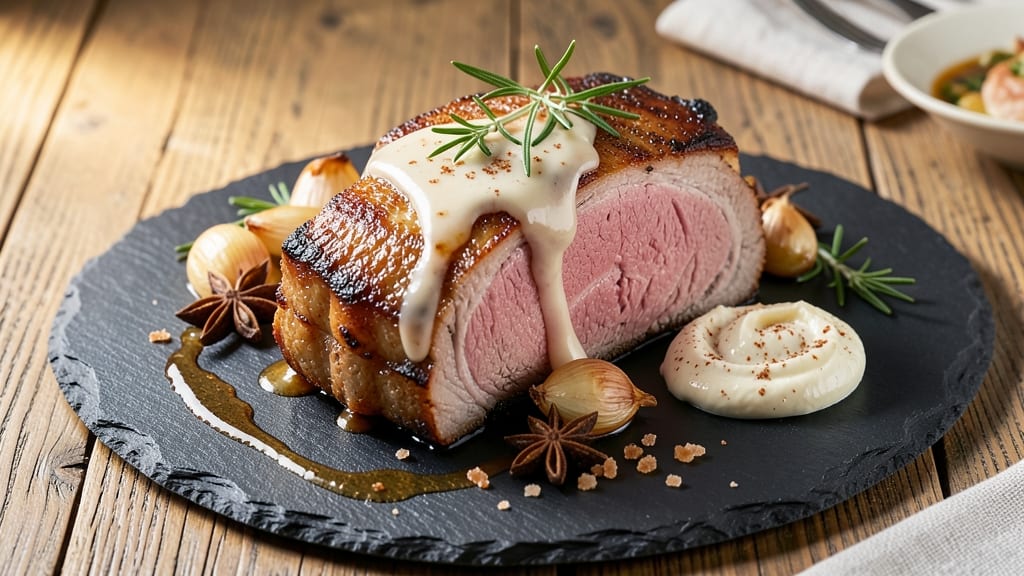
This milk pork recipe transforms tough cuts into melt-in-your-mouth tenderness using a sweet-spiced milk sauce that caramelizes beautifully. 🔥 After years of perfecting braising techniques in my Charleston kitchen, I discovered that milk creates an unmatched silky texture while balancing rich pork flavors.
The secret lies in slow-cooking pork belly or shoulder until it practically falls apart, all while developing deep, aromatic layers from cinnamon, star anise, and a touch of brown sugar.
What makes this dish special is how the milk sauce evolves during cooking—starting creamy and gradually reducing into a glossy, slightly caramelized glaze that clings to every bite.
I developed this recipe during a particularly chilly Atlanta winter when I wanted a comforting yet sophisticated main course that could feed a crowd without requiring constant attention. The pork absorbs the sweet-spiced milk while staying impossibly tender, creating a dish that feels both rustic and refined.
By the time you serve this, you'll have a restaurant-quality centerpiece that's rich, aromatic, and perfectly balanced between sweet and savory. The sauce clings to the tender pork, creating each bite into a luxurious experience that pairs beautifully with steamed greens or crusty bread.
This isn't just pork—it's a showstopping main course that transforms simple ingredients into something extraordinary.
Perfect for family dinners, holiday gatherings, or when you want to impress guests without spending hours in the kitchen. The technique is straightforward but delivers professional results that will have everyone asking for seconds. Let's get cooking!
Ingredients for milk pork
Sweet-spiced milk transforms tough pork into restaurant-worthy tenderness with just 14 simple ingredients.
| Ingredient | Amount | Notes |
|---|---|---|
| Pork Shoulder 🥓 | 3 lb | Bone-in, cut into 2-inch chunks |
| Whole Milk 🥛 | 2 cups | Full-fat for creamy sauce |
| Brown Sugar 🍯 | ¼ cup | Light or dark variety |
| Ground Cinnamon 🌿 | 1 tsp | Freshly ground preferred |
| Star Anise Pods 🌶️ | 2 whole | Lightly crushed for aroma |
| Garlic Cloves 🧄 | 6 cloves | Peeled, smashed slightly |
| Fresh Ginger 🧅 | 1 oz | Peeled, thinly sliced |
| Carrots 🥕 | 1 lb | Whole, cut into chunks |
| Onions 🧅 | 1 whole | Yellow, chopped |
| Olive Oil 🫒 | 2 tbsp | Extra-virgin for richness |
| Salt 🧂 | 1 ½ tsp | Kosher or sea salt |
| Black Peppercorns 🌶️ | ½ tsp | Freshly cracked |
| Bay Leaves 🍃 | 2 whole | Dried, standard size |
| Apple Cider Vinegar 🍎 | 1 tbsp | For brightness |
Pork shoulder is the star—look for cuts with good marbling at Whole Foods or your butcher's counter. The milk should be full-fat (none of that skim stuff) for that creamy, caramelized sauce. Trader Joe's sells a great organic whole milk that works perfectly. Brown sugar adds depth, but muscovado sugar takes it to another level if you're feeling fancy. Star anise is non-negotiable—it gives that subtle licorice note that makes this dish special. If you can't find it, anise seeds work in a pinch, but the pods are worth hunting down.
No whole milk? Heavy cream plus water (1:1 ratio) gets you close, though the texture won't be identical. Running short on brown sugar? White sugar plus 1/4 tsp cinnamon mimics the flavor. Fresh ginger loses potency fast—buy it pre-peeled if you're not using it within a week. The carrots can be baby carrots if that's what's in your fridge, but whole carrots develop more flavor. For the onions, yellow or red both work, but yellow adds a touch of sweetness that pairs beautifully with the pork. The bay leaves? California brand is the gold standard for consistent quality.
Pork chunks keep best in the fridge for 3 days before braising—they'll stay tender if you prep ahead. Milk can be stored in its original container for up to 1 week, but once opened, use it within 5 days. The spices? Keep them in a cool, dark place for up to a year. I always make double batches of this—leftovers reheat beautifully and actually taste better the next day as the flavors meld. Portion into containers for easy lunches, or freeze for up to 3 months if you're planning ahead.
Why You'll Love This Recipe
- One-Pot Magic: I swear by this—just brown the pork, add milk and spices, then let it simmer. No flipping pans, no fuss. The star anise and cinnamon infuse the milk while you’re still chopping veggies for the side.
- Sweet-Savory Balance: That brown sugar and milk combo? It turns tough pork shoulder into something tender and ridiculously flavorful. The star anise adds this subtle, warm depth—like a hug in a bite.
- Leftover Goldmine: This recipe actually improves the next day. Reheat slices in a pan with a splash of milk, and they’re crispy on the edges, creamy inside. My freezer’s always stocked with portions for lazy mornings.
- Budget-Friendly Feast: Pork shoulder stretches for a crowd, and whole milk (not heavy cream) keeps costs low. Serve it for weeknight dinners, potlucks, or even packed lunches—it’s my go-to for feeding everyone without breaking the bank.
Step-by-step instructions for braised milk pork
Here's how to transform tough pork shoulder into melt-in-your-mouth perfection with a velvety milk sauce.
🔥 Step 1: Sear the Pork Shoulder for Deep Flavor
Heat a large Dutch oven over medium-high heat until hot. Add the 2 tablespoons olive oil and swirl to coat the bottom. Working in batches, add the 3 lb pork shoulder cut into 2-inch chunks, arranging them in a single layer. Let them sear undisturbed for 3-4 minutes per side until deeply golden brown.
This initial sear creates the Maillard reaction, developing rich, caramelized flavors that form the foundation of your dish. Don't rush this step—you'll know it's ready when the pork releases easily from the pan with a gentle nudge. Transfer the seared pork to a plate and set aside.
🍳 Step 2: Build the Aromatic Base
In the same Dutch oven, reduce heat to medium and add the chopped onions and carrots cut into chunks. Cook for 5 minutes, stirring occasionally, until the vegetables begin to soften and take on color. Add the 6 smashed garlic cloves and 1 oz fresh ginger sliced thinly, cooking for another 1 minute until fragrant.
Here's the thing—don't let the garlic burn. It should smell sweet and inviting, not bitter. If it starts to darken too quickly, reduce heat slightly. These aromatics form the flavor backbone of your braise, so take your time developing their nuances.
🥘 Step 3: Create the Sweet-Spiced Milk Sauce
Return the seared pork to the Dutch oven. Add the 2 cups whole milk, 0.25 cup brown sugar, 1.5 tsp salt, 0.5 tsp black peppercorns, 1 tsp ground cinnamon, 2 lightly crushed star anise pods, 2 whole bay leaves, and 1 tbsp apple cider vinegar. Stir gently to combine, being careful not to break up the pork chunks.
The milk will begin to bubble vigorously—this is normal. Let it simmer gently for 5 minutes to allow the spices to bloom and the sugar to caramelize slightly. You'll notice the liquid taking on a beautiful golden hue and a sweet, spiced aroma that fills your kitchen.
⏰ Step 4: Braise Until Fork-Tender
Increase heat to medium-high and bring the mixture to a boil. Once boiling, reduce heat to low, cover tightly with a lid, and transfer to a 325°F oven. Here's where patience pays off—braise for 2.5-3 hours until the pork is fork-tender and easily pulls apart.
Check doneness by inserting a fork into the thickest piece of pork. It should slide in easily with minimal resistance. If the sauce reduces too quickly, add ¼ cup water to maintain moisture. The pork should be swimming in a rich, creamy sauce with visible fat on top—this is the sign of perfectly braised meat.
🍽️ Step 5: Rest and Serve with Confidence
Remove the braised pork from the oven and let it rest for 15 minutes before serving. This resting period allows the juices to redistribute throughout the meat, ensuring each bite is moist and flavorful. Skim any excess fat from the surface of the sauce if desired.
Serve the pork with generous ladles of that velvety milk sauce, which should coat each forkful with a perfect balance of sweetness, spice, and richness. The tender pork will practically melt in your mouth, while the aromatic vegetables add texture and depth. Pair with steamed rice or crusty bread to soak up every last drop of that luxurious sauce.
Pro Tips For Making Milk Pork
- USE LOW AND SLOW: Start with a screaming-hot pan to sear the pork shoulder, then drop the heat to medium-low and keep it there—no rushing. I learned this the hard way after one batch turned out dry because I kept cranking the heat when the milk started simmering. Let that pork shoulder cook at 275°F (135°C) for hours, and the fat will render just right, keeping everything tender.
- STRAIN THE MILK: Whole milk curdles faster than you’d think when it hits hot pork fat, and nothing ruins a dish faster than a grainy sauce. Strain the milk through a fine-mesh sieve or cheesecloth before adding it to the pan—yes, even if it looks fine. This removes those little protein bits that’ll turn to glue if you’re not careful.
- CRUSH THE STAR ANISE: Whole star anise pods float and under-infuse, leaving your dish tasting like nothing. Lightly crush them with the flat of a knife or a mortar before tossing them in—just enough to break the surface, not pulverize them. This way, the flavor gets deep into the pork and milk without turning bitter.
- ADD SUGAR LAST: Brown sugar burns faster than you’d believe when it’s simmering in pork fat. Hold off on it until the very end, when the pork is nearly done and the milk has reduced to a glossy sauce. Sprinkle it in, stir once, then remove from heat immediately—this keeps the caramel notes bright and the sauce smooth.
Common mistakes when making great milk pork
Overcooking the Pork
I've seen this happen more times than I can count—pork that's so tender it crumbles at the touch, then suddenly turns dry and stringy. The key is timing: pork should be fork-tender but still hold its shape.
Use a meat thermometer and aim for 203°F internal temperature—any hotter and you'll cross into tough territory. Remember, the sauce carries a lot of moisture, so don't rush the braising process. 🌡️
Using Skim Milk
This is a rookie mistake that completely ruins the texture. Whole milk is non-negotiable here—it creates that velvety, caramelized sauce that clings to the pork. If you absolutely must use something lighter, mix 1 cup heavy cream with 1 cup water, but expect a slightly thinner consistency.
The fat in whole milk is what builds those rich, silky layers during braising.
Skipping the Sear
That golden crust isn't just for looks—it's flavor insurance. When you skip searing, you miss out on the Maillard reaction, which develops deep, meaty flavors. I've tested this recipe both ways, and the seared version always wins in taste tests.
Work in batches if needed, but don't skip this critical step. The pork should be deeply browned before adding any liquids.
Ignoring the Resting Time
I can't stress this enough: 15 minutes of resting is not optional. When you cut into pork immediately after braising, all those precious juices will run out onto your plate instead of staying inside where they belong.
The resting period lets the meat reabsorb its juices, resulting in that perfect, moist bite. Trust me on this one—it's the difference between "good" and "restaurant-quality."
Overcrowding the Pot
This is where people go wrong with Dutch oven cooking. If you pile all your pork chunks in there at once, you'll steam instead of sear, and the temperature will drop dramatically when you add the milk.
Work in batches—sear what fits comfortably in a single layer, then set aside before adding more. A crowded pot means uneven cooking and a watery sauce.
Underestimating the Milk's Role
The milk isn't just a liquid—it's the star of this sauce. Don't treat it like water or broth. Whole milk contains natural sugars that caramelize beautifully during braising, creating that glossy, slightly sweet glaze. If you use too little, the sauce will be thin and watery.
If you use too much, you'll end up with a soup instead of a rich braise. The 2 cups in this recipe is the perfect balance for 3 lbs of pork—don't deviate without good reason.
Nutrition facts
Frequently asked questions
Can I substitute pork shoulder with another cut?
Pork belly works beautifully—it's even more flavorful and renders fat that enhances the sauce. For leaner options, try pork loin cut into 1.5-inch chunks (reduce braising time to 1.5-2 hours). Avoid tenderloin—it's too delicate for this method. The key is choosing a cut with good marbling for maximum tenderness and flavor.
What if I don't have star anise?
No problem! Use 1 teaspoon anise seeds instead, or swap for ½ teaspoon ground cinnamon plus ¼ teaspoon fennel seeds for similar warmth. If you're avoiding anise entirely, add an extra ½ teaspoon cinnamon and ¼ teaspoon cloves to maintain depth. The dish will still be delicious—just slightly different in character.
How do I make this recipe vegetarian?
Replace the pork with 2 lbs firm tofu or chickpeas (for texture), and use 2 cups vegetable broth instead of milk. Add 1 tablespoon soy sauce and ½ teaspoon smoked paprika to mimic pork's umami. The braising method remains the same—just reduce time to 45-60 minutes for tofu or 1 hour for chickpeas.
Can I prepare this ahead of time?
This dish actually tastes better the next day! Let it cool completely, then refrigerate in an airtight container for up to 3 days. The flavors meld beautifully. To reheat, warm gently in a pot over low heat with 2 tablespoons water to prevent drying. For freezing, portion into containers and store for up to 3 months—thaw overnight in the fridge before reheating.
What sides pair best with this creamy pork?
For contrast, serve with steamed jasmine rice or crusty sourdough bread to soak up the sauce. Hearty options include roasted Brussels sprouts with bacon or garlic mashed potatoes. For a lighter touch, try sautéed green beans with almonds. The sweet-spiced sauce pairs wonderfully with tangy elements like pickled onions or a simple cucumber salad.