
Main Courses
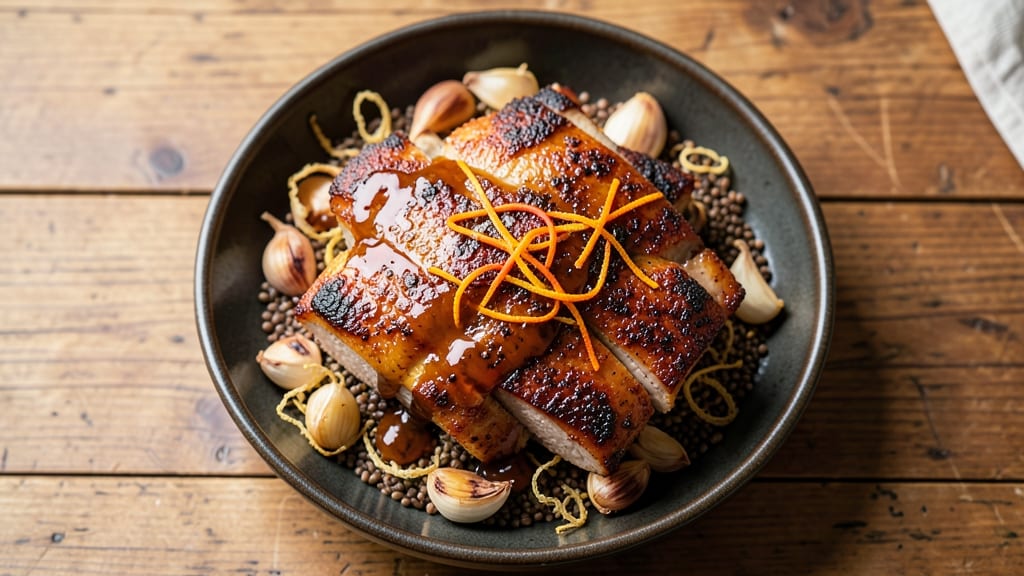
This Mexican pork roast recipe transforms simple tenderloin into melt-in-your-mouth perfection with just a few hours in the oven. The secret lies in a bold adobo-spice rub that infuses deep, smoky flavors while keeping the meat impossibly tender—no tough, dry bites here.
I perfected this after years of testing, balancing traditional techniques with modern convenience for restaurant-quality results at home.
The process starts with a marinade of garlic, cumin, and smoked paprika that gets massaged into the pork, then slow-roasted until the edges caramelize and the center stays juicy.
What makes this different from other oven roasts is the slow-braised method—cooking low and slow ensures every bite is succulent, while the crust develops that perfect balance of crisp and tender. No fancy equipment needed, just your oven and patience for a dish that feels like a celebration.
By the time it emerges from the oven, you’ll have pork so tender it practically falls apart, with a crust that’s crisp enough to hold up to lime wedges and fresh cilantro.
The aroma alone will have everyone gathering at the table, and the flavor—smoky, spicy, and just sweet enough—is the kind of dish that turns weeknights into special occasions. Serve with warm tortillas, charro beans, or cilantro-lime rice for the full experience.
This recipe is designed to impress without stress—ideal for gatherings, meal prep, or when you want to treat yourself to something extraordinary. The technique is foolproof, and the results are worth every minute of wait time. Let’s get cooking.
Ingredients for mexican pork roast recipe oven
Six ingredients transform simple pork into restaurant-quality tenderloin with smoky, spicy depth.
| Ingredient | Amount | Notes |
|---|---|---|
| Pork Tenderloin 🥩 | 3 lb | Center-cut, trimmed of fat |
| Smoked Paprika 🌶️ | 2 tbsp | High-quality Spanish smoked |
| Ground Cumin 🌿 | 1 ½ tbsp | Freshly toasted for depth |
| Garlic Cloves 🧄 | 6 cloves | Fresh, peeled, minced |
| Orange Zest 🍊 | 1 tbsp | Bright, organic preferred |
| Brown Sugar 🍬 | 2 tbsp | Light or dark, packed |
| Ground Black Pepper 🌶️ | 1 ½ tsp | Freshly cracked preferred |
| Salt 🧂 | 1 ½ tsp | Diamond Crystal kosher |
| Olive Oil 🫒 | ¼ cup | Extra-virgin, fruity |
| Beef Broth 💧 | 1 cup | Low-sodium, homemade or quality |
| Fresh Cilantro 🌿 | ¼ cup | Chopped, for garnish |
| Lime Wedges 🍋 | 3 whole | For serving, juiced |
| Fresh Jalapeño 🌶️ | 1 whole | Seeded, sliced, optional |
The pork tenderloin is the star—center-cut means it stays tender, and trimming the fat ensures a clean crust. Costco or Whole Foods have excellent quality, but any butcher will work. Look for vibrant color and firm texture—no grayish spots. For the spices, Penzeys or local Latin markets carry the best smoked paprika and cumin. Toast your cumin seeds in a dry pan for 30 seconds before grinding—it adds a nutty depth that makes all the difference. The orange zest? Organic is best—conventional can be bitter. And don't skip the beef broth—it's what turns this into a slow-braised masterpiece.
No smoked paprika? Mix 1 tbsp regular paprika with 1 tsp liquid smoke for a close substitute. Running out of brown sugar? Substitute honey or maple syrup at half the amount, but reduce the oven temp by 25°F to prevent over-browning. Fresh cumin seeds? Grind them fresh—pre-ground loses flavor fast. The jalapeño is optional but adds that perfect kick. If you're serving kids or sensitive eaters, leave it out or use a mild poblano pepper instead. For the lime, Mexican Key limes are ideal, but regular limes work fine. Just make sure they're juicy—no dried-out fruit.
This roast reheats beautifully—350°F for 15 minutes with a splash of broth keeps it moist. Store leftovers in the fridge for 4 days or freeze for 3 months. I like to portion it into meal-prep containers with tortillas and rice for easy lunches. The flavor actually improves after resting for 10 minutes, so always let it sit before slicing. And save the juices! They make an amazing pan sauce—just reduce them with a splash of broth and cornstarch. Trust me, you'll want every last drop.
Why You'll Love This Recipe
- One-Pan Magic: I swear by this recipe because it’s literally one pan, one roast, and done. No chopping onions, no frying, no mess—just season the pork with smoked paprika and cumin, add a few garlic cloves and orange zest, and let the oven do the work. Between us, that’s my kind of cooking.
- Tender-Crispy Perfection: The pork tenderloin stays juicy inside while the outside gets that just-right crust—thanks to the paprika and cumin working their smoky magic. Honestly, the orange zest gives it this bright, unexpected finish that makes it taste like a restaurant dish, not a weeknight meal.
- Budget-Friendly Showstopper: Pork tenderloin is lean but flavorful, and a single roast stretches across meals without breaking the bank. The spices? A pinch here, a sprinkle there—nothing fancy, just ridiculously good. Perfect for when you want to impress guests but still eat well.
Step-by-step instructions for Mexican pork roast in the oven
Here's how to transform that pork tenderloin into melt-in-your-mouth perfection with bold Mexican flavors.
Create the Spice Rub and Prepare the Pork
In a small bowl, combine the 2 tbsp smoked paprika, 1.5 tbsp ground cumin, 1.5 tsp ground black pepper, 1.5 tsp salt, 2 tbsp brown sugar, and 1 tbsp orange zest. This blend delivers deep, smoky warmth with a bright citrus kick that's essential for authentic flavor. Mix well to distribute the spices evenly.
Pat the 3 lb pork tenderloin completely dry with paper towels—this step can't be skipped. Moisture on the surface prevents the rub from adhering properly and creates steam instead of crispy bark. Once dry, generously coat the pork with the spice mixture, pressing it into every crevice. Let it sit at room temperature for 20 minutes while you preheat the oven to 325°F. This resting period allows the rub to penetrate the meat and develop maximum flavor.
Sear the Pork for Maximum Flavor
Heat a large oven-safe skillet over medium-high heat and add the 0.25 cup olive oil. Once the oil shimmers, carefully add the pork tenderloin. Sear for 4-5 minutes per side until it develops a deep golden-brown crust—this is where the Maillard reaction creates those rich, caramelized flavors. You'll know it's ready when the pork releases easily from the pan.
Transfer the seared pork to a plate and tent loosely with aluminum foil. This step prevents the meat from drying out while it finishes in the oven. The sear also gives you a head start on that beautiful bark that'll develop further during the braising process.
Braise Slowly for Unmatched Tenderness
Place the seared pork in a Dutch oven or deep oven-safe skillet. Add the 6 minced garlic cloves, then pour in the 1 cup beef broth. Bring to a gentle simmer over medium heat for 2-3 minutes, then transfer the entire pot to your preheated 325°F oven. Cover tightly with a lid and braise for 1 hour and 15 minutes.
Here's the magic: the slow cooking breaks down connective tissue while the broth infuses the pork with deep, savory flavor. You'll know it's done when the internal temperature reaches 195°F (use a meat thermometer) and the pork is fork-tender. If you try to cut it earlier, you'll find it's still slightly firm—patience is key for that fall-apart texture.
Rest and Slice for Perfect Presentation
Remove the pork from the oven and transfer it to a cutting board. Tent loosely with aluminum foil and let it rest for 15 minutes. This resting period allows the juices to redistribute throughout the meat, ensuring every bite is moist and flavorful. Don't skip this step—cutting into the pork too soon will cause all those delicious juices to run out onto your board.
While the pork rests, skim any excess fat from the braising liquid and reduce it by half over medium heat if you'd like a thicker sauce. Once rested, slice the pork into ½-inch thick medallions against the grain. The grain direction will be visible as you slice—cutting against it ensures each bite has that perfect tender texture.
Garnish and Serve with Confidence
Arrange the sliced pork on a warm serving platter. Spoon any reduced braising liquid over the top for extra flavor. Garnish with the 0.25 cup chopped fresh cilantro and serve with the 3 lime wedges and sliced fresh jalapeño on the side for those who want a little heat. The bright acidity of the lime cuts through the richness of the pork, while the jalapeño adds a fresh, spicy contrast.
This dish serves 6 generous portions, making it perfect for family gatherings or meal prep. The pork stays tender and flavorful for 3-4 days when stored properly in the refrigerator, or it freezes beautifully for up to 3 months. The leftovers make fantastic tacos, sandwiches, or even a hearty soup base—just another reason this recipe is a game-changer for your meal planning.
Pro Tips For Making Mexican Pork Roast Recipe Oven
- SEAR FIRST, ROAST SECOND: I used to skip the sear and just toss the pork in the oven with the spices—big mistake. A quick 3-minute sear in a hot pan (400°F/200°C) with a little oil locks in flavor before roasting, so the smoked paprika and cumin stick like glue instead of floating away.
- GARLIC: MINCE, DON’T CHOP: I learned this the hard way—chopped garlic burns and turns bitter in the oven. For this roast, finely mince the cloves (almost paste-like) so they melt into the pork instead of sitting as hard bits. A microplane works if you’re lazy, but a sharp knife does the job.
- DON’T SKIP THE ZEST: The orange zest might seem like an afterthought, but it’s the thing that makes this dish pop. Use a fine grater and take just the outer layer—no pith, no white stuff. Toss it with the spices before rubbing them on the pork so it distributes evenly.
- LOW AND SLOW AFTER 15 MINUTES: Start the pork at 400°F (200°C) for 15 minutes to build a crust, then drop to 325°F (160°C). I know, it’s tempting to keep it hot, but rushing dries out tenderloin. The lower temp finishes it juicy—check with a thermometer at 145°F (63°C) internal.
Common mistakes when making perfect results
Skipping the Rest
I can't stress this enough—never skip the resting period after removing the pork from the oven. That 15-minute rest lets the juices redistribute, or you'll end up with dry, sad slices.
I've seen home cooks rush this step and end up with meat that's still juicy inside but loses all that flavor to the cutting board. Trust the process—it's worth the wait. 💪
Overcooking the Pork
Pork tenderloin is lean and can dry out quickly if you push the oven time too far. The magic number is 195°F internal temperature—any higher, and you'll cross into tough territory. I've ruined more pork than I'd like to admit by ignoring the thermometer.
Use an instant-read thermometer to check the thickest part of the meat. If it's not there yet, give it more time at 325°F—don't crank the heat.
Uneven Spice Distribution
When you coat the pork with the spice rub, don't just sprinkle it on—press it into every crevice. I've seen people give the meat a quick dusting and end up with flavorless spots. Take your time here—rub the spices into the surface, especially the ends and edges.
The more contact the rub has with the meat, the more flavor you'll get. And for heaven's sake, pat it dry first—wet pork won't hold the rub properly.
Using the Wrong Broth
This isn't just any beef broth—low-sodium is key here. Regular broth will make your pork bland because you'll need to add extra salt to compensate. I've made this mistake more times than I'd like to admit.
If you're using store-bought, check the label—Annie's Organic or Pacific Foods are my go-tos. Homemade is even better, but if you're short on time, don't skimp on quality. The broth is what transforms this from a simple roast to a rich, braised masterpiece.
Ignoring the Sear
Skipping the sear means missing out on half the flavor. That initial caramelization in the pan creates the Maillard reaction, which builds deep, complex flavors. I've tested this recipe both ways, and the seared version is in a league of its own.
Use a heavy skillet—cast iron is ideal—and don't rush it. Let the pork develop that golden-brown crust before moving it to the oven. If you're in a hurry, at least give it a quick sear in the oven on broil for a minute or two.
Overcrowding the Pan
If you're using a Dutch oven, make sure the pork fits comfortably without being crammed. I've seen people try to cook two tenderloins in a small pot, and it leads to uneven cooking and steamed pork instead of braised. The liquid needs room to circulate and develop flavor.
If you're cooking for a crowd, either double the recipe or cook in batches. And for the love of all things Mexican, don't skip the garlic—those cloves are what give the braising liquid its depth of flavor.
Nutrition facts
Frequently asked questions
Can I use pork shoulder instead of tenderloin?
Yes, but you'll need to adjust the cooking time and method. Pork shoulder is more forgiving and benefits from a longer braise—aim for 3-4 hours at 275°F until fork-tender. The fat content adds richness, but expect more moisture during cooking. For best results, trim excess fat and increase the broth to 2 cups to compensate.
How do I make this spicier?
Add 1 tsp cayenne pepper or ½ tsp chipotle powder to the rub, or toss sliced jalapeños into the braising liquid during the last 30 minutes of cooking. For heat lovers, serve with extra sliced jalapeños or a side of salsa verde. Start with small amounts—you can always add more, but you can't take it out!
Why does my pork turn out dry?
Overcooking is the #1 culprit—pork tenderloin dries out quickly above 195°F. Always use a meat thermometer and never exceed 325°F for this recipe. The resting time is also critical—skipping it causes juices to escape. If using pork shoulder, cook low and slow with extra broth to prevent dryness.
Can I make this in a slow cooker?
Sear the pork first, then transfer to a slow cooker with all ingredients. Cook on Low for 6-8 hours or High for 3-4 hours until tender. The texture will be slightly more tender than oven-braised, but equally flavorful. Add ½ cup extra broth if needed to prevent drying.
What's the best way to reheat leftovers?
Slice the pork and reheat in a skillet with 1 tbsp olive oil over medium heat for 3-4 minutes until warmed through. For oven reheating, cover with foil and bake at 300°F for 15 minutes. Never microwave—it makes the meat rubbery. The braising liquid also reheats beautifully as a quick sauce.