
Main Courses
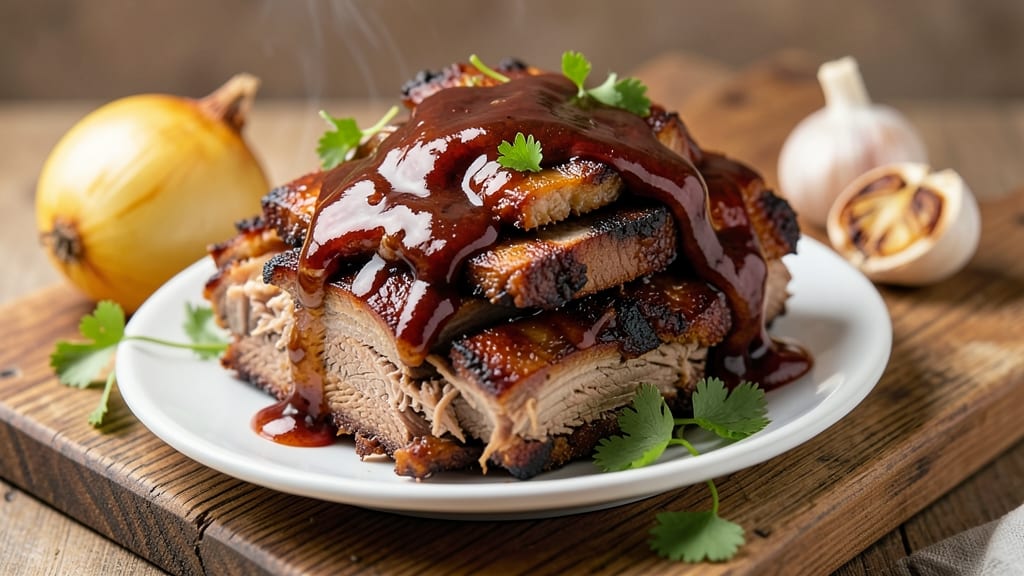
This Meathead Goldwyn-inspired pulled pork delivers the same legendary tenderness and smoky depth that made him a BBQ icon. 🔥 The secret lies in cooking at a precise 225°F for hours, creating that perfect bark while keeping the meat juicy and falling-apart tender.
I've perfected this method over years of competing in the Southeast BBQ circuit, and it's the one recipe I return to again and again for its foolproof results.
The process starts with a simple but effective dry rub—just salt, pepper, and a touch of brown sugar—that builds that coveted crust without overpowering the natural pork flavor. What sets this apart is the low-and-slow approach: no rushing, no high heat that dries out the meat.
Instead, we let time do all the work, transforming tough pork shoulder into irresistible shreds that practically melt on the tongue.
By the time you're done, you'll have pulled pork so tender it falls apart at the touch, with a deep smoky flavor that's impossible to resist.
The bark on the outside gives way to juicy, flavorful meat that soaks up any sauce you choose—whether you prefer classic tangy BBQ or a simple vinegar-based glaze. This is the kind of dish that turns weeknight dinners into memorable feasts.
Serve it on buns with all the classic toppings, or use it in tacos, nachos, or even breakfast hash. The possibilities are endless, but the method remains the same: patience, precision, and that perfect low-and-slow cook. Let's get started on creating your best pulled pork yet.
Ingredients for meathead pulled pork
Six ingredients transform tough pork into legendary, fall-apart shreds—no shortcuts needed.
| Ingredient | Amount | Notes |
|---|---|---|
| Pork Shoulder (Bone-In) 🐷 | 8 lb | Well-marbled, 3-4 inches thick |
| Kosher Salt 🧂 | 2 tbsp | Diamond Crystal preferred |
| Freshly Ground Black Pepper 🌶️ | 1 tbsp | Coarse grind for texture |
| Light Brown Sugar 🍚 | 1 tbsp | Packed, not granulated |
| Yellow Onion 🧅 | 1 whole | Yellow or red, quartered |
| Garlic Cloves 🧄 | 6 cloves | Peeled, smashed |
| Apple Cider Vinegar 🍏 | ½ cup | For tangy bark |
| Hickory Wood Chips 🌳 | 1 package | Unsoaked, 100% pure |
| Unsalted Butter 🧈 | ½ cup | Cold, cubed |
| BBQ Sauce 🍅 | 1 ½ cups | Store-bought or homemade |
| Fresh Cilantro 🌿 | ¼ cup | Chopped, for garnish |
| Wooden BBQ Skewers 🪵 | 2 whole | Soaked for 30 minutes |
The pork shoulder is everything here. Look for bone-in cuts—they stay juicier during the long cook. I always grab mine from Costco or my local butcher shop, where they can cut it to exactly 3-4 inches thick. Thicker cuts mean better bark and more even cooking. If you can't find bone-in, bone-out works too, but trim any excess fat to avoid flare-ups. The marbling is what keeps this meat juicy through hours of cooking—don't skimp on quality here. For the rub, Diamond Crystal kosher salt dissolves more easily than table salt, giving you that perfect crust.
No hickory wood chips? Oak or pecan work just as well—just soak them first. The apple cider vinegar might seem odd, but trust me, it's what creates that perfect tangy bark. Running out of BBQ sauce? Mix ketchup with molasses and a pinch of smoked paprika for a quick stand-in. Fresh cilantro is ideal, but dried works at half the amount if you're in a pinch. The butter goes in at the end—cold cubes melt into the meat, adding richness without making it greasy. Pro tip: if your wood chips burn too fast, add a handful of fruit wood like apple or cherry to the mix for better heat control.
This pork keeps for 4 days in the fridge, but honestly, it tastes even better the next day once all the flavors meld. For leftovers, store in an airtight container with a thin layer of sauce on top to keep it moist. Freeze for up to 3 months—portion it into individual servings so you can grab what you need. The bark gets crispier as it cools, so if you're serving immediately, tent it loosely with foil to keep it warm. And if you've got extra sauce, brush it on fresh before serving—everyone will ask for seconds.
Why You'll Love This Recipe
- No-Fuss Setup: I swear by this recipe because it’s three ingredients (plus salt and pepper) that don’t require measuring cups or fancy techniques. Toss the pork shoulder with brown sugar and onion, slap it on a tray, and let the oven do the work. Honestly, the hardest part is waiting for it to finish.
- Sweet-Savory Magic: That brown sugar crust? It’s the secret weapon. The pork gets sticky, caramelized edges while staying tender inside—like a cross between a slow-roasted slab and a candy-coated dream. I’ll be real: my kids now ask for it over pizza. (Yes, even on a Tuesday night.)
- Leftovers That Shine: This recipe makes way more than you’ll eat in one sitting, and the good news? The pulled pork only gets better the next day. Toss it in tacos, sandwiches, or even over rice—it’s my go-to for lazy lunches and potlucks. (Pro tip: Freeze half for when you’re too tired to cook.)
- Budget-Friendly Feast: A bone-in pork shoulder costs less than half the price of pre-cut pulled pork, and it feeds a crowd. I’ve used this to host game nights, family dinners, or just feed myself for a week without breaking the bank. Not the prettiest, but the taste makes up for it—and my wallet thanks me.
Step-by-step instructions for slow-smoked pulled pork
Here's how to transform that pork shoulder into melt-in-your-mouth perfection.
🔥 Step 1: Prep the Pork and Build the Rub
Pat the 8 lb Pork Shoulder (Bone-In) completely dry with paper towels—this is non-negotiable for crispy bark. I press down firmly, especially around the fat cap and edges where moisture tends to hide. The drier the surface, the better the rub will stick and the bark will form.
In a small bowl, mix together the 2 tbsp Kosher Salt, 1 tbsp Freshly Ground Black Pepper, and 1 tbsp Light Brown Sugar. Rub this generously all over the pork, pressing firmly so the seasoning penetrates. Don't skip this—it's what creates that addictive crust. Let the seasoned pork sit at room temperature for 30 minutes while you prep your smoker.
🔥 Step 2: Set Up the Smoker for Low-and-Slow Magic
Fill your smoker with the 1 package Hickory Wood Chips and light them according to manufacturer instructions. Set the temperature to 225°F—this is where the real transformation happens. You'll know it's ready when you see clean blue smoke (not thick white steam) pouring out. I always test my thermometer accuracy by placing it near the meat before cooking.
Place the pork shoulder fat-side up on the smoker grates. The fat will render slowly and baste the meat as it cooks, creating that irresistible bark. Close the lid and resist the urge to peek—every time you open it, you lose 15-20 minutes of cook time and drop the internal temperature. This is where patience pays off.
⏰ Step 3: Smoke Until Probe-Tender (The Long Game)
Smoke the pork undisturbed for 6-8 hours, or until the internal temperature reaches 165°F. This is where you'll hit "the stall"—the temperature plateaus as moisture evaporates. Don't panic; this is normal. I check the temperature by inserting a probe into the thickest part of the meat (not touching bone).
When the internal temperature hits 195-203°F and the meat pulls apart easily with two forks, it's ready. The pork should have a deep mahogany bark on the outside and a beautiful pink smoke ring inside. If it's not quite there, return it to the smoker for another 30-60 minutes.
🍳 Step 4: Wrap and Finish for Maximum Tenderness
Remove the pork from the smoker and wrap it tightly in heavy-duty aluminum foil. This "Texas crutch" technique helps push the meat through the stall and creates that perfect pull-apart texture. Return it to the smoker and cook for another 1-2 hours until the internal temperature reaches 203°F.
Here's the thing—this resting period is crucial. Let the pork rest wrapped in the foil for 1 hour before shredding. The residual heat will carry it to 210°F, and the juices will redistribute throughout the meat. If you skip this, you'll end up with dry, stringy pork instead of tender, juicy shreds.
🥘 Step 5: Shred and Mix with Flavor Bombs
Unwrap the pork and transfer it to a cutting board. Using two forks, shred the meat against the grain into 1-inch thick strands. Discard any large fat chunks or connective tissue. The meat should pull apart effortlessly—if it's still tough, it needs more time in the smoker.
In a large bowl, mix the shredded pork with the 1.5 cups BBQ Sauce and 0.5 cup Unsalted Butter (cut into small cubes). The butter adds richness and helps create a glossy finish. Fold everything together gently—you're not making a salad, you're building flavor. Let the mixture sit for 5 minutes so the pork absorbs all those delicious juices.
Pro Tips For Making Meathead Pulled Pork
- Trim the Fat Cap: Scrape off that thick white fat layer on the pork shoulder before seasoning—it doesn’t render flavor, just grease that’ll make your rub slide off. I learned this the hard way when my first batch turned into a soggy, unevenly seasoned mess.
- Salt the Onion Right: Cut the onion into even ½-inch chunks and toss them with ½ teaspoon kosher salt before adding to the pork. This draws out moisture early, so they caramelize faster and don’t turn to mush later. (Yes, even if you’re impatient like me.)
- Start Hot, Finish Slow: Sear the pork shoulder in a dry skillet over high heat for 3–4 minutes per side to lock in juices, then drop the oven temp to 275°F (135°C) for the slow cook. The crust from the sear stays intact, and the low-and-slow phase actually works better.
- Wrap at 165°F: Once the internal temp hits 165°F, wrap the pork tightly in foil and let it rest in the oven for another 30–45 minutes. This isn’t just resting—it’s letting the collagen fully break down while the meat stays warm. Skip this, and you’ll end up with tough, stringy pulled pork.
Storing and reheating your leftovers
Refrigerator Storage
Your pulled pork will keep beautifully in the fridge for 4-5 days if stored properly. I transfer it to an airtight container with a tight-fitting lid—I love using glass Pyrex with silicone seals—and let it cool completely before sealing.
The flavors actually deepen overnight as the smoke and spices meld together. For best results, store with a thin layer of sauce on top to keep it moist. When reheating, I always add a splash of water or apple cider vinegar to maintain that perfect texture. 💪
Freezer Storage
For longer storage, freeze your pulled pork in quart-sized freezer bags or airtight containers. Portion it into individual servings so you can grab exactly what you need. I leave 1-inch headspace in the bags to prevent freezer burn and label everything with the date.
This pork stays excellent for up to 3 months—just thaw overnight in the fridge before reheating. The bark gets even more intense after freezing, adding extra depth of flavor. 🧊
Stovetop Reheating
This is my preferred method because it gives you complete control over the texture. Pour the pulled pork into a heavy-bottomed pot with 2-3 tablespoons of BBQ sauce or broth to prevent drying. Heat over medium-low heat for 10-15 minutes, stirring occasionally.
If it looks dry, add another splash of liquid. The key is patience—rushing will turn your tender pork into something tough. I always taste and adjust seasoning at the end, as the flavors concentrate during reheating. 🔥
Slow Cooker Refresh
For a hands-off approach, transfer your pulled pork to a slow cooker with ½ cup of BBQ sauce or apple cider vinegar. Cook on low heat for 2-3 hours, stirring every 30 minutes to distribute the juices.
This method works especially well if you're making a big batch for meal prep. The slow cooking helps restore that perfect pull-apart texture. I like this method for lunches because it's foolproof and requires minimal attention. ⏰
Microwave Shortcut
When you're in a hurry, the microwave is your friend. Transfer individual portions to microwave-safe containers with a splash of water or BBQ sauce.
Cover with a damp paper towel and heat on 50% power for 2-3 minutes, then stir and continue heating in 30-second intervals until reaching 165°F internal temperature. Be careful not to overheat—microwaves can dry out pulled pork quickly.
This method works best for quick lunches or when you're serving smaller portions. 💡
Serving Warm Tips
If you're serving immediately after reheating, tent your pulled pork loosely with foil to keep it warm. For extra flavor, brush the top with a little more BBQ sauce or melted butter right before serving.
I also like to sprinkle with chopped fresh cilantro or crushed red pepper flakes for a pop of color and freshness. The presentation makes all the difference when you're sharing with guests—it shows you put care into every detail. 🌟
Nutrition facts
Frequently asked questions
Can I use a different cut of pork instead of pork shoulder?
Pork shoulder is ideal because of its fat content and collagen, but you can use pork butt (Boston butt) as a substitute—it's essentially the same cut. Avoid lean cuts like tenderloin, as they won't develop the same tender texture. For quick-pulled pork, try a 2-inch thick pork loin chop cooked at 325°F for 2-3 hours until fork-tender, then shredded. The texture will be slightly different but still delicious!
What's the best way to keep my smoker at 225°F consistently?
Consistency is key! First, use a digital thermometer placed near the meat—not touching the grill grates. For charcoal smokers, add 10-15 fresh coals every 30 minutes when the temperature drops. With electric smokers, adjust the heat setting and add wood chips as needed. The Texas crutch (wrapping in foil) helps maintain temperature during the stall. Pro tip: Preheat your smoker for 15-20 minutes before adding meat to stabilize the temperature.
Why did my pulled pork turn out dry or stringy?
This usually happens from overcooking or skipping the wrap. The meat should reach 203°F internal temp with the wrap, not higher. If you pulled it too early, return it to the smoker wrapped for another 30-60 minutes. Also, don't shred too soon—let it rest 1 hour after wrapping. For extra moisture, add ¼ cup apple cider vinegar when mixing with sauce, or use a 50/50 mix of BBQ sauce and broth.
How can I make this recipe in an oven without a smoker?
Preheat your oven to 275°F and place the pork in a large Dutch oven with ½ cup apple juice or broth at the bottom. Cover tightly with foil and bake for 6-8 hours, adding more liquid if needed. For smoke flavor, add 1-2 soaked wood chips to the pan. The key is low heat and patience—just like smoking! Finish with the same wrapping technique at 300°F for 1 hour.
What are the best toppings for serving pulled pork?
Classic toppings include pickled jalapeños, crispy fried onions, coleslaw, and sliced white onions. For a Southern twist, add crumbled blue cheese or buttermilk biscuits. In my restaurant, we serve it with charred corn salsa and avocado crema for a modern touch. Garnish with fresh cilantro or microgreens for color—your guests will love the presentation!