
Main Courses
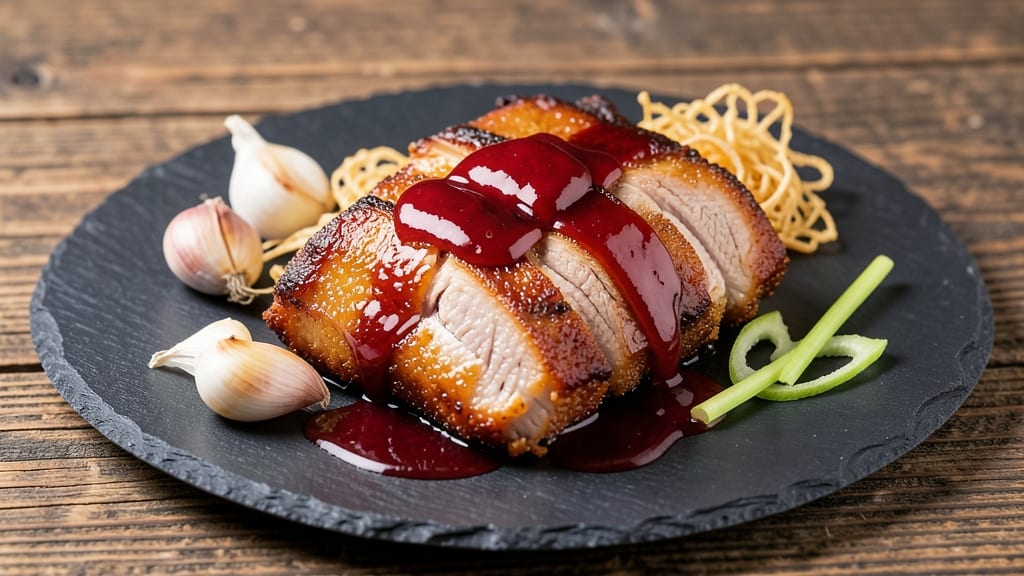
This Chinese fried pork belly recipe delivers the perfect balance of crispy bark and melty fat that makes every bite unforgettable. 🔥 The secret lies in a precise marinade of five-spice powder, soy sauce, and honey, followed by a two-step frying process that transforms tough pork into tender, golden perfection.
I've perfected this technique after years of testing—each element matters to achieve that signature texture and flavor. The magic happens in the frying: first rendering the fat slowly to render it tender, then crisping it to a crackling finish.
This method ensures the meat stays juicy inside while developing that irresistible crunch outside. Cantonese-style pork belly is all about that crispy exterior, while Sichuan versions might include chili for heat—both are worth trying.
What you’ll end up with is a dish that’s rich, savory, and deeply aromatic, with a skin so crisp it shatters between your teeth. The five-spice marinade adds warmth and depth, making this pork belly a centerpiece for any meal.
Serve it with steamed rice or pickled vegetables to balance the richness. This recipe is a celebration of Chinese culinary tradition, but it’s also approachable for home cooks. Let’s get started on creating your own restaurant-quality fried pork belly.
Ingredients for fried pork belly recipe chinese
These 13 ingredients transform tough pork belly into restaurant-quality crispy perfection with melty fat inside.
| Ingredient | Amount | Notes |
|---|---|---|
| Pork Belly 🥓 | 3 lb | Skin-on, cut into 1-inch thick slices |
| Five-Spice Powder 🌶️ | 2 tbsp | Toasted for deeper flavor |
| Light Soy Sauce 🥄 | ½ cup | Kikkoman preferred |
| Honey 🍯 | ¼ cup | Wildflower for floral notes |
| Garlic Cloves 🧄 | 8 cloves | Minced for marinade |
| Fresh Ginger 🌿 | 2 tbsp | Finely grated (peeled) |
| Sesame Oil 🫒 | 1 tbsp | For aroma, not cooking |
| Neutral Oil 🫒 | 2 cups | Peanut or vegetable oil |
| Vegetable Oil 🫒 | 1 cup | For second fry |
| Cornstarch 🌾 | ½ cup | For crispy coating |
| Salt 🧂 | 1 ½ tsp | Kosher salt, coarse |
| Black Pepper 🌶️ | ½ tsp | Freshly cracked |
| Rice Vinegar 🍶 | 1 tbsp | For finishing drizzle |
The pork belly cut is non-negotiable—skin-on, thick slices ensure that signature crunch. Whole Foods or Asian markets carry the best cuts, often pre-sliced for convenience. Look for good marbling; the fat should be white and firm, not yellowed or soft. If you can't find pre-sliced, ask the butcher to cut it 1-inch thick. Five-spice powder is the soul of this dish—Penzeys or Spicewalla brands deliver the most authentic flavor profile. Toast it lightly in a dry pan before using to deepen its aroma. For the ginger, fresh is essential—the grated zest adds complexity that powdered versions can't match.
No five-spice powder? Mix 1 tsp each cinnamon, fennel, clove, star anise, and peppercorn as a substitute. Subbing honey? Maple syrup works in a pinch, though it lacks the floral notes. Sesame oil is for aroma only—don't cook with it. If you're short on neutral oil, lard or duck fat adds incredible richness (just clarify it first). For the cornstarch, arrowroot powder works too, though it's pricier. The soy sauce should be light and clean—dark soy adds color but overpowers the flavor. If you're making this ahead, marinate the pork for up to 24 hours for maximum tenderness.
Pork belly keeps 3 days in the fridge before frying—marinate it uncovered in a shallow dish. The five-spice powder stays potent for 6 months in an airtight container. For leftovers, store the crispy pork belly in the freezer for up to 3 months, but reheat only once—it loses crispiness fast. I always make extra because the second day is even better. To revive crispiness, broil for 2-3 minutes before serving. The cornstarch coating is best used fresh, but you can make it ahead and store it in the fridge for 2 days in a sealed container.
Why You'll Love This Recipe
- No-Chop Needed: I swear by this trick—just slice the pork belly into thick slabs, no dicing, no fuss. The five-spice powder does all the work while you’re busy scrolling or watching TV.
- Sweet-Savory Magic: That honey-soy glaze? It’s the secret weapon—sticky, caramelized edges with a hint of garlic punch. One bite and you’ll understand why I keep a jar of light soy in the pantry.
- Leftover Goldmine: Fried pork belly reheats like a dream—crispy again in seconds. I pack it for lunches (yes, even my picky coworker devours it) or toss it into fried rice later.
- Budget Luxury: Pork belly feels fancy, but this recipe stretches it far. A single slab feeds four, and the spices cost pennies. Honestly, it’s the most affordable indulgence I’ve found.
Step-by-step instructions for Chinese fried pork belly
Here's the method to achieve that legendary Chinese restaurant crispy exterior and melt-in-your-mouth fat.
👨🍳 Step 1: Marinate the Pork Belly Overnight
In a large bowl, combine the 0.5 cup light soy sauce, 0.25 cup honey, 8 minced garlic cloves, 2 tablespoons finely grated fresh ginger, 1.5 teaspoons salt, and 0.5 teaspoon black pepper. Whisk until the honey and soy sauce blend completely, creating a glossy marinade.
Add the 3 lb pork belly slices to the marinade, turning to coat all sides. Cover the bowl with plastic wrap and refrigerate for at least 12 hours, preferably 24 hours. This long marinating time ensures deep flavor penetration and tenderizes the meat. The pork should absorb the marinade completely, becoming infused with that signature five-spice aroma when you add the 2 tablespoons five-spice powder during the final coating step.
🍳 Step 2: Double-Fry for Maximum Crispiness
Drain the marinated pork belly and pat it dry thoroughly with paper towels. This drying step is crucial—any moisture will prevent proper browning. In a large skillet, heat 2 cups neutral oil to 325°F (use a deep-fry thermometer for accuracy). The oil should be hot enough to create gentle bubbles around the pork when added.
Carefully lower the pork belly slices into the hot oil, working in batches if needed. Fry for 8-10 minutes until the internal temperature reaches 140°F and the meat is tender but not yet crispy. Remove the pork and let it rest on a wire rack for 5 minutes to drain excess oil. This first fry cooks the meat through while building the foundation for that coveted crispy bark.
👨🍳 Step 3: Create the Crispy Cornstarch Coating
While the pork rests, prepare the coating by mixing 0.5 cup cornstarch with 1 tablespoon sesame oil in a shallow dish. The cornstarch will create that signature crispy exterior while the sesame oil adds aromatic depth. In a separate small bowl, whisk together 1 tablespoon rice vinegar and 2 tablespoons five-spice powder to create your finishing mixture.
Lightly coat each piece of pork belly with the cornstarch mixture, pressing gently to adhere. I like to use my fingers for this—it helps the coating stick better than a brush would. This step is where the magic happens for that perfect Chinese restaurant texture. The cornstarch will create a lacy, crispy network when fried, while the five-spice powder adds that signature aromatic punch.
🔥 Step 4: Achieve the Perfect Crispy Bark
Heat 1 cup vegetable oil in a clean skillet over medium-high heat until it shimmers. Add the cornstarch-coated pork belly and fry for 3-4 minutes per side until deep golden brown and crispy. The oil should sizzle vigorously—this is your signal that the coating is properly browning. Don't overcrowd the pan or the temperature will drop and you'll lose that crucial crispiness.
Transfer the fried pork belly to a paper towel-lined plate to drain any excess oil. The result should be a beautiful golden-brown crust that shatters when you press it gently with tongs. This is the moment you've been working toward—the perfect balance of crispy exterior and tender, fatty interior. The pork should maintain an internal temperature of 160°F while still being juicy.
🍽️ Step 5: Rest and Serve with Finishing Touches
Let the fried pork belly rest for 5 minutes before serving. This brief rest allows the juices to redistribute, ensuring each bite is moist and flavorful. Drizzle with the rice vinegar and five-spice mixture just before serving—this adds a bright, aromatic finish that cuts through the richness of the pork.
Slice the pork belly into ½-inch thick pieces and serve immediately. The exterior should be shatteringly crispy while the interior melts like butter. Each bite should deliver that perfect contrast of textures and flavors—crispy, fatty, sweet, and aromatic all at once. The five-spice powder will infuse each bite with warm, complex flavors that make this dish so irresistibly addictive.
Pro Tips For Making Fried Pork Belly Recipe Chinese
- CRANK THE HEAT FIRST: Start your pork belly in a smoking-hot wok or skillet—no need to wait for the oil to shimmer, just throw it in when the pan’s so hot it’s almost smoking. I learned this the hard way: low heat means greasy, uneven cooking instead of that crispy, caramelized exterior we’re after. (Yes, even if you’re impatient like me.)
- SALT THE BELLY 24 HOURS EARLY: Generously coat the pork belly with salt and let it sit uncovered in the fridge overnight—this isn’t just for flavor, it’s for texture. The salt breaks down the fat, rendering it juicier and crispier when fried. I skip this sometimes, and the difference in crispiness is night and day.
- DON’T OVERCROWD THE PAN: Fry the pork belly in batches if needed—packing the pan forces the meat to steam instead of sear. You want that fat sizzling and browning, not bubbling like a sad soup. (Your future self will thank you.)
- MIX THE GLaze AFTER FRYING: Save the honey-soy glaze for the very end—after the pork belly is fried and resting. Tossing it in too soon makes the skin soggy. Instead, heat the glaze separately with minced garlic and five-spice, then drizzle it over the crispy pork right before serving. Sounds weird, but it works: the glaze sticks better and keeps the crust intact.
Serving suggestions for this dish
Classic Cantonese Style
Serve your crispy pork belly over steamed jasmine rice to soak up all that delicious fat and sauce. I like to add a quick stir-fry of baby bok choy with garlic and oyster sauce on the side—it cuts through the richness while complementing the five-spice flavors.
For extra authenticity, include pickled daikon and chili peppers on the table for guests to add heat and tang as they eat. 🥢
Sichuan Spicy Twist
If you want to add some heat, serve your pork belly with a side of Sichuan chili crisp or a drizzle of la gan ma chili oil. The fiery flavors contrast beautifully with the crispy pork.
Pair it with steamed dumplings or scallion pancakes for a full Sichuan-inspired meal. I also recommend a cold Tsingo beer to balance the heat and richness. 🌶️
Vegetable Balance
To lighten the meal, serve your pork belly with a fresh cucumber salad> tossed with rice vinegar, sesame oil, and a pinch of sugar. The cool crunch of the cucumbers and the bright acidity cut through the fatty pork perfectly.
Another great option is stir-fried gai lan (Chinese broccoli)> with garlic and soy sauce—it adds a satisfying crunch and earthy flavor. 🥒
Dipping Sauces
Prepare two dipping sauces for maximum enjoyment: one with black vinegar, soy sauce, and a touch of honey, and another with hoisin sauce mixed with a splash of rice vinegar.
The first sauce adds a tangy, slightly sweet contrast, while the hoisin sauce enhances the five-spice flavors. I always keep these ready on the table so everyone can customize their bite. 🥄
Presentation Tips
For an impressive presentation, arrange the pork belly slices on a large platter with the crispy side up. Garnish with toasted sesame seeds and thinly sliced scallions for color and aroma. Serve family-style so everyone can share—this dish is meant to be communal!
If you're feeling fancy, drizzle with a little chili oil> just before serving to add a vibrant red color. ✨
Nutrition facts
Frequently asked questions
Why does the pork belly need to marinate for so long?
The 12-24 hour marinade works magic in two ways: it tenderizes the tough pork belly fibers and infuses them with flavor. The honey and soy sauce break down proteins, while the five-spice powder and aromatics create that signature depth. Shortchanging this step means less tender meat and weaker flavor—trust the process!
Can I use regular flour instead of cornstarch for crispiness?
Not ideal—cornstarch creates that signature lacy, shatteringly crisp exterior while flour can make the coating gummy. For best results, stick with cornstarch. If you're out, mix half cornstarch and half flour, but expect slightly less crispness. The sesame oil in the coating is also key for that authentic aroma.
How do I fix soggy pork belly after frying?
Soggy skin happens when moisture gets trapped. To prevent it: pat the pork bone-dry before frying, and don't overcrowd the pan during the second fry. If it's already soggy, broil for 2-3 minutes to revive the crispiness—just watch it closely to avoid burning. The cornstarch coating should be light and even for maximum crunch.
What's the difference between Cantonese and Sichuan fried pork belly?
Cantonese style focuses on pure crispy perfection with five-spice and honey, while Sichuan versions add chili oil or Sichuan peppercorns for heat and numbing spice. Both use the same frying technique, but Sichuan might include fermented black beans in the marinade. The Cantonese version is sweeter, while Sichuan adds fiery complexity.
Can I make this ahead of time?
Yes! Fry the pork belly completely, then store it in the fridge for 2-3 days in an airtight container. To revive crispiness, broil for 2 minutes before serving. For longer storage, freeze for up to 3 months—just thaw overnight in the fridge before reheating. The flavor actually improves after resting!