
Main Courses
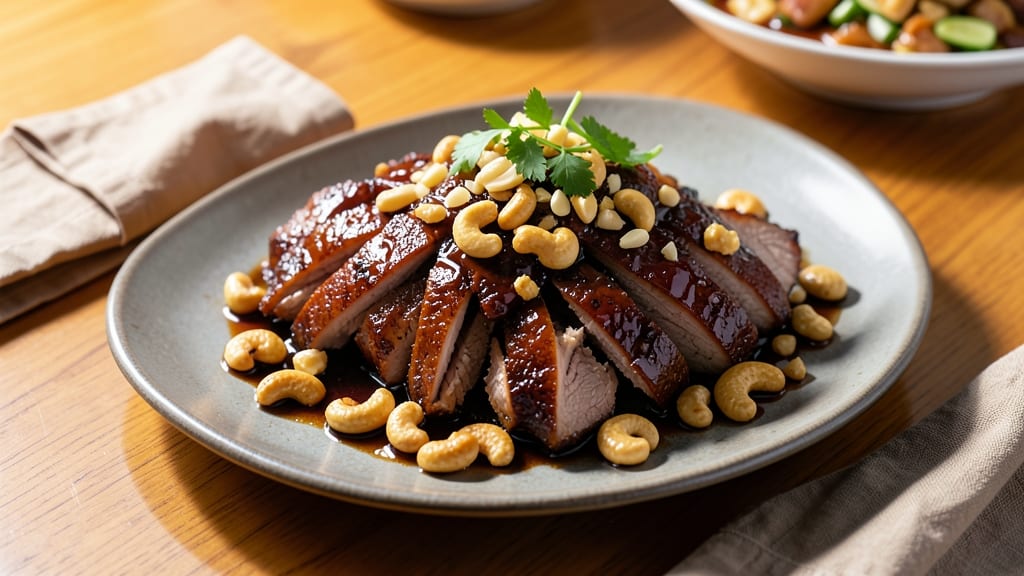
This Chinese cashew pork recipe delivers the perfect balance of sweet, savory, and crunchy textures that make it a restaurant favorite. 🌟 I've refined this technique over years of cooking for large crowds, ensuring the pork stays tender while the cashews add just the right amount of crunch.
The sauce is where the magic happens—rich, slightly sweet, and packed with umami from soy sauce and ginger.
The beauty of this dish lies in its simplicity. You'll marinate the pork in a blend of soy sauce, sugar, and aromatics, then stir-fry it until perfectly tender. The cashews toast in the same pan, absorbing the caramelized flavors of the pork and sauce.
This method ensures every bite is packed with flavor without requiring fancy equipment or hours in the kitchen.
By the time you're done, you'll have tender, caramelized pork pieces coated in a glossy sauce and studded with toasted cashews that add both texture and richness.
The aroma alone will have everyone gathering at the table, and the first bite delivers that perfect harmony of sweet, salty, and nutty flavors that define this classic dish.
Serve it over steamed jasmine rice for a complete meal, or pair it with dumplings and a simple cucumber salad for a full Chinese feast. The leftovers actually taste better the next day as the flavors meld even more. Let's get cooking!
Ingredients for chinese cashew pork
Sweet-savory pork with toasted cashews—just 14 ingredients for restaurant-quality flavor.
| Ingredient | Amount | Notes |
|---|---|---|
| Pork Shoulder 🥩 | 1 ½ lb | Cut into 1-inch cubes |
| Cashews 🥜 | 1 cup | Whole, unsalted |
| Light Soy Sauce 🥢 | ½ cup | Kikkoman preferred |
| Dark Soy Sauce 🥢 | 1 tbsp | For deeper color |
| Brown Sugar 🍯 | ¼ cup | Packed firmly |
| Garlic Cloves 🧄 | 6 cloves | Minced finely |
| Fresh Ginger 🌿 | 2 tbsp | Grated finely |
| Green Onions 🧅 | 3 whole | White and green parts |
| Sesame Oil 🫒 | 1 tbsp | For aroma |
| Cornstarch 🌾 | 1 tbsp | For thickening |
| Vegetable Oil 🫒 | 2 tbsp | High smoke point |
| White Wine 🍷 | ¼ cup | Dry variety |
| Salt 🧂 | 1 tsp | Kosher or sea |
| Black Pepper 🌶️ | ½ tsp | Freshly ground |
The pork shoulder is key—it stays tender while absorbing all those delicious flavors. Ask the butcher for bone-in pieces if you want extra richness, but boneless works too. I grab mine from Costco when I'm feeding a crowd, but regular grocery stores carry it too. Look for good marbling—it means juicier meat. Cashews? Whole, unsalted from the bulk bin at Whole Foods or Trader Joe's—they toast up perfectly without any weird aftertaste.
No soy sauce? Coconut aminos works in a pinch, though it's lighter in color. Fresh ginger too expensive? Powdered ginger at half the amount gets you close. The white wine can be swapped for extra chicken broth if you're avoiding alcohol. For the cashews, peanuts or almonds work if you're out, but they change the texture slightly. The green onions? Scallions or chives are fine too—just keep the white parts for the sauce and green for garnish.
Marinate the pork for at least 30 minutes (overnight is better). The sauce thickens as it sits, so reheat gently—microwaving makes it grainy. Leftovers keep 4-5 days in the fridge, and the sauce freezes beautifully for 3 months. I always double the sauce because it's perfect over rice or noodles later in the week—just reheat with a splash of water.
Why You'll Love This Recipe
- One-Pan Wonder: I swear by this for lazy nights—just toss the pork, cashews, and sauce in one skillet, stir, and walk away. The dark soy sauce caramelizes right there, giving you that glossy, sticky goodness with zero extra dishes.
- Sweet-Savory Magic: That combo of brown sugar and soy sauce? It’s like a hug for your taste buds. The cashews add crunch, while the pork stays tender—honestly, I’ve never met a dish that balances sweet and salty this well.
- Lunchbox Hero: Between us, this is my go-to for meal prep. Pack it cold in containers, and the flavors only get better overnight. My kids (and my husband) fight over the leftovers—yes, even the ones I "forgot" to put in their lunches.
- Budget Stretch: Pork shoulder is cheap, and cashews stretch the filling factor. A single batch feeds four for dinner and two more for lunch the next day. I’ll be real: it’s how I feed my family without breaking the bank.
Step-by-step instructions for Chinese cashew pork
Here's how to balance crispy cashews with tender pork and rich, sweet-savory sauce.
🔥 Step 1: Sear the Pork for Maximum Flavor
Heat the 2 tablespoons vegetable oil in a large skillet over medium-high heat until shimmering. Add the 1.5 lb pork shoulder cubes, working in batches if needed, and sear for 3-4 minutes per side until deep golden brown and cooked through. You're building flavor here—the Maillard reaction creates that caramelized crust we want.
Once browned, transfer the pork to a plate and set aside. Don't drain the pan—those browned bits are pure flavor. If the pan gets too crowded, cook in two batches to maintain even browning. This step ensures your pork stays juicy while developing that essential crust.
👨🍳 Step 2: Build the Aromatic Sauce Base
In the same skillet, add the 6 cloves minced garlic cloves and 2 tablespoons finely grated fresh ginger. Cook for 30 seconds until fragrant—you should smell that bright, zesty aroma. Add the 1 tablespoon dark soy sauce and stir for 1 minute until it caramelizes slightly, deepening the color.
Pour in the 0.25 cup white wine and scrape up all those delicious browned bits from the bottom of the pan. Let it simmer for 2-3 minutes until reduced by half. This deglazing step captures all that meaty flavor you just seared into the pan.
🥘 Step 3: Simmer the Sweet-Savory Sauce
Reduce heat to medium-low and add the 0.5 cup light soy sauce, 0.25 cup packed brown sugar, 1 teaspoon salt, and 0.5 teaspoon black pepper. Stir to combine, then return the pork to the skillet. Simmer for 10 minutes, spooning the sauce over the pork occasionally, until the pork is tender and the sauce has thickened slightly.
Here's the thing—this simmering time is crucial. You want the pork to become fork-tender without falling apart, while the sauce reduces enough to coat the meat beautifully. If it looks too thin, we'll thicken it next with cornstarch.
🔪 Step 4: Finish with Crunchy Cashews
In a small bowl, whisk together the 1 tablespoon cornstarch and 1 tablespoon sesame oil. Add this mixture to the skillet and stir vigorously for 1-2 minutes until the sauce thickens to a glossy consistency. It should coat the back of a spoon but still be pourable.
Gently fold in the 1 cup whole cashews and 3 whole green onions, cut into 1-inch pieces. Cook for 1-2 minutes just until the cashews are lightly toasted and warm through. The cashews should still have that satisfying crunch—don't overcook them or they'll turn soft.
🍽️ Step 5: Serve Over Steamed Rice
Taste and adjust seasoning if needed—you might want to add a splash more light soy sauce for saltiness or a touch of brown sugar for sweetness. Transfer the cashew pork to a serving dish and garnish with extra green onion slices if desired.
Serve immediately over steamed jasmine rice to soak up that delicious sauce. The contrast of tender pork, crunchy cashews, and sweet-savory sauce over fluffy rice makes every bite perfect. This dish tastes even better the next day as the flavors meld further!
Pro Tips For Making Chinese Cashew Pork
- STIR-FRY IN BATCHES: This isn’t a stir-fry, but if you dump all the pork in at once, you’ll steam it instead of sear it. Cut the pork shoulder into 1-inch chunks first, then work in two batches—cook half until golden, set aside, then repeat. That way, the meat gets proper color and texture, not soggy edges.
- TOAST THE CASHEWS: Skip the pre-packaged "roasted" cashews—they’re often bland and oily. Dry-toast whole cashews in a pan over medium heat for 3-4 minutes, shaking the pan constantly, until they turn golden and smell nutty. Crush them after toasting, or they’ll turn to dust.
- USE DARK SOY FOR COLOR: Light soy sauce adds flavor, but dark soy sauce is the real MVP here. It’s thicker, sweeter, and gives that signature glossy, caramelized sheen. Swap out half the light soy with dark soy (about 1 tbsp each), and your dish will look restaurant-worthy without extra effort.
- REST THE PORK AFTER SEARING: I used to rush this and wondered why the pork stayed chewy. After browning, let the chunks sit on a plate for 5 minutes—no foil, just air. This lets the residual heat cook through while keeping the outside crisp. Then toss in the sauce, and you’ll get that perfect tender-crisp balance.
Dietary considerations for this recipe
Gluten-Free Adaptations
This recipe naturally accommodates gluten-free needs by using tamari instead of soy sauce—look for certified gluten-free brands like San-J or Tamari Real from Trader Joe's. Replace the 1 cup light soy sauce and 1 tbsp dark soy sauce with 1 cup tamari and 1 tbsp gluten-free dark soy sauce substitute (like coconut aminos + a pinch of molasses for color).
The texture and flavor remain identical, just without the gluten. 🌱
Nut-Free Swaps
For nut allergies, swap cashews with toasted pumpkin seeds or crispy fried shallots—both add crunch without nuts. Use ½ cup pumpkin seeds (toasted in the same pan for 2-3 minutes until golden) or ½ cup fried shallots (store-bought or homemade).
The pumpkin seeds add an earthy note, while shallots bring a delicate onion sweetness that complements the pork beautifully.
Lower Sugar Options
Reduce the ¼ cup brown sugar to 2 tbsp and balance with 1 tbsp honey or 1 tbsp coconut sugar for a lower-glycemic version. For even less sugar, omit it entirely and add ½ tsp ground cinnamon to the marinade—it enhances the umami without sweetness.
The sauce will still taste rich and savory, just with a deeper caramelized depth from the soy and pork.
Dairy-Free & Vegan
This dish is already dairy-free, but for a vegan version, replace pork with extra-firm tofu or mushrooms. Press and cube 1.5 lbs firm tofu, pan-fry until golden, then proceed with the same sauce.
For mushrooms, use shiitake or oyster mushrooms sliced into thick strips—they absorb flavors like pork. The cashews (or nut-free swap) remain the star of the dish, adding texture and richness. 💚
Protein Alternatives
Chicken thighs work beautifully—use 1.5 lbs boneless, skin-on chicken thighs cut into 1-inch cubes. The skin adds crispiness, and the meat stays juicy. For beef lovers, try flank steak (marinate for 1 hour max) or sirloin (thinly sliced).
Pork belly is another winner—it renders fat as it cooks, creating a luxurious sauce. Just reduce simmering time to 5-7 minutes for faster-cooking proteins.
Allergy-Friendly Tips
Always check labels for hidden allergens—some soy sauces contain wheat, and cashews are a top allergen. For cross-contamination, use separate utensils and pans if cooking alongside other allergens. Store ingredients separately until use, and clean surfaces thoroughly.
I keep a dedicated gluten-free zone in my kitchen with marked utensils and cookware to avoid mix-ups. When in doubt, opt for single-ingredient swaps like certified gluten-free soy sauce and store-bought nut-free crunch toppings.
Nutrition facts
Frequently asked questions
Can I use ground pork instead of cubed pork shoulder?
Ground pork works but will give a different texture—it'll be more like a savory meatball dish than classic cashew pork. For best results, stick with 1-inch pork cubes (shoulder or loin). If you must use ground pork, form it into small patties and cook until fully done before adding to the sauce. The cashews will still add that perfect crunch contrast!
How do I prevent the cashews from getting soggy?
Toast the cashews separately in a dry pan for 2-3 minutes before adding them to the pork mixture. Or fold them in at the very end for just 1 minute of cooking time. The key is minimal exposure to moisture—the sauce should coat the pork but not the cashews. For extra insurance, toss them in a tiny bit of cornstarch before adding to the pan.
Can I make this recipe in a slow cooker?
Brown the pork first, then transfer everything (except cashews) to a slow cooker on low for 4-5 hours. Stir in cashews during the last 30 minutes to keep them crisp. The sauce will be even more flavorful from the slow cooking. For best texture, use leaner pork cuts (like tenderloin) since they won't dry out.
What's the secret to getting that glossy sauce?
The gloss comes from proper thickening technique. Whisk the cornstarch with sesame oil first, then stir vigorously on medium-high heat until it reaches a gentle boil. Remove from heat immediately—the sauce will thicken as it cools. For extra shine, add 1 teaspoon honey at the end and toss gently. The sauce should coat the back of a spoon but still be pourable.
How can I make this dish spicier?
Add 1 teaspoon chili flakes or 1 tablespoon chili garlic sauce to the marinade. For heat lovers, stir in 1-2 teaspoons sriracha with the cornstarch mixture at the end. If you prefer whole spices, toast 1 star anise pod with the pork initially and remove before serving. Always taste as you go—you can adjust heat levels at any stage!