
Main Courses
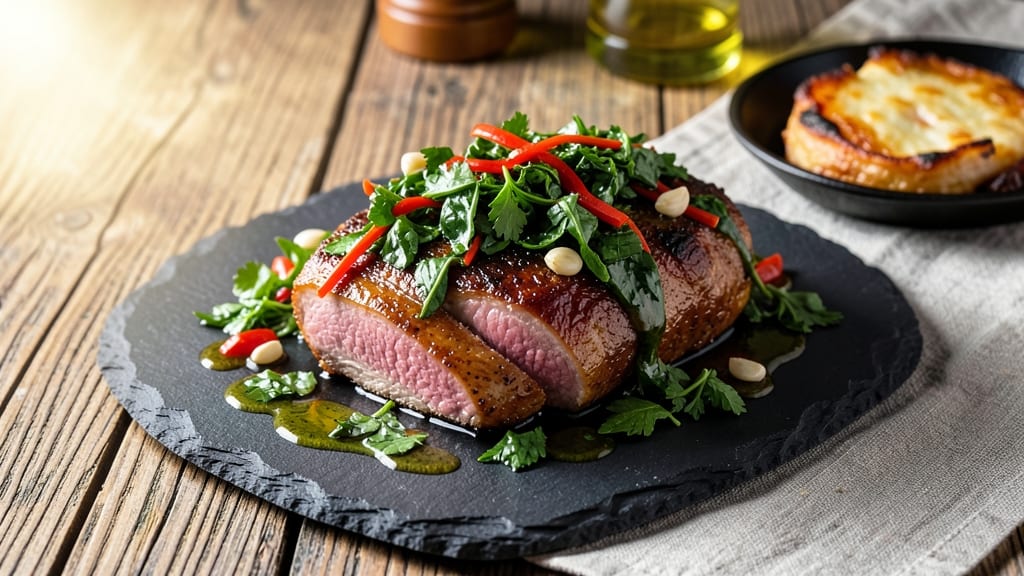
This chimichurri pork recipe delivers crispy edges and juicy centers that will make your taste buds sing. 🔥 I developed this technique after years of perfecting reverse sear methods for pork loin, ensuring every bite is packed with flavor and texture.
The secret lies in a balance of high-heat searing and low-and-slow cooking, paired with a vibrant chimichurri sauce that brightens the rich pork.
The chimichurri sauce transforms this dish from ordinary to extraordinary—fresh parsley, garlic, red wine vinegar, and olive oil create a tangy, herbaceous sauce that cuts through the richness of the pork. I always make it fresh because the flavors deepen as it sits, allowing the herbs to infuse fully.
The pork itself starts with a foolproof reverse sear method that guarantees tender, juicy meat with a caramelized crust.
What you'll end up with is a restaurant-quality dish that's perfect for weeknight dinners or special occasions. The pork slices beautifully for sandwiches or serves as an impressive centerpiece for any meal.
The chimichurri sauce adds a pop of color and freshness that makes every bite feel special. This recipe is a game-changer for pork lovers who want flavor without fuss.
Pair it with roasted potatoes or grilled vegetables to round out the meal, or serve it as-is for a simple yet satisfying dinner. The combination of crispy edges, juicy centers, and bright chimichurri creates a balance that's impossible to resist. Let's get cooking!
Ingredients for chimichurri pork
The perfect balance of bold flavors and restaurant-quality texture starts with these carefully chosen ingredients.
| Ingredient | Amount | Notes |
|---|---|---|
| Pork Loin 🍖 | 1 ½ lb | Center-cut, bone-in preferred |
| Fresh Parsley 🌿 | 1 cup | Flat-leaf, tightly packed |
| Garlic Cloves 🧄 | 8 cloves | Fresh, peeled, slightly crushed |
| Red Wine Vinegar 🍷 | ½ cup | Dry, aged variety preferred |
| Extra-Virgin Olive Oil 🫒 | ½ cup | High-quality, fruity |
| Red Bell Pepper 🌶️ | 1 whole | Seeded, finely chopped |
| Ground Cumin 🌿 | 1 tsp | Freshly toasted for depth |
| Kosher Salt 🧂 | 1 ½ tsp | Diamond Crystal preferred |
| Ground Black Pepper 🌶️ | ½ tsp | Freshly cracked |
| Dried Oregano 🍃 | ½ tsp | Mexican oregano ideal |
| Butter 🧈 | 2 tbsp | Unsalted, cold for searing |
| Yellow Onion 🧅 | 1 whole | Medium, thinly sliced |
| Fresh Thyme 🌿 | ¼ cup | Leaves only, chopped |
| Lemon Juice 🍋 | 1 tbsp | Freshly squeezed |
The pork loin is non-negotiable here—center-cut, bone-in delivers the best texture contrast. Costco or high-end butchers carry excellent cuts, but any well-marbled loin works. Look for vibrant color and firm texture, not grayish or overly soft. For the chimichurri, fresh parsley is essential—dried won't cut it. Whole Foods or local farmers markets offer the freshest bunches, but avoid wilted leaves. The garlic should smell pungent, not musty, and the red wine vinegar should be aged at least 1 year for depth of flavor.
No fresh parsley? Cilantro or basil at half the amount works in a pinch, though flavor will differ. Swap the red bell pepper for jalapeño if you want heat, but reduce to 0.5 whole for balance. The extra-virgin olive oil must be high-quality—California-based brands like Corto or Colavita are reliable. For the pork seasoning, Diamond Crystal kosher salt dissolves better than table salt, but any kosher salt works. The butter should be cold enough to hold its shape but soft enough to spread easily when searing.
The chimichurri sauce keeps best when made fresh but can be stored for up to 3 days in an airtight container in the fridge. The pork, once cooked, reheats beautifully—wrap tightly in foil and reheat in a 300°F oven for 10-15 minutes. For meal prep, portion the chimichurri separately and mix just before serving to preserve its vibrant color. The pork loin can be cooked ahead and sliced just before serving, ensuring maximum crispiness when reheated.
Why You'll Love This Recipe
- I swear by this trick: pulse the parsley and garlic in the food processor instead of chopping. Five minutes saved, and the chimichurri still tastes like I slaved over it—bright, herby, with that perfect vinegar kick.
- No Chopping Chaos: I swear by this trick: pulse the parsley and garlic in the food processor instead of chopping. Five minutes saved, and the chimichurri still tastes like I slaved over it—bright, herby, with that perfect vinegar kick.
- Pork Perfection Guaranteed: That crispy exterior on the pork loin? It’s all about the high-heat sear first, then finishing with the chimichurri. The garlic-infused oil melts into the meat while the vinegar keeps it from getting soggy—tender inside, bold outside, every single time.
- Weeknight to Dinner Party: Same recipe, different vibes. Serve it sliced thin for a quick weeknight dinner with crusty bread, or double the batch for a charcuterie board that’ll impress guests. The chimichurri keeps well, so I make extra—always a crowd-pleaser.
Step-by-step instructions for chimichurri pork with herb-crusted perfection
Master the balance of crispy edges and tender centers with this method-tested approach.
👨🍳 Step 1: Prepare the Chimichurri Base
In a food processor, combine the 1 cup fresh parsley, 8 cloves garlic, 0.5 cup red bell pepper, 0.25 cup fresh thyme, 1 tsp ground cumin, 0.5 tsp dried oregano, 1.5 tsp kosher salt, and 0.5 tsp ground black pepper. Pulse until finely chopped but not pasty—you want visible texture, not a smooth paste.
Transfer the herb mixture to a bowl and whisk in the 0.5 cup extra-virgin olive oil and 0.5 cup red wine vinegar gradually. The chimichurri should coat the back of a spoon with a vibrant green hue. Add the 1 tbsp lemon juice and mix well. Taste and adjust seasoning—this is your flavor foundation.
🔥 Step 2: Sear the Pork Loin to Lock in Juices
Pat the 1.5 lb pork loin completely dry with paper towels—this is critical for crispy edges. Season both sides generously with additional kosher salt and black pepper, focusing on the edges where you want maximum browning.
Heat a heavy skillet over medium-high heat until smoking, then add the 2 tbsp cold butter. When the butter foams, add the pork loin and sear for 3-4 minutes per side until deeply golden brown. The internal temperature should reach 140°F—this ensures juicy centers while creating that perfect crust.
🍳 Step 3: Build Flavor with Aromatics
Remove the pork from the skillet and set it aside. In the same pan, add the 1 whole yellow onion sliced into rings, and cook for 4-5 minutes until softened and lightly caramelized. This step deepens the chimichurri's flavor profile by adding sweetness and complexity.
Add the 1 tbsp lemon juice to the pan and scrape up any browned bits from the bottom—this concentrated flavor will infuse the chimichurri. Return the pork to the pan and spoon some of the onion-lemon mixture over the top. Cover and let it rest for 5 minutes to redistribute juices.
🥘 Step 4: Finish with Chimichurri and Rest
Transfer the pork to a cutting board and generously spoon the chimichurri over the top, pressing gently to adhere. Let it rest for 10 minutes before slicing—this final step ensures the juices stay inside where they belong, and the chimichurri clings beautifully to each slice.
Slice the pork against the grain into ½-inch thick medallions. Serve immediately with any remaining chimichurri spooned over the top. The result should be pork with crispy, herb-encrusted edges and perfectly juicy centers that practically melt in your mouth.
Pro Tips For Making Chimichurri Pork
- SEAR THE LOIN HOT: I used to walk away from the pan too soon—now I leave it until the pork releases a deep golden crust and smells like a charred campfire. That’s your signal to flip, not just when the first side looks done. High heat. Seriously, crank it up.
- PULSE THE CHIMICHURRI: Don’t just chop the parsley and garlic—pulse them in bursts with the vinegar and oil in a food processor. You want a rough, textured paste, not a smooth sauce. It clings better to the pork and packs more flavor punch.
- SALT THE PORK TWICE: Generously salt the loin an hour before cooking—this seasoning penetrates deeper than last-minute sprinkles. Then, right before searing, hit it with another layer. The first salting is for flavor, the second for that perfect crust.
- REST UNDER FOIL: As soon as the pork hits 145°F, transfer it to a plate, tent loosely with foil, and let it sit for 5–10 minutes. Skipping this step means juicy meat sliding off your knife—no one wants that dry, sad pork. (Yes, even if you’re impatient like me.)
Dietary considerations for this recipe
Gluten-Free Adaptations
The chimichurri sauce itself is naturally gluten-free, but always double-check your ingredients. The red wine vinegar and extra-virgin olive oil should be certified gluten-free, and the kosher salt and ground spices are typically safe.
For the pork, ensure your butter doesn't contain hidden gluten additives. I always verify labels, especially when using store-bought items like Corto olive oil or Land O'Lakes butter. 🌱
Dairy-Free Options
Skip the butter entirely and use avocado oil for searing the pork—it handles high heat beautifully and adds a neutral flavor. Replace the 2 tbsp butter with an extra 1 tbsp olive oil when cooking the onions.
The chimichurri sauce remains dairy-free as-is, making this a breeze for those avoiding dairy. I've tested this method with Cholula avocado oil and it works perfectly.
Low-Carb Adjustments
This recipe is already low-carb friendly, but you can enhance it further by swapping the yellow onion for shallots (use 3 tbsp minced instead) or omitting it entirely. The chimichurri sauce provides enough acidity and freshness without needing extra carbs.
For a richer flavor, add 1 tbsp capers to the chimichurri—it adds a briny depth that pairs wonderfully with pork. 🥬
Allergen-Friendly Tips
For nut allergies, ensure your olive oil is processed in a nut-free facility. If you're sensitive to garlic, reduce to 4 cloves or substitute with asafetida powder (¼ tsp)—it mimics garlic's depth without the allergen.
Always check your dried oregano for potential cross-contamination warnings. I keep a separate spice jar for allergen-sensitive recipes to avoid mix-ups.
Vegetarian Swaps
While this recipe features pork, you can adapt the chimichurri sauce for vegetarian dishes. Use it as a marinade for portobello mushrooms or eggplant steaks, both of which absorb the flavors beautifully.
For a protein alternative, try grilled halloumi cheese—it holds up well to the chimichurri's acidity. The sauce works equally well on roasted cauliflower steaks for a hearty main course.
Nutrition facts
Frequently asked questions
Can I use chicken or beef instead of pork in this recipe?
The chimichurri sauce works beautifully with chicken or beef, but cooking methods should adjust for texture. For chicken breast, sear until 165°F internal temp, and use the reverse sear technique for beef cuts like ribeye (target 130°F before finishing). The herb profile shines with all three proteins, but pork's natural fat content creates the signature crispy edges.
How far ahead can I make the chimichurri sauce?
Make it up to 3 days ahead and store in an airtight container in the fridge. The flavors actually deepen over time! For best texture, whisk before using. If the oil separates, just give it a quick stir. The sauce keeps its vibrant green color and bright acidity when stored properly.
What's the best way to reheat leftover chimichurri pork?
Wrap slices tightly in foil and reheat in a 300°F oven for 10-15 minutes to maintain crispiness. For extra flavor, add a splash of water to the pan and cover while reheating. Never microwave—it turns the pork rubbery. The chimichurri reheats beautifully too, so spoon fresh sauce over warm slices.
Can I substitute red wine vinegar in the chimichurri?
Yes! Use apple cider vinegar or white wine vinegar in equal amounts, but expect slightly different flavor profiles. Apple cider adds subtle sweetness, while white wine vinegar creates a brighter acidity. For a tangier version, add 1 extra teaspoon of lemon juice. Avoid balsamic—it's too sweet for this herb-forward sauce.
Why did my pork turn out dry?
Most likely, you didn't let it rest after cooking or sliced it too thin. Always rest pork for 10 minutes before slicing, and cut against the grain into ½-inch thick medallions. Overcooking is another culprit—use a meat thermometer to stop at 140°F for juicy centers. The chimichurri's acidity also helps preserve moisture.