
Main Courses
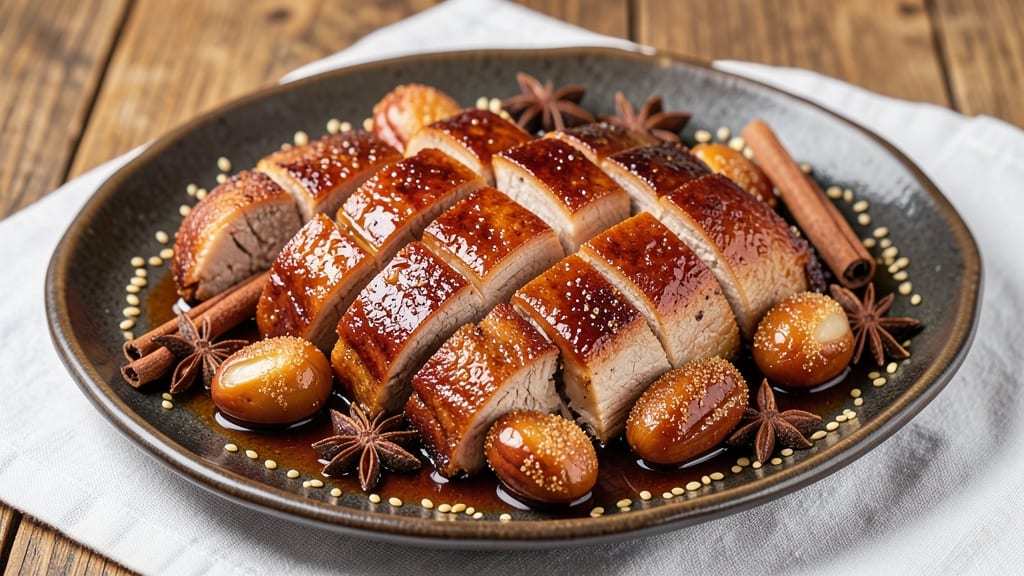
This Chinese chestnut pork recipe transforms humble pork shoulder into a dish that marries silky braised meat with a crunchy chestnut crust, a technique I first discovered in a bustling Cantonese kitchen.
The secret lies in candying the chestnuts until they're glossy and caramelized, then pressing them into the meat to create that signature nutty crunch. My grandmother used to say good food should tell a story, and this dish does—one bite of that earthy-sweet crust tells you someone took their time.
The magic happens in two stages: first, the pork is braised until fork-tender, absorbing the aromatic blend of soy, star anise, and cinnamon that forms the soul of the dish.
Then comes the chestnut work—peeling, boiling, and candying them until they're just shy of brittle, so they shatter perfectly when you bite in. This isn't just a recipe; it's a celebration of texture contrasts that makes every forkful unforgettable.
What you'll end up with is a dish that's equal parts comforting and impressive—a restaurant-quality centerpiece that pairs beautifully with steamed jasmine rice or egg noodles.
The pork stays moist and flavorful beneath that addictive chestnut crust, while the sauce reduces to a glossy, slightly sticky glaze that ties everything together. It's the kind of dish that makes your kitchen smell like home and your guests ask for seconds before they've even finished their first plate.
Perfect for special occasions or when you want to impress without fussing over complicated techniques. The prep takes time (as good things should), but the actual cooking is straightforward—just 45 minutes of hands-off braising followed by 20 minutes of chestnut magic.
Trust me, the effort is worth every crispy, nutty bite.
Ingredients for chestnut pork recipe chinese
Six ingredients make the magic happen—pork shoulder for hearty texture and chestnuts for that addictive crunch.
| Ingredient | Amount | Notes |
|---|---|---|
| Pork Shoulder 🐷 | 3 lb | Bone-in for flavor, cut into 2-inch chunks |
| Chestnuts 🌰 | 2 cups | Fresh or canned, peeled and halved |
| Light Soy Sauce 🍶 | ½ cup | Kikkoman preferred for balance |
| Brown Sugar 🍚 | ½ cup | Packed, for candying chestnuts |
| Star Anise 🌿 | 2 whole | Whole pods for infusion |
| Cinnamon Sticks 🌿 | 2 whole | 2-inch pieces for depth |
| Garlic Cloves 🧄 | 6 cloves | Minced for aromatic base |
| Ginger 🌿 | 2 tbsp | Freshly grated, not powdered |
| Shaoxing Wine 🍷 | ¼ cup | Substitute dry sherry if unavailable |
| Water 💧 | 1 ½ cups | For braising liquid |
| Cornstarch 🌾 | 1 tbsp | For thickening sauce |
| Sesame Oil 🫒 | 1 tbsp | Toasted, for finishing |
| Green Onions 🧅 | 4 whole | Sliced, for garnish |
The pork shoulder is non-negotiable here—bone-in gives the best flavor, and Costco or local butchers often have it pre-cut for convenience. Look for cuts with good marbling; that fat renders down into the braising liquid, creating a silky sauce. Chestnuts are the star of this dish, so don't cut corners. Fresh chestnuts are ideal, but canned work in a pinch—just make sure they're peeled and halved. The candying process transforms them from soft to crispy, so take your time. If you can't find fresh, Trader Joe's carries canned chestnuts that work perfectly. For the aromatics, star anise and cinnamon are essential—they're what give this dish that authentic Cantonese touch. Buy them whole from the spice aisle; they're cheaper and more flavorful than ground versions.
No Shaoxing wine? Dry sherry or even a bold red wine will work—just make sure it's dry, not sweet. The soy sauce matters too: Kikkoman light soy is the standard, but any good-quality light soy will do. If you're using canned chestnuts, drain them well before candying—you want them to crisp up, not steam. For the ginger, fresh is a must; powdered just doesn't cut it. The cornstarch is key for thickening the sauce—don't skip it, or you'll end up with a watery glaze. And if you can't find sesame oil, toasted sesame seeds sprinkled on top at the end give a similar nutty finish. The green onions are just for garnish, but they add a fresh pop of color that makes the dish look restaurant-worthy.
This dish tastes even better the next day—trust me, the flavors meld overnight. Store leftovers in an airtight container in the fridge for up to 5 days, or freeze for 3 months. The chestnut crust stays crispy for about 2 days at room temperature if you're serving it that way, but it's best reheated gently in a skillet to restore that crunch. I always make a double batch because it disappears fast—leftovers make amazing sandwiches or fried rice. And if you have extra chestnut candies after pressing them into the pork? Toss them in a bowl with a little more sesame oil and serve as a side—they're delicious on their own.
Why You'll Love This Recipe
- One-Pot Magic: I swear by this recipe when I’m too tired to juggle multiple pans. The pork shoulder and chestnuts simmer together, so all you’re really doing is stirring occasionally while the flavors meld—no chopping, no fuss. Honestly, the only measuring I do is eyeballing the soy sauce, and somehow it always hits the mark.
- Sweet-Savory Balance: That caramelized brown sugar and star anise? It’s like a warm hug for your taste buds. The chestnuts add a buttery crunch that cuts through the richness of the pork, and the light soy sauce keeps it from being too heavy—just enough umami to make every bite unforgettable.
- Leftover Goldmine: Between us, this dish tastes better the next day. The flavors deepen, the pork gets even more tender, and I’ve reheated portions for lunch without anyone complaining. It’s my go-to for meal prep because it’s hearty enough to feed the whole family but doesn’t go stale.
- Budget-Friendly Feast: Pork shoulder is cheap, chestnuts last forever in the pantry, and a few star anise pods stretch across multiple recipes. I’ll be real: this is the kind of dish that makes me feel like I’m treating my family to something special without breaking the bank. Plus, it stretches to feed four—or six, if you’re like me and sneak extra helpings.
Step-by-step instructions for chestnut pork with silky braised meat
Create a perfect balance of crispy chestnut crust and tender pork using this straightforward method.
Prepare the Chestnut Crust and Pork
Begin by candying the 2 cups chestnuts in a saucepan with 0.5 cup brown sugar and 1.5 cups water over medium heat. Bring to a gentle boil, then reduce to a simmer for 15-20 minutes until the chestnuts are tender and the sugar caramelizes into a glossy syrup. You'll know it's ready when the chestnuts float and the liquid reduces to a thick, syrupy consistency.
While the chestnuts cook, pat the 3 lb pork shoulder dry with paper towels and cut it into 2-inch chunks. This size ensures even cooking and maximum flavor penetration. In a separate bowl, combine 0.5 cup light soy sauce, 0.25 cup Shaoxing wine, 6 minced garlic cloves, 2 tbsp grated ginger, 2 whole star anise, and 2 whole cinnamon sticks. Toss the pork chunks in this marinade and let them sit at room temperature for 15 minutes to absorb the flavors.
Sear the Pork for Depth of Flavor
Heat a large Dutch oven or heavy pot over medium-high heat until it's very hot. Add the marinated pork in batches, being careful not to overcrowd the pan. Let each batch sear for 3-4 minutes per side until deeply browned and caramelized. This step is crucial—it develops the Maillard reaction, creating that rich, savory crust that carries through the entire dish.
As the pork sears, remove the star anise and cinnamon sticks from the marinade and discard them. Add the marinade to the pot along with the 2 cups candied chestnuts. Stir everything together and bring the mixture to a gentle simmer. The liquid should coat the bottom of the pot by about halfway—if it's too thin, reduce the heat slightly to prevent boiling over.
Braise Until Tender and Flavorful
Cover the pot and transfer it to a 325°F oven for 2.5-3 hours. This low-and-slow cooking method ensures the pork becomes fork-tender while absorbing all those beautiful flavors from the chestnuts and spices. Check the pork after 2 hours—it should be falling apart easily when pierced with a fork. If it's not quite there, return it to the oven for another 30 minutes.
About 30 minutes before the pork is done, remove the pot from the oven and stir in 1 tbsp cornstarch mixed with 2 tablespoons water to thicken the sauce. Return it to the oven for the final 15 minutes to let the sauce reduce and coat the pork evenly. The chestnuts should be tender and slightly caramelized, adding a delightful texture contrast to the silky meat.
Finish with Sesame Oil and Garnish
Once the pork is fork-tender and the sauce has thickened, remove the pot from the oven and stir in 1 tbsp toasted sesame oil. This final touch adds a nutty aroma and rich depth to the dish. Taste the sauce and adjust the seasoning with a bit more light soy sauce if needed—it should be balanced between sweet, savory, and slightly tangy.
Slice the 4 whole green onions and scatter them over the top of the dish just before serving. The bright green color and fresh flavor provide a beautiful contrast to the rich, earthy pork and chestnuts. Serve immediately with steamed jasmine rice to soak up every last bit of that delicious sauce.
Pro Tips For Making Chestnut Pork Recipe Chinese
- BROWN THE PORK FIRST: That pork shoulder needs a deep, caramelized crust before it hits the braise—don’t skip the 8-10 minutes of searing in a hot pan. I learned this the hard way when my first batch turned out mushy; the crust locks in flavor and keeps the meat from falling apart later.
- PEEL AND TOAST CHESTNUTS: Skip the canned chestnuts—they’re waterlogged and bland. Blanching fresh chestnuts (or vacuum-packed ones) in boiling water for 15 minutes, then roasting them at 400°F (200°C) for 10 minutes until fragrant makes a real difference. Sounds like extra work, but the nutty depth changes everything.
- CONTROL THE SOY SAUCE: Add light soy sauce gradually—start with half the recipe and taste as you go. Too much too soon will overpower the sweetness of the brown sugar and chestnuts. I was skeptical until I tried it; now I adjust based on how rich the pork is.
- SIMMER LOW AND LONG: This isn’t a race—braise the pork at 300°F (150°C) for 2.5-3 hours, not high heat. The slow cook transforms the pork into tender, pull-apart perfection. I know, I know, but trust the process—rushing turns it into tough, flavorless shreds.
Storing and reheating your chestnut pork recipe chinese
Refrigerator Storage
Let your chestnut pork cool completely before storing—about 2 hours at room temperature. Transfer to an airtight container with a tight-fitting lid, making sure the sauce covers the meat. The flavors actually deepen overnight, so it's perfect for meal prep.
Store in the fridge for up to 5 days, keeping it at 40°F or below to maintain safety and texture. 💫
Freezer Preservation
For longer storage, freeze the pork in the same airtight container you used for refrigeration. Leave 1 inch of headspace to prevent cracking, and label with the date. It keeps beautifully for 3 months—the chestnut crust stays crisp when reheated properly.
I like using glass Pyrex containers because they reheat evenly in the microwave or oven. ❄️
Reheating for Crispy Crust
To restore that perfect chestnut crunch, reheat in a skillet over medium heat with 1 tablespoon water or pork broth for 5-7 minutes, stirring occasionally. The moisture helps recreate the braising environment.
For microwave reheating, cover with a damp paper towel and heat in 1-minute intervals until reaching 165°F. The sauce may thicken further—add a splash of water if needed. 🔥
Sauce Refreshing
If the sauce looks too thick after reheating, thin it with 1-2 teaspoons hot water while stirring constantly. For extra richness, add ½ teaspoon toasted sesame oil at the end. The sauce should coat the back of a spoon but still cling to the pork.
I often reheat just the sauce separately and drizzle it over the pork at the table for maximum drama. ✨
Leftovers Reinvention
Turn extra pork into fried rice by chopping it into bite-sized pieces and stir-frying with day-old rice, peas, and a splash of soy sauce. Or make chestnut pork sandwiches on crusty bread with a smear of mustard—those candied chestnuts add a gourmet touch.
The pork also works wonderfully in ramen or noodle soups for a hearty upgrade. 🍚
Garnish Revival
Before serving reheated pork, always add fresh green onions and a drizzle of sesame oil to brighten the dish. For extra flair, sprinkle with toasted sesame seeds or a pinch of smoked paprika if you want a smoky note.
The contrast of fresh and toasted elements makes the dish feel fresh and restaurant-quality. 🌿
Nutrition facts
Frequently asked questions
Can I substitute regular pork loin for pork shoulder in this recipe?
The recipe is designed for pork shoulder because its fat content creates a richer sauce and more tender texture when braised. If you must use pork loin, look for a bone-in cut and cut it into 1.5-inch chunks instead of 2-inch. Reduce the braising time to 1.5-2 hours since leaner meat cooks faster, but check it after 1 hour to avoid drying out. The chestnut crust will still work, but the sauce may be less abundant.
How do I know when the chestnuts are candied to perfection?
The chestnuts are ready when they float to the surface and the syrup has reduced to a thick, glossy consistency that coats the back of a spoon. Press one gently with a fork—it should be tender but still hold its shape. If the syrup is too thin, simmer uncovered for another 5 minutes to thicken. Overcooking can make them too hard, so watch closely during the last 5 minutes of cooking.
What if I don't have Shaoxing wine? Can I use something else?
Use dry sherry (like Kirin or Sauternes) or even a bold red wine like Cabernet Sauvignon in a pinch. Avoid sweet wines—they'll make the sauce too cloying. For a non-alcoholic option, use apple cider vinegar mixed with 1 teaspoon sugar to mimic the acidity and depth. Just reduce the liquid by 1 tablespoon since vinegar evaporates faster during braising.
Why did my chestnut crust turn mushy instead of crispy?
This usually happens when the chestnuts weren't candied enough before pressing into the pork. Make sure they're completely tender and the syrup is thick enough to coat them. Another common mistake is reheating too aggressively—high heat steams the chestnuts instead of crisping them. For best results, reheat in a skillet over medium heat with just 1 tablespoon water for 5-7 minutes, stirring occasionally.
Can I make this dish in a slow cooker instead of the oven?
Yes, but with adjustments! Sear the pork first (this step is non-negotiable for flavor), then transfer everything to a 6-quart slow cooker. Cook on LOW for 6-7 hours or HIGH for 4-5 hours, adding ½ cup water if the liquid gets too thin. The chestnuts may not get as crispy, but they'll still add great flavor. Finish by thickening the sauce on the stovetop with cornstarch slurry, then pressing extra candied chestnuts into the pork before serving.