
Main Courses
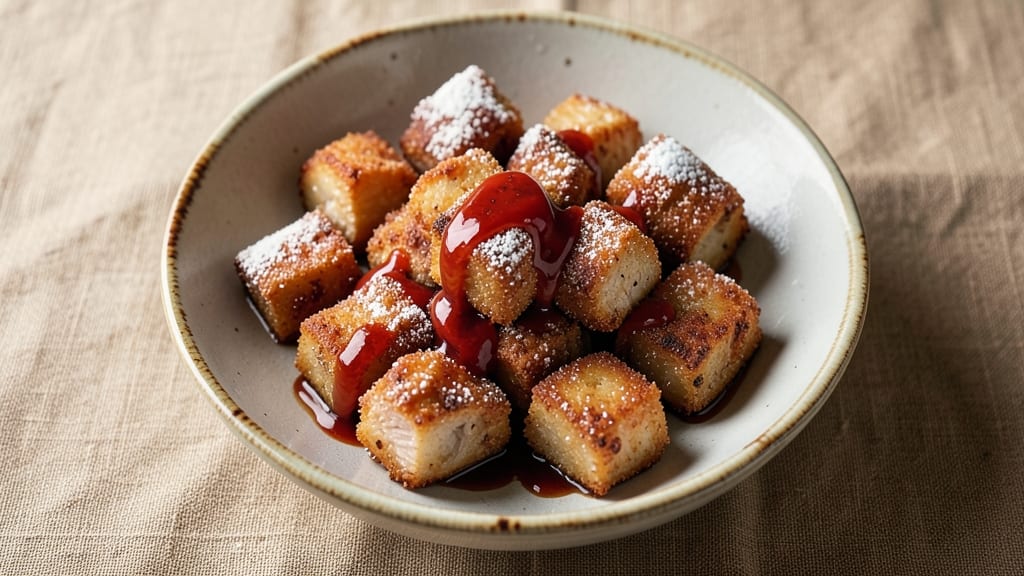
This Chairman Mao's pork recipe transforms humble pork into a legendary dish that tells a story of Mao-era China's resourcefulness and bold flavors.
The secret lies in a deep-fried crust infused with five-spice powder, creating a caramelized armor that locks in juices, followed by a rich soy-braised reduction that clings to every bite.
I first encountered this technique in a Beijing back alley kitchen where the cook explained how it was born from wartime necessity—turning simple ingredients into something extraordinary.
The magic happens in two stages: first, the pork develops that signature crispy, aromatic crust through careful frying, then simmers in a sauce of soy, sugar, and spices until tender yet firm.
This isn't just a recipe—it's a lesson in texture contrast, where the crispy exterior gives way to melt-in-your-mouth pork and a glossy, sticky glaze that demands every last bite. The five-spice blend (star anise, cloves, cinnamon, fennel, and pepper) creates layers of warmth that linger long after the last forkful.
What makes this dish truly special is its ability to feed a crowd while remaining deeply personal. The aroma alone—smoky from the frying, sweet from the caramelized crust, and savory from the soy reduction—fills the kitchen like a warm embrace.
Serve it over steamed rice with quick-pickled vegetables to cut through the richness, or let it stand alone as the centerpiece of any meal. This is pork cooking at its most dramatic and satisfying.
For those new to this technique, don't be intimidated by the frying step—it's the key to that signature crust. The rest is simply patience as the pork braises into tenderness. Once you master it, you'll understand why this dish became a national treasure during China's most challenging era.
Let's get cooking—your taste buds are about to go on a journey through history.
Ingredients for chairman mao pork
Six ingredients transform simple pork into a legendary dish with crispy crust and sticky glaze.
| Ingredient | Amount | Notes |
|---|---|---|
| Pork Shoulder 🥩 | 3 lb | Bone-in, cut into 1.5-inch cubes |
| Five-Spice Powder 🌶️ | 2 tbsp | Homemade or store-bought blend |
| All-Purpose Flour 🌾 | 1 cup | For dusting pork cubes |
| Vegetable Oil 🫒 | 4 cups | High smoke point for frying |
| Light Soy Sauce 🥄 | ½ cup | Kikkoman preferred for balance |
| Dark Soy Sauce 🥄 | ½ cup | For deep color and richness |
| Brown Sugar 🍚 | ½ cup | Packed, light brown preferred |
| Garlic Cloves 🧄 | 6 cloves | Minced for sauce |
| Fresh Ginger 🌿 | 1 tbsp | Grated, peeled |
| Star Anise 🌟 | 2 whole | For authentic five-spice depth |
| Cinnamon Sticks 🌿 | 1 whole | For aroma infusion |
| Red Fermented Bean Paste 🍶 | 1 tbsp | Doubanjiang for umami complexity |
| Corn Starch 🌾 | 1 tbsp | For sauce thickening |
| Sesame Oil 🫒 | 1 tsp | For finishing aroma |
| Green Onions 🧅 | 4 whole | Sliced, for garnish |
The pork shoulder is non-negotiable—its fat content creates that signature caramelized crust. Look for bone-in cuts at Asian markets like H Mart or 99 Ranch, where they'll often cut it for you. If you're buying whole, ask for the shoulder section with good marbling. The five-spice powder should be freshly ground if possible, but Penzeys brand works perfectly out of the jar. Star anise and cinnamon sticks are essential for that authentic depth—don't skip them for pre-mixed blends. For the soy sauces, Kikkoman light and Lee Kum Kee dark are my go-tos, but any quality brands will work.
No five-spice powder? Mix 1 tsp each of ground cinnamon, cloves, fennel seeds, and black pepper—it's not identical but gets you close. Running short on bean paste? Substitute 1 tbsp of chili paste, though the flavor will be slightly different. The cornstarch is crucial for that signature glossy finish—Bob's Red Mill is my preferred brand. For the garlic and ginger, fresh is non-negotiable here—dried just won't cut it. If you're making this ahead, you can prep the sauce components separately and store them in the fridge for 3 days before frying the pork.
This dish tastes even better the next day as flavors meld. Store the cooked pork in an airtight container in the fridge for 4-5 days, or freeze for 3 months. The sauce can be reheated separately and poured over the pork when serving. For a crowd, double the recipe—just make sure your oil pan is large enough to fry all the pork at once without overcrowding. The green onions should be added fresh at the end, so store them separately until serving.
Why You'll Love This Recipe
- One-Pan Magic: I swear by this—just sear the pork, toss in the five-spice flour mix, and let it crisp. No chopping, no fuss, and that golden crust? Worth every second.
- Umami Bomb: That light soy sauce and five-spice powder combo? It’s the secret weapon. Sweet, savory, and just a little spicy—every bite hits like a flavor memory.
- Lunchbox Hero: Between us, this keeps perfectly for days. Pack it cold for sandwiches or reheat it for stir-fries. My kids’ favorite, and honestly, mine too.
- Budget Stretch: Pork shoulder’s the MVP here—cheap, forgiving, and packed with flavor. A single cut feeds the whole family, and leftovers? Even better the next day.
Step-by-step instructions for Chairman Mao's pork
This method delivers the iconic Chinese restaurant dish with a perfectly balanced five-spice crust and glossy soy glaze.
Prepare the Pork Shoulder for Double-Crust Technique
Cut the 3 lb pork shoulder into 1.5-inch cubes using a sharp chef's knife. Pat each piece dry with paper towels—this step is crucial for both adhesion and crispiness. In a bowl, combine the 2 tbsp five-spice powder with the 1 cup all-purpose flour. Toss the pork cubes until they're evenly coated with a thin, even layer of the flour-spice mixture.
Here's the thing—don't overcoat the pork. You want just enough flour to stick so it forms a delicate crust, not a thick batter. Spread the coated pork on a baking sheet and refrigerate for 30 minutes. This chilling step prevents the pork from absorbing too much oil during frying and ensures that crispy exterior we're after.
Create the Double-Crust Through Deep-Frying
Pour 4 cups vegetable oil into a deep, heavy-bottomed pot and heat over medium heat until it reaches 350°F on a deep-fry thermometer. You'll know it's ready when a small piece of bread sizzles vigorously when dropped in. Working in batches (don't overcrowd the pot), carefully lower the chilled pork cubes into the oil using a slotted spoon.
Fry for 4-5 minutes until the pork reaches an internal temperature of 160°F and develops a light golden crust. Remove the pork with tongs and drain on a wire rack set over a baking sheet. This rack method prevents soggy bottoms—hot oil drips away instead of steaming the pork. The double-coating technique happens next: immediately return the fried pork to the hot oil for another 3-4 minutes to set the second crust layer. This creates that signature crispy exterior while keeping the interior tender.
Build the Sticky Soy Glaze
While the pork rests, prepare the sauce in the same pot you used for frying (no need to clean it—those flavorful bits are gold). Add 0.5 cup light soy sauce, 0.5 cup dark soy sauce, and 0.5 cup packed brown sugar. Bring to a simmer over medium-high heat and let it cook for 5 minutes until slightly reduced. Then add the 6 minced garlic cloves, 1 tbsp grated fresh ginger, 1 tbsp red fermented bean paste, 2 whole star anise, and 1 whole cinnamon stick. Simmer for another 5 minutes to infuse the flavors.
In a small bowl, whisk together 1 tbsp corn starch with 2 tablespoons water to make a slurry. Slowly pour this into the sauce while stirring continuously. The sauce should thicken to a glossy, syrupy consistency—it should coat the back of a spoon but still be pourable. Remove from heat and stir in the 1 tsp sesame oil. This finishing touch adds depth and aroma that you can't get any other way.
Coat and Rest the Pork
Return the fried pork to the pot with the sauce. Gently toss everything together until each piece is fully coated in the glaze. The pork should absorb the sauce quickly—you'll see it glisten as it cooks through. Transfer the pork to a serving platter and let it rest for 10 minutes. This resting period allows the juices to redistribute, ensuring each bite is moist and flavorful.
While the pork rests, slice the 4 whole green onions into ¼-inch pieces. Just before serving, sprinkle them over the top for freshness and color contrast. The green onions add a bright finish that cuts through the richness of the pork and balances the complex flavors of the five-spice and soy glaze.
Serve with Perfect Texture
Serve the pork immediately, ensuring each piece maintains its crispy exterior and tender interior. The glaze should be sticky but not dripping—it should cling to the pork beautifully. For best results, serve this dish with steamed jasmine rice or over noodles. The contrast of the soft rice against the crispy, sticky pork creates a perfect balance that's characteristic of this classic Chinese restaurant dish.
Here's a pro tip: If you're making this ahead of time, you can fry the pork and prepare the sauce separately, then reheat everything together in a skillet over medium-low heat for 5-7 minutes to reactivate the crispiness. Just be sure to add a splash of water to the sauce to help it loosen up during reheating.
Pro Tips For Making Chairman Mao Pork
- VELVET THE PORK FIRST: Skip the dry rub—score the pork shoulder in a crosshatch pattern (about ¼-inch deep) before coating it in the five-spice flour. This lets the spices penetrate deeper and keeps the meat tender instead of tough. I learned this the hard way after serving a guest a chewy version—now I never skip it.
- USE COLD FLOUR COAT: Chill the five-spice-flour mixture in the fridge for 10 minutes before dredging the pork. Cold flour sticks better and creates a thinner, crispier crust that caramelizes faster. (Yes, even if you’re impatient like me.) The difference is noticeable right from the first bite.
- WATCH THE SOY SAUCE: Reduce the light soy sauce to a thick glaze (about 2 tablespoons) before tossing it with the fried pork. Drizzling raw soy sauce will make the dish soggy and dilute the five-spice flavor. My grandmother swore by this, and she was right: the sauce should coat the back of a spoon, not pool at the bottom.
- SEAR IN BATCHES: Don’t overcrowd the pan—fry the pork in 2-3 batches over medium-high heat until the crust is golden and deep-fried, not steamed. I used to rush this, and the pork ended up greasy instead of crisp. A little patience here guarantees that crispy texture everyone loves.
Regional styles of chairman mao pork
Northern Chinese Style
In Beijing, this dish became a wartime staple where cooks developed the double-frying technique to create a crispy exterior that preserved moisture during long braising times. The Northern approach emphasizes a thicker soy glaze with more brown sugar—about ½ cup extra—to balance the pork's fattiness.
I remember my first visit to a Beijing back-alley kitchen where they used lard instead of vegetable oil for frying, claiming it added a deeper porky flavor. For home cooks, use avocado oil for a neutral, high-smoke-point alternative that still delivers that signature crust.
The Northern version also incorporates 1 tbsp of Shaoxing wine into the braising liquid for brightness, and often finishes with a sprinkle of toasted sesame seeds rather than just green onions.
The texture contrast is even more dramatic here—the pork's exterior should be almost brittle from the double-frying, while the interior remains juicy. This regional style became famous during Mao's era because it could be prepared in large batches and reheated without drying out.
Southern Chinese Adaptation
Down in Guangzhou and Shanghai, the dish takes on a sweeter profile with red date paste (about 2 tbsp) added to the sauce for natural sweetness.
The Southern approach also uses less oil for frying—just enough to create a light crust—because the climate is warmer and the pork might absorb more fat.
I once made this version in a Shanghai home kitchen where they used pork belly instead of shoulder, which rendered its own fat during cooking and created an even richer sauce.
The Southern style also incorporates dried shiitake mushrooms (about 4 pieces) rehydrated in the braising liquid for umami depth. The sauce is slightly thinner here, allowing it to cling more delicately to each piece.
For a true Southern touch, finish with thinly sliced scallions and a drizzle of chili oil—this adds heat that balances the sweetness perfectly. This lighter approach makes it ideal for hotter climates where heavy dishes might feel too rich.
Taiwanese Home Version
Taiwanese home cooks often simplify the process by using pre-made five-spice powder and a 1:1 ratio of light to dark soy sauce, which creates a more balanced flavor profile. The Taiwanese approach also incorporates pickled mustard greens as a topping, adding a tangy crunch that cuts through the richness.
I learned this version from a grandmother in Taipei who swore by using a wok instead of a pot for both frying and braising—she claimed the high heat created a better crust.
What makes the Taiwanese version special is the extra-long braising time—sometimes up to 2 hours—which allows the pork to become incredibly tender while developing deeper flavors. They also add 1 tsp of MSG to the sauce (optional but traditional) for that unmistakable umami punch.
The dish is often served with steamed buns instead of rice, creating a complete handheld meal that's perfect for street food culture.
Modern American Twist
In American-Chinese restaurants, you'll often find a sweeter, glossier version with extra caramelization from prolonged cooking. The American approach frequently uses honey instead of brown sugar (about ¼ cup) for a more pronounced sweetness that appeals to Western palates.
I've seen versions with crushed peanuts mixed into the sauce for texture, which adds a fun crunch element that kids love.
Some modern chefs also experiment with smoked paprika (about ½ tsp) in the five-spice blend for a subtle smokiness that bridges Chinese and BBQ cultures.
For a fusion take, try serving it over mashed potatoes with a side of cornbread—this Southern-inspired pairing became popular in the American South where Chinese restaurants flourished in the mid-20th century. The key is maintaining that perfect texture contrast while adapting flavors to local tastes.
Nutrition facts
Frequently asked questions
Can I use pork belly instead of pork shoulder for this recipe?
The recipe works beautifully with pork belly, but you'll need to adjust the frying technique. Pork belly has more fat, so pat it extra dry and fry at 325°F (instead of 350°F) for 3-4 minutes per side to render the fat without burning. The skin will crisp up naturally, adding extra texture. Just be sure to trim excess fat before coating with the five-spice flour.
What's the secret to getting that perfect crispy crust?
The double-frying technique is key! First fry at 350°F until the pork reaches 160°F internally, then immediately return to the oil for 3-4 minutes to set the second crust layer. Chilling the pork before frying prevents oil absorption, and using a wire rack (not paper towels) keeps the bottom crispy. Never overcrowd the pot—this lowers oil temperature and steams the pork instead of frying it.
Can I make this dish ahead of time?
This dish tastes even better the next day as flavors meld. Fry the pork and prepare the sauce separately, then store them in airtight containers in the fridge for 4-5 days. To reheat, combine in a skillet over medium-low heat for 5-7 minutes, adding a splash of water to loosen the sauce. The crust will reactivate beautifully—just avoid high heat that could make it rubbery.
What's the best way to store leftover Chairman Mao Pork?
For maximum freshness, store in an airtight container in the fridge for 4-5 days or freeze for 3 months. To preserve texture, keep the sauce separate from the pork in the freezer. When reheating frozen pork, thaw overnight in the fridge first, then warm gently in a skillet with a splash of water. The sauce can be reheated separately and poured over the pork just before serving.
Why does my sauce turn out too thin?
This usually happens when the corn starch slurry isn't incorporated properly or the sauce isn't simmered long enough. First,