
Main Courses
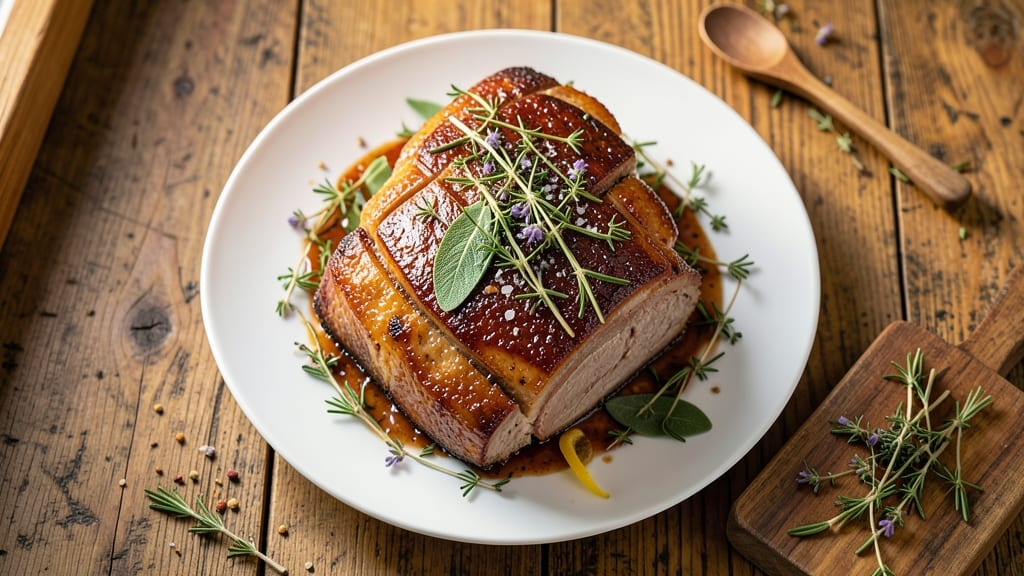
This center cut pork rib roast recipe delivers the juicy pink hearts and herb-crusted perfection that makes pork roasts unforgettable. After years of perfecting roasts in my Atlanta kitchen, I've cracked the code for achieving tender, flavorful meat with a crisp exterior—no guesswork required.
The secret lies in proper seasoning, precise temperature control, and knowing exactly when to pull it from the oven.
What sets this recipe apart is the herb crust that forms during roasting, locking in moisture while creating a fragrant, golden-brown bark. We start with a dry brine to ensure maximum tenderness, then sear the roast to develop deep, caramelized flavors.
The 145°F internal temperature guarantees medium-rare perfection at the center, while basting with pan juices keeps every bite succulent.
By the time you carve into this roast, you'll reveal rosy pink centers surrounded by perfectly browned edges, all infused with aromatic herbs. The technique is straightforward but yields restaurant-quality results—ideal for holiday feasts or special Sunday dinners.
The pan drippings alone make an impressive gravy, though I often pair it with roasted root vegetables or creamy mashed potatoes.
This method works beautifully with a 3-4 pound center-cut roast—large enough to impress but manageable for home cooks. The same principles apply whether you're cooking for six or twelve, making it versatile for any occasion. Let's get started on creating your most impressive pork roast yet.
Ingredients for center cut pork rib roast
Herb-infused, bone-in pork roast with juicy pink centers and crisp edges—this is your new go-to recipe.
| Ingredient | Amount | Notes |
|---|---|---|
| Center Cut Pork Rib Roast 🥓 | 3 ½ lb | Bone-in, center-cut for even cooking |
| Kosher Salt 🧂 | 2 tbsp | Diamond Crystal preferred, coarse grain |
| Freshly Ground Black Pepper 🌶️ | 1 ½ tsp | Freshly cracked for maximum flavor |
| Fresh Rosemary 🌿 | ½ cup | Finely chopped, stems removed |
| Fresh Thyme 🌿 | ¼ cup | Leaves only, stems discarded |
| Fresh Sage 🌿 | ¼ cup | Leaves only, finely chopped |
| Garlic Cloves 🧄 | 8 cloves | Smashed, skin-on for easier handling |
| Extra-Virgin Olive Oil 🫒 | 2 tbsp | High-quality, fruity variety |
| Unsalted Butter 🧈 | ½ cup | Cold, cubed for basting |
| Yellow Onion 🧅 | 1 whole | Quartered, skin-on for roasting |
| Carrots 🥕 | 4 whole | Whole, unpeeled for roasting |
| Fresh Parsley 🌿 | ⅛ cup | Chopped, for garnish |
| Beef Bone Broth 💧 | ½ cup | For basting, optional |
The center-cut pork rib roast is non-negotiable here—look for a 3-4 lb bone-in cut with good marbling. Whole Foods or your local butcher shop will have the best quality, but most grocery stores carry it too. For the herbs, grab fresh rosemary and thyme from the produce section—dried works in a pinch, but fresh gives that restaurant-quality aroma. I always buy extra rosemary because it keeps well in the freezer. The garlic should be firm with no green shoots, and the olive oil? Splurge on a good one—California Extra Virgin from the gourmet section makes all the difference. If you're prepping ahead, trim any excess fat from the roast but leave the bone intact for flavor.
No fresh herbs? Dried rosemary and thyme at half the amount will work, but the flavor won't be as vibrant. Short on time? Pre-chopped herb blends from Trader Joe's are a lifesaver—just measure carefully. The butter is key for basting, but if you're avoiding dairy, olive oil or ghee works just as well. For the vegetables, carrots and onions can be swapped for potatoes or parsnips—whatever you have on hand. The bone broth is optional but adds depth to the pan drippings for gravy. Pro tip: If your roast is larger than 4 lbs, add 1 extra tbsp of salt and 1 extra garlic clove to keep the seasoning balanced.
This roast reheats beautifully—just warm the slices in a 350°F oven for 10-15 minutes with a splash of broth. The herb crust stays fragrant for 3-4 days in the fridge, but the meat itself is best eaten within 2 days. For longer storage, wrap tightly in butcher paper and freeze for up to 3 months. The pan drippings make the best gravy—just whisk in 2 tbsp of cold butter at the end for extra richness. I always make a double batch of herbs because they go great on roasted potatoes or mashed cauliflower too. Leftovers? Toss them in a pork fried rice the next day—game changer.
Why You'll Love This Recipe
- Foolproof Seasoning: The rosemary and thyme? They cling to that pork like it’s their job—no fancy marinating, just a quick rub before the oven. Honestly, the salt and pepper do most of the heavy lifting, but those herbs turn it from good to "oh my gosh, why didn’t I do this sooner?"
- One-Pan Magic: Between us, this is the kind of recipe where you set the timer, walk away, and come back to perfect results. The center cut stays juicy while the edges get that golden crust—no basting, no stress, just hands-off cooking. My lazy Sundays thank me every time.
- Leftovers That Win: This roast actually improves the next day. Thinly slice it for sandwiches, toss it into pasta, or just reheat with a splash of broth—it’s that versatile. I’ll be real: half the time, I make it just for the leftovers.
- Budget-Friendly Feast: A single rib roast feeds four, maybe five, and the ingredient list? Salt, pepper, herbs you’re probably already growing. It’s the kind of meal that makes you feel fancy without breaking the bank—or your grocery budget. (Yes, even on a Tuesday night.)
Step-by-step instructions for herb-crusted pork rib roast
Here's how to transform a simple pork roast into a showstopping centerpiece with tender pink hearts and aromatic herb crust.
Prepare the Herb Crust Mixture
In a food processor, pulse the 0.5 cup fresh rosemary, 0.25 cup fresh thyme, and 0.25 cup fresh sage until finely chopped but not pasty. Transfer to a medium bowl and mix with the 2 tablespoons kosher salt and 1.5 teaspoons freshly ground black pepper. This herb blend should be vibrant green with visible flecks of each herb.
Add the 8 smashed garlic cloves and pulse briefly to break them down slightly while keeping some texture. The mixture should be coarse enough to create a textured crust rather than a smooth paste. I like to run my fingers through it to ensure even distribution of the herbs and garlic throughout the salt and pepper.
Season and Sear the Pork Roast
Pat the 3.5 lb center cut pork rib roast completely dry with paper towels—this is critical for developing that perfect crust. Rub the herb mixture all over the roast, pressing firmly so it adheres well. Then, in a large skillet over medium-high heat, add 2 tablespoons extra-virgin olive oil and sear the roast on all sides until deeply golden brown, about 3-4 minutes per side.
While the roast sears, preheat your oven to 325°F. The high heat at the start creates a flavorful crust while the lower oven temperature ensures even cooking through the thickest parts. Don't rush this searing step—you're building flavor foundation here that will carry through the entire roast.
Roast with Vegetables and Basting
Place the seared roast on a rack set inside a roasting pan. Arrange the 1 whole quartered yellow onion and 4 whole carrots around the roast—their natural juices will help keep everything moist. Pour the 0.5 cup beef bone broth into the bottom of the pan, which will create steam and prevent drying.
Roast uncovered for 1 hour and 45 minutes or until the internal temperature reaches 145°F for medium-rare (the pink hearts we're aiming for). Every 30 minutes, spoon the pan juices over the roast and flip it to ensure even exposure to the heat. The vegetables will caramelize beautifully, adding depth to the dish.
Rest and Garnish for Presentation
Remove the roast from the oven and transfer it to a cutting board. Tent loosely with foil and let rest for 20-30 minutes—this resting period is where the magic happens. The juices redistribute throughout the meat, ensuring each slice remains juicy rather than losing moisture when sliced.
While resting, melt the 0.5 cup unsalted butter in a small saucepan over low heat until just melted. Stir in the 0.125 cup chopped fresh parsley and brush this herb butter generously over the roast. The butter adds richness while the parsley provides a fresh finish that brightens all the herb flavors we've built.
Slice and Serve with Confidence
Slice the roast between the ribs into 1-inch thick portions, cutting through the bone if needed. The meat should be fork-tender with a beautiful pink center and crisp herb crust. Serve immediately with the roasted vegetables and any pan juices reduced by half for a glossy sauce.
Each bite should deliver that perfect balance of tender pork, aromatic herbs, and rich flavor. The pink hearts indicate perfect doneness—juicy, flavorful, and ready to impress your guests. Save any leftovers for sandwiches or salads the next day, where the pork will only get more delicious as it rests further.
Pro Tips For Making Center Cut Pork Rib Roast
- Dry the Roast First: Take the pork out of the fridge an hour before cooking and pat it thoroughly with paper towels—even if it feels dry. I used to skip this with rib roasts, and the crust never got crispy, no matter how much I seared it. Wet surfaces = steam, not browning.
- Season Like It’s a Crime: Use at least 1 tablespoon kosher salt per pound of meat, plus a heavy hand with pepper. My first attempt with "just a little" salt left the roast bland, even after resting. The herbs (rosemary/thyme) need that salt to stick and infuse.
- Start Hot, End Slow: Sear the roast on high heat for 5 minutes per side until deeply browned, then drop the oven to 325°F (165°C) for the rest of the cook. Rushing the sear = gray meat; skipping the low-and-slow finish = tough, dry pork. I learned this after serving a roast that looked perfect but tasted like shoe leather.
- Rest Under Foil: As soon as the roast hits 145°F (63°C), transfer it to a cutting board, tent loosely with foil, and walk away for 10 minutes. I know, waiting is hard—but cutting into it too soon turns juicy meat into a sad, leaking pile. The foil keeps it warm while the juices redistribute.
Best sauces and condiments for this recipe
Classic Herb Gravy
Start by removing the roast from the pan after resting and placing it on a cutting board. Pour the pan drippings into a saucepan over medium-high heat, scraping up any browned bits with a wooden spoon—this is where all the flavor lives.
Add 0.5 cup beef bone broth and bring to a simmer. For a richer texture, whisk in 2 tablespoons cold butter (this tempers the sauce beautifully). Simmer for 3-4 minutes until slightly thickened.
Strain through a fine-mesh sieve to remove any herb debris, then season with a pinch of salt and freshly cracked pepper. This gravy should coat the back of a spoon but still be silky smooth. 💛
Mustard Cream Sauce
For a tangy twist, make this quick sauce by combining ½ cup whole milk with 2 tablespoons Dijon mustard and 1 tablespoon heavy cream in a small saucepan. Warm over low heat until just heated through, then stir in 1 tablespoon unsalted butter until melted.
Season with ½ teaspoon kosher salt and ¼ teaspoon black pepper. This sauce pairs perfectly with the rich pork, cutting through the fat with its bright acidity. I love drizzling it over sliced roast before serving. ✨
Apple Cider Glaze
When you want something sweet-savory, this glaze is a showstopper. In a small saucepan, combine ½ cup apple cider with 1 tablespoon honey and 1 teaspoon fresh thyme leaves. Simmer over medium heat until reduced by half (3-4 minutes).
Finish with 1 teaspoon apple cider vinegar and brush generously over the sliced roast just before serving. The acidity and fruitiness complement the pork's richness beautifully. 🍏
Brown Butter Pan Sauce
After removing the roast, let the pan drippings cool slightly, then place the pan over medium heat and add 3 tablespoons cold butter. Cook without stirring until the butter foams and turns golden brown (2-3 minutes).
Immediately pour in ¼ cup beef bone broth to deglaze, scraping up all the browned bits. Simmer for 2 minutes until slightly thickened. This nutty, caramelized sauce adds incredible depth to the dish. I often finish it with a sprinkle of fresh parsley. 🧈
Garlic-Herb Butter
For a quick, elegant finish, mix ½ cup softened unsalted butter with 2 minced garlic cloves, 1 tablespoon chopped fresh parsley, ½ teaspoon kosher salt, and ¼ teaspoon black pepper. Form into a log, wrap in parchment paper, and chill for 30 minutes until firm.
Slice and serve alongside the roast for guests to spread on their plates. This adds a luxurious touch that feels special but takes minutes to prepare. 🌿
Nutrition facts
Frequently asked questions
What's the best way to choose a center-cut pork rib roast at the store?
Look for a roast with good marbling—visible white fat streaks throughout the meat. The bone should be intact, and the meat should feel firm but springy to the touch. A 3-4 pound roast is ideal for 6 servings, but if you're feeding more, go up to 5 pounds. Ask your butcher to trim excess fat but leave the bone in for flavor.
Can I cook this roast at a higher temperature for faster cooking?
While tempting, cooking at 400°F or higher risks drying out the meat before the center reaches 145°F. The 325°F method ensures even cooking with juicy pink hearts. If you're short on time, sear at high heat first, then reduce to 300°F for the final 30 minutes to finish gently.
What if my roast finishes at 145°F but still feels tough?
This usually means it cooked too long or was overcrowded in the pan. The roast should reach 145°F in 1 hour 45 minutes for a 3.5 lb cut. If it's tough, try slicing thinner (½-inch instead of 1-inch) or serving with a sauce (like the mustard cream) to tenderize. The resting time is crucial—never skip the 20-30 minute rest!
How do I adjust this recipe for a larger crowd?
For every additional 2 pounds of roast, add 15-20 minutes to cooking time and 1 extra garlic clove. Scale up the herb mixture proportionally (e.g., 4 tbsp salt for a 5 lb roast). Use two roasting pans if needed, and increase the bone broth to 1 cup for basting. The key is maintaining the 325°F temperature and basting every 30 minutes.
What's the best way to reheat leftovers?
Slice leftovers and reheat in a 350°F oven for 10-15 minutes with a splash of beef broth or apple cider to keep them moist. For sandwiches, warm slices in a skillet over medium heat for 2-3 minutes per side. Never microwave—it turns pork rubbery. Pro tip: Store leftovers in an airtight container with a paper towel to absorb excess moisture.