
Main Courses
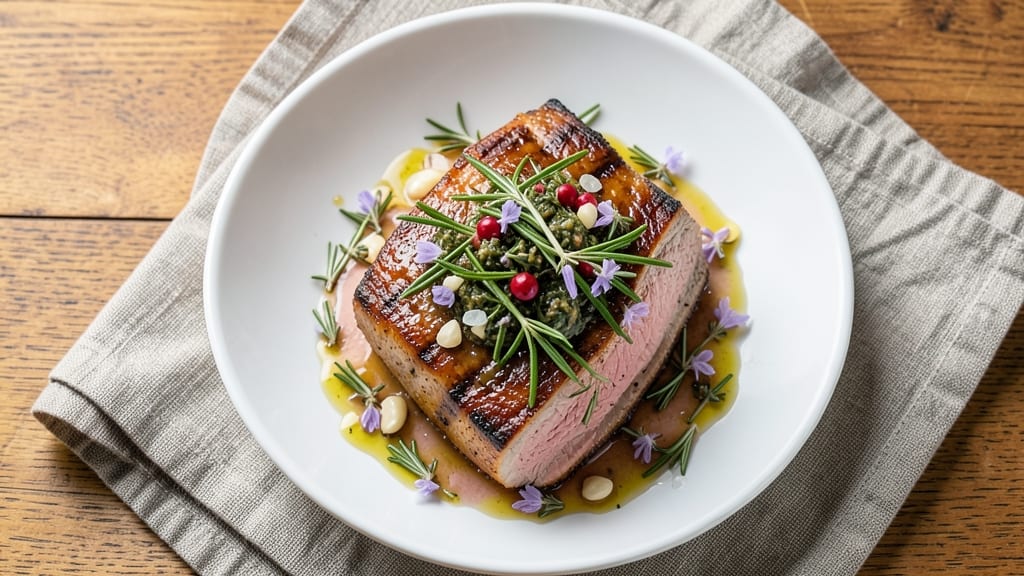
This 2.5-pound pork tenderloin recipe delivers a restaurant-quality roast with a herb-crusted exterior and juicy, melt-in-your-mouth core—the kind of dish that makes Sunday dinner feel like a celebration.
After years of perfecting pork techniques in professional kitchens, I’ve developed a method that ensures consistent results, whether you’re grilling, roasting, or pan-searing. The secret lies in proper seasoning, precise cooking temperatures, and letting the meat rest—steps that transform a simple cut into something extraordinary.
The beauty of this recipe is its versatility. You can keep it simple with a classic salt-and-pepper crust or elevate it with a garlic-herb rub or honey-mustard glaze, depending on your mood. What matters most is achieving that 145°F internal temperature—no guesswork, just perfect doneness every time.
The pork’s natural tenderness shines when paired with complementary sides like roasted root vegetables or a crisp apple slaw, making it a crowd-pleaser for any occasion.
What you’ll end up with is a golden, aromatic roast that slices effortlessly, revealing a moist, flavorful interior with a crust that’s crisp enough to stand up to bold sauces.
The difference between this and store-bought pork? Flavor depth that comes from fresh herbs, quality seasoning, and respect for the cooking process. This isn’t just dinner—it’s a showstopper that’ll have everyone asking for seconds.
Whether you’re feeding a family or hosting guests, this recipe scales beautifully and delivers foolproof results—no matter your skill level. Let’s get started on a pork tenderloin that’ll impress even the most discerning palates.
Ingredients for 2.5 pound pork tenderloin
Quality cuts and fresh herbs transform simple pork into a showstopping herb-crusted roast.
| Ingredient | Amount | Notes |
|---|---|---|
| Pork Tenderloin 🥩 | 2 ½ lb | Center-cut, trimmed of silver skin |
| Fresh Rosemary 🌿 | ½ oz | Finely chopped, stems removed |
| Fresh Thyme 🌿 | ½ oz | Leaves only, stems discarded |
| Garlic Cloves 🧄 | 8 cloves | Minced, for herb paste |
| Extra-Virgin Olive Oil 🫒 | ¼ cup | High-quality, fruity variety |
| Diamond Crystal Kosher Salt 🧂 | 2 tsp | Coarse grain preferred |
| Freshly Ground Black Pepper 🌶️ | 1 tsp | Freshly cracked preferred |
| Unsalted Butter 🧈 | 2 tbsp | Cold, cubed for crust |
| Fresh Parsley 🌿 | ¼ cup | Chopped, for garnish |
| Honey 🍯 | 1 tbsp | Optional for glaze |
| Dijon Mustard 🍯 | 1 tbsp | For glaze option |
| Vegetable Oil 🫒 | 2 tbsp | For searing |
The pork tenderloin is the star—look for a center-cut with good marbling at your butcher or grocery store's meat department. Whole Foods or Costco often carry premium cuts, but even your local supermarket's premium section works. Trim the silver skin carefully—it can make the crust uneven. For the herbs, fresh is non-negotiable here. The rosemary and thyme should smell vibrant, not dusty. If you're short on time, dried herbs at one-third the amount will work, but you'll lose that restaurant-quality aroma. The garlic? Freshly minced makes all the difference—don't use that pre-minced jar stuff.
No fresh rosemary? Substitute with 1 tsp dried rosemary, but toast it first in a dry pan for 30 seconds to wake up the flavor. Short on thyme? Oregano or marjoram works in a pinch, but reduce to half the amount. For the glaze, if you skip honey, maple syrup or balsamic glaze adds depth. The Dijon mustard is key for that tangy kick—substitute with 1 tsp lemon juice if you're out. The olive oil matters too—avoid the cheap stuff. A good California extra-virgin will elevate everything. For the butter crust, use European-style butter if you can find it—it has more fat and creates a better crust.
Pork tenderloin keeps best in the coldest part of your fridge, wrapped in parchment paper. Use within 3-4 days for best texture. The herb paste can be made a day ahead—store it in an airtight container in the fridge. For leftovers, slice and reheat gently in a pan with a splash of broth to keep it moist. This roast reheats beautifully—3-5 minutes at 325°F is perfect. Portion into containers for easy lunches, but trust me, you'll eat it all in one sitting.
Why You'll Love This Recipe
- Foolproof Timing: I swear by this 20-minute prep—just sear the pork in the same pan you’ll roast it, then let the oven do the work. No hovering, no stress, just that perfect golden crust forming while you chop up a side salad.
- Herb-Packed Magic: The rosemary and thyme practically melt into the pork, but not in a mushy way—just fragrant, bright layers that make every bite taste like a fancy bistro. (Yes, even on a Tuesday night.)
- Leftovers That Shine: This recipe makes enough for dinner and lunch the next day—slice it thin, toss it in a pan with a splash of balsamic, and suddenly you’ve got a whole new meal. My kids fight over the scraps.
- Budget-Friendly Feast: A 2.5-pound tenderloin feeds four generously, and the herbs (even fresh ones) stretch the flavor without breaking the bank. Honestly, it’s the kind of meal that makes grocery day feel like a win.
Step-by-step instructions for herb-crusted pork tenderloin
Here's how to transform a simple pork tenderloin into a showstopping herb-crusted masterpiece with a juicy core.
Create the Herb Paste and Prep the Meat
In a small bowl, combine the 0.5 oz fresh rosemary, 0.5 oz fresh thyme, 8 cloves minced garlic, 2 tsp diamond crystal kosher salt, and 1 tsp freshly ground black pepper. Add the 0.25 cup extra-virgin olive oil and mix into a thick paste using a fork. This aromatic blend will infuse every bite with flavor.
Pat the 2.5 lb pork tenderloin completely dry with paper towels—this is crucial for achieving a crispy crust. The meat should feel almost tacky to the touch. Spread the herb paste evenly over the entire surface, pressing gently to help it adhere. Let it sit at room temperature for 15 minutes while you prepare the oven.
Sear for Maximum Flavor and Crisp
Preheat your oven to 400°F. Heat a large oven-safe skillet over medium-high heat and add the 2 tbsp vegetable oil. Once shimmering hot, carefully place the pork tenderloin in the skillet. Sear for 3-4 minutes per side until the herb crust is deeply golden brown and the meat releases easily from the pan.
Here's the thing—don't rush this step. You want that crust to develop fully before moving to the oven. The searing creates a flavorful barrier that locks in juices during roasting. If the paste starts to smoke before browning, reduce heat slightly and continue cooking.
Roast to Perfect Medium-Rare
Transfer the seared pork tenderloin to the preheated oven. Roast for 20-25 minutes until the internal temperature reaches 140°F for medium-rare. This is where the magic happens—the herb crust crisps further while the interior remains tender and juicy. For best results, use a meat thermometer inserted into the thickest part of the meat.
I always check for doneness by pressing gently with a finger—it should feel just slightly springy, not firm. The pork will continue cooking slightly as it rests, so pulling it out at 140°F ensures perfect medium-rare doneness. If you prefer more well-done meat, continue roasting until 145°F internal temperature.
Create the Optional Honey-Dijon Glaze
While the pork roasts, prepare the glaze by combining the 1 tbsp honey and 1 tbsp Dijon mustard in a small bowl. Whisk until smooth and set aside. This glaze adds a beautiful finish and complementary sweet-tangy flavor that pairs perfectly with the herb crust.
If you're making the glaze, brush it over the pork in the last 5 minutes of roasting. Watch carefully as it caramelizes—this is when the dish really comes together visually. The glaze should be sticky but not runny, creating a glossy sheen that enhances both presentation and flavor.
Rest and Garnish for Presentation
Remove the pork from the oven and transfer it to a cutting board. Let it rest for 10-15 minutes before slicing. This resting period is absolutely critical—it allows the juices to redistribute throughout the meat, preventing them from pooling and running out when you cut. During this time, melt the 2 tbsp unsalted butter in a small saucepan over low heat.
Once rested, slice the pork into ½-inch thick medallions. Spoon the melted butter over each slice and garnish with the 0.25 cup chopped fresh parsley. Serve immediately with the pan juices drizzled over the top. The result should be tender, juicy pork with a perfectly crisp herb crust and that beautiful glaze finish.
Pro Tips For Making 2.5 Pound Pork Tenderloin
- USE A MEAT THERMOMETER: Pork tenderloin’s small size tricks you—it cooks fast, but checking internal temp at 145°F (not guessing by color) keeps it juicy. I learned this the hard way after serving dry slices because I pulled it "just before" and overdid it.
- TRIM THE FAT, NOT THE FLAVOR: Pork tenderloin hides tiny fat pockets near the edges—trim them clean, but leave the silver skin intact. It adds texture and prevents curling during cooking (yes, even if it looks weird).
- SALT THE MEAT TWICE: Season generously right after trimming, then again 30 minutes before cooking. The second layer lets salt penetrate deeper, especially if your tenderloin is thick. I skip this when I’m lazy, and the crust suffers.
- ROAST LOW AND SLOW AFTER SEARING: Start with a screaming-hot pan to brown the meat, then transfer to a 325°F oven. High heat upfront locks in juices, while low-and-slow finishes it evenly. Crowding the pan? You’ll steam the meat instead of searing it.
Regional styles of these flavors
Southern BBQ Style
In the Southeast, we take our pork tenderloin with a smoky, bold twist. Start with a dry rub of 2 tbsp smoked paprika, 1 tbsp brown sugar, 1 tsp cayenne, and 1 tsp garlic powder mixed with 1 tbsp olive oil.
Coat the tenderloin and smoke it at 250°F for 1.5-2 hours until it reaches 195°F internal temperature. The result? A tender, slightly charred exterior with deep, smoky notes that'll remind you of a Carolina pitmaster's touch. Serve with classic vinegar-based coleslaw and crusty cornbread. 🔥
Italian Herb-Crusted
This is my go-to when I'm craving something from the old country. After searing the pork, coat it in a mix of 1 tbsp dried oregano, 1 tbsp dried basil, 1 tsp fennel seeds, 1 tsp red pepper flakes, and 1 tbsp grated Parmesan cheese.
Roast at 400°F for 20 minutes until golden. Finish with a squeeze of lemon and fresh basil. The Italian touch adds bright, aromatic flavors that cut through the richness beautifully. Pair with a crisp Pinot Grigio and roasted potatoes. 🌿
Texas-Style Spiced
For a Texan-inspired version, I like to add 1 tbsp ground cumin, 1 tsp coriander, and ½ tsp cinnamon to the herb paste. The cumin gives it that signature Southwestern warmth while keeping it elegant.
After roasting, I brush the slices with a mix of ½ cup salsa verde and 2 tbsp sour cream for a creamy, tangy finish. Serve with charro beans and grilled corn on the cob. This version is perfect for summer gatherings. 🌶️
French Herb Butter
Channeling my time in France, I create a herb butter crust by mixing softened butter with 1 tbsp chopped tarragon, 1 tbsp chopped chives, and 1 tsp lemon zest.
After searing, I wrap the pork in foil with this butter mixture and roast at 375°F for 25 minutes. The result is a luxurious, buttery crust with delicate herbal notes. Finish with a sprinkle of fresh chervil and serve with a Chardonnay and ratatouille.
This version feels fancy enough for a dinner party. ✨
Caribbean Jerk-Inspired
For a tropical twist, I marinate the pork in a blend of 2 tbsp jerk seasoning (store-bought or homemade with allspice, thyme, and Scotch bonnet), 1 tbsp lime juice, and 1 tbsp soy sauce for 4 hours before cooking.
Grill or roast at 375°F until caramelized. The jerk marinade adds a fiery, sweet-spicy kick that's perfect for summer. Serve with coconut rice and grilled pineapple. This version is a crowd-pleaser at any backyard barbecue. 🌴
Nutrition facts
Frequently asked questions
Can I cook a 2.5 lb pork tenderloin in a regular oven?
A standard home oven works perfectly for this recipe. Preheat to 400°F and use an oven-safe skillet for searing, then transfer to the oven for roasting. The key is using a meat thermometer to monitor the internal temperature—aim for 140°F for medium-rare or 145°F for well-done. If your oven runs hot, reduce the temperature to 375°F and add 5-10 minutes to the roasting time.
How do I keep the pork tenderloin from drying out?
The secret is never overcooking it! Pork tenderloin is a lean cut, so it's easy to dry out if left in the oven too long. Always pull it out when it reaches 140°F for medium-rare (it'll rise to 145°F while resting). Brushing with melted butter during the last 5 minutes of roasting adds moisture, and letting it rest for 10-15 minutes before slicing keeps all the juices inside.
What's the best way to slice a cooked pork tenderloin?
Slice against the grain at a 45-degree angle for the most tender results. Start by cutting the pork into ½-inch thick medallions, then slice each medallion diagonally into ¼-inch slices. This maximizes tenderness and creates beautiful presentation. Always use a sharp chef's knife—dull blades crush the fibers and make the meat tougher.
Can I make this recipe ahead of time?
Yes, but with some adjustments. Prepare the herb paste and coat the pork up to 24 hours ahead, then refrigerate uncovered (this helps dry the surface for better crust). Cook it fresh when ready, or you can roast it ahead and reheat slices gently in a pan with a splash of broth for 3-5 minutes at 325°F. For best texture, avoid reheating the whole roast.
What if my pork tenderloin is uneven in size?
No problem! Adjust the cooking time based on thickness. For example, if one end is 1.5 inches thick and the other is 2 inches, start checking the thicker end first. The 140°F internal temperature rule still applies—use a meat thermometer in the thickest part. If you're worried about uneven cooking, you can tent the thinner end with foil during roasting.