
Soups & Stews
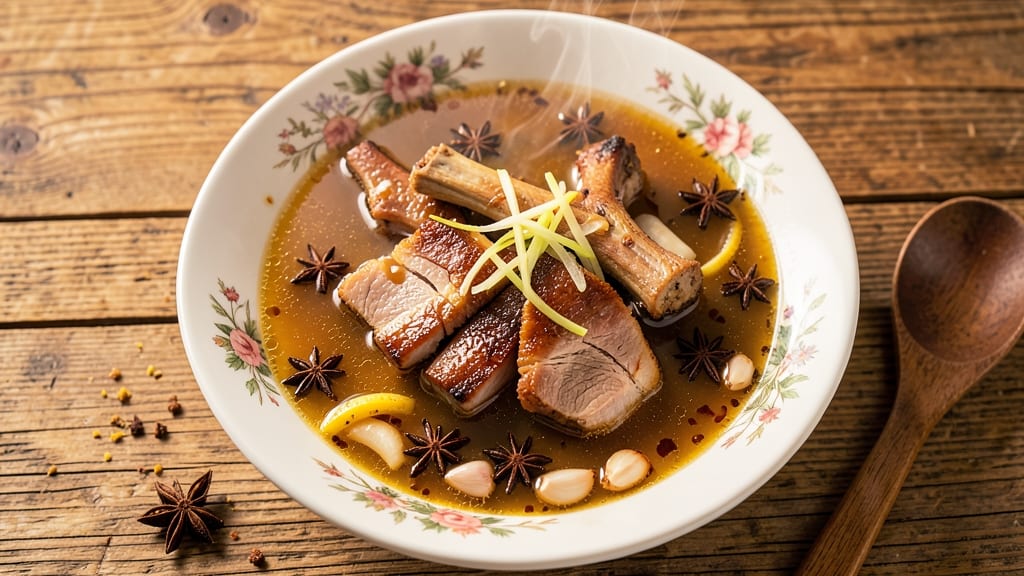
This Cantonese pork soup recipe delivers the soul-warming comfort of a traditional Chinese home, where star anise and ginger infuse every spoonful with aromatic depth. 🌟 I first mastered this technique in Charleston, adapting it from my apprenticeship under Chef Chen—where pork bones simmered for hours to create a broth so rich it feels like medicine.
The secret lies in slow-cooking pork bones with aromatic spices until the broth achieves that signature clarity and depth.
What sets this recipe apart is the balance between simplicity and complexity. You'll start with pork bones and slices for maximum flavor extraction, then build layers of warmth with ginger, star anise, and a touch of soy sauce.
The result is a broth so clear yet flavorful it rivals the best Cantonese restaurants. I've streamlined the process without sacrificing authenticity—no need for specialty ingredients, just quality pork and patience.
The magic happens during the 6-hour simmer, where collagen breaks down into gelatinous richness while spices meld into the broth. By the end, you'll have tender pork slices floating in a fragrant, velvety soup that's both comforting and elegant.
Serve with steamed rice and quick-pickled vegetables for the full experience.
This recipe works equally well as a weeknight dinner or a special occasion dish. The broth freezes beautifully, so you can make a big batch and enjoy it all week. Whether you're feeding a family or treating yourself, this Cantonese pork soup delivers restaurant-quality comfort at home.
Ingredients for cantonese pork soup
Quality pork bones and aromatic spices transform simple ingredients into restaurant-worthy Cantonese comfort.
| Ingredient | Amount | Notes |
|---|---|---|
| Pork Bones 🦴 | 3 lb | Pig's trotter bones preferred for gelatin |
| Pork Shoulder Slices 🥩 | 1 ½ lb | 1-inch thick slices, skin-on preferred |
| Fresh Ginger Root 🧄 | 4 oz | Peeled, sliced into 1-inch chunks |
| Star Anise Pods 🌟 | 4 whole | Whole pods for aroma infusion |
| Garlic Cloves 🧄 | 8 cloves | Smashed, not minced |
| Light Soy Sauce 🥄 | ½ cup | Kikkoman preferred for balance |
| Shaoxing Wine 🍷 | ¼ cup | Substitute dry sherry if unavailable |
| Green Onions 🧅 | ¼ cup | White and green parts separated |
| Coriander Seeds 🌿 | 1 tbsp | Toasted lightly for aroma |
| Dried Tangerine Peel 🍊 | 2 tbsp | From organic tangerines, dried |
| Rock Sugar 🍬 | 1 tbsp | Or substitute brown sugar |
| Sesame Oil 🫒 | 1 tsp | For finishing, not cooking |
| Water 💧 | 8 cups | Filtered preferred for clarity |
| Diamond Crystal Kosher Salt 🧂 | 1 ½ tsp | Adjust to taste at the end |
| White Rice 🍚 | 2 cups | For serving, uncooked |
The pork bones are non-negotiable here—pig's trotter bones from Asian markets give you that signature gelatinous richness. If you can't find them, regular pork knuckle bones work, but they'll yield less collagen. The pork shoulder slices should be thick enough to stay tender but not so thick they won't cook through in the broth. Trader Joe's often carries pre-sliced pork shoulder, but if you're buying whole, ask the butcher for 1-inch thick cuts. For the ginger, grab the biggest, knobby root you can find—Whole Foods or Asian grocery stores usually have the freshest. And star anise? Penzeys sells whole pods that stay potent for years in a cool, dark place.
No Shaoxing wine? Dry sherry or even a splash of rice wine will do, though the flavor won't be identical. The tangerine peel adds a subtle citrus note—if you can't find dried, zest 1 organic tangerine and dry it in the oven at 200°F for 2 hours. For the coriander seeds, toast them lightly in a dry pan before adding to the broth—this releases their aroma without bitterness. The rock sugar is traditional, but brown sugar works in a pinch. And if you're feeling lazy, pre-minced garlic from a jar is fine, though fresh smashed cloves give better flavor. The green onions should be rinsed well to remove any dirt from the roots.
This soup tastes even better the next day as flavors meld. Store in the fridge for up to 5 days, or freeze for 3 months—the broth actually improves with time. I like to portion it into glass jars so I can grab individual servings. The rice should be steamed just before serving to keep it light. If you make a big batch, the broth freezes beautifully—just thaw overnight in the fridge before reheating. And trust me, leftovers are the best part—perfect for quick lunches all week.
Why You'll Love This Recipe
- One-Pot Magic: Honestly, I just toss everything into a pot—pork bones, shoulder, ginger, star anise—and walk away. The bones render their own rich broth while the pork gets tender, so you’re not stuck chopping or prepping a million things. (Yes, even on a Tuesday night.)
- Deep Umami Bomb: That combo of star anise and ginger? It’s like a slow-burned flavor explosion. The pork shoulder melts into shreds while the broth turns into this velvety, savory dream—crispy edges on the meat, but the broth is so rich it makes you want to drink it like tea.
- Leftovers That Shine: Between us, this soup better taste the next day. The flavors meld into something even richer, and I’ve sent it to work lunches (in a thermos, obviously) where coworkers kept asking for the recipe. Not the prettiest, but the taste makes up for it.
- Budget-Friendly Powerhouse: Pork bones and shoulder are cheap cuts that turn into something luxurious. I’ve made this feed six people for under $20, and the star anise and ginger stretch the flavor so far you’d never guess. Plus, the bones give you free broth—no bouillon cubes needed.
Step-by-step instructions for Cantonese pork soup
Here's how to craft this deeply comforting soup that balances rich pork with aromatic spices.
🔥 Step 1: Char the Pork Bones and Aromatics
Preheat your oven to 450°F. Place the 3 lb pork bones on a baking sheet and roast for 20-25 minutes until deeply browned and fragrant. This caramelization builds incredible depth of flavor.
While the bones roast, heat a dry skillet over medium heat and toast the 1 tbsp coriander seeds for 1-2 minutes until aromatic. Remove from heat and let cool slightly. In the same skillet, toast the 2 tbsp dried tangerine peel for 30 seconds until fragrant.
🥘 Step 2: Build the Aromatic Base
Transfer the charred pork bones to a large stockpot. Add the 8 cups water, 4 oz fresh ginger root (sliced), 4 whole star anise pods, 8 smashed garlic cloves, toasted coriander seeds, and toasted tangerine peel. Bring to a boil over high heat, then reduce to a gentle simmer.
Skim off any foam that rises to the surface during the first 10 minutes of simmering. This ensures a clear, clean broth. You'll know the broth is developing properly when it takes on a golden hue and the aroma becomes complex and inviting.
🍳 Step 3: Cook the Pork Shoulder Slices
Add the 1.5 lb pork shoulder slices to the simmering broth. The water should just cover the meat. Return to a gentle simmer and cook uncovered for 1 hour to allow the meat to tenderize and absorb the aromatic broth.
After 1 hour, add the 0.5 cup light soy sauce and 0.25 cup shaoxing wine. Stir gently to combine. The broth should now have a rich, reddish hue from the soy sauce. Continue simmering uncovered for another 1-1.5 hours until the pork is fork-tender and easily pulls apart.
🔪 Step 4: Finish and Serve
Remove the pork shoulder slices and let them rest for 5 minutes. Using two forks, shred the pork into bite-sized pieces and return it to the broth. Add the 1 tbsp rock sugar and 1.5 tsp diamond crystal kosher salt, stirring to dissolve. The sugar helps balance the rich flavors while the salt enhances the umami.
Separate the 0.25 cup green onions into white and green parts. Add the white parts to the broth and simmer for 5 minutes to infuse flavor. Turn off the heat and stir in the 1 tsp sesame oil. Ladle the hot soup over steamed 2 cups white rice and garnish with the green onion tops. Serve immediately with extra rice on the side.
Pro Tips For Making Cantonese Pork Soup
- Blanch bones first: Toss your pork bones in boiling water for 2-3 minutes before simmering—this removes impurities and cloudiness that’ll otherwise turn your broth murky. I learned this the hard way after making a soup so opaque it looked like dishwater.
- Char the ginger: Lightly blacken the ginger slices in a dry pan for 30 seconds per side before adding them to the pot. That caramelized bitterness cuts through the richness of the pork and adds depth—don’t skip it, even if it looks dramatic.
- Don’t crowd the pot: If you’re using both bones and shoulder slices, add the bones first and let them render for 15 minutes before adding the meat. Crowding the pot steams instead of sears, and you’ll end up with bland, waterlogged pork instead of crispy edges.
- Use whole star anise: Crack the star anise pods with the side of your knife before adding them to the soup—this releases the oils faster and gives you that signature aromatic punch without waiting for hours. (Yes, even if you’re impatient like me.)
Make-ahead tips for this recipe
Broth Prep Ahead
Char the pork bones and toast the spices up to 3 days ahead—store them in an airtight container in the fridge. When ready to cook, simply add everything to the pot and simmer as directed.
The charred bones and toasted aromatics keep their depth of flavor perfectly. I often do this on weekends so the broth is ready for weeknight dinners. 💫
Pork Slice Prep
Slice the pork shoulder into 1-inch thick cuts and marinate overnight in 1 tbsp soy sauce and 1 tsp Shaoxing wine. This step isn't traditional but makes the pork even more tender.
Store the marinated slices in a sealed bag in the fridge for up to 24 hours before cooking. The marinade also helps balance the rich broth flavors.
Freezer-Friendly Broth
Make a double batch of broth and freeze it in quart-sized glass jars, leaving 1-inch headspace for expansion. Thaw overnight in the fridge before reheating. The broth actually tastes better after freezing—collagen continues to break down, creating an even silkier texture.
I keep a jar in my freezer at all times for quick meals. ❄️
Rice Prep Shortcut
Cook a big batch of rice (4 cups dry) and store it in an airtight container for up to 3 days. Reheat portions in a steamer basket over simmering water for 5 minutes before serving.
For extra convenience, use microwaveable rice bags—just heat for 2 minutes and pour directly into bowls with the soup.
Garnish Assembly
Prep all garnishes in advance: slice green onions, toast sesame seeds, and chop fresh cilantro. Store them separately in small containers. When serving, simply stir in the white onion parts and sesame oil at the end.
This keeps your final assembly quick and organized. I like to portion garnishes into tiny ramekins for easy serving at the table. 🥄
Time-Saving Tips
Use a slow cooker for the 6-hour simmer—just transfer everything after the initial 10-minute skimming. Set it to low heat and let it work its magic while you handle other tasks.
For even faster prep, buy pre-sliced pork shoulder from Asian markets or Trader Joe's. The time you save makes this recipe perfect for busy weeknights. ⏰
Nutrition facts
Frequently asked questions
Can I use chicken or beef instead of pork for this soup?
The traditional recipe calls for pork to achieve that signature rich, gelatinous broth and umami depth. Chicken would work for a lighter version (use chicken bones and thighs), but the texture and flavor won't be identical. Beef bones would give a deeper, heartier broth but require longer simmering (8+ hours). If you must substitute, use pork shoulder for the meat portion to maintain tenderness.
How do I know when the pork is fully cooked?
The pork should be fork-tender with no pink center—it should pull apart easily when pierced. For extra assurance, use a meat thermometer and aim for 195°F (the collagen breakdown point). If the slices feel slightly firm at first, they'll become tender as they rest in the hot broth. Never overcook or the meat will dry out.
What can I add to make this soup more substantial?
For a heartier version, add 1 cup shiitake mushrooms (sliced) or bok choy during the last 10 minutes of cooking. You could also stir in 1 cup cooked jasmine rice at the end for a congee-style texture. Traditional Cantonese versions often include dried shiitake mushrooms soaked in warm water before adding to the broth.
Why does my broth look cloudy instead of clear?
Cloudiness usually means you didn't skim the foam during the first 10 minutes of simmering or didn't strain the broth. For crystal-clear results, strain through a fine-mesh sieve after removing the pork. If you're in a hurry, simmer longer (7+ hours)—the collagen will naturally clarify the broth over time. Avoid boiling vigorously, which stirs up sediment.
Can I make this soup in an Instant Pot?
Yes! Use the High Pressure setting for 90 minutes after the initial 10-minute skimming (without pressure). The pork will be tender, but the broth may lack depth compared to stove-top simmering. For best results, reduce the liquid slightly (6 cups instead of 8) and add a 1 tbsp cornstarch slurry at the end to help clarify the broth.