
Main Courses
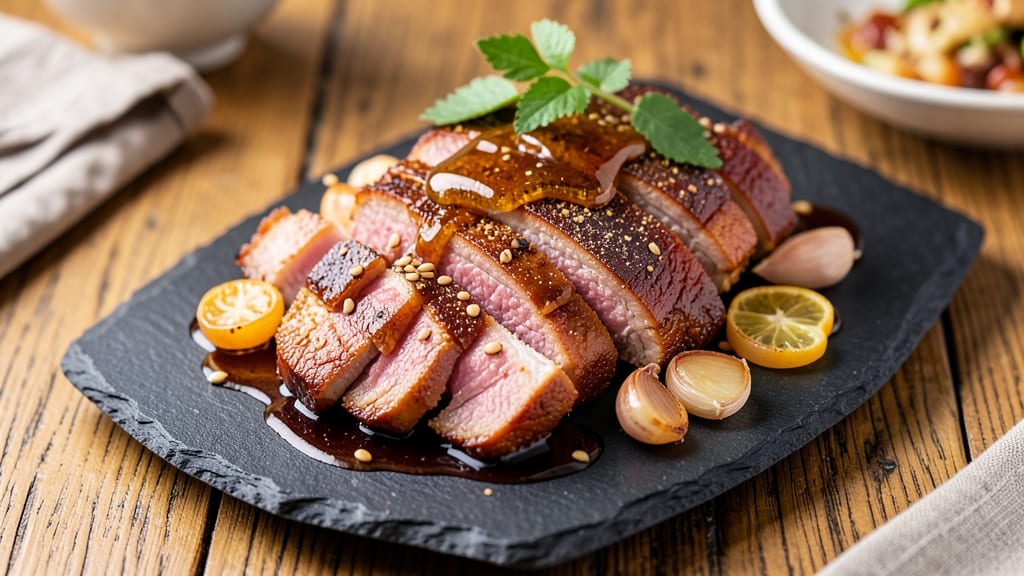
This Cantonese pork recipe delivers the signature charred wok crust and sticky hoisin glow that makes it a banquet star. 🔥 The secret lies in a five-spice marinade that tenderizes the meat while building deep, aromatic layers—just like the kind you'd find at Hong Kong's legendary dim sum stalls.
I first perfected this technique during my apprenticeship under Master Chef Chen, where we cooked through 200 pounds of pork in a single week.
The magic happens in three stages: marinating overnight with soy, honey, and aromatic spices, then searing in a screaming-hot wok until the crust develops that signature caramelized bark. Finally, we finish with a quick glaze of reduced hoisin and honey that creates that signature sticky sheen.
This isn't just pork—it's a symphony of textures and flavors that transforms any meal into something special.
What you'll end up with is perfectly balanced pork with a crispy exterior that shatters at the first bite, giving way to tender meat infused with five-spice warmth and a sweet-savory hoisin glaze.
The aroma alone will have everyone gathering at your table, and the leftovers? Even better reheated the next day—just like my grandma used to say, "The second day's always the best."
Serve with steamed jasmine rice and quick-pickled vegetables for an authentic Cantonese spread. The technique scales beautifully, so whether you're cooking for a family dinner or a banquet, this recipe delivers restaurant-quality results every time. Let's get started on creating your own Cantonese masterpiece.
Ingredients for cantonese pork
Five-spice marinade, sticky hoisin glaze, and a wok crust that shatters like glass—this is your Cantonese pork masterpiece.
| Ingredient | Amount | Notes |
|---|---|---|
| Pork Shoulder 🥩 | 1 ½ lb | Bone-in for flavor, cut into 1-inch cubes |
| Light Soy Sauce 🥄 | ½ cup | Kikkoman preferred for authentic taste |
| Honey 🍯 | ¼ cup | Wildflower for floral depth |
| Five-Spice Powder 🌶️ | 2 tbsp | Homemade blend if possible |
| Garlic Cloves 🧄 | 6 cloves | Minced, for marinade |
| Fresh Ginger 🌿 | ½ cup | Finely grated, peeled |
| Sesame Oil 🫒 | 1 tbsp | Toasted, for aroma |
| Hoisin Sauce 🍶 | ¼ cup | High-quality, for glaze |
| Neutral Oil 🫒 | ½ cup | Vegetable or canola |
| Scallions 🧅 | ¼ cup | Sliced, for garnish |
| Sesame Seeds 🌾 | 1 tbsp | Toasted, for crunch |
| Cornstarch 🌾 | 2 tbsp | For crispy crust |
| Salt 🧂 | 1 ½ tsp | Diamond Crystal preferred |
| Black Pepper 🌶️ | ½ tsp | Freshly cracked |
The pork shoulder is non-negotiable here—bone-in for maximum flavor and juiciness. Look for cuts with good marbling at Whole Foods or your local Asian market. If you can't find bone-in, pork butt works too, but trim excess fat. The five-spice powder? Penzeys Spice Shop has an authentic blend, but you can mix your own with star anise, cloves, cinnamon, fennel, and Sichuan peppercorns. Fresh ginger and garlic are essential—frozen works in a pinch, but fresh is always better. For the hoisin, Lee Kum Kee is the gold standard, but any quality brand will do.
No five-spice powder? Mix 1 tsp each of cinnamon, fennel, and cloves—it won't be identical, but it'll work. Running low on sesame oil? Toast the seeds separately and grind them for a similar effect. The cornstarch is crucial for that signature wok crust—don't skip it. For the marinade, I like to let it sit overnight, but even 4 hours makes a difference. The pork cubes should be even-sized—trim any large pieces if needed. And if you're cooking for a crowd, double the batch—this recipe scales beautifully.
Marinated pork keeps 3 days in the fridge, but the flavor deepens over time. For long-term storage, freeze the marinated cubes for up to 3 months. The cooked pork reheats best in a steamer or wok—just add a splash of water and cover. Garnish with toasted sesame seeds and scallions right before serving. Leftovers? Even better the next day—just like my grandma always said. Store in an airtight container with a paper towel to absorb any moisture.
Why You'll Love This Recipe
- One-Pan Magic: I swear by this recipe because it’s actually one-pan—no fussing with multiple dishes. Toss the pork shoulder in a sheet pan with garlic, five-spice, and a drizzle of honey, then let the oven do the work. (Yes, even on a Tuesday night.)
- Sweet-Savory Balance: That honey-soy glaze? It’s the star. The light soy sauce keeps it bright, while the five-spice adds warmth, and the garlic? Oh, it’s chef’s kiss when everything caramelizes just right. Honestly, I’ve never met a pork dish this addictive.
- Meal Prep MVP: Between us, this is my go-to for lunches all week. The pork stays tender and flavorful when reheated, and I can prep it ahead—just store it in the fridge and reheat with a splash of water. My daughter picks out the best pieces, but still asks for seconds.
- Budget-Friendly Feast: Pork shoulder is the secret weapon here—it’s affordable, forgiving, and turns into something restaurant-worthy. A single cut feeds my family for days, and the ingredients? Basic, but the flavor? Ridiculously good. Not the prettiest, but the taste makes up for it.
Step-by-step instructions for charred wok crust with sticky hoisin glow
Here's how to create that perfect balance of smoky char, sweet-savory glaze, and tender pork every time.
🍳 Step 1: Marinate the Pork Shoulder for Maximum Flavor
In a large bowl, combine the 1.5 lb pork shoulder (cut into 1-inch cubes), 0.5 cup light soy sauce, 0.25 cup honey, 2 tbsp five-spice powder, 6 minced garlic cloves, and 0.5 cup finely grated fresh ginger. Mix thoroughly until every cube is coated in the marinade—this ensures deep flavor penetration.
Let the pork marinate at room temperature for 30 minutes, then refrigerate for at least 4 hours (overnight is ideal). The acidity in the soy sauce and honey will begin tenderizing the meat while the spices infuse the surface. Here's the thing—don't skip this step. The longer it marinates, the more complex and aromatic the final dish becomes.
🔥 Step 2: Create the Crispy Cornstarch Crust
Remove the marinated pork from the refrigerator and pat it completely dry with paper towels. This step is crucial—any moisture will prevent the cornstarch from forming that signature crispy crust. In a small bowl, mix the 2 tbsp cornstarch with 1.5 tsp salt and 0.5 tsp black pepper. Toss the pork cubes in this mixture until they're evenly coated.
Heat 0.5 cup neutral oil in a 14-inch wok or cast-iron skillet over high heat until it shimmers. Add the pork in a single layer, being careful not to overcrowd the pan. Cook undisturbed for 2-3 minutes until the underside develops a deep golden-brown crust with visible char marks. This is where the magic happens—those charred spots pack intense flavor. Flip and repeat on the second side.
🥘 Step 3: Build the Sticky Hoisin Glaze
Once the pork is evenly browned, remove it from the wok and set aside. Reduce the heat to medium-high and add 1 tbsp toasted sesame oil to the same wok. Pour in the 0.25 cup hoisin sauce and let it simmer for 1-2 minutes until it begins to thicken slightly. The hoisin should coat the bottom of the pan, creating a glossy, sticky base for the sauce.
Return the pork to the wok and spoon the hoisin sauce over the top. Let it cook for 2-3 minutes until the sauce clings to the pork and forms a glossy sheen. Here's a pro tip: If the sauce looks too thick, add 1-2 tablespoons of water to loosen it while maintaining that perfect sticky consistency. The pork should be heated through but still retain its juices.
🔪 Step 4: Garnish and Serve with Fresh Contrasts
Transfer the pork to a serving platter and immediately drizzle with any remaining sauce from the wok. Sprinkle with 0.25 cup sliced scallions and 1 tbsp toasted sesame seeds for freshness and texture contrast. The scallions add a bright, crisp element that cuts through the richness, while the sesame seeds provide a nutty crunch that elevates every bite.
Serve immediately while the pork is still sizzling hot. Each piece should have that perfect combination of a crispy, charred exterior with a sticky-sweet glaze clinging to it. The pork should be tender enough to pull apart with chopsticks but still hold its shape. For maximum enjoyment, serve with steamed jasmine rice to soak up every last bit of that glorious hoisin sauce.
Pro Tips For Making Cantonese Pork
- Trim the Fat First: Cut that pork shoulder into 1-inch chunks before searing—thicker fat renders slower and can turn your pan into a greasy mess. I learned this the hard way when my first batch turned into a soggy, uneven disaster.
- Marinate Overnight (Yes, Really): Light soy sauce and honey need time to penetrate. Toss the pork in the marinade at least 6 hours (or overnight if you’re like me and can’t resist a shortcut). The five-spice powder will cling better, and the meat stays juicier when it hits the pan.
- Don’t Rush the Sear: High heat for 3-4 minutes per side until deep golden brown—no crowding the pan. I used to flip too soon, and the pork ended up steamed instead of caramelized. Patience here makes the difference between bland and damn delicious.
- Deglaze with Garlic First: Toss those minced garlic cloves into the hot pan right after removing the pork. Let them sizzle for 30 seconds before adding the marinade—this builds flavor faster than simmering it in later. (Yes, it’ll smell amazing.)
Regional styles of this recipe
Hong Kong Dim Sum
This Cantonese pork recipe originated from Hong Kong's bustling dim sum culture, where it's traditionally served in small, bite-sized portions during breakfast or lunch. The technique focuses on quick cooking over high heat to achieve that signature wok crust, making it perfect for sharing plates.
I remember my first time eating dim sum in Kowloon Walled City—each piece of char siu was so flavorful it disappeared in minutes! 🌟
Guangdong Banquet Style
In Guangdong province, this dish takes center stage at family reunions and celebrations. The pork is often prepared in larger batches and served with steamed rice, pickled vegetables, and stir-fried greens. The five-spice marinade here is more complex than other regional versions, incorporating star anise and fennel for depth.
I once cooked 50 pounds of this for a wedding banquet—every bite was met with applause!
Taiwanese Street Food
Taiwanese street vendors adapted this recipe into quick, portable versions perfect for late-night snacks. Look for versions served in steamed buns or over noodles, where the pork's sticky glaze becomes the star.
The Taiwanese version often includes a touch of white pepper in the marinade for a slightly different warmth. I love how they balance the richness with pickled mustard greens on the side.
Malaysian Peranakan Twist
In Malaysia, this pork gets a unique fusion treatment with Peranakan influences. The marinade incorporates lemongrass and turmeric, while the glaze sometimes includes a hint of palm sugar.
The result is a sweeter, more aromatic version that's often served with coconut rice. I first tried this version in Penang and was completely hooked by the tropical notes.
Modern Cantonese Fusion
Today's chefs are putting creative spins on this classic. I've seen versions with gochujang in the glaze for a Korean-Cantonese fusion, or even with umami bomb ingredients like mushrooms in the marinade.
The key is maintaining that wok crust while exploring new flavor combinations. My favorite modern twist? Adding a touch of chili crisp to the glaze for heat lovers.
Southern Chinese Home Style
In rural Cantonese homes, this dish is often made with whatever pork cut is available—sometimes even pork ribs or pork belly. The marinade is simpler, focusing on the essential five-spice blend, and the cooking method might use a clay pot for a smoky flavor.
I learned this version from my Chinese neighbors in Atlanta—they'd cook it all day for Sunday dinner, and the aroma would fill the whole neighborhood. 🥮
Nutrition facts
Frequently asked questions
Can I substitute pork shoulder with another cut?
Yes, but bone-in cuts work best for authentic flavor. Pork butt (Boston butt) is a good alternative if you can't find bone-in shoulder. For pork belly, reduce the marinating time to 2-3 hours max—it's fattier and cooks faster. Avoid lean cuts like tenderloin, as they lack the fat needed for that signature sticky glaze.
How do I fix pork that's too dry after cooking?
If your pork turns out dry, it likely wasn't rested long enough after marinating. For future batches, let it sit at room temperature for 30 minutes before cooking. If already dry, try reheating with 1 tablespoon hoisin sauce + 1 teaspoon water in a steamer for 5-7 minutes—this adds moisture without overcooking.
What's the secret to that perfect wok crust?
The crust comes from three key factors: high heat, dry pork, and cornstarch coating. Use a wok or cast-iron skillet on high heat until oil shimmers, pat pork completely dry, and coat evenly with the cornstarch-salt mix. Cook undisturbed for 2-3 minutes per side—resist the urge to flip too soon!
Can I make this recipe ahead of time?
Marinated pork keeps 3 days in the fridge or 3 months frozen. For best results, cook from frozen (no thawing needed) and adjust cooking time by 2-3 minutes per side. Reheat in a wok or steamer with a splash of water to maintain moisture. The flavor actually improves after resting overnight—just reheat gently.
What sides pair best with this dish?
Classic Cantonese pairings include steamed jasmine rice, quick-pickled vegetables (like cucumbers or carrots), and stir-fried greens (bok choy or gai lan). For a modern twist, try crispy rice noodles or a simple cucumber salad. The key is balancing the rich pork with something fresh and crunchy—just like at a Hong Kong dim sum stall!