
Side Dishes
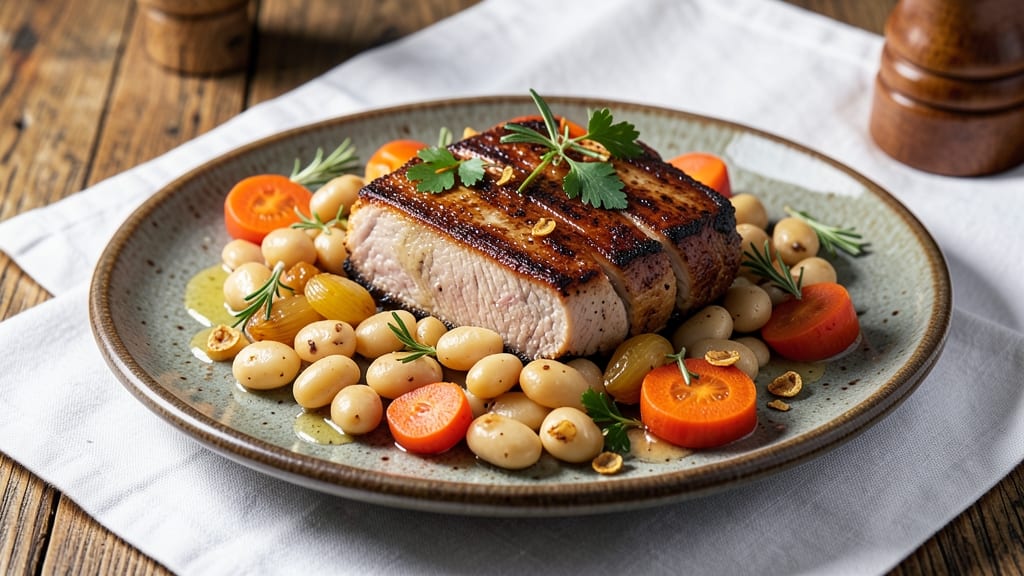
This Italian-inspired cannellini beans and pork recipe combines tender pork shoulder with creamy cannellini beans in a single pot, creating a hearty dish that's perfect for weeknight dinners or family gatherings. After years of perfecting this technique at The Smoky Pig, I've developed a method that transforms simple ingredients into a restaurant-worthy meal with minimal effort.
The secret lies in slow-cooking the pork until it's fall-apart tender while allowing the beans to absorb all the rich flavors from the meat and aromatic vegetables.
I use a blend of Italian herbs and a splash of white wine to elevate the dish, creating a sauce that's both savory and subtly sweet. This one-pot approach means less cleanup and more time enjoying the meal.
What you'll end up with is a dish that's equally satisfying as a main course or served alongside crusty bread and a simple green salad. The pork becomes impossibly tender, the beans creamy and flavorful, and the entire pot filled with a sauce that's perfect for spooning over every bite.
It's the kind of meal that feels indulgent yet comes together with ease.
Serve with roasted garlic bread to soak up every last bit of that delicious sauce, or pair it with a crisp white wine to complement the Italian flavors.
This recipe is designed to impress without the fuss—ideal for when you want to cook like a pro but keep things simple. Let's get started!
Ingredients for cannellini beans and pork
Pantry staples meet Italian tradition in this one-pot pork and bean masterpiece.
| Ingredient | Amount | Notes |
|---|---|---|
| Pork Shoulder 🥓 | 1 ½ lb | Bone-in, cut into 1.5-inch cubes |
| Dried Cannellini Beans 🌾 | 1 cup | Or 15 oz canned, drained |
| Carrots 🥕 | 3 whole | Medium size, roughly chopped |
| Yellow Onion 🧅 | 1 whole | Medium, sliced into half-moons |
| Garlic Cloves 🧄 | 4 cloves | Peeled, minced |
| Dry White Wine 🍷 | ½ cup | Sauvignon Blanc or Pinot Grigio |
| Dry Italian Seasoning 🌿 | 1 tbsp | Or mix of oregano, basil, thyme |
| Dried Oregano 🌿 | 1 tsp | For extra Italian flavor |
| Ground Black Pepper 🌶️ | ½ tsp | Freshly cracked |
| Kosher Salt 🧂 | 1 ½ tsp | Adjust to taste |
| Olive Oil 🫒 | 2 tbsp | Extra-virgin preferred |
| Low-Sodium Chicken Broth 💧 | 2 cups | For added depth |
| Fresh Rosemary 🌿 | ¼ cup | Chopped, or 1 tsp dried |
| Fresh Parsley 🌿 | ¼ cup | Chopped, for garnish |
The pork shoulder is non-negotiable—look for bone-in cuts at your local butcher for maximum flavor. Costco or Whole Foods often carry pre-cut pork shoulder, but if buying whole, ask for the shoulder blade end. The cannellini beans? Dried are ideal for texture, but canned works in a pinch (just drain and rinse). Carrots and onions form the flavor base, so pick firm, vibrant vegetables. For the wine, any dry white will do—whatever's open in your fridge. The Italian seasoning blend should include basil, oregano, and thyme for that authentic taste.
No Italian seasoning? Mix equal parts dried basil, oregano, and thyme. Short on white wine? Substitute extra chicken broth. Fresh rosemary and parsley can be swapped for dried at one-third the amount. The carrots can be baby carrots if that's what's in your fridge—no need to peel them. For a deeper flavor, add a pinch of red pepper flakes. The pork cubes should be roughly the same size to ensure even cooking. If you're using canned beans, rinse them thoroughly to remove excess sodium.
This dish tastes even better the next day—plan ahead and make a double batch. Store leftovers in an airtight container in the fridge for up to 5 days, or freeze for 3 months. I like to portion mine into individual containers for easy lunches. The sauce thickens as it cools, so add a splash of broth if it's too thick when reheating. Garnish with fresh parsley before serving to brighten up the dish.
Why You'll Love This Recipe
- One-Pot Magic: I swear by this recipe—just toss everything in one pot, let it simmer, and walk away. No fancy techniques, no last-minute grocery runs for extra pans. The pork shoulder practically falls apart on its own, and those cannellini beans soak up all the savory juices like a dream.
- Rich Umami Bomb: Between the pork shoulder’s deep, slow-cooked flavor and the earthy sweetness of the cannellini beans, this dish is ridiculously good. The garlic and onions caramelize just enough to add that sweet, sticky depth, while the carrots melt into the mix for natural sweetness. It’s the kind of taste that makes you slow down mid-bite.
- Leftovers That Don’t Suck: Honestly, I make this on Sundays just because the leftovers are better the next day. The pork gets even more tender, the beans soak up all the flavors, and it reheats like a dream—no dry, sad meals here. Pack it for lunch or freeze portions for those nights you’d rather not cook.
- Budget-Friendly Feast: Pork shoulder is cheap, dried beans are a steal, and carrots/onions last forever. This recipe stretches to feed four for under $15, and it’s the kind of meal that makes you feel like you’re serving something special without breaking the bank. Plus, it’s way more satisfying than takeout.
Step-by-step instructions for Italian-inspired one-pot cannellini beans and pork
A rich, flavorful one-pot dish that brings together tender pork shoulder and hearty cannellini beans in a fragrant Italian-inspired sauce.
Sear the Pork Shoulder for Deep Flavor
Heat the 2 tablespoons olive oil in a large Dutch oven over medium-high heat until shimmering. Pat the 1.5 lb pork shoulder dry with paper towels and season generously with 1.5 teaspoons kosher salt, 0.5 teaspoon ground black pepper, and 1 tablespoon dry Italian seasoning. This step is critical—dry meat sears better and develops that coveted crust.
Working in batches if needed, add the pork cubes to the pot and sear for 3-4 minutes per side until deeply golden brown. Don't crowd the pan or the temperature will drop. Once all pieces are browned, transfer them to a plate and set aside. You'll notice the pork releases easily when it's ready to flip—this is your cue to move to the next step.
Sauté Vegetables and Build the Flavor Base
In the same Dutch oven, add the 1 whole yellow onion and 3 whole carrots, sliced into even pieces. Cook over medium heat for 5-6 minutes until the onions soften and the carrots begin to caramelize at the edges. This process develops natural sweetness that will carry through the dish.
Add the 4 cloves minced garlic and cook for 30 seconds until fragrant. Immediately pour in the 0.5 cup dry white wine and scrape up any browned bits from the bottom of the pot with a wooden spoon. These bits, called fond, are packed with flavor. Let the wine simmer for 2-3 minutes until reduced by half, creating a rich, concentrated base for your sauce.
Combine Ingredients and Simmer
Return the seared pork to the pot. Add the 1 cup dried cannellini beans, 2 cups low-sodium chicken broth, 0.25 cup chopped fresh rosemary, and 1 teaspoon dried oregano. Stir gently to combine, then bring to a boil over high heat. Once boiling, reduce heat to low and cover the pot with a tight-fitting lid.
Simmer for 1 hour and 15 minutes, stirring occasionally to prevent sticking. The beans should be tender but still hold their shape, and the pork should be fork-tender with no resistance. If the liquid reduces too much before the pork is done, add ¼ cup water to maintain moisture. This slow cooking process is what transforms tough pork into melt-in-your-mouth tenderness.
Finish with Fresh Herbs and Rest
Once the pork is tender, stir in the 0.25 cup chopped fresh parsley and adjust seasoning if needed. Remove from heat and let the dish rest for 10 minutes. This resting period allows the flavors to meld together and the juices to redistribute throughout the meat and beans.
Ladle the one-pot harmony into bowls, ensuring each serving gets a generous portion of both pork and beans. The sauce should be rich and flavorful, with the pork falling apart easily and the beans holding their shape. Garnish with additional fresh parsley if desired, and serve immediately with crusty bread to soak up every last bit of that delicious sauce.
Pro Tips For Making Cannellini Beans And Pork
- CRANK THE HEAT FIRST: Start your pork shoulder in a cold pot—no, really, cold—and bring it to a rolling boil before lowering heat. I used to simmer gently from the start, and the meat stayed tough as boot leather. That initial boil breaks down collagen faster, giving you tender, pull-apart pork without waiting forever.
- SOAK BEANS UNTIL THEY DOUBLE: Toss dried cannellini beans in a bowl, cover with water, and let them sit overnight—or at least 8 hours. I learned this the hard way: skipping the soak means beans that stay rock-hard no matter how long you cook them. Drain and rinse before adding to the pot to cut down on foam.
- CHOP ONIONS SMALLER THAN YOU THINK: Dice that yellow onion into 1/4-inch pieces, not 1/2-inch chunks. Sounds picky, but those tiny pieces dissolve into the broth, building flavor without leaving chewy bits. (Yes, it takes a few extra minutes—but your future self will notice.)
- SALT THE BEANS EARLY AND OFTEN: Add a pinch of salt to the beans when you start soaking them, then another when you add them to the pot. Cannellini beans absorb salt like a sponge, and doing it early prevents bland, watery beans. Taste the broth mid-cook—if it’s flat, add more. (This isn’t the prettiest method, but it’s the tastiest.)
Wine and beer pairings for these flavors
White Wine Classics
An Italian white wine like Vermentino or Pinot Grigio is my go-to pairing for this dish. The crisp acidity and citrus notes cut through the richness of the pork while complementing the earthy beans.
I always keep a bottle of Santa Margherita Pinot Grigio in my fridge—it's reliable and affordable. For something more premium, try a Soave Classico from Veneto. 🍷
Crisp Lager Balance
If you prefer beer, a crisp Italian lager like Peroni or Moretti works beautifully. The light, effervescent quality refreshes your palate between bites of creamy beans and tender pork. For a craft option, a Belgian witbier (like Hoegaarden) adds a subtle citrus and spice note that pairs surprisingly well.
Avoid heavy stouts or IPAs—they'll overpower the delicate flavors.
Red Wine Surprise
Don't dismiss red wine entirely—a light-bodied Chianti or Sangiovese can work if you prefer it. The bright acidity and cherry notes bridge the gap between the pork and beans.
I've had great luck with a Chianti Classico from Tuscany, especially when the wine has been decanted for 30 minutes to soften its tannins. The key is choosing a red with enough acidity to stand up to the dish.
Non-Alcoholic Options
For a refreshing non-alcoholic pairing, try a sparkling blood orange soda like San Pellegrino Aranciata Rossa. The citrus and bubbles complement the dish beautifully. Alternatively, a chilled hibiscus iced tea (like Tazo's Hibiscus Tea) adds a floral note that enhances the rosemary and parsley flavors.
Both options keep the meal feeling special without alcohol.
Wine Service Tips
Serve white wine slightly chilled at 45-50°F—just cold enough to preserve its aromas. For red wine, aim for 60-65°F to avoid muting its flavors. I always use Riedel Vinum glasses—their shape directs aromas toward your nose, enhancing the tasting experience.
If you're short on glassware, any clear glass will do, but avoid plastic or thin crystal that can distort flavors. 🥂
Nutrition facts
Frequently asked questions
Can I use canned beans instead of dried? For this recipe, use 15 oz canned cannellini beans (about 1 cup drained and rinsed). Just
What cut of pork works best for this dish?
Pork shoulder is ideal because it stays tender and flavorful when slow-cooked. Bone-in cuts add extra richness, but boneless works too. Avoid lean cuts like tenderloin—they can dry out. If you can't find pork shoulder, try pork butt or pork loin cut into 1.5-inch cubes for even cooking.
How do I prevent the pork from becoming dry?
The key is slow cooking and not overcrowding the pot. Sear the pork first to lock in juices, then simmer on low heat with enough liquid to cover everything by ½ inch. If the pot gets too dry, add ¼ cup water or broth during cooking. A meat thermometer helps—pork is done at 195°F (it'll pull apart easily).
Can I make this in a slow cooker?
Yes! Brown the pork and sauté the vegetables first in a skillet, then transfer everything to the slow cooker. Add all remaining ingredients and cook on low for 6-7 hours or high for 3-4 hours. The slow cooker's gentle heat ensures tender pork and creamy beans without monitoring. Just stir occasionally and add liquid if needed.
What's the best way to reheat leftovers?
Reheat gently in a saucepan over medium-low heat with 2-3 tablespoons of broth or water to prevent drying. Stir frequently until warmed through (5-7 minutes). For microwave reheating, cover with a damp paper towel and heat in 30-second intervals, stirring between each. The dish tastes even better the next day as flavors meld further!