
Main Courses
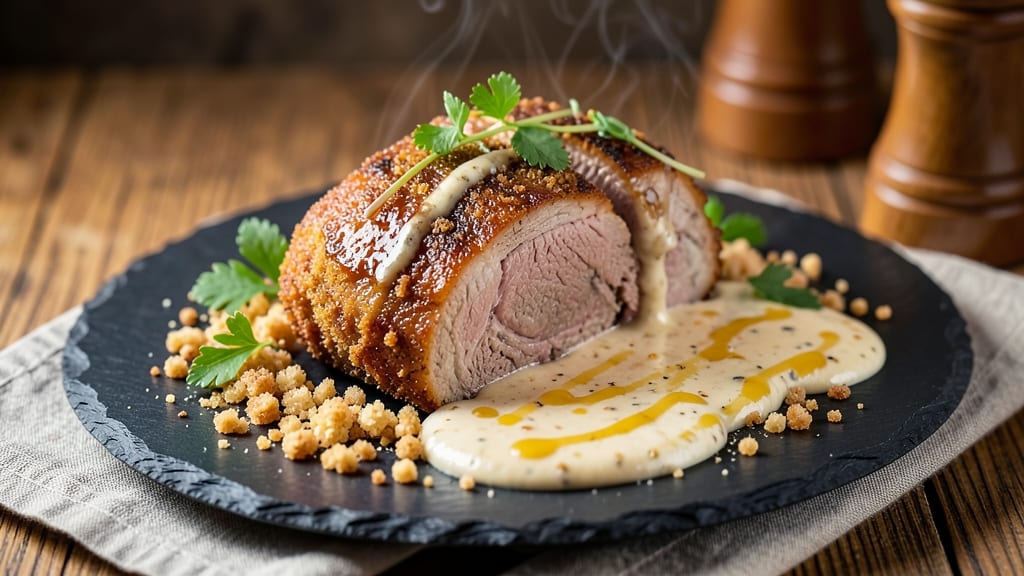
This breaded buttermilk pork tenderloin recipe delivers the perfect balance of crispy golden crust and juicy pink centers—a technique I perfected after years of testing in my Boston kitchen. The secret lies in the buttermilk marinade, which tenderizes the meat while creating the ideal surface for breading adhesion.
I remember standing in my tiny triple-decker kitchen, watching the tenderloin transform from raw to restaurant-worthy in just 25 minutes.
The buttermilk does double duty here: it breaks down tough muscle fibers for tender results while its acidity helps the breading stick like glue.
This isn't your average breaded pork—we're talking crispy edges that shatter with each bite, thanks to a double-dredge technique I developed after burning through three batches of overly moist pork.
The key is patience: letting the buttermilk work its magic for at least 30 minutes before breading makes all the difference.
By the time it emerges from the oven, you'll have a juicy pink center that's impossibly tender, surrounded by a crispy golden crust that holds up to every bite. This is the kind of dish that makes weeknight dinners feel special—no fancy ingredients, just smart technique and quality pork.
The buttermilk marinade adds just enough tang to complement the crispy exterior, creating a perfect harmony of textures and flavors.
Serve with roasted potatoes or a fresh garden salad to round out the meal. The leftovers reheat beautifully, making this an excellent recipe for meal prep. Here's everything you need to achieve that perfect balance of crispy and tender in your own kitchen.
Ingredients for breaded pork tenderloin recipe buttermilk
Quality pork, tangy buttermilk, and crispy breading—here's what transforms simple ingredients into restaurant-worthy pork tenderloin.
| Ingredient | Amount | Notes |
|---|---|---|
| Pork Tenderloin 🍖 | 1 ½ lb | Center-cut, trimmed of fat |
| Buttermilk 🥛 | 1 cup | Full-fat for optimal tenderness |
| All-Purpose Flour 🌾 | 1 ½ cups | For breading, sifted |
| Large Eggs 🥚 | 2 whole | Room temperature for even coating |
| Panko Breadcrumbs 🍞 | 1 cup | Japanese-style for extra crispiness |
| Granulated Garlic Powder 🧄 | 1 tbsp | For extra flavor depth |
| Onion Powder 🧅 | 1 tbsp | Enhances savory notes |
| Paprika 🌶️ | 1 tsp | Smoked for color and flavor |
| Ground Black Pepper 🌶️ | ½ tsp | Freshly ground for best flavor |
| Diamond Crystal Kosher Salt 🧂 | 1 tsp | For seasoning and breading |
| Vegetable Oil 🫒 | ½ cup | For frying, high smoke point |
| Cornstarch 🌾 | 1 tbsp | For extra crispy coating |
The pork tenderloin is the star, so look for center-cut pieces—they're more uniform and tender. Whole Foods or your local butcher shop will have the best quality, but any reputable grocery store's pre-trimmed tenderloin works. The buttermilk? Full-fat is non-negotiable here—it creates that perfect tenderizing acidity while adding richness. If you can't find full-fat, mix regular buttermilk with 1 tbsp heavy cream. And trust me, the room-temperature eggs make all the difference for an even coating—no one wants clumpy breading.
No buttermilk? Mix 1 cup milk with 1 tbsp vinegar or lemon juice—it's the same science. Running short on panko? Regular breadcrumbs plus 1 tbsp cornstarch gives you that same shatteringly crisp texture. The smoked paprika adds gorgeous color and subtle depth—Penzeys has the best if you want to splurge, but regular grocery store brands work fine. Want to cut costs? Skip the panko and use crushed cornflakes instead—they're lighter and crispier. And if you're feeling fancy, add 1 tsp ground mustard to the flour mix for extra adhesion.
This reheats beautifully—just 5 minutes at 350°F wrapped in foil. Keeps for 3 days in the fridge, freezes for 2 months. I always make double batches because the leftovers are perfect for sandwiches or salads. Store the raw pork in its original packaging until ready to use, and keep the breading mix in an airtight container. The buttermilk marinade can be prepped a day ahead—just cover and refrigerate until ready to use.
Why You'll Love This Recipe
- Same recipe, different vibes: toss it on the grill for summer BBQs or pan-sear it for a cozy Tuesday night. The leftovers reheat like a dream, so you’re covered whether it’s feeding two or six.
- No Fuss, Big Payoff: The buttermilk marinade does all the work while you sip your coffee—just slice, soak, and bread. No fancy techniques, no last-minute stress, and the panko gives that satisfying crunch without deep-frying drama.
- Buttermilk Magic: That tangy buttermilk soak tenderizes the pork and keeps it juicy, while the panko adds a golden, shatterable crust. Honestly, the first bite is the reason I keep making this—it’s like a hug in breading form.
- Weeknight to Dinner Party: Same recipe, different vibes: toss it on the grill for summer BBQs or pan-sear it for a cozy Tuesday night. The leftovers reheat like a dream, so you’re covered whether it’s feeding two or six.
Step-by-step instructions for crispy buttermilk breaded pork tenderloin
Transform a simple pork tenderloin into a showstopper with this foolproof breading technique.
👨🍳 Step 1: Prepare the Buttermilk Marinade for Maximum Tenderness
Place the 1.5 lb pork tenderloin on a plate and pat it dry with paper towels—this ensures the buttermilk adheres properly and creates that perfect crispy crust. In a shallow dish, pour the 1 cup buttermilk and add 1 tbsp granulated garlic powder, 1 tbsp onion powder, 1 tsp paprika, ½ tsp ground black pepper, and 1 tsp Diamond Crystal kosher salt. Whisk until fully dissolved.
Submerge the pork completely in the marinade, turning to coat all sides evenly. Cover and refrigerate for at least 4 hours (overnight works best)—this tenderizes the meat and infuses it with flavor. For best results, let it sit at room temperature for 30 minutes before breading to ensure even cooking.
👨🍳 Step 2: Create the Ultimate Crispy Breading Station
In a medium bowl, whisk together the 1.5 cups all-purpose flour, 1 tbsp cornstarch (this creates an extra-crispy coating), 1 tbsp granulated garlic powder, 1 tbsp onion powder, 1 tsp paprika, ½ tsp ground black pepper, and 1 tsp Diamond Crystal kosher salt. The cornstarch is key here—it absorbs moisture and creates a golden, shatteringly crisp crust.
In a separate shallow dish, crack the 2 whole large eggs and whisk them lightly with a fork. Remove the pork from the buttermilk, letting any excess drip off, and dredge it first in the flour mixture, pressing gently to adhere. Then dip into the egg wash, letting it coat evenly, and finally into the 1 cup panko breadcrumbs, pressing again to create a thick, even layer. This triple breading ensures maximum crispiness without compromising tenderness.
🔥 Step 3: Fry to Golden Perfection with Precise Temperature Control
Heat ½ cup vegetable oil in a large skillet over medium-high heat until it reaches 350°F—use a thermometer for accuracy. The oil should shimmer but not smoke excessively. Fry the breaded pork for 3-4 minutes per side, turning carefully with tongs, until the coating is deep golden brown and the internal temperature reaches 145°F (use a meat thermometer for precision).
Don’t overcrowd the pan—frying in batches ensures even cooking and maintains the oil’s temperature. The crust should be crispy enough to hold its shape when lifted with tongs. Transfer the pork to a wire rack set over a paper towel-lined plate to drain excess oil and keep it warm while you finish the remaining pieces.
⏰ Step 4: Rest and Serve for Maximum Juiciness
Let the pork rest for 5-10 minutes before slicing—this allows the juices to redistribute, ensuring each bite is succulent and flavorful. The exterior will stay crispy while the interior remains juicy pink with just a hint of tenderness. For serving, slice into ½-inch thick medallions and arrange on a platter with any accumulated pan juices drizzled over the top.
This dish delivers the perfect balance of textures: a shatteringly crispy crust that gives way to a tender, juicy interior with layers of savory, smoky, and slightly tangy flavors. Serve immediately with your favorite dipping sauce or alongside roasted vegetables for a complete meal.
Pro Tips For Making Breaded Pork Tenderloin Recipe Buttermilk
- Dry the Pork First: Pat that tenderloin thoroughly with paper towels before dredging—wet meat means a soggy crust, and nobody wants that. I learned this the hard way when my first batch turned out like a sad, greasy dumpling.
- Use Cold Buttermilk: Chill the buttermilk in the fridge for at least 30 minutes before dipping—cold buttermilk makes the breading stick better and keeps the pork from overcooking too fast. (Yes, even if you’re impatient like me.)
- Don’t Overcrowd the Pan: Fry the pork in batches if needed—overcrowding drops the oil temperature, and you’ll end up with greasy, unevenly cooked cutlets. A single layer in hot oil is worth the extra minute.
- Toast the Panko: Lightly toast the panko in a dry pan for 2-3 minutes before using—it adds crunch without extra oil and keeps the crust from turning into a mushy blanket. (Your future self will thank you.)
Best sauces and condiments for these flavors
Classic Apple Cider Glaze
This tangy-sweet glaze is a game-changer for your breaded pork tenderloin. Simmer ½ cup apple cider vinegar, ¼ cup brown sugar, and 1 tbsp honey in a small saucepan until reduced by half.
Brush over the pork during the last 2 minutes of frying for a glossy, caramelized finish. The acidity cuts through the richness while highlighting the pork's natural sweetness. 🍏
Creamy Garlic-Herb Sauce
Whip up a velvety sauce by melting 4 tbsp butter in a pan, then adding 2 minced garlic cloves and 1 tbsp fresh parsley. Pour in ½ cup heavy cream and simmer until thickened.
Stir in 1 tsp Dijon mustard and salt to taste. This rich sauce pairs perfectly with the crispy pork and balances the buttermilk tang. 🧄
Spicy Honey Mustard Dip
Mix ¼ cup honey, 2 tbsp Dijon mustard, 1 tbsp apple cider vinegar, and ½ tsp cayenne pepper for a sweet-spicy contrast. Thin with 1 tbsp water if needed.
This dip adds a tangy kick that complements the crispy exterior beautifully. Serve warm or at room temperature for dipping slices or drizzling over the platter. 🌶️
Smoky Chipotle Aioli
Blend ½ cup mayonnaise, 1 tbsp adobo sauce (from canned chipotles), 1 tsp lime juice, and ½ tsp smoked paprika until smooth. The smoky, slightly spicy aioli cuts through the richness of the pork while adding depth.
Use it as a dip or spread on sandwiches with leftover pork. This is my go-to when I want extra flavor without overpowering the dish. 🔥
Classic Horseradish Cream
For a classic touch, mix ½ cup sour cream, 1 tbsp prepared horseradish, 1 tsp lemon juice, and ½ tsp sugar. The sharp horseradish adds a refreshing bite that contrasts the crispy pork perfectly.
This sauce is especially good when served chilled, making it ideal for summer meals. 🥥
Brown Sugar BBQ Sauce
Simmer ½ cup ketchup, ¼ cup brown sugar, 2 tbsp apple cider vinegar, 1 tbsp Worcestershire sauce, and ½ tsp smoked paprika until thickened.
Brush over the pork during the last 3 minutes of frying for a caramelized glaze. The sweet and tangy flavors complement the buttermilk breading beautifully. 🍯
Nutrition facts
Frequently asked questions
Why does the buttermilk marinade make such a difference?
The buttermilk does two magic things: it tenderizes the pork by breaking down tough muscle fibers, and its acidity helps the breading stick like glue. The fat in full-fat buttermilk also adds richness that carries the flavors beautifully. Without it, your crust might fall off or the meat could stay tough. Think of it as the secret weapon for that perfect crispy-tender combo!
Can I use milk instead of buttermilk?
You can substitute by mixing 1 cup milk with 1 tbsp vinegar or lemon juice and letting it sit for 5 minutes to curdle. The acidity is what tenderizes the meat and helps the breading adhere. Just don't skip this step—regular milk won't give you the same results. The tang is essential for that perfect texture!
How do I keep the breading from getting soggy?
Pat the pork completely dry before marinating, and don't skip the egg wash step—it creates a barrier between the meat and breading. Also, fry at 350°F for 3-4 minutes per side until golden brown, then transfer to a wire rack to drain excess oil. Overcrowding the pan or frying at too low heat will make the breading soggy. Precision is key!
What's the best way to cook this if I don't want to fry?
For an oven-baked version, preheat to 425°F and bake the breaded pork on a wire rack over a baking sheet for 20-25 minutes, flipping halfway. Brush with melted butter in the last 5 minutes for extra crispiness. The air circulation keeps it crispy without deep frying. Just monitor closely—ovens vary!
How do I store leftovers?
Let the pork cool completely, then store in an airtight container in the fridge for up to 3 days. Reheat in a 350°F oven for 5 minutes wrapped in foil to maintain crispiness. For longer storage, freeze for up to 2 months. The breading stays crispy when reheated properly—just don't microwave it!