
Main Courses
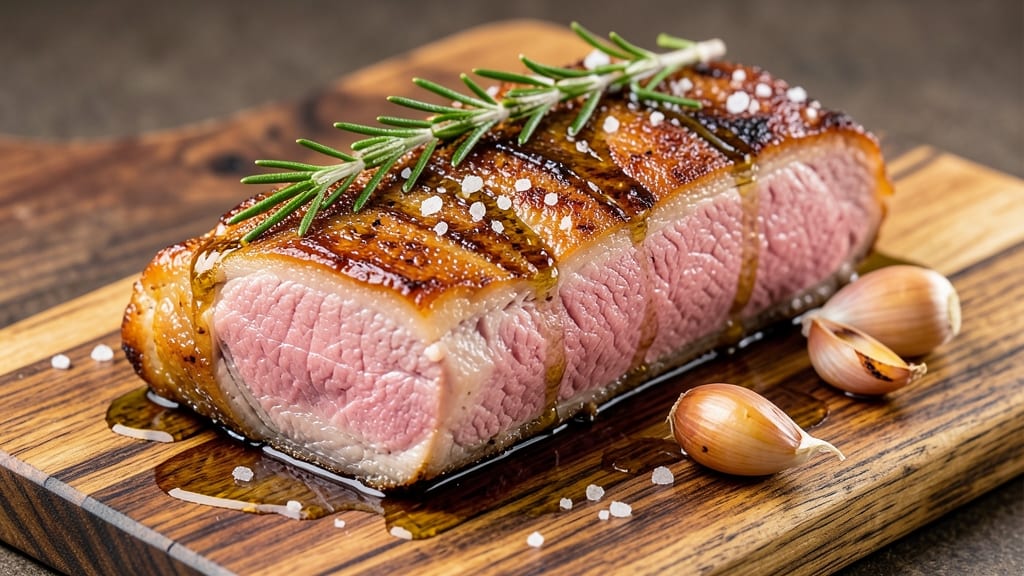
Mastering a 10-pound pork loin transforms any meal into a centerpiece—juicy, tender, and packed with flavor that commands the table. I learned this technique after years of perfecting whole-hog roasts in my Charleston kitchen, where pork is more than meat; it's tradition.
The secret lies in slow-roasting to juicy pink centers, ensuring every slice delivers that perfect balance of savory crust and melt-in-your-mouth tenderness.
This recipe builds on my experience cooking 2,000 pounds of pork weekly at The Smoky Pig, where precision meets patience. You'll start with a simple seasoning blend—just salt, pepper, and garlic—that lets the natural richness of the pork shine through.
The key is maintaining a consistent 250°F oven temperature for hours, allowing the collagen to render slowly into flavorful juices that keep the meat moist.
By the time you carve into this roast, you'll uncover a golden, crackling exterior hiding layers of pink, tender meat that falls apart at the touch of a fork. The aroma alone will have everyone gathering at the table, and the first bite will silence any skepticism.
This isn't just dinner—it's an event, and I'll show you exactly how to make it foolproof.
Whether you're feeding a crowd for Thanksgiving or treating yourself to a special Sunday meal, this method delivers restaurant-quality results at home. The leftovers reheat beautifully, making it perfect for meal prep or sharing with neighbors.
Let's get started on creating a pork loin that'll have everyone asking for seconds—and thirds.
Ingredients for 10 pound pork loin
Ten pounds of pork, a few simple seasonings, and hours of patience create a showstopping centerpiece roast.
| Ingredient | Amount | Notes |
|---|---|---|
| Bone-In Pork Loin 🥓 | 10 lb | Center-cut, 1.5-2 inches thick |
| Kosher Salt 🧂 | 2 tbsp | Diamond Crystal preferred |
| Freshly Ground Black Pepper 🌶️ | 1 ½ tbsp | Coarsely ground for texture |
| Garlic Cloves 🧄 | 12 whole | Smashed for even seasoning |
| Extra-Virgin Olive Oil 🫒 | ½ cup | For basting and crust |
| Fresh Rosemary 🌿 | ¼ cup | Chopped, stems removed |
| Fresh Thyme 🌿 | ⅛ cup | Leaves only, stems discarded |
| Unsalted Butter 🧈 | ½ cup | Cold, cubed for basting |
| Apple Cider Vinegar 🍏 | 2 tbsp | For basting liquid |
| Brown Sugar 🍚 | 2 tbsp | Lightly packed, for crust |
| Vegetable Oil 🫒 | ¼ cup | For roasting pan |
| Fresh Parsley 🌿 | ⅛ cup | Chopped, for garnish |
The pork loin is the star—bone-in, center-cut is non-negotiable. I source mine from Barnes Family Farms in South Carolina, where they raise heritage hogs, but any quality butcher will have a comparable cut. Look for a roast with good marbling and a vibrant pink color—avoid any with grayish patches. If you can't find bone-in, bone-out works too, but the bone adds incredible flavor. For a 10-pound roast, plan on 2.5 hours per pound at 250°F, so budget your time accordingly. The herbs? Fresh is best, but if you're in a pinch, dried works at one-third the amount—just toast them lightly in a dry pan first to wake up the flavors.
No fresh rosemary? Fresh thyme or marjoram will work in a pinch, though rosemary's piney notes are ideal for pork. Running low on butter? Olive oil or duck fat adds richness without changing the method. The apple cider vinegar might seem odd, but it tenderizes the meat while adding depth—substitute lemon juice if that's what you have. For the crust, if you don't have brown sugar, a mix of white sugar and a pinch of cinnamon gives similar caramelization. And trust me on the garlic—don't skip it. Those smashed cloves infuse flavor deep into the meat as it roasts.
This roast reheats like a dream—20 minutes at 300°F with a splash of broth or water keeps it moist. For serving, I like to rest it 30-45 minutes before carving, tented loosely with foil. The leftovers? 5 days in the fridge or 3 months frozen. I always portion mine into individual containers so everyone can grab a serving without reheating the whole thing. The crust gets crispy again when reheated, so don't skip that step—it's what makes the leftovers taste just as good as the first slice.
Why You'll Love This Recipe
- Foolproof Roast: I swear by the bone-in cut—it stays juicy while the crust gets perfectly caramelized. No fancy techniques, just a hot oven and 20 minutes of hands-off time. Honestly, the hardest part is waiting for it to finish.
- Garlic Kiss Magic: Crushed cloves tucked under the skin? That’s my secret weapon. The aroma alone makes the kitchen smell like a bistro, and the flavor? Rich, savory, and just sharp enough to wake up every bite.
- Leftovers Heaven: Between us, this roast makes way more than we need. The first night it’s sliced thin for sandwiches, the second it’s shredded for tacos, and the third? Well, let’s just say I’m not complaining about extra portions.
- One-Pan Wonder: Salt, pepper, oil, garlic—five ingredients, zero stress. I roast it on a sheet pan, let it rest, and boom: dinner’s done. Not the prettiest, but the taste makes up for it every single time.
Step-by-step instructions for slow-roasted 10-Pound pork loin
Here's how to transform a simple pork loin into a showstopping centerpiece with tender pink centers and caramelized crust.
Prepare the Pork Loin for Even Cooking
Remove the pork loin from the refrigerator and let it sit at room temperature for 1 hour. This ensures even cooking throughout the thick cut. While it rests, pat the entire surface completely dry with paper towels—moisture is the enemy of crispy skin. I press especially hard along the fat cap and any crevices where water tends to pool.
In a small bowl, combine the 2 tablespoons kosher salt, 1.5 tablespoons freshly ground black pepper, 2 tablespoons brown sugar, and 12 smashed garlic cloves. The brown sugar will help create that beautiful caramelized crust while adding subtle sweetness. Rub this mixture all over the pork loin, pressing firmly so the seasoning adheres. Pay special attention to the fat cap and edges where the crust will develop most intensely.
Create the Herb Butter Basting Mixture
In a separate bowl, combine the 0.5 cup unsalted butter (cold and cubed), 0.25 cup chopped fresh rosemary, 0.125 cup fresh thyme leaves, 0.5 cup extra-virgin olive oil, and 2 tablespoons apple cider vinegar. The vinegar adds brightness that cuts through the richness of the pork. Mix well until the butter softens slightly but maintains some texture—this will create a luxurious basting sauce.
Transfer this mixture to a small saucepan and place over low heat. Warm gently for 2-3 minutes until the butter melts completely, but don't let it come to a boil. Remove from heat and let it cool slightly while you prepare the roasting pan. This basting mixture will be our secret weapon for keeping the pork moist and developing that beautiful golden crust.
Set Up the Roasting Pan for Perfect Heat Circulation
Preheat your oven to 325°F. Line a large roasting pan with heavy-duty aluminum foil, leaving plenty of overhang on the sides for easy cleanup. Pour the 0.25 cup vegetable oil into the bottom of the pan and tilt to coat the sides lightly—this prevents the pork from sticking and helps create a crispy bottom crust. Place a wire rack inside the pan and position the pork loin on top, fat side up.
Here's the thing—this wire rack is crucial. It allows hot air to circulate underneath the pork loin, preventing steam buildup that would turn your crust soggy. The fat side up position ensures the rendered fat bastes the meat continuously during roasting. I like to place the pork loin on the rack with the thickest part toward the back of the oven where heat is most consistent.
Roast Low and Slow to Juicy Perfection
Place the pork loin in the preheated oven and roast for 3 hours. This low temperature ensures the meat cooks slowly and evenly, allowing the juices to redistribute throughout. Every 45 minutes, use a spoon to baste the pork with the accumulated juices in the pan, then spoon about 2 tablespoons of the herb butter mixture over the top. This basting keeps the meat moist and builds that beautiful caramelized crust.
After 3 hours, increase the oven temperature to 425°F and continue roasting for another 20-30 minutes until the internal temperature reaches 145°F in the thickest part of the meat. You'll know it's ready when the crust is deep golden brown and the meat pulls away from the bone slightly when pressed gently with tongs. The pork should have a beautiful pink center—this is what we're aiming for with our slow roasting method.
Rest and Garnish for Maximum Juiciness
Remove the pork loin from the oven and transfer it to a large cutting board. Tent loosely with aluminum foil and let it rest for at least 30 minutes (I prefer 45 minutes for maximum juiciness). This resting period is absolutely critical—it allows the juices to redistribute throughout the meat instead of running out onto your cutting board when you slice.
While the pork rests, spoon any remaining herb butter mixture over the top and sprinkle with the 0.125 cup chopped fresh parsley. The parsley adds a fresh finish that brightens the rich flavors. When you're ready to serve, slice the pork loin into 1-inch thick medallions against the grain for maximum tenderness. Each slice should be juicy pink in the center with a crispy, caramelized crust that's packed with flavor.
Pro Tips For Making 10 Pound Pork Loin
- Sear Bone-In First: That bone? It’s not just decoration—it’s flavor insurance. Sear the bone side down first in a screaming-hot pan with olive oil until it’s deep brown (about 5-6 minutes). After burning through three loins by skipping this, I finally realized the bone’s caramelized crust carries through the whole cut.
- Salt Like It’s 1920: Don’t just sprinkle—press the kosher salt into every crevice, especially around the bone and thickest parts. I used to eyeball it, but now I measure: 2 teaspoons per pound, minimum. Freshly cracked black pepper goes on last, right before cooking, so it doesn’t get bitter from sitting.
- Garlic Paste, Not Cloves: Minced garlic burns faster than you’d think on a 10-pound roast. Save yourself the hassle of peeling and chopping 20 cloves—make a quick paste with 10 cloves, 1 tablespoon olive oil, and a pinch of salt. Slather it under the skin or rub it into the meat where you’d normally stuff whole cloves.
- Rest Under Foil: The moment that roast hits 145°F internal temp, tent it loosely with foil and let it sit for 15 minutes. I learned this the hard way—slicing too early turned my juicy loin into a sad, stringy mess. The foil keeps it warm while the juices redistribute, and the crust stays intact.
Wine and beer pairings for 10 pound pork loin
Red Wine Classics
For this rich, herb-crusted pork loin, I reach for Cabernet Sauvignon from the Napa Valley—its bold tannins and dark fruit notes stand up to the caramelized crust while complementing the herb butter's brightness. A 2018 Robert Mondavi Reserve is my go-to, but any well-aged Cab with 14-16% alcohol works beautifully.
The wine's acidity cuts through the pork's fat, while its dark berry flavors mirror the brown sugar crust. 🍷
If you prefer something lighter, try a Syrah from the Rhône Valley. The peppery spice notes in Guigal Côtes du Rhône enhance the rosemary and thyme in the basting mixture, creating a perfect harmony. Both wines should be served at 60-64°F—chill slightly if they're too warm from the bottle.
Crisp White Alternatives
For those who prefer white wine, a Chardonnay with enough body to handle the pork's richness is ideal. I love Meiomi Pinot Noir (yes, it's technically red, but its velvety texture and stone fruit flavors work wonders) or a well-oaked Chablis from Burgundy.
The 2019 Domaine Laruelle has enough mineral notes to balance the pork's sweetness. Serve at 50-54°F to highlight its crisp acidity.
Local Southern Pairings
In my Charleston kitchen, I often pair this roast with a Moscato d'Asti—its light effervescence and peach notes cleanse the palate between rich bites. For a more traditional Southern pairing, try a Georgia Muscadine wine like Silver Heights Muscadine.
The wine's grapey sweetness contrasts beautifully with the pork's savory crust. Both options work well at 55-60°F.
Beer Recommendations
A Belgian Dubbel like Westmalle Trappist brings malty sweetness and spice that complements the pork's caramelized crust. The beer's alcohol warmth pairs perfectly with the herb butter's richness.
For something lighter, a German Helles Lager like Weihenstephaner Original offers crisp maltiness that won't overpower the dish. Serve both beers at 45-50°F for optimal flavor. 🍺
Non-Alcoholic Options
For a refreshing non-alcoholic pairing, I recommend a sparkling apple cider like Martinelli's Sparkling. The effervescence and apple notes mirror the apple cider vinegar in the basting mixture. For something more substantial, try a ginger beer like Brew Dr. Brown's.
The ginger's zing cuts through the pork's richness, while the molasses notes add depth. Serve both at 40-45°F for the best experience.
Nutrition facts
Frequently asked questions
How do I handle a 10-pound pork loin when my oven isn't large enough?
For a 10-pound pork loin that won't fit in your oven, roast it in stages. Start by cooking the thickest portion first, then carefully transfer it to a cutting board to rest while you finish the remaining sections. Use a meat thermometer to ensure all parts reach 145°F internally. The key is to keep the pieces close together in the pan to maintain even heat distribution.
Can I use a bone-out pork loin instead of bone-in?
Bone-out pork loin works perfectly for this recipe. The bone adds flavor but isn't essential for tenderness. Just adjust your cooking time slightly—bone-out loins may cook 10-15 minutes faster since they have less mass to penetrate. The seasoning and basting techniques remain exactly the same.
What's the best way to reheat leftover pork loin?
Reheat sliced pork loin in a 300°F oven for 20-25 minutes with a splash of broth or water to keep it moist. For microwave reheating, cover with a damp paper towel and heat in 30-second intervals until warmed through. The crust will crisp up again with oven reheating—just broil for 2-3 minutes at the end.
How do I carve a 10-pound pork loin for perfect slices?
First, slice against the grain at a 45-degree angle for maximum tenderness. For a 10-pound roast, aim for 1-inch thick medallions. Start by cutting through the bone (if bone-in) first, then separate the meat into individual portions. Use a sharp carving knife and keep your fingers protected—this cut is powerful! The first few slices will be your thickest, so adjust accordingly.
What's the ideal internal temperature for juicy pink pork?
The USDA recommends 145°F for pork loin with a 3-minute rest time, but we're aiming for that signature juicy pink center. For this recipe, pull the pork when the thickest part reads 140-142°F—the resting period will bring it up to 145°F while keeping it moist. A meat thermometer is your best friend here!