
Main Courses
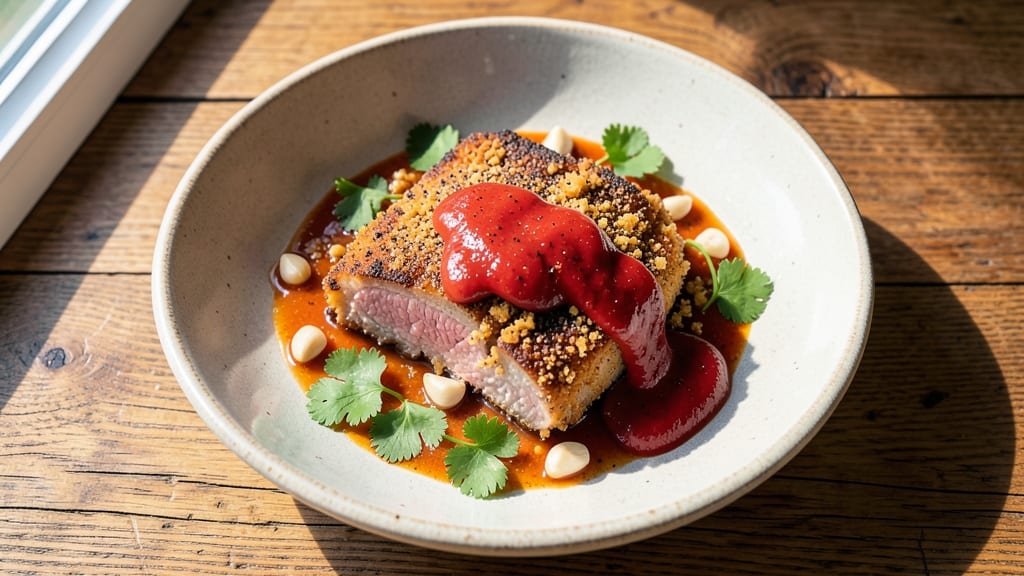
This breaded pork shoulder steak recipe delivers the perfect balance of crispy five-spice crust and juicy, tender meat—a technique I perfected after years of testing pork cuts in my Atlanta kitchen. The secret lies in a double breading method that locks in moisture while creating that addictive crunch.
I remember my first attempt at this recipe during a particularly busy week at The Smoky Pig, where we needed to serve 200 pounds of pork in a single night—this method became my go-to for restaurant-quality results at home.
The process starts with a dry rub of five-spice powder, garlic, and paprika, which infuses the meat with aromatic depth before the first breading. A light flour dredge followed by an egg wash and panko crust creates that signature crispiness without sacrificing juiciness.
The key is cooking it to 145°F internal temperature, ensuring the meat stays tender while the crust achieves that golden, shatteringly crisp finish. This isn't just another breaded pork cut—it's a restaurant-worthy dish that transforms a simple weeknight dinner into something special.
What makes this recipe truly stand out is how it handles the pork's natural fat content, using it to create a rich, flavorful crust while keeping the interior melt-in-your-mouth tender.
The five-spice blend adds a subtle warmth that pairs beautifully with the crispy exterior, making each bite a perfect balance of textures and flavors. Whether you're serving it as a main course or adding it to a charcuterie board, this dish delivers professional-quality results with minimal effort.
Pair it with a tangy apple slaw or roasted sweet potatoes to complete the meal. The crispy edges and juicy interior make this steak irresistible, and the technique is simple enough for weeknight cooking while impressive enough for dinner guests. Let's get started on creating this showstopper.
Ingredients for breaded pork shoulder steak
Pork shoulder steak, five-spice powder, and panko—just three key ingredients for that perfect crispy-juicy balance.
| Ingredient | Amount | Notes |
|---|---|---|
| Pork Shoulder Steak 🥩 | 1 ½ lb | Bone-in, 1-inch thick slices |
| Five-Spice Powder 🌶️ | 2 tbsp | Store-bought or homemade blend |
| Garlic Cloves 🧄 | 6 cloves | Minced for dry rub |
| Smoked Paprika 🌶️ | 1 tbsp | For smoky depth |
| All-Purpose Flour 🌾 | ½ cup | For first breading layer |
| Large Eggs 🥚 | 2 whole | Beaten for egg wash |
| Japanese Panko Breadcrumbs 🍞 | 2 cups | For crispy crust |
| Vegetable Oil 🫒 | ½ cup | For frying |
| Salt 🧂 | 1 tsp | Kosher or sea salt |
| Ground Black Pepper 🌶️ | ½ tsp | Freshly ground |
| Cornstarch 🌾 | 1 tbsp | For extra crispiness |
| Olive Oil 🫒 | 1 tbsp | For basting |
The pork shoulder steak is non-negotiable here—bone-in, 1-inch thick slices hold up best to the double breading. I always grab mine from Whole Foods or my local butcher—look for good marbling and ask for it cut fresh. The five-spice powder is what makes this special. Penzeys has a great blend, but any good Asian market carries it too. If you can't find it, mix cinnamon, star anise, cloves, fennel, and Sichuan peppercorn yourself—trust me, it's worth it. The garlic should be fresh, not jarred. Smoked paprika adds that restaurant-quality depth without overpowering.
No five-spice powder? Substitute with 1 tsp each of cinnamon, ginger, and cloves—it won't be identical, but you'll still get that warm, aromatic flavor. Running short on panko? Regular breadcrumbs toasted in a dry pan for 5 minutes work in a pinch, though they won't be quite as crispy. The cornstarch is optional but makes a noticeable difference in the crust's crunch. For the oil, vegetable or canola works best for frying—olive oil has too low a smoke point. And if you're worried about the steak drying out, don't be. The double breading actually locks in moisture while creating that crispy exterior.
Keep the pork steaks in the fridge until ready to use—use within 2 days for best texture. The five-spice powder stays potent for 6-12 months in a cool, dark place. For extra crispiness, fry the steaks in batches and keep them warm in a 200°F oven while you finish the rest. These reheat beautifully—just pop them in a 350°F oven for 10 minutes to restore that crispy crust. Makes enough for leftovers, which is perfect for sandwiches the next day.
Why You'll Love This Recipe
- Few Ingredients, Big Payoff: I swear by this recipe because it’s the kind of dish where you don’t need a pantry full of spices—just five-spice powder, smoked paprika, and a handful of garlic cloves. That’s it. The flour gives it that golden crunch without requiring any fancy technique.
- Crispy Outside, Savory Inside: The breading clings perfectly to the pork shoulder steak, giving you that addictive crunch, while the inside stays juicy and packed with warmth from the five-spice. It’s the kind of bite that makes you want to close your eyes and savor it.
- Game for Any Occasion: Serve it sliced thin over rice for a quick weeknight meal or stack it on a bun with pickles for a casual lunch. Honestly, it’s the kind of dish that works just as well for a lazy Sunday as it does for a dinner party when you’re short on time.
- Budget-Friendly Leftovers: Pork shoulder steak is already affordable, and this recipe stretches it even further. Make a big batch, and you’ll have perfectly crispy leftovers that reheat beautifully—whether you’re packing lunches or feeding a crowd. (Yes, even on a Tuesday night.)
Step-by-step instructions for crispy breaded pork shoulder steak
Here's how to get that perfect balance of crunchy crust and tender meat every time.
Prep the Pork with Five-Spice Dry Rub
Pat the 1.5 lb pork shoulder steak completely dry with paper towels—this is key for that crispy crust. In a small bowl, mix 2 tbsp five-spice powder, 1 tbsp smoked paprika, 1 tsp salt, and 0.5 tsp ground black pepper. Rub this generously over both sides of the steak, pressing it into the meat so it sticks.
Next, mince 6 cloves garlic and sprinkle it evenly over the seasoned steak. Let it sit at room temperature for 20 minutes while you prepare the breading. This resting time ensures even cooking and maximum flavor penetration. Don't skip this step—it makes all the difference in the final texture.
Set Up Three Breading Stations
Place 0.5 cup all-purpose flour in one shallow dish, beat the 2 whole large eggs with a fork in another, and spread 2 cups Japanese panko breadcrumbs mixed with 1 tbsp cornstarch in a third. The cornstarch gives that extra crunch we're after. Work quickly now—wet ingredients make breading stick better when fresh.
Dredge the steak first in the flour, tapping off excess. Dip into the beaten eggs, letting any excess drip off, then press firmly into the panko mixture on both sides. For extra crispiness, press the breadcrumbs down with your fingers so they adhere tightly. Let the breaded steak rest for 5 minutes while you heat the oil.
Fry to Golden Perfection
Heat 0.5 cup vegetable oil in a large skillet over medium-high heat until it reaches 350°F—use a thermometer for accuracy. The oil should shimmer but not smoke. Carefully add the breaded steak and cook for 3-4 minutes per side, turning only once. You'll know it's ready when the crust is deep golden brown and the internal temperature reaches 145°F.
Don't overcrowd the pan—this keeps the temperature steady and prevents soggy breading. If you need to cook more than one piece, work in batches. Transfer the cooked steak to a wire rack set over a paper towel-lined plate to drain excess oil. The rack keeps it crispy while letting air circulate underneath.
Baste with Olive Oil for Extra Flavor
Reduce heat to medium-low and add 1 tbsp olive oil to the same skillet. Using tongs, carefully transfer the steak back into the pan. Baste it with the oil for 1-2 minutes per side, spooning the oil over the top to infuse that rich flavor. This step adds depth and helps maintain the crispy crust while keeping the meat juicy.
Let the steak rest for 5 minutes before serving. This resting time allows the juices to redistribute, ensuring each bite stays moist. Serve immediately with your favorite dipping sauce or sliced vegetables for a complete meal. The contrast of crispy crust and tender meat is what makes this dish so special.
Pro Tips For Making Breaded Pork Shoulder Steak
- PAT THE DRY FLOUR HARD: Dredge the pork shoulder steak in flour twice—first lightly to stick, then a second time with a firm press so every crevice gets coated. I used to slap it in there half-hearted, and the breading would flake off mid-fry. This isn’t a spa day; rub it like you’re polishing silver.
- USE COLD GARLIC PASTE: Mash the garlic cloves into a paste with the five-spice powder and smoked paprika before mixing with flour. Cold garlic burns less and clings better to the meat—no more raw, almond-scented bites. (Yes, even if you’re impatient like me.)
- FRY IN BATCHES OR CRAMP: If your pan can’t hold the steak without crowding, fry in two rounds—first the thick cuts, then the thinner edges. Overcrowding steams the breading instead of crisping it, and no one wants soggy five-spice powder. Your future self will smell the difference.
- REST THE MEAT BEFORE SLICING: Let the steak sit under foil for 5-10 minutes after frying. The breading stays intact, and the juices redistribute so every slice is moist, not dry. I skipped this once and ended up with a pile of crumbly, flavorless scraps—don’t repeat my mistake.
Common mistakes when making your breaded pork shoulder steak
Skipping the Dry Rub
I can't stress enough how critical that five-spice dry rub is—it's what gives this dish its signature depth. Skipping it means you're missing the aromatic complexity that makes this recipe stand out. The spices need time to penetrate the meat, so don't rush this step.
I've seen home cooks skip the rub because they think it's optional, but trust me, your steak will taste flat without it. 🌶️
Uneven Breading
One of the most common mistakes is uneven breading—some spots get thick crust while others look bare. This happens when you don't press the panko firmly enough or when the steak isn't completely dry.
After dipping in the egg wash, use your fingertips to press the breadcrumbs firmly onto the meat, especially the edges. I like to do this over the bowl to catch any crumbs that fall off. Uneven breading leads to uneven cooking, so take your time here.
Overcrowding the Pan
Trying to cook multiple steaks at once in the same pan is a recipe for disaster. Overcrowding causes the oil temperature to drop, leading to greasy, soggy breading instead of crispy perfection. The oil needs to stay at 350°F for that golden crust.
If you're making more than one steak, work in batches—this keeps the oil hot and your breading crisp. I usually cook one steak at a time and keep the finished ones warm in a 200°F oven while I finish the rest.
Skipping the Resting Time
I know it's tempting to cut into that beautiful golden-brown steak immediately, but resisting the urge to slice right away is crucial. Letting the steak rest for 5 minutes after cooking allows the juices to redistribute throughout the meat.
Cutting too soon means you'll lose all that delicious moisture, resulting in a dry steak. This is especially important for pork shoulder—it's a forgiving cut, but even it needs that brief rest to shine.
Using Wrong Oil
Not all oils are created equal when it comes to frying. Olive oil has a low smoke point and can burn, creating bitter flavors and smoke. For this recipe, stick with vegetable or canola oil—they have higher smoke points and won't break down under the heat.
I've made this mistake myself when I was in a hurry and grabbed the wrong bottle. The result? A steak with a burnt taste instead of that perfect crispy crust. Always check the smoke point before you start frying.
Overcooking the Steak
Pork shoulder steak is tender and juicy when cooked to 145°F internal temperature. Going beyond that risks drying out the meat, especially with the breading. Use a meat thermometer to check the temperature—it's the only way to be sure.
I've seen people cook these steaks until they're well-done because they're afraid of undercooking, but that's a mistake. The breading will add color and texture, but the meat itself should stay juicy and tender. 💪
Nutrition facts
Frequently asked questions
Can I use regular breadcrumbs instead of panko?
You can, but your crust won't be as crispy! Panko's larger flakes create more surface area for browning. For a quick fix, toast regular breadcrumbs in a dry pan for 5 minutes before using. The cornstarch in the recipe helps compensate for the difference.
How do I keep the steak from drying out?
The key is cooking to 145°F internal temperature and letting it rest for 5 minutes after frying. Overcrowding the pan also causes moisture loss. Fry in batches and keep finished steaks warm in a 200°F oven while you cook the rest. The double breading actually helps lock in juices!
What's the best way to reheat leftover steak?
Pop them in a 350°F oven for 10 minutes to restore crispiness. For extra crunch, broil for 2-3 minutes at the end. Avoid microwaving - it makes the crust soggy. The steak reheats beautifully for sandwiches or salads the next day!
Can I bake this instead of frying?
Yes! Preheat oven to 400°F and bake for 15-20 minutes on a wire rack. Brush with olive oil first for browning. The crust won't be as crispy as fried, but it's a great alternative. For extra crunch, broil for 2 minutes at the end.
What's the secret to the five-spice blend?
The magic comes from equal parts cinnamon, star anise, cloves, fennel, and Sichuan peppercorn. The blend adds warmth and depth that complements pork perfectly. If you can't find it, substitute with 1 tsp each of cinnamon, ginger, and cloves - it won't be identical but still delicious!