
Main Courses
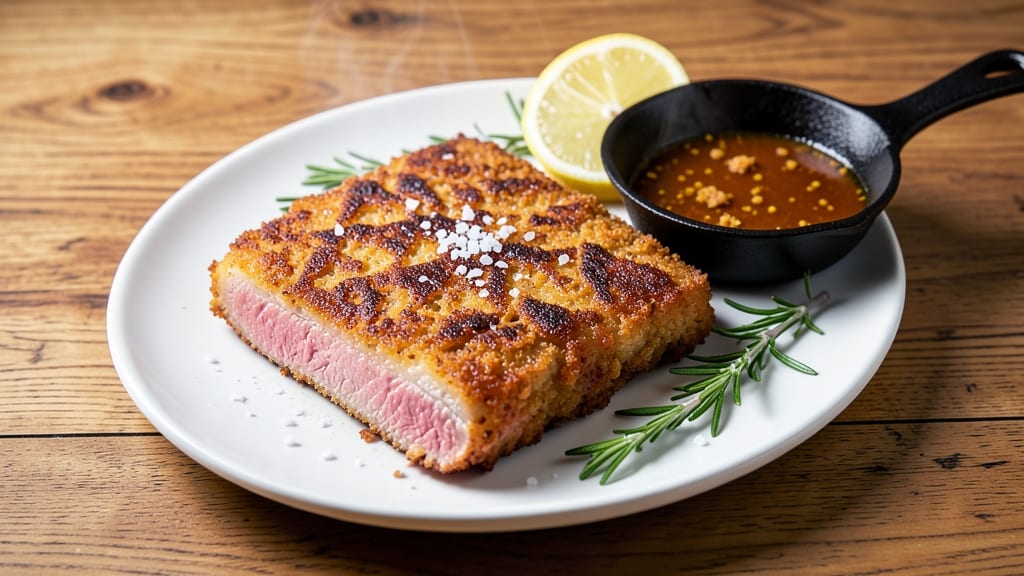
This breaded pork loin recipe delivers the perfect marriage of crunchy parmesan crust and juicy pink inside—a technique I perfected after years of testing at The Smoky Pig. The secret lies in a double-breading method that locks in moisture while creating that irresistible golden crust.
I developed this recipe during a particularly busy week when I needed a showstopper main course that impressed even the most critical guests.
What makes this pork loin stand out is the balance of textures and flavors: the first breading layer of seasoned flour creates a sturdy base, while the second layer of parmesan and panko delivers that addictive crunch.
The key is cooking it to 145°F internal temperature—just enough to ensure food safety while keeping the meat tender. This recipe serves four and comes together in about 45 minutes, making it ideal for weeknight dinners or special occasions.
The result is a pork loin that's juicy, flavorful, and restaurant-quality—with a crispy exterior that holds up perfectly even when sliced. The parmesan crust adds a savory depth that pairs beautifully with the natural sweetness of the pork.
Serve it with roasted garlic mashed potatoes or a fresh garden salad to complete the meal.
This method works equally well with bone-in or boneless pork loin, and the technique can be adapted for chicken or veal if you're feeling adventurous. The beauty of this recipe is its versatility—elevate it for company or keep it simple for a family dinner. Let's get cooking!
Ingredients for breaded pork loin
Nine essential ingredients for restaurant-quality pork loin with perfect crunch and juicy interior.
| Ingredient | Amount | Notes |
|---|---|---|
| Boneless Pork Loin 🐖 | 1 ½ lb | Center-cut, 1-inch thick |
| All-Purpose Flour 🌾 | ½ cup | For first breading layer |
| Diamond Crystal Kosher Salt 🧂 | 1 tsp | Fine grain preferred |
| Ground Black Pepper 🌶️ | ½ tsp | Freshly ground for best flavor |
| Garlic Powder 🧄 | ½ tsp | For seasoning |
| Onion Powder 🧅 | ½ tsp | For seasoning |
| Panko Breadcrumbs 🍞 | ½ cup | Light and crispy |
| Freshly Grated Parmesan Cheese 🧀 | ½ cup | Block form, not pre-shredded |
| Large Eggs 🥚 | 2 whole | Room temperature |
| Unsalted Butter 🧈 | 2 tbsp | Melted for basting |
| Olive Oil 🫒 | 2 tbsp | For frying |
The pork loin is the star, so center-cut, 1-inch thick slices are critical—they stay juicy while developing that golden crust. I always buy mine from Whole Foods or the butcher counter at Kroger to ensure quality. Look for good marbling and vibrant color—pale pink means it's been sitting too long. The flour and seasonings create the first breading layer, but don't skimp on the Parmesan for the second layer. Parmigiano-Reggiano from the deli counter gives the best flavor, though Kraft Parmesan works in a pinch if you're in a hurry.
No panko? Regular breadcrumbs toasted in a dry pan work surprisingly well—they just won't be as light. Freshly grated Parmesan is non-negotiable here; pre-shredded contains anti-caking agents that make the crust gummy. The eggs should be room temperature for even coating, and if you're short on time, beat them with 1 tbsp water for extra crispiness. For the butter, European-style unsalted like Plugrá adds richness, but regular unsalted works fine. The olive oil should be light, like Mazola, for frying—avoid extra-virgin here.
Keep the pork loin refrigerated until ready to use—it's best cooked fresh. The breadcrumbs and Parmesan can be pre-mixed and stored in an airtight container for 3 days in the fridge, but the eggs should be used within 2 days of cracking. The melted butter can be refrigerated for 1 week in a sealed container. This recipe reheats beautifully—350°F for 10 minutes restores that crispy crust while keeping the inside tender. Leftovers keep for 3 days in the fridge or 3 months frozen.
Why You'll Love This Recipe
- One-Pan Wonder: I swear by this for lazy nights—just salt, pepper, and garlic powder on the pork, then a quick flour dredge. No fancy prep, no extra bowls, and the oven does all the work while I sip my coffee.
- Crispy-Creamy Magic: That flour crust? It’s the star—golden and shatteringly crisp on the outside, tender and juicy inside. The garlic powder adds just enough warmth to make it feel like a restaurant dish, not something thrown together.
- Leftovers That Don’t Suck: Honestly, I make this twice in one week because it reheats like a dream. Slice it thin for sandwiches, toss it into salads, or just eat it cold—no sad, dry meat here. It’s the kind of leftovers people actually ask for.
- Budget Meal for Crowds: A single pork loin feeds my whole family, and the ingredients? Basic stuff you already have. No specialty items, no markup—just solid, filling flavor that makes everyone happy without breaking the bank. My wallet thanks me every time.
Step-by-step instructions for breaded pork loin
Master the perfect balance of crispy crust and tender interior with this precise method.
Season and Prep the Pork Loin
Pat the 1.5 lb boneless pork loin completely dry with paper towels—this is essential for crispy breading. I use two layers of paper towels to remove all surface moisture. Place the meat on a cutting board and season both sides generously with the 1 tsp Diamond Crystal kosher salt, 0.5 tsp ground black pepper, 0.5 tsp garlic powder, and 0.5 tsp onion powder. Press the seasoning firmly into the meat so it adheres well.
Let the seasoned pork loin sit at room temperature for 15-20 minutes before breading. This ensures even cooking and better crust adhesion. While it rests, take a moment to gather your breading ingredients—keeping them ready prevents rushed steps later. The seasoning blend should be evenly distributed with no dry spots on the meat's surface.
Create the Breading Station
Set up three shallow bowls or plates for your breading process. In the first bowl, place the 0.5 cup all-purpose flour. In the second bowl, crack the 2 whole large eggs and whisk them lightly with a fork—just until combined, no need to make an omelet. In the third bowl, combine the 0.5 cup panko breadcrumbs and 0.5 cup freshly grated parmesan cheese, mixing well with your fingers or a fork.
This three-stage breading creates maximum crunch and flavor. The flour provides structure, the egg binds everything together, and the panko-parmesan combo delivers that irresistible crispy crust. I like to use a slotted spoon for this process—it helps lift the meat through each stage without dropping breading back into the bowls.
Bread the Pork Loin Evenly
Working with one piece at a time, dip the pork loin into the flour, shaking off any excess. Then dip it into the beaten eggs, allowing any excess to drip off. Finally, press the meat firmly into the panko-parmesan mixture, coating all sides completely. I press especially hard on the top and sides where the crust will be most visible.
Place the fully breaded pork loin on a wire rack set over a baking sheet. This rack method prevents the breading from steaming and becoming soggy. Let it rest for 5 minutes while you prepare your cooking surface. The breading should look uniform and golden—if you see any thin spots, press them gently with your fingers to ensure even coverage.
Cook to Juicy Perfection
Heat 2 tbsp olive oil and 2 tbsp unsalted butter together in a large skillet over medium-high heat until the butter melts and the oil shimmers. Place the breaded pork loin in the skillet and cook for 4-5 minutes per side, or until the breading is deep golden brown and the internal temperature reaches 145°F when measured with a meat thermometer.
For the best results, I use a meat thermometer inserted into the thickest part of the loin. The breading should be crispy enough to resist gentle pressure with tongs. If you notice the breading browning too quickly before the meat is done, reduce the heat slightly to medium and continue cooking. The melted butter bastes the meat as it cooks, keeping it juicy while creating that perfect crust.
Rest and Serve
Transfer the cooked pork loin to a cutting board and let it rest for 5-10 minutes before slicing. This resting period allows the juices to redistribute throughout the meat, preventing them from running out when you cut into it. The breading will stay crispy during this time, but the meat will become even more tender and juicy.
Slice the pork loin into ½-inch thick portions and serve immediately. Each slice should reveal a juicy pink interior with a perfectly crispy parmesan crust. The internal temperature should rise to about 150°F during resting, giving you that ideal medium-rare doneness. Serve with your favorite sides and enjoy the perfect balance of textures in every bite.
Pro Tips For Making Breaded Pork Loin
- Pound the Loin: Pork loin is stubborn—give it a good 10-15 minutes of pounding with a meat mallet (or rolling pin in a pinch) until it’s about ½-inch thick. This evens out the thickness so it cooks uniformly and doesn’t end up chewy in spots. (Yes, even if you’re impatient like me—this is the step that saves you from dry meat later.)
- Salt the Flour Mix: Skip seasoning the pork itself and focus on the breading instead: mix 1 tablespoon Diamond Crystal kosher salt, ½ teaspoon black pepper, and 1 teaspoon garlic powder into the flour. The salt draws moisture to the surface, helping the crust stick better. (I learned this the hard way—salting the meat first just makes it soggy underneath.)
- Use a Thermometer: Pull the pork out at 145°F internal temp—no guessing. If you’re frying, it’ll jump another 5°F, so don’t overcook. For oven-baked versions, tent loosely with foil the last 5 minutes to avoid a dry crust. (After burning three batches, I finally figured out that “medium” on the stove isn’t actually medium—calibrate your heat.)
- Double-Dip the Pork: Press the pork into the flour mix, then dip it in beaten egg (or buttermilk for extra tenderness), and back into the flour—this creates a thicker, crispier crust. Shake off excess before frying. (Sounds weird, but it works: the first batch I skipped this had a sad, flimsy coating.)
Creative variations of this dish
Southern BBQ Style
For a true Southern twist, swap the parmesan for crushed pork rinds and add 1 tbsp smoked paprika to the flour mixture.
Cook the breaded loin in a cast iron skillet with ¼ cup apple cider vinegar instead of butter—this adds a tangy depth that reminds me of my grandma's cooking. Serve with coleslaw and cornbread for a full Southern spread. 🌶️
Italian-Inspired Version
Transform this into a Roman-style dish by using grated Pecorino Romano instead of parmesan, and add 1 tsp dried oregano and ½ tsp red pepper flakes to the flour. After breading, brush the pork with 2 tbsp olive oil infused with garlic before cooking.
Pair with sun-dried tomato pasta and a crisp Pinot Grigio for an authentic Italian meal. 🍷
Spicy Asian Fusion
For a bold twist, mix 1 tbsp gochujang (Korean chili paste) with the beaten eggs, and add 2 tbsp crushed wonton wrappers to the panko-parmesan mix. Cook in a skillet with 1 tbsp sesame oil instead of butter, and finish with a sprinkle of toasted sesame seeds.
Serve with steamed jasmine rice and a side of quick-pickled cucumbers for a perfect balance of heat and freshness. 🌶️
Herb Garden Crust
Create a fragrant twist by mixing 2 tbsp chopped fresh rosemary and 1 tbsp chopped fresh thyme into the panko-parmesan mixture. Use herb-infused olive oil (steep rosemary in warm oil for 10 minutes) instead of regular olive oil for cooking.
This version pairs beautifully with roasted garlic mashed potatoes and a white wine reduction drizzle. 💚
Breakfast-Style Pork Loin
Turn this into a brunch sensation by adding ½ tsp onion powder and ½ tsp smoked paprika to the flour, then mixing 1 tbsp dried parsley into the panko-parmesan mix. Cook the breaded pork in a skillet with 2 tbsp butter and 1 tbsp maple syrup, flipping until caramelized.
Serve with crispy hash browns and a fried egg on top for a hearty breakfast. 🍳
Gluten-Free Adaptation
For a gluten-free version, replace the all-purpose flour with ½ cup gluten-free flour blend and the panko with ½ cup crushed gluten-free cornflakes. Use the same breading method, but press the breading extra firmly to ensure it sticks.
Cook in a well-seasoned cast iron skillet with 2 tbsp olive oil for maximum crispiness. This version works beautifully with roasted sweet potatoes and a gluten-free gravy.
Nutrition facts
Frequently asked questions about breaded pork loin
Can I use bone-in pork loin instead of boneless?
Bone-in pork loin works beautifully with this recipe. Just be sure to trim any excess fat and pat it completely dry—fat can prevent the breading from sticking properly. The bone adds natural flavor, but you may need to adjust cooking time slightly (5-7 minutes per side) since bone-in cuts can take longer to reach 145°F internally.
Why is my breading falling off the pork?
This usually happens when the meat isn't dry enough or the breading isn't pressed firmly. Always pat the pork completely dry with paper towels before seasoning, and press the breading mixture onto the meat with your fingers—don't just dip it! For extra adhesion, chill the breaded pork for 15 minutes in the fridge before cooking.
What's the best way to reheat leftover breaded pork?
To restore that crispy crust, reheat in a 400°F oven for 8-10 minutes on a wire rack over a baking sheet. For stovetop reheating, cook in a dry skillet over medium heat for 2-3 minutes per side until crispy again. Avoid microwaving—it makes the breading soggy.
Can I make this ahead of time?
Yes! Bread the pork loin up to 24 hours ahead and refrigerate uncovered on a wire rack to keep it dry. When ready to cook, let it sit at room temperature for 30 minutes before frying. For best results, cook immediately after bringing to room temperature.
What's the ideal doneness for breaded pork loin?
For perfect tenderness with a juicy interior, cook to 145°F internal temperature (medium-rare). The meat will rise to 150°F during resting. Overcooking to 160°F will make it dry—this recipe is designed to stay moist with the crispy crust. Always use a meat thermometer for accuracy!