
Main Courses
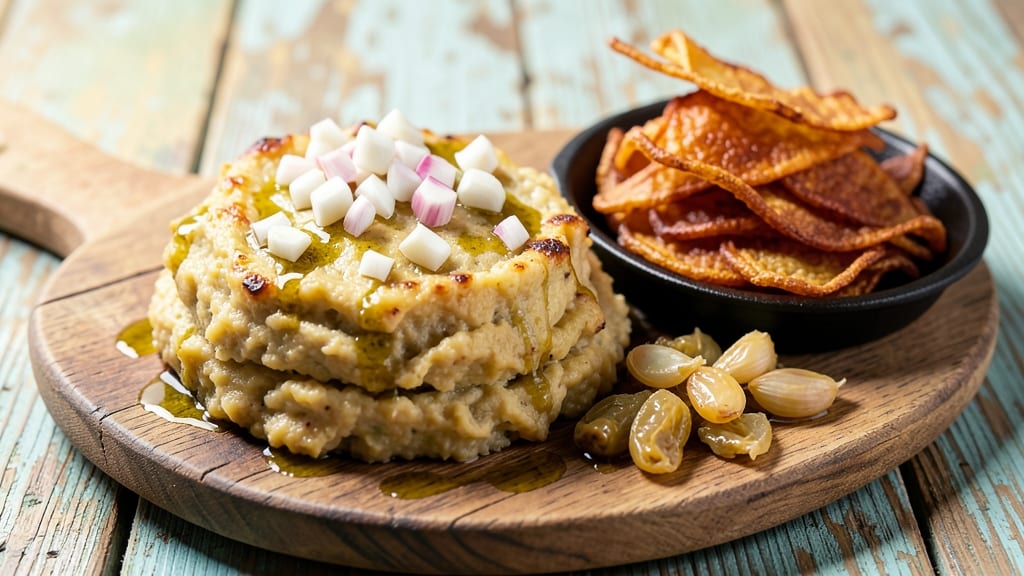
This crispy plantain mofongo recipe without pork rinds delivers all the satisfying texture and rich flavor of the classic Puerto Rican dish—just with a plant-based twist. 💫 The secret lies in perfectly ripe plantains, mashed until tender and fried until golden, then topped with aromatic garlic oil that transforms simple ingredients into something extraordinary.
I developed this version after years of perfecting the technique, ensuring every bite has that coveted crispy edge while staying true to the dish's soulful roots.
The process begins with boiling plantains until they're soft enough to mash by hand, creating a smooth, starchy base that forms the heart of the mofongo.
While traditional recipes rely on pork rinds for crispiness, we achieve the same effect by frying the plantain mash in small batches until it develops that irresistible golden crust.
The garlic oil—infused with fresh garlic, olive oil, and a touch of salt—adds depth and richness without overpowering the natural sweetness of the plantains.
What you'll end up with is a crispy, flavorful plantain mash that holds its shape when sliced, topped with that fragrant garlic oil that makes every bite sing. The texture is what sets this dish apart: tender inside, crispy outside, with a sauce that clings perfectly to each piece.
This version proves you don't need pork rinds to achieve restaurant-quality mofongo—just the right technique and fresh ingredients.
Serve it with classic toppings like avocado slices, black beans, or vegan cheese for a complete meal that's as satisfying as it is delicious. The beauty of this recipe is its versatility—it works as a main dish, a side, or even as a hearty appetizer. Let's get cooking!
Ingredients for mofongo recipe without pork rinds
Ripe plantains and aromatic garlic oil create crispy, flavorful mofongo without pork rinds.
| Ingredient | Amount | Notes |
|---|---|---|
| Ripe Plantains 🍌 | 4 whole | Black spots preferred, firm but yielding |
| Extra-Virgin Olive Oil 🫒 | ¾ cup | High-quality, fruity variety |
| Fresh Garlic Cloves 🧄 | 8 cloves | Minced for garlic oil |
| Vegetable Oil 🫒 | 2 cups | High smoke point for frying |
| Sea Salt 🧂 | 1 ½ tsp | Fine grain preferred |
| Ground Black Pepper 🌶️ | ½ tsp | Freshly ground preferred |
| Fresh Cilantro Leaves 🌿 | ¼ cup | Chopped, for garnish |
| Lime Juice 🍋 | 2 tbsp | Freshly squeezed |
| Avocado Slices 🥑 | 1 whole | For serving, optional |
| Black Beans 🌱 | 1 ½ cups | Cooked, for serving |
| Vegan Cheese 🧀 | ½ cup | Shredded, for serving |
| Water 💧 | 4 cups | For boiling plantains |
The plantains are the star—look for ones with black spots (not green) at your grocery store's produce section. Latin markets often have the ripest selection, but most supermarkets carry them too. Avoid any with soft spots or mold. If you can't find ripe plantains, green ones won't work—this dish relies on their natural sweetness and starchy texture. I usually buy two extra plantains just in case one isn't perfectly ripe. The key is boiling them until they're fork-tender but still hold their shape when mashed.
No fresh garlic? Garlic powder at half the amount works in a pinch, though it'll lack that aromatic depth. For the olive oil, avoid the cheap stuff—you want something fruity and flavorful that can stand up to the plantains. The vegetable oil for frying should have a high smoke point; avocado oil is ideal if you want to splurge. For serving, avocado slices add creaminess, while black beans provide that classic Puerto Rican contrast. The vegan cheese is optional but adds a nice salty finish—look for a meltable brand at health food stores.
Boiled plantains keep in the fridge for 3 days if stored in an airtight container, though they're best used immediately for optimal texture. The garlic oil can be made ahead and stored in a jar in the fridge for up to 1 week, though it's best used fresh. For leftovers, reheat in a skillet with a bit of oil over medium heat until crispy again. This dish reheats beautifully, making it perfect for meal prep—just store the components separately and assemble when ready to eat.
Why You'll Love This Recipe
- No Fuss Mash: I’ll admit, I was skeptical about skipping pork rinds—until I tried mashing the plantains right in the pan with a fork. No blender, no extra bowls, just ripened plantains, olive oil, and a little elbow grease. The texture? Crispy edges, pillowy middle—exactly how it should be.
- Garlic Kiss: Between us, fresh garlic cloves roasted in that vegetable oil until golden? That’s the secret weapon. One whiff and you’re hooked—no pork rinds needed. The salt just ties it all together, making every bite feel like a warm hug.
- Weeknight Wonder: This is my go-to when I need something hearty but don’t want to slave over it. Serve it with shrimp, black beans, or even just a fried egg—it’s that adaptable. Honestly, I’ve had it for breakfast, lunch, and dinner without getting tired of it.
- Budget-Friendly Staple: Plantains are cheap, and a single bunch stretches across multiple meals. Leftovers? Reheat them in a skillet with a splash of olive oil, and they taste just as good the second time. Not the prettiest, but the taste makes up for it every time.
Step-by-step instructions for crispy plantain mash
Transform ripe plantains into golden, crispy mofongo using this pork-rind-free technique.
🔥 Step 1: Boil and Mash the Plantains
Peel the 4 whole ripe plantains and cut them into 1-inch chunks. Place them in a medium saucepan with the 4 cups of water. Bring to a boil over medium-high heat, then reduce to medium heat and simmer for 10-12 minutes until the plantains are fork-tender and the water has mostly evaporated.
Drain the plantains thoroughly, then transfer them to a clean bowl. Using a potato masher, mash them until you achieve a coarse, rustic texture with some small lumps remaining. The goal is a thick, dough-like consistency—this is what creates that signature mofongo texture. If the mixture feels dry, add 1 tablespoon of the 0.75 cup extra-virgin olive oil to help bind it together.
🍳 Step 2: Fry for Maximum Crispiness
Heat the 2 cups of vegetable oil in a deep skillet or Dutch oven over medium heat until it reaches 350°F—use a thermometer for accuracy. Working in batches (to avoid overcrowding), carefully add spoonfuls of the mashed plantain mixture. Fry for 2-3 minutes per side until golden brown and crispy on both sides. You'll know it's ready when the exterior turns a deep golden color and the interior stays warm and soft.
Transfer the fried plantain pieces to a paper towel-lined plate to drain excess oil. Repeat with the remaining mashed plantains, maintaining the same oil temperature throughout. The crispy exterior is what makes this version shine—don't rush this step or the texture will suffer.
👨🍳 Step 3: Create the Garlic Oil Magic
While the plantains fry, prepare the garlic oil by heating the remaining 0.5 cup extra-virgin olive oil in a small saucepan over low heat. Add the 8 cloves of minced fresh garlic and cook for 2-3 minutes until the garlic is fragrant but not browned. Immediately pour this aromatic oil over the fried plantain pieces in the bowl, tossing gently to coat. The garlic oil infuses the crispy plantains with deep, savory flavor.
Season immediately with the 1.5 teaspoons sea salt and 0.5 teaspoon ground black pepper, mixing well to distribute evenly. This is where the magic happens—the garlic oil transforms simple fried plantains into a restaurant-worthy dish. Let the plantains sit for 2-3 minutes to absorb the flavors completely.
🥘 Step 4: Serve with Classic Accompaniments
Divide the crispy plantain mash among 4 serving plates. Top each portion with 2 tablespoons lime juice (about ½ tablespoon per serving) and 1 tablespoon chopped fresh cilantro leaves. The acidity from the lime brightens the dish, while the cilantro adds a fresh contrast to the rich plantains.
Serve immediately with the 1.5 cups cooked black beans and 0.5 cup shredded vegan cheese on the side, along with the 1 whole avocado sliced for garnish. The combination of textures—crispy plantains, creamy beans, cool avocado, and melted cheese—creates a satisfying, balanced meal that captures the essence of traditional mofongo without pork rinds.
Pro Tips For Making Mofongo Recipe Without Pork Rinds
- Smash While Warm: Ripened plantains are soft but still hold shape when cool—heat them until they’re just pliable, not mushy. I used to overcook them, and the texture turned gummy; now I pull them off the heat the second they yield to gentle pressure. That’s when you’ll get that perfect, slightly resistant mash.
- Toast the Garlic: Skip the raw garlic—lightly toast your cloves in vegetable oil until they’re golden and fragrant. This adds depth without overpowering, and it prevents that bitter aftertaste that sneaks in when you use raw. A quick 2-3 minutes on medium heat does the trick.
- Salt the Plantains: Sprinkle salt directly onto the plantains while mashing—it dissolves into the starch and seasons every bite evenly. I used to wait until the end, and the flavor felt uneven. A pinch of sea salt (about ½ teaspoon per plantain) makes all the difference.
- Use Olive Oil for Mashing: Drizzle extra-virgin olive oil over the mashed plantains while working it with your hands—it keeps the texture tender and adds a subtle richness. I was skeptical at first, but it’s the thing that makes this version feel just as satisfying as the pork-rind one.
Regional styles of mofongo recipe without pork rinds
Puerto Rican Roots
Mofongo originated in Puerto Rico as a simple dish made by slaves who combined boiled plantains with garlic and oil. The original version often included pork rinds for extra crispiness, but this plantain-based adaptation keeps the soul of the dish while making it vegetarian-friendly.
I first fell in love with mofongo during a trip to Old San Juan, where street vendors served it with fresh seafood—a far cry from my Cincinnati childhood! 🌴
Dominican Twist
In the Dominican Republic, mofongo often incorporates ají dulce (sweet chili paste) and sometimes even includes grated cheese on top. For a Dominican-inspired version, stir 1 teaspoon ají dulce into your garlic oil before tossing with the fried plantains.
This adds a subtle heat that pairs beautifully with the plantains' natural sweetness. I discovered this variation at a small family-run restaurant in Santo Domingo—it was a game-changer for adding depth.
Caribbean Fusion
For a modern Caribbean twist, try adding jerk seasoning> to your garlic oil. Mix 1 teaspoon jerk seasoning> (like Caribbean Jerk Seasoning from Penzeys>) with the minced garlic before cooking. This gives the plantains a smoky, spicy kick that's perfect for summer meals.
I first tried this fusion at a Portland food truck and immediately adapted it for my kitchen—it's become a weekend favorite for Tom and me. 🌶️
Pacific Northwest Adaptation
Here in Portland, I often swap the black beans for smoked tofu crumbles> and top with local hazelnut oil> instead of regular olive oil. The nutty flavor complements the plantains beautifully, and it's a great way to use up hazelnuts from my backyard trees.
For extra local flair, add sautéed wild mushrooms> (like chanterelles or oyster mushrooms) to the side. This version feels fresh and seasonal while keeping the dish's comforting essence.
Spanish Influence
In Spain, a similar dish called tostones> uses fried green plantains, but the technique translates well to ripe plantains. For a Spanish-inspired touch, add smoked paprika> to your garlic oil and serve with marinated olives> and roasted red peppers>.
This version has a smoky depth that's perfect for tapas-style dining. I love making this version when we host game nights—it's always a crowd-pleaser.
Modern Vegan Version
For a fully plant-based take, skip the vegan cheese and instead top your mofongo with avocado crema> (blend 1 avocado>, 2 tablespoons lime juice>, and 2 tablespoons water> until smooth).
This adds a creamy, tangy element that balances the crispy plantains perfectly. I developed this version after Lily requested a "cheese-free" option—she loves it with extra lime and cilantro sprinkled on top. 🌱
Nutrition facts
Frequently asked questions
Can I use green plantains instead of ripe ones?
No, this recipe specifically calls for ripe plantains with black spots—they're naturally sweeter and starchy, perfect for mashing. Green plantains are firmer and less sweet, better suited for dishes like tostones where you want a crispy exterior and tender interior. If you can't find ripe plantains, check Latin markets or order online.
How do I get the plantains extra crispy without pork rinds?
The secret is frying in small batches at 350°F until golden brown on both sides. Use enough oil to coat the plantain mash completely, and don't overcrowd the pan. The garlic oil infusion after frying adds flavor without replacing the crispy texture that pork rinds provide.
What if my plantain mash isn't holding together?
If the mash feels too dry, add 1 tablespoon of the reserved olive oil while mashing. For extra binding, mix in 1 tablespoon of mashed avocado or a spoonful of cooked black beans. The key is achieving a thick, dough-like consistency before frying—this creates the signature mofongo texture.
Can I make this ahead of time?
Yes! Boil and mash the plantains up to 3 days ahead, storing them in an airtight container in the fridge. The garlic oil can be made 1 week ahead. When ready to serve, simply fry the plantain mash and toss with fresh garlic oil. Reheat leftovers in a skillet over medium heat until crispy again.
What's the best way to serve this vegetarian mofongo?
Pair it with fresh toppings like sliced avocado, black beans, or vegan cheese for a complete meal. For extra flavor, drizzle with a lime crema (mix lime juice with vegan sour cream) or sprinkle with toasted pumpkin seeds. The contrast of creamy, crispy, and fresh elements makes every bite exciting.